


 Zobraziť v interiéri
 Odoslať
 Zdieľať
 Podrobnosti
 Príručkovo

 Stiahnuť
 Podobné položky
 RTG skúška
 Prehliadanie diapo\]
 Štatistiky
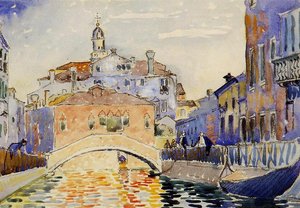
The Grand Canal, Venice
 Watercolor
- WallArt
- Impressionistic Realism
 1899
1899- 19th Century
 Terra Fondation für Amerikanische Kunst
Maurice Brazil Prendergast’s ‘The Grand Canal, Venice’ captures the shimmering beauty of Impressionistic Venice in 1899. This watercolor showcases a vibrant canal scene with gondolas and figures, reflecting light and movement – perfect for art lovers.
 Prečítať si viac
Maurice Prendergast (1858-1924): Kanaľský americký postimpresionista, známy svojimi živými vodovozkami a obrazmi moderného života. Objevte jeho jedinečný svet farieb a vzorov!
Ručne maľovaná olejová reprodukcia
Ručne maľovaný olej na plátne vo vašej zvolenej veľkosti a v ráme, vyrobený na mieru našimi umelcami. ( Prepnúť na tlač Prepnúť na digitálnu verziu obrazu)




P118B $10

P118H $10

P118W $10

P438Z $10

P508JH $12

P508YH $12

P805H $10

P805Z $10

P919BZ $10

P919G $10

P919XJ $10

P959ZH $10

P968JZ $12

W106C $8

W218G $10

W218JH $8

W218Y $10

W307PJ $10

W316G $10

W316PJ $8

W316Y $10

W398PJ $8

W4111J $10

W500HY $15

W500JH $15

W692G $12

W849H $8

W940BG $15

W953PJ $8




Štandardné rozmery
na mieru
CM
INCH
Vyberte si z našich preddefinovaných rozmerov, ktoré zodpovedajú pôvodným pomeroḿ diela.
Loading sizes...

šírka
výška
Môžete zadať vlastné rozmery tak, aby sa hodili do konkrétneho rámu alebo priestoru. Ak sa váš zvolený rozmer nezhoduje s pôvodnými proporciami obrazu, dielo buď orezáme, alebo ho doplníme ručne maľovanými prvkami. Pred začiatkom výroby vám zašleme digitálny náhľad na schválenie.
Upozorňujeme, že ukážka na obrazovke neodráža skutočné orezanie ani doplnenie. Skutočnú finálnu kompozíciu zobrazuje iba digitálny náhľad.
Hoci sú k dispozícii vlastné rozmery, odporúčame vybrať rozmer z preddefinovaného zoznamu, aby sme zachovali pôvodné proporcie.
Príklady možných zmien: nahradiť tvár fotografiou zákazníka; pridať domáce zviera (napr. nahradiť mačku psom); vložiť skryté posolstvo do pozadia; zmeniť krajinu alebo prvky pozadia.
Po odoslaní objednávky vám tím TopImpressionists.com pošle e-mail s pokynmi a poskytne náhľad na návrh
Po odoslaní objednávky vám tím TopImpressionists.com pošle e-mail s pokynmi a poskytne náhľad na návrh
Celosvetová doprava () za 3 až 4 týždne namiesto štandardných 5 týždňov. (23 september). Bez kompromisov v kvalite.

Bezplatná expresná doprava po celom svete

Vysokokvalitné lnianske plátno

Úplné poistenie prepravy

Záruka vrátenia colného poplatku

Záruka presného farebného zhodnutia

100-dená politika vrátenia tovaru (iba pri vadách)

100% záruka vrátenia peňazí

Ponuka množstevnej zľavy
 Možnosť skla je dostupná len pri rozmeroch pod 110 cm

The Grand Canal, Venice
Spôsob reprodukcie
Veľkosť reprodukcie
-


Celková cena
$ 269
The Grand Canal, Venice – A Symphony of Light and Movement
Maurice Brazil Prendergast’s “The Grand Canal, Venice,” painted in 1899, isn't merely a depiction of a Venetian waterway; it’s an embodiment of Impressionism’s fascination with capturing fleeting moments of sensory experience. Created during a period of burgeoning artistic innovation—the late Victorian era—this watercolor and pencil piece stands as a testament to Prendergast’s masterful command of color and his ability to convey atmosphere above all else.
A Venetian Vista Illuminated
The painting transports the viewer directly into the heart of Venice during Festa del Redentore, commemorating the deliverance from plague in 1576. As Nancy Mowll Mathews notes in “The Art of Leisure,” Prendergast’s work exemplifies “the Williams College Museum of Art’s” dedication to showcasing American art with a fresh perspective. The scene unfolds along the Grand Canal, dominated by gondolas adorned with vibrant lanterns—a spectacle that captivated artists and visitors alike.
Technique and Impressionistic Vision
Prendergast employed a technique characteristic of Impressionism: layering translucent washes of watercolor to build up luminous color gradations. Unlike academic painting’s meticulous realism, he prioritized capturing the effects of light on surfaces—the shimmering reflections off the water, the diffused glow emanating from the lanterns. This approach is particularly evident in the depiction of the gondolas at night, where Prendergast skillfully blends blues and greens to create an illusion of depth and movement.
Symbolism and Emotional Resonance
Beyond its visual beauty, “The Grand Canal” carries symbolic weight. The Festa del Redentore itself represents a celebration of faith and resilience—a reminder that even amidst darkness and hardship, joy and renewal can prevail. Prendergast’s use of color contributes to this emotional impact; the warm hues of the lanterns contrast sharply with the cool tones of the canal water, creating a dynamic interplay that captures the spirit of the festival.
Further Exploration
For those interested in delving deeper into Maurice Brazil Prendergast's artistic legacy, exploring works like “Evening on a Pleasure Boat” and “Festa del Redentore” offers invaluable insight into his stylistic evolution. Additionally, visiting San Rocco—a museum showcasing Tintoretto masterpieces—provides context for understanding the broader artistic landscape of Venice during Prendergast’s time. You can find more information about “Grand Canal, Venice” at Smithsonian Institution and admire “Festa del Redentore” at New Britain Museum of American Art.
Súvisiace diela



Biografia umelca
Maurice Brazil Prendergast: Svet Farby a Harmónie
Maurice Brazil Prendergast, meno známe meno ako niektorí jeho kolegovia, však zanechal významný a svietivý odkaz v dejinách amerického modernizmu. Narodil sa 10. októbra 1858 v malebnom St. John’s na ostrove Nové Šieland, kde jeho rané roky boli formované neobyčajným detstvom – rodina prevádzala subarktický obchodný postoj. Toto skoré vystavenie drsnému a prvabnému krajine jemne ovplyvnilo neskoršiu umeleckú viziónu, hoci sa jeho svet dramaticky menil s presídlením do Bostona po strate podnikania rodiny. Práve v Bostone začali mladého Mauricea rozvíjať umelkyrske sklony, podporované stážou u komerčného umelca – skúsenosť, ktorá mu vniesla citlivosť na farby a vzory, ktoré sa stali charakteristickými pre jeho dospelý štýl. Tento raný tréning nebol o akademickej tradícii; išlo o vizuálnu komunikáciu, o uchopenie pozornosti, a tá pragmatická základňa sa ukázala ako nečakaná silná, keď sa vyvinul na sofistikovaného postimpresionistu.Vplyvy z Paríža a Vytváranie Štýlu
Skutočná kryštáľová doska Prendergastovej umeleckej rozvoja bola v Paríži. Od roku 1891 do 1895 sa tu úplne ponoril do živého umelckého prostredia, študoval na Académie Colarossi a Académie Julian. Tieto inštitúcie mu poskytli technické základy, ale jeho stretnutia s burzujúcim avantgardným prúdom boli skutočne rozsvietili jeho predstavivnosť. Nebol len absorbérom techník; sledoval revolúciu v umelckom myslení. Vplyv Jamesa McNeilla Whistlera, objavený prostredníctvom kanadského umelca Jamesa Morrice, bol obzvlášť významný, čo podnietilo váženie estetizmu a harmonických farebných usporiadaní. Neskoršie stretnutia s umelcami ako Édouard Vuillard a Pierre Bonnard zabezpečili jeho cestu ku postimpresionizmu, zatiaľ čo skúsenosti s prácami Vincenta van Gogha a Paula Cézanne počas retrospektív v Paríži rozšírili jeho porozumenie expresívnej forme a farebnej teórii. Nevyužíval jeden štýl celkom – skôr syntetizoval tieto rôzne vplyvy do niečoho jedinečného pre seba – mosaického prístupu k maľbe, charakteristického pre ploché tvary, výrazné obrysy a ružové tóny usporiadané v plátne.The Eight a Ďalej: Hľadanie Miesta v Americkom Umeleckom Svete
Po návrate do Bostona v roku 1895 Prendergast začal formovať svoj vlastný umelecký identita. Najprv pracoval prevažne s vodfarbami a monotypmi, médiami, ktoré mu umožnili skúmať jemné nuansy svetla a farby s pozoruhodnou slobadou. Jeho témy často sústredené na moderné scény – relaxačné chvíle v parkoch, ruchulské mestské ulice a živé prístavy. Tieto neboli len reprezentácie reality; boli to starostlivo vytvorené kompozície navrhnuté na vyvolanie pocitu radosti, energie a jednoduchých potešení z života. Jeho rastúca povesť viedla k zahrnutiu do skupiny *The Eight* – skupiny amerických umelcov vrátane Roberta Henriho a Johna Frencha Sloana, ktorí hľadali umeleckú nezávislosť a reprezentovali Ashcan School. Prendergast zdieľal s nimi túto túžbu po umeleckej nezávislosti, ale jeho umelecké zmysly sa výrazne líšili od realistického prístupu mnohých jeho kolegov. Zostal trochu oddelený, tichý pozorovateľ, ktorý ponúkol iný druh komentára na modernitu – zameraný na krásu, harmóniu a plynulé potešenie z existencie.Kľúčové Práce a Dielo
Predergast bol známy pre svoje voľne maľované vodfarby krajín a živých mestských scenérií. Jeho diela často zobrazujú dynamické kompozície, kde farby a vzory vytvárajú vizuálne bohaté obrazy. Medzi jeho najznámejšie diela patrí *Umbrellas in the Rain* (1899), *Landscape with Figures*, *Central Park* a *Three Nudes*. Jeho práce odrážajú vplyv impresionizmu, postimpresionizmu a Cézanneho geometrického prístupu k maľbe.Dielo a Dedičiná
Predergast zomrel 1. februára 1924 v New Yorku. Hoci jeho diela neboli počas jeho života tak široko uznávané, dnes sú oceňované pre svoju inovatívnu povahu a trvalú krásu. Jeho vplyv je viditeľný v prácach neskorších amerických umelcov, ktorí prijali abstrakciu a skúmali expresívne možnosti farieb a vzorov. Predergast bol majstrom v zachytávaní atmosféry a nálady, transformoval obyčajné scény na fascinujúce vizuálne zážitky. Jeho maľby nie sú len reprezentácie miest; sú evokáciami pocitov – pocit tepla, svetla a jednoduchého radosti z života. ## Galéria Predergasta- Smithsonian American Art Museum: https://americanart.si.edu/artist/maurice-prendergast-3875
- National Gallery of Art: https://www.nga.gov/artists/5270-maurice-predergast
- Artnet: https://www.artnet.com/artists/maurice-brazil-prendergast/

Maurício Prendergast
1858 - 1924 , Kanada
Rýchle fakty
- Artistic Movement Or Style: Post-Impressionizmus
- Artists Or Movements Influenced By This Artist:
- The Eight
- Americké umenie
- Artists Who Influenced This Artist:
- James Whistler
- Childe Hassam
- Date Of Birth: 10. októbra 1858
- Date Of Death: 1. februára 1924
- Full Name: Maurice Brazil Prendergast
- Nationality: Kanadsko-amerikánsky
- Notable Artworks:
- Umbrella v daždi
- Zima v Salem
- Neidentifikované
- Place Of Birth: St. John's, Kanada
Súvisiace články

Capturing the Light of Amsterdam: A Journey Through Impressionist Masterpieces of the Dutch Canals
Embark on a visual journey through the luminous Amsterdam canals. Discover how Impressionist masters captured the fleeting light of the Dutch landscape through evocative brushwork and color. Explore the timeless beauty of these masterpieces for your private art collection.
Preskúmajte umelecká diela usporiadané podľa tém, štýlov a charakteristík.


