

Zobrazené: · Včetně rámov:
 Náhľad v interiéri

 Odoslať ako digitálnu kartu
 Zdieľať
 Podrobnosti o dielo
 Informačný list pre študentov


 Stiahnuť obraz
 Podobné položky
 RTG skúška
 Prehliadanie diapozoje
 Otázky a odpovede

 Štatistiky
Found (Max Klinger)


Plátna a umelecké tlače od €45 pri veľkosti 36 x 28 cm
Ručne maľovaná olejná reprodukcia od €223
- Bezplatné celosvetové doručenie za 3 až 4 týždne
- Rolované ná nášľahy doručené v priebehu 3 až 4 týždňov
- 100 dní na vrátenie tovaru, záruka vrátenia peňazí
- Hodnotené 4.9/5 na základe 241 recenzií zákazníkov na ArtShopReviews.com
€ 69
Giclée / Umenotlač
Giclée tlač alebo plátno múzeálnej kvality s rýchlou výrobou a rôznymi možnosťami povrchovej úpravy. ( Impressionistický olej Kúpiť digitálnu kopiu
)
Materiál a technika
 Zobraziť viac
Náš ekonomický tlač: rovnaká fotografia vytlačená na polyesterovom plátne 260 g/m² namiesto bavlneného, doručená v roli v tubiži prostredníctvom klasickej pošty v priebehu 3 až 4 týždňov. Len v roli (bez napnätia na rám, bez rámovania) a bez prioritnej výroby, pre veľkosti, kde má aspoň jedna strana 80 cm alebo menej. O približne 30% lacnejšie ako tlač na bavlnenom plátne.
Pre túto veľkosť nie je k dispozícii: aspoň jedna strana musí mať 80 cm alebo menej.
Len v roli: pre výber tohto tlaku si vyberte plátno v roli v tubuse.
Dostupné pre veľkosti, kde obe strany majú 110 cm alebo menej. Pri väčších rozmeroch je tlač len na matnom bavlnenom plátne.
Matné archívne plátno nie je pre túto veľkosť dostupné: obe strany musia mať 110 cm alebo menej. Váš odtlač bude namiesto toho vyrobený na matnom bavlnenom plátne.
Možnosť skla je dostupná len pri rozmeroch pod 110 cm
Veľkosť
·Vyberte si z našich preddefinovaných rozmerov, ktoré zodpovedajú pôvodným pomeroḿ diela.
Načítavanie veľkostí...

šírka
výška
Zadajte šírku a výšku, ktoré potrebujete, aby sa reprodukcia hodila k vášmu rámu alebo stene. Print možno len orezávať, nikdy však nemennú veľkosť zvětšiť oproti pôvodnému obrázku, preto pri inom formáte stráca časť obrazu. Pred samotným vytlačiacím procesom vám pošleme digitálny náhľad na schválenie. Obrázok zobrazený na tejto stránke nezobrazuje reálny rez — len digitálny náhľad ukazuje presný výsledok.
Štandardné
na mieru
CM
PALCE
Dokončenie
·
Biele okraje €1

rozostrené okraje €1

Vytiahnutý okraj €1

P118B €10

P118H €10

P118W €10

P438Z €10

P508JH €12

P508YH €12

P805H €10

P805Z €10

P919BZ €10

P919G €10

P919XJ €10

P959ZH €10

P968JZ €12

W106C €8

W218G €10

W218JH €8

W218Y €10

W307PJ €10

W316G €10

W316PJ €8

W316Y €10

W398PJ €8

W4111J €10

W500HY €15

W500JH €15

W692G €12

W849H €8

W940BG €15

W953PJ €8
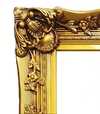
H24-GOLD €30
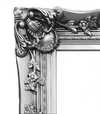
H24-SILVER €30
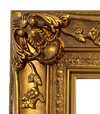
H36-GOLD €70
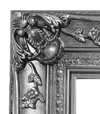
H36-SILVER €70
Dodávané v ochrannom tubuse, pripravené na vlastné orezanie a paspartu u vášho kaderníka.
Dodatkové služby
voliteľnéČo si všetko zahŕňajú extra položky?
Celosvetová doprava () do 2 týždňov namiesto štandardných 4 až 5 týždňov. (25 december)
Pri výbere ekonomického tlaku na poly-plátno nie je možné si vybrať urgentnú výrobu ani expresnú kuriérnu dopravu, keďže tovar sa doručuje klasickou poštou.
Ochranný lak
Popisné označenie
Detaily vygravírovaného bronzového pláka
Táto elegantná plătená tabuľka obsahuje meno umelca a názov diela, jemne vyryté pre nadčasovú prezentáciu.
Je vyrobená z bronzu s rafinovanou, elegantnou povrchovou úpravou. Text je presne laserovo gravírovaný, čo zaručuje ostrý a trvalý výsledok. S rozmermi 9x2 cm je táto plătenka kompaktná, no zároveň ľahko čitateľná. Je vyrobená tak, aby bola odolná a odolná proti poškriabaniu, čo dodáva jej profesionálny vzhľad v muzeálnej kvalite. Montáž je jednoduchá vďaka priloženej lepiacej zadnej strane.
Detaily transparentnej akrylovej plăty
Tabuľka obsahuje dôležité gravírované detaily, ako je meno umelca, názov diela, dátum vytvorenia, použitá technika – napríklad olej na plátne alebo akvarel –, krátky popis diela a QR kód, ktorý odkazuje na kompletné informácie o umelovskom diele.
Je vyrobená z čistého akrylu, ktorý dodáva celku elegantný a moderný vzhľad. Text je gravírovaný čiernou UV technológiou, čím sa dosiava vysoký vizuálny kontrast. Vďaka rozmerom 10x15 cm zaručuje optimálnu čitateľnosť. Súčasťou sú dve kovové uchylovačky pre bezpečnú montáž na stenu. Tabuľka je navrhnutá ako odolná voči pôsobeniu vonkajších vplyvov, čo ju robí vhodnou pre rôzne prostredia, a obsahuje interaktívne funkcie, ktoré plynule spolupracujú so skenovaním smartfónom.
Detaily čiernej akrylovej plăty
Táto elegantná plătenka obsahuje gravírované informácie, ako je meno umelca, názov diela, dátum vytvorenia, použitá technika (napr. olej na plátne alebo akvarel), krátky popis diela a QR kód pre rýchly prístup k ďalším informáciám.
Samotná plătečka je vyrobená z prémiového čierneho akrylu s elegantnou povrchovou úpravou. Text je laserovo gravírovaný bielou farbou, čo zabezpečuje vysoký kontrast a výbornú čitateľnosť. Rozmery 10x15 cm zaisťujú prehľadnosť a jasný vzhľad. Súčasťou balenia sú dve kovové uchylovačky pre profesionálnu montáž. Dizajn je minimalistický a hodí sa do každého interiéru. Plátečka je zároveň odolná voči nepriaznivým vplyvom počasia a je vybavená digitálnou integráciou pre kompatibilitu s mobilnými zariadeniami.
Možnosť skla je dostupná len pri rozmeroch pod 110 cm
 Možnosť skla je dostupná len pri rozmeroch pod 110 cm
- Bezplatné celosvetové doručenie za 3 až 4 týždne
- Vysokokvalitné lnianske plátno
- Kompletné poistenie prepravy
- Záruka vrátenia colného poplatku
- Záruka presného farebného zhodnutia
- 100 dní na vrátenie tovaru, záruka vrátenia peňazí
- 100% záruka vrátenia peňazí
- Zľava pri väčšom množstve


Found: Max Klinger a chvíľa v štýle Symbolism
Two figures kneel in despair beneath a suspended form in this dramatic monochromatic etching filled with dense, swirling cross-hatching.
Max Klinger: biografia
Jeho Parfráza o nálezení rukavice bola inšpirovaná snom: skúste, ako sa rukavica objavuje na každej táže grafike.
O umelenckom diele
The Artwork Found by Max Klinger
In the quiet tension of Found, the viewer encounters a scene of profound emotional distress. Max Klinger, born in 1857 in Leipzig, Germany, presents a vision that feels caught in a moment of sudden, sharp anguish. The composition draws the eye upward through a pyramidal arrangement, where two figures kneel in supplication at the base. Above them, a third figure remains suspended on a rigid rectangular plane, creating a sense of unsettling verticality. The atmosphere is heavy with a feeling of helplessness, as if the figures are trapped within a swirling chaos of lines that refuse to settle.
The imagery suggests a narrative of torment or judgment, though the exact nature of the suffering remains a mystery. Shadows and highlights dance across the forms, emphasizing the intensity of the facial expressions and the physical strain of the subjects. There is a palpable sense of unease in the way the figures interact with the space around them. The scene does not offer the comfort of a clear light source, leaving the viewer to navigate the deep shadows and the turbulent, textured background that seems to pulse with internal turmoil.
Composition and Visual Elements
A heavy, pyramidal structure dictates the movement of the scene, pulling the eye upward through a tense arrangement of forms. At the base, two figures kneel in a state of supplication, their bodies anchoring the bottom of the triangle. Above them, a third figure remains suspended on a rigid, rectangular plane, creating a jarring contrast between the organic curves of the human forms and the unyielding geometry of the platform. This vertical tension holds the viewer in a state of suspended animation, caught between the grounded suffering below and the hovering presence above.
The background refuses to remain still. Dense, swirling lines churn through the space, suggesting a world in a state of constant, chaotic turmoil. These lines wrap around the figures, blurring the distinction between the subjects and the atmosphere surrounding them. Light and shadow dance unevenly across the scene, with deep, heavy blacks clashing against pale highlights to emphasize the emotional weight of the figures. The perspective feels strangely flattened, yet the layering of these dark, textured shapes creates a sense of depth that pulls the viewer into the center of the struggle.
Technique and Artistic Materials
The scene emerges from a monochromatic world, where every shadow and highlight relies on a careful dance of gray tones. This is the result of a meticulous printmaking process, likely an etching or an engraving. One can almost feel the physical resistance of the metal plate as the artist uses sharp etching needles to incise deep, deliberate lines into the surface. These marks do not merely outline forms; they build a dense, textured landscape through heavy cross-hatching that catches the light and holds the darkness in place.
The materials used in this creation speak to a tactile, hands-on labor. A metal plate, perhaps zinc or copper, receives the initial wounding of the needle, creating the channels that will eventually hold the ink. Once the incised lines are ready, ink is pressed into these grooves, transferring the soul of the plate onto paper. This method allows for a staggering level of detail, where the swirling, chaotic lines of the background and the sharp, angular contours of the figures emerge from the interplay of ink and fiber.
Style and Artistic Movement
The work breathes with the heavy, restless energy of late 19th-century Expressionism. Every line seems to vibrate with an internal tension, pushing beyond mere representation to capture a raw, psychological state. This approach finds a striking kinship with the visual language of Edvard Munch, where the external world bends and twists to mirror the turbulence of the human spirit. The figures do not simply exist in space; they appear caught in a moment of profound emotional upheaval, their forms shaped by the weight of what they feel rather than the strict rules of anatomy.
At its core, the piece is deeply rooted in the Symbolist movement. It moves away from the literalism of the natural world to explore the shadowy, subjective realms of the subconscious. Rather than depicting a clear, objective reality, the imagery functions through a language of signs and metaphors that point toward deeper, unseen truths. The atmosphere is thick with the sense of a dream or a nightmare, where the boundaries between the physical self and the internal psyche begin to dissolve into a swirl of dark, textured lines.
Emotional and Symbolic Themes
Anguish and fear pulse through the scene, casting a heavy shadow over the figures. A profound sense of desperation grips the viewer as the subject matter unfolds, depicting a moment of intense emotional distress and torment. The two kneeling figures at the base of the composition seem trapped in a state of supplication, their bodies conveying a deep-seated helplessness. Above them, a third figure remains suspended on a rigid rectangular plane, watching the suffering below. This triangular arrangement creates a palpable tension, suggesting a heavy power dynamic or the weight of an inevitable judgment.
Chaos swirls in the background, where dense, agitated lines churn like a storm. These movements suggest a state of inner turmoil or perhaps the presence of overwhelming external forces acting upon the souls depicted. The darkness and light do not merely define form; they heighten the psychological weight of the moment. Every line contributes to an atmosphere of unease, as if the very air around the figures is thick with their collective despair. The struggle feels immediate, caught in a perpetual state of spiritual or emotional crisis.
Related Works by Max Klinger
The shadows of the artist's imagination stretch into other graphic cycles, where the boundaries between reality and the subconscious continue to blur. In the series Paraphrase on the Finding of a Glove, a single lost object transforms into a potent fetish, triggering a sequence of dreamlike visions and unsettling encounters. This narrative exploration of desire and loss finds a musical counterpart in the Brahms Fantasies from 1894, where the artist translates the spirit of composition into visual form. These works reveal a mind preoccupied with the hidden currents of human longing and the irrational forces that govern our inner lives.
Other explorations move through the realms of myth and movement. The artist's hand traces the tension found in The Rape of Prometheus and the rhythmic energy of Preparation for the dance. Each piece acts as a window into a world where the physical and the psychological are inseparable. Whether through the meticulous lines of an etching or the heavy presence of a sculpture, the artist's vision remains fixed on the tension between the seen world and the unseen impulses that drive it.
Otázky a odpovede
Je táto reprodukcia diela Found ručne maľovaná alebo vytlačená?
Tlač: Found je reprodukovaná ako giclée tlač na bavlnenom plátne alebo na archívnom papierovom plátne značky Epson.
Akú veľkosť si mám vybrať pre Found?
Veľkosti sa pohybujú od 36.3 x 27.5 cm (€45) až po 248.4 x 188.4 cm (€405); v tabuľke na tejto stránke sú uvedené hlavné formáty a ich ceny.
Koľko trvá doručenie?
Plátno rolované v tubuse je doručované bezplatne klasickou poštou a dorastie do 3 až 4 týždňov; plátno na napnutom rámosi alebo v rámci rámca sa doručuje 4 až 5 týždňov. Express kuriérske doručenie je možné len v prípade zvolenia niekedy zaplatenej možnosti Express Delivery ponúkanej na tejto stránke. Produkt môžete vrátiť do 100 dní s plnou náhradou peňazí a bez akýchkoľvek podmienok.
Akú techniku použil/a Max Klinger pre dielo Found?
Etching
Rýchle fakty a umelecký kvíz
O umelcovite Max Klinger

Max Klinger
1857 - 1920, Nemecko
O umelci Max Klinger: život, diela a biografia
Rýchle fakty o umelcovi Max Klinger
- Artistic Movement Or Style: Symbolizmus
- Artists Or Movements Influenced By This Artist: ['Expressionizmus']
- Artists Who Influenced This Artist:
- Menzel
- Goya
- Date Of Birth: 1857
- Date Of Death: 1920
- Full Name: Max Klinger
- Nationality: Nemecký
- Notable Artworks:
- Paraphrase...
- Beethov.
- Bull
- Place Of Birth: Leipzig, Nemecko
Preskúmajte umelecká diela usporiadané podľa tém, štýlov a charakteristík.


Max Klinger
Found
() ·
Včetně rámov: ·
Celkom