

 Zobraziť v interiéri
 Odoslať
 Zdieľať
 Podrobnosti
 Príručka

 Stiahnuť
 Podobné položky
 RTG skúška
 Prehliadanie diapo\]
 Štatistiky
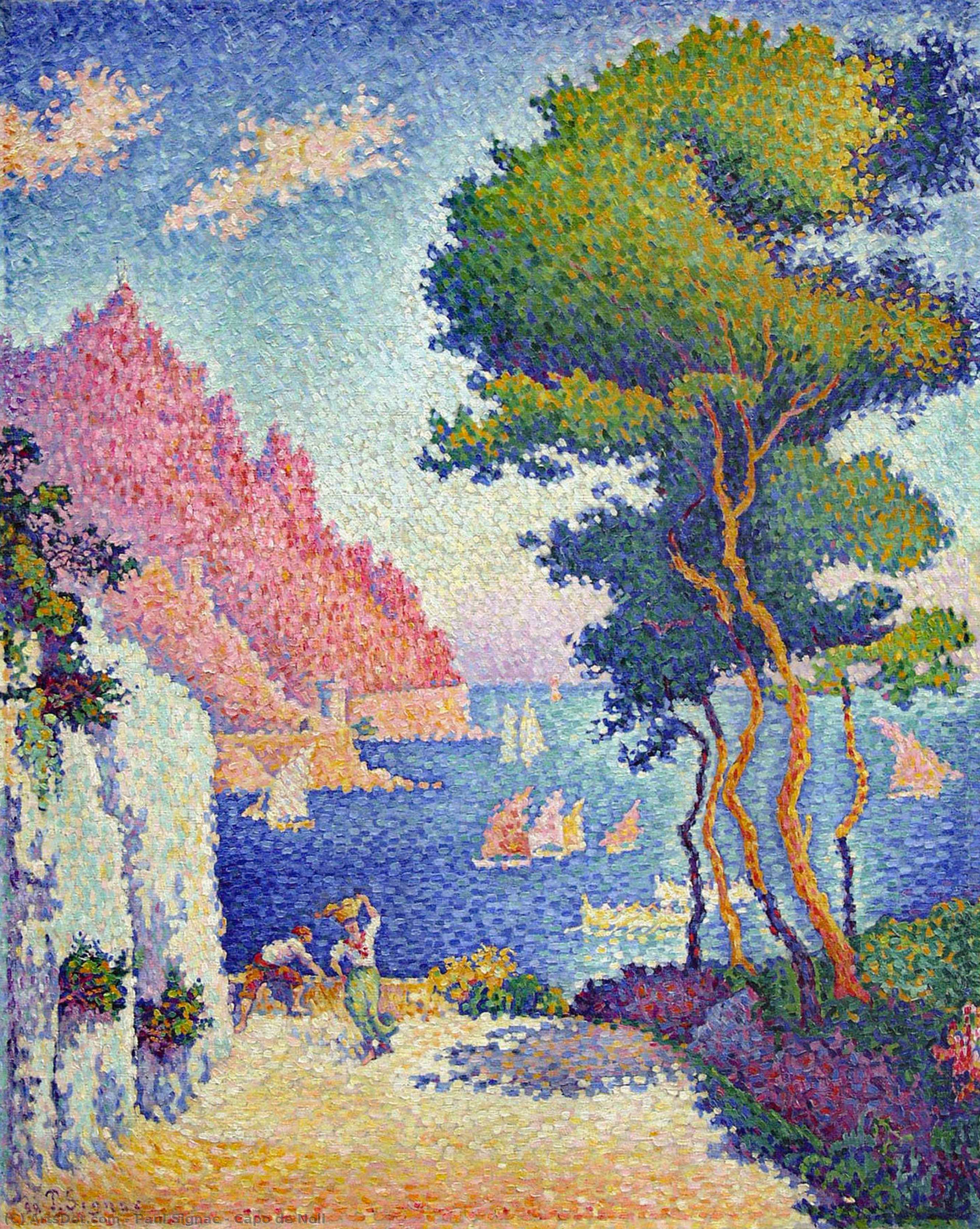
Capo de Noli


Paul Signac’s ‘Capo di Noli,’ a stunning Neo-Impressionist masterpiece from 1898, captures coastal serenity through its revolutionary Pointillism technique. Explore the luminous beauty of this iconic artwork and bring it into your collection.
 Prečítať si viac
Paul Signac (1863-1935) bol francúzsky maliar, známy svojimi neo-impressionistickými prácami a technikou pointillizmu. Jeho diela zobrazujú krásu pobrežia a portov s dôrazom na farby a svetlo.
Giclée / Umenotlač
Giclée tlač alebo plátno múzeálnej kvality s rýchlou výrobou a rôznymi možnosťami povrchovej úpravy. ( Objednať ručne maľovanú reprodukciu Prepnúť na digitálnu verziu obrazu)




P118B €10

P118H €10

P118W €10

P438Z €10

P508JH €12

P508YH €12

P805H €10

P805Z €10

P919BZ €10

P919G €10

P919XJ €10

P959ZH €10

P968JZ €12

W106C €8

W218G €10

W218JH €8

W218Y €10

W307PJ €10

W316G €10

W316PJ €8

W316Y €10

W398PJ €8

W4111J €10

W500HY €15

W500JH €15

W692G €12

W849H €8

W940BG €15

W953PJ €8




Štandardné rozmery
na mieru
CM
INCH
Vyberte si z našich preddefinovaných rozmerov, ktoré zodpovedajú pôvodným pomeroḿ diela.
Loading sizes...

šírka
výška
Zadajte šírku a výšku, ktoré potrebujete, aby sa reprodukcia hodila k vášmu rámu alebo stene. Print možno len orezávať, nikdy však nemennú veľkosť zvětšiť oproti pôvodnému obrázku, preto pri inom formáte stráca časť obrazu. Pred samotným vytlačiacím procesom vám pošleme digitálny náhľad na schválenie. Obrázok zobrazený na tejto stránke nezobrazuje reálny rez — len digitálny náhľad ukazuje presný výsledok.
Celosvetová doprava () do 2 týždňov namiesto štandardných 4 až 5 týždňov. (26 október)

Bezplatná expresná doprava po celom svete

Vysokokvalitné lnianske plátno

Úplné poistenie prepravy

Záruka vrátenia colného poplatku

Záruka presného farebného zhodnutia

100-dená politika vrátenia tovaru (iba pri vadách)

100% záruka vrátenia peňazí

Ponuka množstevnej zľavy
 Možnosť skla je dostupná len pri rozmeroch pod 110 cm

Capo de Noli
Giclée / Umenotlač
Veľkosť reprodukcie
-


Celková cena
€ 61
A Symphony of Light and Color: The Luminous Vision of Capo di Noli
In the pantheon of Neo-Impressionist masterpieces, few works capture the ethereal dance between science and soul quite like Paul Signac’s 1898 triumph, Capo di Noli. This breathtaking canvas is far more than a mere coastal landscape; it is a profound meditation on the Mediterranean spirit, rendered through a lens of meticulous optical precision. As the viewer’s gaze meets the sun-drenched shores of the Italian Riviera, they are immediately transported to a tranquil vista overlooking Genoa. The scene unfolds with a rhythmic grace, where a solitary woman wanders along a path lined with lush, vibrant vegetation, her silhouette poised against the expansive, shimmering blue of the sea. Small boats dot the water like scattered jewels, while the subtle presence of another figure and a resting dog adds a layer of pastoral intimacy, grounding the vastness of the horizon in a moment of quiet, everyday serenity.
To behold Capo di Noli is to witness the revolutionary power of Pointillism. Moving beyond the spontaneous, fleeting brushstrokes of his Impressionist predecessors, Signac embraced a more systematic and scientific approach to color. He utilized tiny, distinct dots of pure, unblended pigment—often employing complementary hues—that do not merge on the physical canvas but rather interact within the viewer's own eye. This technique, known as Divisionism, creates an unparalleled sense of luminosity; the light does not simply sit upon the surface of the painting but seems to radiate from within it. For the discerning collector or interior designer, this creates a dynamic visual experience where the artwork breathes with a life of its own, constantly shifting in intensity as one moves through the room.
Historical Resonance and Aesthetic Elegance
The historical significance of this work lies in Signac’s role as a pioneer who bridged the gap between the sensory freedom of Monet and the structured modernism of the twentieth century. Painted during a period of intense fascination with optical physics, Capo di Noli embodies the artist's desire to push the boundaries of color to their absolute extreme. Every dot of paint was a deliberate choice, a calculated step toward capturing the true essence of light as it strikes the Mediterranean coast. This dedication to accuracy and atmosphere makes the piece a cornerstone of art history, representing a moment when the artist became an explorer of both nature and the mechanics of human perception.
For those seeking to infuse a space with sophistication and calm, this painting offers an unparalleled emotional impact. Its palette—a harmonious blend of azure, emerald, and sun-kissed earth tones—evokes a sense of timelessness and peace. Whether placed in a grand gallery setting or as a focal point in a contemporary living space, a high-quality reproduction of Capo di Noli serves as a window to another world. It invites contemplation, offering a sanctuary of color and light that can transform the atmosphere of any interior, turning a room into a curated experience of beauty and historical depth.
Otázky a odpovede
Koľko rokov mal/a Paul Signac, keď vzniklo dielo „Capo de Noli"?
Paul Signac mal 35 rokov, keď v roku 1898 vytvoril/a dielo „Capo de Noli“. Vek bol vypočítaný na základe roku narodenia umelca, 1863.
Čo zobrazuje „Capo de Noli“ od Paul Signac a akú náladu vyvoláva?
„Capo de Noli“ od Paul Signac spája italian riviera, coastal landscape, mediterranean sea, color texture, pointillism technique, impressionistic influence, seaside scene s Serene atmosférou.
Umožňuje autorské právo k dielu „Capo de Noli“ od Paul Signac jeho reprodukovanie?
Autorské právo k dielu „Capo de Noli“ od Paul Signac je jasné: toto dielo patrí do v verejnom vlastníctve – autorské práva vypršali. Jeho prítomnosť v múzeu Wallraf-Richartz-Museum tento stav nemení.
Súvisiace diela




Biografia umelca
The Harmonious Vision of Paul Signac
Paul Victor Jules Signac, narodený v Paríži v roku 1863, sa stal nesmierne dôležitou figúrou v evolúcii moderného umenia, neodmysliteľne spojený s počiatkom a vývojom Neo-Impressionizmu. Počas detstva bol priťahovaný architektúrou, no jeho zážitok z výstavného prehliadky Claude Moneta ho hlboko oslovil a viedol k vášňi pre maľbu, ktorá definovala jeho životný smer – premenu farieb, teoretické rozpracovanie vizuálneho vnímania a celkovo nový pohľad na umenie. Signac nebol len maliar, ale aj zanietený skúmač svetla, farieb a základných princípov, ktoré ležia v základe videnia. Jeho skoré diela, hoci vykazovali prvky impresionizmu, rýchlo sa vyvíjali pod hlbokým vplyvom Georgea Seurata, čím vznikol partnerstvo, ktoré prinieslo Pointillizmus – techniku charakterizovanú drobnými, jasnými bodkami čistých farieb, určenými na optické miešanie v očiach pozorovateľa. To však nebolo len o estetike; išlo o snahu systematizovať maľbu, zakoreniť ju v vedeckých princípoch a zpochopit tradičné umelecké normy.A Dialogue with Seurat and the Birth of Neo-Impressionism
Zážitok z stretnutia Signaca s Seuratom v roku 1884 bol pre oboch umelcov transformačný. Spoločnou im bola fascinácia textami Eugéna Delacroixa o teórii farieb, najmä jeho skúmaním komplementárnych kontrastov a emocionálneho dopadu odtieňov. Spoločne sa venovali hlbokému výskumu týchto princípov, čo viedlo k vytvoreniu revolučnej maľbárskej techniky. Signac plne prejal Seuratovu viziť, opustil plytké štetinové čiary impresionizmu a vrhol sa na presné, spočítanú aplikáciu bodiek farby. *Boulevard de Clichy* (1886) je skorý dôkaz tejto novej stratégie, ktorý ukazuje Signacov precízny štýl a jeho záväzok k zachytávaniu živosti urbánskeho života prostredníctvom vedeckého prístupu. Ich spolupráca však nebola len technická; bola aj intelektuálna, založená na spoločnom želaní zdvihnúť maľbu na úroveň rigoróznej nauky. Signac sa stal oddaným propagátorom Seuratových myšlienok, neustále obhajoval Neo-Impressionizmus a jeho princípy proti kritike. Tragická skoré smrť Seurata v roku 1891 zanechala Signaca ako hlavného štylistu ich spoločnej umeleckej vizi – rolu, ktorú s neochabovanou oddanosťou prijímal.Coastal Reveries and Artistic Independence
Po Smrti Seurata sa Signacova umelcká cesta vyvíjala novým smerom, hlboko ovplyvnená jeho hlbokou láskou k plavaniu a očarujúcou krásou Stredozemného mora. V roku 1892 objavil Saint-Tropez, kde si prenajal a neskôr kúpil vilu *La Hune*, ktorá sa stala útočiskom pre umelcov a zdrojom nekonekej inspirácie. Súmerné vody, slnečné prístavy a malebné pobrežie poskytli ideálne prostredie na skúmanie interakcie svetla a farieb. *The Red Buoy, Saint-Tropez* (1895) je toho príkladom, ktorý ukazuje jeho zručnosť v Pointillizme pri zachytávaní živých tónov a dynamiky mora. Jeho technika sa vyvíjala, stala sa voľnejšou a expresívnejšou, pričom si však uchovávala vedeckú základňu. Začal experimentovať s väčšími štetinami aším rozsiahlejšou paletou, prechádzajúc za hranice striktného dodržiavania Seuratovho presného metódy bodkovania. Signac cestoval aj mimo Francúzska, kde navštívil Taliansko, Holandsko a dokonca Konstantinopol, každá cesta obohatila jeho umelecký slovník a rozšírila jeho perspektívu.A Patron of the Avant-Garde and Lasting Legacy
Okrem vlastných umelckých úsilí Signac zohrával kľúčovú úlohu v podpore rozvoja moderného umenia prostredníctvom svojej líderskej pozície v spoločnosti *Société des Artistes Indépendants*. Ako prezident od roku 1908 až do svojej smrti v roku 1935, podporoval umeleckú slobodu a poskytol platformu pre vzostupujúce talenty, vrátane Henriho Matissa, Andréa Deraina a ďalších pionierov Fauvismu a Kubizmu. Bol jedným z prvých, ktorí si všimli a podpoili ich inovatívne diela. Jeho teoretické eseje, najmä *From Eugène Delacroix to Neo-Impressionism* (1899), ďalej upevňovali jeho postoj ako vedúceho intelektuála v umeleckom svete.Key Dates & Achievements
- 1863: Narodenie v Paríži, Francúzsko
- 1884: Spoločne s Georgeom Seuratom založili *Société des Artistes Indépendants*
- 1886: Vytvoril *Boulevard de Clichy*, kľúčový príklad skorého Pointillizmu
- 1895: Stvoril *The Red Buoy, Saint-Tropez*, ktorý ukazuje jeho zručnosť v zachytávaní poberežných scenérií
- 1899: Publikoval *From Eugène Delacroix to Neo-Impressionism*, kľúčovú esej o teórii farieb
- 1908 – 1935: Zastával postavenie prezidenta *Société des Artistes Indépendants*, podporujúc avantgardných umelcov
- 1935: Smrť v Paríži vo veku 72 rokov, zanechávajúc bohaté umelecké dielo

Paul Signac
1863 - 1935 , Francúzsko
Rýchle fakty
- Artistic Movement Or Style: Neo-Impressionizmus, Divisionizmus
- Artists Or Movements Influenced By This Artist:
- Henri Matisse
- Fauvism
- Artists Who Influenced This Artist:
- Claude Monet
- Georges Seurat
- Date Of Birth: 1863-11-11
- Date Of Death: 1935-08-15
- Full Name: Paul Victor Jules Signac
- Nationality: Francúzsky
- Notable Artworks:
- Boulevard de Clichy
- The Red Buoy
- La Valleuse
- Place Of Birth: Paríž, Francúzsko
Súvisiace články

Capturing the Drama: How Impressionist Light and Shadow Transform Your Living Space
Discover how the luminous light and dramatic shadows of Impressionist masterpieces can transform your home. Explore expert insights on using Renoir, Monet, and Cézanne to create a serene, culturally rich sanctuary through museum-quality, hand-painted oil reproductions.

Capturing the Light of Amsterdam: A Journey Through Impressionist Masterpieces of the Dutch Canals
Embark on a visual journey through the luminous Amsterdam canals. Discover how Impressionist masters captured the fleeting light of the Dutch landscape through evocative brushwork and color. Explore the timeless beauty of these masterpieces for your private art collection.

Capturing the Soul: The Ethereal Magic and Timeless Technique of Impressionist Portraiture
Discover the ethereal beauty of Impressionist portraiture. Explore how masters like Monet and Renoir captured light and soul through brushwork, and learn how to bring this timeless magic into your home with exquisite, hand-painted oil reproductions from TopImpressionists.com.

Dining Room Elegance: Transforming Your Space with Impressionist Masterpieces
Elevate your dining room with the luminous beauty of Impressionist masterpieces. Discover how hand-painted Claude Monet and Renoir reproductions can transform your space into a sanctuary of light, color, and timeless elegance for your home.
Preskúmajte umelecká diela usporiadané podľa tém, štýlov a charakteristík.


