


 Zobraziť v interiéri
 Odoslať
 Zdieľať
 Podrobnosti
 Príručkovo

 Stiahnuť
 Podobné položky
 RTG skúška
 Prehliadanie diapo\]
 Štatistiky
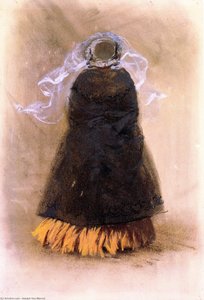
Lady in a Veil


Captivating portrait by Theo van Rysselberghe (1886). 'Lady in a Veil' showcases Post-Impressionism with mystery, elegance & rich textures at Kunsthalle Bremen.
 Prečítať si viac
Théo van Rysselberghe – belgický impresionista a neo-impresionista, známy svojimi jasnými farbami, krajinami a portrétmi. Jeho diela odrážajú lásku k svetlu a inšpiráciu z Moroka.
Ručne maľovaná olejová reprodukcia
Ručne maľovaný olej na plátne vo vašej zvolenej veľkosti a v ráme, vyrobený na mieru našimi umelcami. ( Prepnúť na tlač Prepnúť na digitálnu verziu obrazu)




P118B $10

P118H $10

P118W $10

P438Z $10

P508JH $12

P508YH $12

P805H $10

P805Z $10

P919BZ $10

P919G $10

P919XJ $10

P959ZH $10

P968JZ $12

W106C $8

W218G $10

W218JH $8

W218Y $10

W307PJ $10

W316G $10

W316PJ $8

W316Y $10

W398PJ $8

W4111J $10

W500HY $15

W500JH $15

W692G $12

W849H $8

W940BG $15

W953PJ $8




Štandardné rozmery
na mieru
CM
INCH
Vyberte si z našich preddefinovaných rozmerov, ktoré zodpovedajú pôvodným pomeroḿ diela.
Loading sizes...

šírka
výška
Môžete zadať vlastné rozmery tak, aby sa hodili do konkrétneho rámu alebo priestoru. Ak sa váš zvolený rozmer nezhoduje s pôvodnými proporciami obrazu, dielo buď orezáme, alebo ho doplníme ručne maľovanými prvkami. Pred začiatkom výroby vám zašleme digitálny náhľad na schválenie.
Upozorňujeme, že ukážka na obrazovke neodráža skutočné orezanie ani doplnenie. Skutočnú finálnu kompozíciu zobrazuje iba digitálny náhľad.
Hoci sú k dispozícii vlastné rozmery, odporúčame vybrať rozmer z preddefinovaného zoznamu, aby sme zachovali pôvodné proporcie.
Príklady možných zmien: nahradiť tvár fotografiou zákazníka; pridať domáce zviera (napr. nahradiť mačku psom); vložiť skryté posolstvo do pozadia; zmeniť krajinu alebo prvky pozadia.
Po odoslaní objednávky vám tím TopImpressionists.com pošle e-mail s pokynmi a poskytne náhľad na návrh
Po odoslaní objednávky vám tím TopImpressionists.com pošle e-mail s pokynmi a poskytne náhľad na návrh
Celosvetová doprava () za 3 až 4 týždne namiesto štandardných 5 týždňov. (23 september). Bez kompromisov v kvalite.

Bezplatná expresná doprava po celom svete

Vysokokvalitné lnianske plátno

Úplné poistenie prepravy

Záruka vrátenia colného poplatku

Záruka presného farebného zhodnutia

100-dená politika vrátenia tovaru (iba pri vadách)

100% záruka vrátenia peňazí

Ponuka množstevnej zľavy
 Možnosť skla je dostupná len pri rozmeroch pod 110 cm

Lady in a Veil
Spôsob reprodukcie
Veľkosť reprodukcie
-


Celková cena
$ 294
Lady in a Veil: A Glimpse of Post-Impressionist Elegance
The Lady in a Veil is a captivating portrait painted by Theo Van Rysselberghe in 1886. This oil on canvas masterpiece currently resides at the Kunsthalle Bremen in Germany. The painting showcases a woman wearing a hat with a veil over her face, exuding an air of mystery and elegance. It's more than just a likeness; it’s a study in light, color, and subtle emotion characteristic of the Post-Impressionist movement.
Post-Impressionist Style and Technique
The Lady in a Veil exemplifies Post-Impressionism, an art movement that emerged as a reaction against the naturalistic depiction of light and color. This style, roughly between 1886 and 1905, emphasizes distortion, exaggeration, and primitivism. Van Rysselberghe’s approach moves beyond simply capturing what he saw; he uses color and brushwork to convey mood and atmosphere. Notice the loose, visible brushstrokes that create a sense of movement and vibrancy. The layering of colors—warm browns, ochres, and reds—contributes to an intimate yet somewhat melancholic feeling. The technique isn't about precise detail but rather about capturing a fleeting impression.
A World Within the Frame: Objects and Symbolism
Beyond the central figure, the painting incorporates several objects that enrich its narrative depth. A clock on the wall above the woman’s head suggests the passage of time and perhaps a sense of reflection. Two bowls nearby add to the domestic setting, hinting at everyday life. The book positioned towards the right implies intellectual pursuits or quiet contemplation. The veil itself is symbolic—it obscures part of her face, creating an aura of mystery and suggesting hidden depths. It could represent modesty, privacy, or even a sense of detachment from the world.
Comparison with Contemporaries
Van Rysselberghe’s work shares affinities with other prominent Post-Impressionist artists. Consider Vincent Van Gogh's L'Arlesienne, Madame Joseph-Michel Ginoux and Paul Gauguin's The Meal (The Bananas). While each artist developed a unique style, they all explored similar themes of emotion, subjectivity, and the expressive potential of color. Van Rysselberghe’s approach is perhaps more restrained than Van Gogh’s or Gauguin’s, but his mastery of light and subtle detail creates an equally compelling visual experience.
Emotional Impact and Lasting Appeal
The Lady in a Veil evokes a sense of quiet introspection. The woman's gaze is averted, inviting the viewer to project their own interpretations onto her expression. The painting’s enduring appeal lies in its ability to capture a moment of stillness and contemplation, offering a glimpse into the inner world of its subject. It serves as a testament to Van Rysselberghe’s skill as a portraitist and his contribution to the Post-Impressionist movement.
Súvisiace diela




Biografia umelca
Théo van Rysselberghe: A Pioneer of Light
Théophile “Théo” van Rysselberghe, narodený v Gente v Belgicku v roku 1862 a zomrelý v Saint-Clair v Francúzsku v roku 1926, bol nesmierne významný belgický maliar a grafik. Jeho dielo je fascinujúca prechodná figúrka medzi impresionizmom a neo-impresionizmom – umelec, ktorý sa neustále hnal za zachytávaním esencia svetla a farieb, a ktorého cesta bola plná cestovania, intelektuálneho stretania a neúnavného hľadania. Pochádzajúci z dobre situovanej francúzsky-hovoriacej rodiny, van Rysselberghe získal svoj prvý umelecký vzdelanie na Gentskej akadémii umenia pod vedením Thea Canneela, následované štúdiami na prestížnej Kráľovskej akadémii krásnych umení v Bruseli. Tieto formujúce roky mu poskytli základy v tradičnom realizme, čo je evidentné v jeho skorých dielach, ako napríklad *Sebejavení s fajkou* (1880), charakterizovaných temnými tónmi a precíznym detailom – odrazom platnej umeleckej atmosféry v Belgicku. Aj napriek týmto prvým náznakom rozvíjajúcej sa citlivosti na svetlo a farby, predznačujúcich jeho budúcu líniu, sa v týchto skorých dielach objavujú jemné odchýlky, ktoré naznačujú jasnejšiu paletu a voľnejšie štetcové pohyby – prvky, ktoré definovali jeho neskorší štýl.Moroccan Impressions and the Birth of Les XX
Transformačnou chvíľou v jeho živote bola cesta do Maroka medzi rokmi 1882 a 1888. Tieto rozsiahle pobyty ho vtiahol do sveta bohatých farieb, intenzívneho slnečného žiarenia a exotických krajín – výrazný kontrast k tlmeným tónom jeho skorších diel. Maľby ako *Arabský obchodník s kožiermi* (1882), *Arabský chlapec* (1882) a *Odpočívajúci strážca* (1883) demonštrujú rastúci záujem o zachytávanie účinkov svetla na forme, odchádzajúc od striktného realizmu kím impresionistickej zmysluplnosti. Marocká skúsenosť však nebola len vizuálnou pozornosťou; bola to ponorenie do inej kultúry, ktoré rozšírilo jeho umelecké obzory a navždy zakorenilo lásku k cestovaniu. Po návrate do Bruselu sa van Rysselberghe stal hnacou silou belgického umelného prostredia, kde spoluzaložil v roku 1883 vplyvnú skupinu *Les XX* (The Twenty) – spoločenstvo intelektuálov, ktoré sa snažilo prebudiť umenie a kultúru. Les XX bol proti akademizmu a tradičným naučeným postupom. Medzi jeho členov patrili okrem iných aj Paul Signac, Auguste Rodin či John Singer Sargent. Van Rysselberghe v skupine zohrával kľúčovú úlohu pri organizácii výstav, cestoval po Európe na prezrievanie diel najnovších umelcov a vymieňal si myšlienky.Embracing Neo-Impressionism: A Scientific Approach to Color
Skutočnou obratnou bodkou v jeho umeleckom vývoji bola jeho stretnutie s Georgesom Seuratom a jeho *Nedelný popoludník na ostrove La Grande Jatte* (1884–86) na ôsmej impresionistickej výstave v Paríži v roku 1886. Počiatok skeptického postoja predtým, ako sa Seuratovi začal venovať systémový metód, van Rysselberghe postupne ocenil jeho vedecký základ a potenciál na dosiahnutie luminóznych efektov. Začínal experimentovať s divisionizmom – neo-impresionistickou metódou rozdeľovania farieb na ich jednotlivé zložky a umožnením, aby ju oko diváka spájalo opticky. Toto nebolo len technické posunutie; predstavovalo fundamentálnu zmenu v jeho prístupe k maľbe – prechod k analytickejšej a objektívnejšej reprezentácii svetla a farieb. Vytvoril si blízky priateľstvo s inými neo-impresionistickými maliármi, cestoval s nimi po francúzskej Riviere a vymieňal sa o myšlienky týkajúce sa techniky a teórie. Van Rysselberghe sa v tomto hnutí odlišoval tým, že používal divisionizmus nielen na krajiny, ale aj na portréty, čím vytváral výrazne jasné a psychologicky podrobné obrazy svojho rodinného kruhu – *Madame Charles Maus* (1890) je vynikajúcim príkladom.Beyond Pointillism: A Lasting Legacy
Aj keď bol dlhé obdobie oddaný neo-impresionizmu, van Rysselberghe sa v neskorších desaťročiach presunul za hranice jeho prísnych zásad. Hľadal väčšiu slobodu vo svojich štetcových pohyboch a kompozíciách. Pokračoval v práci v rôznych médiách, vrátane návrhov nábytku, ilustrácií kníh a dekoratívneho umenia. Jeho vplyv sa rozprestieral ďalej ako Belgicko, ovplyvňujúc maliarov ako Piet Mondrian a Jan Toorop, ktorí čerpali inšpiráciu z jeho inovácie vo využívaní farieb a svetla. Van Rysselbergheho dielo je oslavované nielen vďaka jeho krásnym maľbám, ale aj vďaka jeho úlohe ako katalyzátora umeleckej zmeny – šampióna moderny, ktorý zavádzal nové myšlienky a techniky do belgického umelného prostredia. Jeho diela sú dnes uložené v renomovaných múzeách po celom svete, vrátane Musée du Luxembourg v Paríži a Museum voor Schone Kunsten v Gente, čím zabezpečujú, že jeho prínos dejinám umenia bude oslavovaný a oceňovaný generáciami. *Jeho oddanosť skúmaniu interakcie medzi svetlom, farbami a formou zaistila mu miesto ako skutočného pioniera modernej maľby.*
Théo van Rysselberghe
1862 - 1926 , Belgie
Rýchle fakty
- Artistic Movement Or Style: Neo-Impressionizmus
- Artists Or Movements Influenced By This Artist:
- Piet Mondrian
- Jan Toorop
- Artists Who Influenced This Artist:
- Jean-François Portaels
- Georges Seurat
- Paul Signac
- Date Of Birth: 23. novembra 1862
- Date Of Death: 14. decembra 1926
- Full Name: Théophile van Rysselberghe
- Nationality: Belgický
- Notable Artworks:
- Arabian Phantasia
- Sevillan Žena
- Rodinný záhon
- Place Of Birth: Gent, Belgicko
Súvisiace články

Rembrandt van Rijn: Top 25 Majstrovských Diel pre Váš Domov | TopImpressionists
Ponorte sa do sveta Rembrandta van Rijna s TopImpressionists.com! Objavte 25 majstrovských diel holandského baroka, portrétov a ikonických obrazov plných svetla a tieňa. Kúpiť kvalitné reprodukcie pre váš interiér. Preskúmajte celú kolekciu online!

Za hranicami svetla a farby: Impresionizmus verzus Postimpresionizmus pre náročného zberateľa
Ponúkame hĺbkový pohľad na impresionizmus a postimpresionizmus pre náročných zberateľov umenia. Investičné rady, hodnotenie diel a tipy pre budovanie exkluzívnej zbierky.

Top 10 majstrovských diel postimpresionizmu: Umelci a obrazy, ktoré zmenili svet umenia
Objavte top 10 majstrovských diel postimpresionizmu od Van Gogha, Cézanna a ďalších. Prežite príbehy umelcov a ich ikonických obrazov. Reprodukcie múzejnej kvality pre váš interiér na TopImpressionists.com.

Beyond Impressionism: Exploring the Emotional Depth of Post-Impressionist Painting
Explore the profound emotional depth & innovative techniques of Post-Impressionism with TopImpressionists. Discover Cézanne, Van Gogh, Gauguin & more – and their lasting impact on modern art.

Théo van Rysselberghe: Pioneering Belgian Pointillism & the Pursuit of Luminosity
Explore the captivating world of Théo van Rysselberghe, a pioneer of Belgian Neo-Impressionism. Discover his masterpieces, artistic journey, and lasting impact on modern art. Learn more at TopImpressionists.
Preskúmajte umelecká diela usporiadané podľa tém, štýlov a charakteristík.

