


 Zobraziť v interiéri
 Odoslať
 Zdieľať
 Podrobnosti
 Príručka

 Stiahnuť
 Podobné položky
 RTG skúška
 Prehliadanie diapo\]
 Štatistiky
The Recitation


Explore 'The Recitation' by Thomas Wilmer Dewing – a melancholic Impressionist painting of two women in a serene landscape. Discover its layered texture & evocative mood.
 Prečítať si viac
Objavte očarujúce tonalistické obrazy Thomasa Wilmera Dewinga (1851-1938). Známý pre evokatívne portréty aristokratiek a zasnené scény, bol kľúčovou postavou amerického estetizmu a zakladajúcim členom skupiny The Ten.
Giclée / Umenotlač
Giclée tlač alebo plátno múzeálnej kvality s rýchlou výrobou a rôznymi možnosťami povrchovej úpravy. ( Objednať ručne maľovanú reprodukciu Prepnúť na digitálnu verziu obrazu)




P118B €10

P118H €10

P118W €10

P438Z €10

P508JH €12

P508YH €12

P805H €10

P805Z €10

P919BZ €10

P919G €10

P919XJ €10

P959ZH €10

P968JZ €12

W106C €8

W218G €10

W218JH €8

W218Y €10

W307PJ €10

W316G €10

W316PJ €8

W316Y €10

W398PJ €8

W4111J €10

W500HY €15

W500JH €15

W692G €12

W849H €8

W940BG €15

W953PJ €8




Štandardné rozmery
na mieru
CM
INCH
Vyberte si z našich preddefinovaných rozmerov, ktoré zodpovedajú pôvodným pomeroḿ diela.
Loading sizes...

šírka
výška
Zadajte šírku a výšku, ktoré potrebujete, aby sa reprodukcia hodila k vášmu rámu alebo stene. Print možno len orezávať, nikdy však nemennú veľkosť zvětšiť oproti pôvodnému obrázku, preto pri inom formáte stráca časť obrazu. Pred samotným vytlačiacím procesom vám pošleme digitálny náhľad na schválenie. Obrázok zobrazený na tejto stránke nezobrazuje reálny rez — len digitálny náhľad ukazuje presný výsledok.
Celosvetová doprava () do 2 týždňov namiesto štandardných 4 až 5 týždňov. (25 október)

Bezplatná expresná doprava po celom svete

Vysokokvalitné lnianske plátno

Úplné poistenie prepravy

Záruka vrátenia colného poplatku

Záruka presného farebného zhodnutia

100-dená politika vrátenia tovaru (iba pri vadách)

100% záruka vrátenia peňazí

Ponuka množstevnej zľavy
 Možnosť skla je dostupná len pri rozmeroch pod 110 cm

The Recitation
Giclée / Umenotlač
Veľkosť reprodukcie
-


Celková cena
€ 61
A Symphony of Silence: The Essence of The Recitation
In the quietude of Thomas Wilmer Dewing’s 1891 masterpiece, The Recitation, viewers are invited into a world where time seems to suspend itself. This quintessential example of Tonalist painting transcends a mere depiction of two women in an outdoor setting; it is a profound exploration of mood and atmosphere. The scene unfolds with a gentle, melancholic grace, presenting a woman dressed in black seated prominently in the foreground, while another figure stands slightly behind her, her gaze lost toward the distant horizon. There is a palpable sense of stillness here, an invitation to step away from the clamor of the modern world and enter a space of pure, uninterrupted contemplation.
The emotional weight of the piece is carried by Dewing’s masterful use of color and light. The palette is dominated by a harmonious range of muted greens—from delicate pale celadon to deeper, more somber olive shades. These tones do not merely decorate the landscape; they breathe life into the atmosphere, imbuing the environment with a serenity that is tinged with a subtle, haunting melancholy. The lighting is soft and diffused, casting a gentle glow across the figures without the intrusion of harsh shadows, which further enhances the dreamlike, ethereal quality of the moment.
Technique and the Tonalist Vision
To behold The Recitation is to witness the meticulous skill of an artist deeply rooted in the English Aesthetic tradition. Dewing employs a technique characterized by the layering of thin glazes of oil paint onto the canvas, a process that builds a rich texture and an incredible sense of depth. His brushwork, while appearing loose and expressive, serves a deliberate purpose: to capture the fleeting nuances of light and shadow that define the Tonalist style. This approach allows for a soft, organic blurring of shapes, where lines are not sharply delineated but rather emerge from the atmospheric haze.
This painterly method creates an illusionistic depth that feels remarkably immersive. The texture appears layered and complex, inviting the eye to wander through the lush greenery and settle upon the subtle gradations of color. For the collector or interior designer, this technique offers a sophisticated visual richness; the painting does not demand attention through jarring contrasts but rather commands it through a steady, captivating presence that complements a refined and tranquil interior space.
Symbolism and the Human Experience
Beyond its aesthetic beauty, The Recitation serves as a poignant meditation on solitude and the inner life. The posture of the seated woman—calm, yet deeply absorbed in her own thoughts—suggests a deliberate retreat from external distractions. There is a beautiful tension in the composition between the two figures; the distance between them can be interpreted as a symbol of emotional separation or perhaps an unfulfilled longing. As one figure gazes toward the unreachable horizon, the painting touches upon themes of introspection and the human desire to connect with something beyond the immediate present.
This work stands as a testament to the power of art to capture the intangible. It is a piece that speaks to the soul, offering a sense of peace and a reminder of the beauty found in quiet moments of reflection. Whether viewed as a historical triumph of the American Tonalist movement or as a timeless portrait of human emotion, The Recitation remains an evocative masterpiece, perfect for those who seek to surround themselves with art that inspires deep thought and emotional resonance.
Otázky a odpovede
Aké využitie a priestor sa odporúčajú pre „The Recitation“ od Thomas Wilmer Dewing?
Použitie (Accent) a priestor (Living Room) sú dve odporúčania uvedené pre „The Recitation“ od Thomas Wilmer Dewing.
Kde sa odporúča vystaviť obraz vo formáte Panoramic s názvom „The Recitation“?
Formát (Panoramic) a odporúčaný priestor (Living Room) sú dve informácie o umiestnení zaznamenané pre „The Recitation“ od Thomas Wilmer Dewing.
Aký je formát diela „The Recitation"]?
„The Recitation“ od Thomas Wilmer Dewing má formát Panoramic. Formát určuje pomer strán kompozície.
Súvisiace diela


Biografia umelca
Raný život a formovanie umelca
Thomas Wilmer Dewing, americký maliar narodený 4. mája 1851 v Bostone, Massachusetts, bol predstaviteľom jemnej elegancie a poetického impresionizmu. Jeho umelecká cesta sa začala skromne, ako učeň v litografickej dielni. Tento praktický základ mu poskytol cenné zručnosti v technike kresby a kompozície, ktoré neskôr využil pri štúdiu na prestížnej Académie Julian v Paríži od roku 1887. V parížskom umeleckom prostredí sa Dewing pod vedením Gustava Boulangera a Julesa Lefebvra ponoril do sveta klasickej tradície, no zároveň začal hľadať vlastný výraz, ktorý by odrážal jeho osobnú citlivosť.
Tonalizmus a estetická dokonalosť
Dewing sa stal významnou postavou tonalizmu – umeleckého smeru, ktorý vzišol z anglického estetického hnutia. Tonalisti kládli dôraz na atmosféru, jemné farebné prechody a evokáciu nálady skôr než na detailnú reprodukciu reality. Dewingove obrazy sa vyznačujú tlmenou paletou farieb, často dominujú sivé, hnedé a zlatisté odtiene, ktoré vytvárajú pocit zasnenej melanchólie. Jeho obľúbenými motívmi boli aristokratické ženy, zobrazené v intímnych interiéroch alebo zasnených záhradách. Neboli to portréty v tradičnom slova zmysle; Dewing sa snažil zachytiť vnútorný svet svojich modeliek, ich introspektívne momenty a éterickú krásu.
Významné diela a osobná múza
Medzi jeho najznámejšie práce patrí *Žena v čiernom: portrét Marie Oakey Dewing* (1887), olej na dreve, ktorý s hlbokou citlivosťou zobrazuje jeho manželku, talentovanú maliarku s rozsiahlym umeleckým vzdelaním. Tento obraz je nielen dokladom Dewingovho majstrovstva v portrétnej tvorbe, ale aj prejavom hlbokej lásky a obdivu k jeho partnerke. Ďalším ikonickým dielom je *Dáma v zlate* (1912), ktorá sa nachádza v Brooklynskom múzeu a predstavuje vrchol Dewingovej schopnosti zachytiť podstatnú krásu a eleganciu. Jeho kompozície často pripomínajú hudobné motívy, s postavami zahladenými do mäkkej atmosféry, akoby boli súčasťou symfónie farieb a svetla.
Pedagogická činnosť a umelecké združenia
Dewing nebol len samotársky maliar; aktívne sa zapájal do umeleckého života svojej doby. V roku 1898 bol jedným zo zakladateľov skupiny The Ten American Painters, ktorá predstavovala odklon od tradičných akademických noriem a hľadanie vlastného amerického výrazu. Okrem toho pôsobil ako pedagóg na Art Students League of New York, kde formoval nové generácie umelcov. Jeho spolupráca so Society of Landscape Painters, založenou v roku 1899, potvrdila jeho postavenie v tonalistickom hnutí a prispela k šíreniu tohto umeleckého smeru.
Dedičstvo a zbierky
Po roku 1920 Dewingova tvorba postupne upadala, no jeho dielo zostalo dôležitou súčasťou amerického umenia. Freer Gallery of Art pri Smithsonian Institution má vyhradenú miestnosť pre jeho obrazy, čo svedčí o jeho trvalom vplyve. Jeho diela si vážili aj významní zberatelia ako John Gellatly a Charles Lang Freer. Dnes sú Dewingove obrazy súčasťou prestížnych múzeí a súkromných zbierok po celom svete. Pozrieť si kolekciu Thomasa Wilmera Dewinga na TopImpressionists. Ďalšie informácie o Thomasovi Dewingovi nájdete na Wikipédii. Pre hlbší ponor do sveta tonalizmu navštívte Freer Gallery of Art pri Smithsonian Institution.
Kľúčové diela dostupné na reprodukciu v TopImpressionists:- The White Dress
- Woman in Black: Portrait of Maria Oakey Dewing
- Lady in Gold

Thomas Wilmer Dewing
1851 - 1938 , Spojené štáty americké
Rýchle fakty
- Artistic Movement Or Style: Tonalizmus, Estetizmus
- Artists Or Movements Influenced By This Artist: ['The Ten']
- Artists Who Influenced This Artist:
- Boulanger
- Lefebvre
- Whistler
- Date Of Birth: 4. máj 1851
- Date Of Death: 5. november 1938
- Full Name: Thomas Wilmer Dewing
- Nationality: Američan
- Notable Artworks (List Of Titles):
- Čierna dáma
- Zlatá dáma
- Letná noc
- Place Of Birth (City And Country): Boston, USA
Súvisiace články
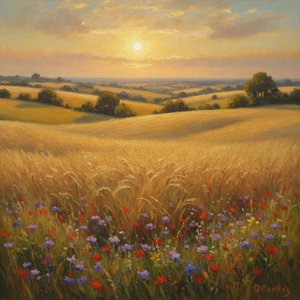
Golden Fields & Sun-Drenched Meadows: Capturing the Soul of Impressionist Landscapes
Immerse yourself in the luminous world of Impressionist landscapes. Discover how masters like Monet and Gauguin captured ephemeral light through plein air painting, and learn to bring the soul of sun-drenched meadows into your home with exquisite, hand-painted oil reproductions.

Capturing the Soul of Nature: A Journey Through the Sublime Majesty of American Romanticism
Explore the breathtaking beauty of American Romanticism. Discover how Hudson River School masters captured the sublime spirit of the wilderness through luminous oil landscapes and emotional depth. A journey into the soul of nature for the true art enthusiast.

Capturing the Soul: The Most Emotionally Moving Impressionist and Post-Impressionist Masterpieces
Discover the profound emotional depth of Impressionist and Post-Impressionist masterpieces. Explore how legends like Monet, Van Gogh, and Gauguin captured light and soul through evocative landscapes and vibrant brushwork for a timeless connection to art history.
Preskúmajte umelecká diela usporiadané podľa tém, štýlov a charakteristík.
