

 Zobraziť v interiéri
 Odoslať
 Zdieľať
 Podrobnosti
 Príručkovo

 Stiahnuť
 Podobné položky
 RTG skúška
 Prehliadanie diapo\]
 Štatistiky
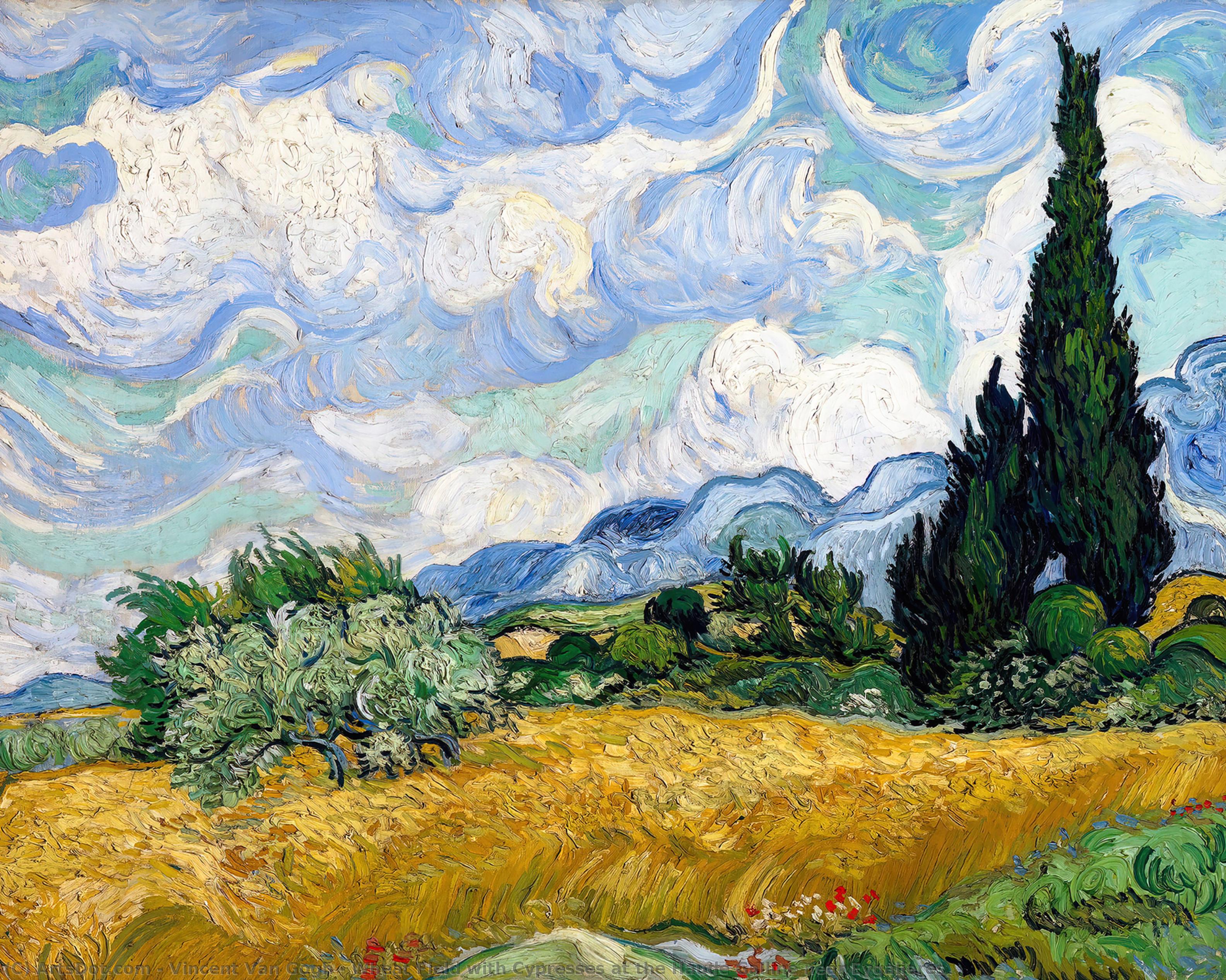
Pšeničné pole s cipresmi pri Haude Galline blízko Eygalieres
 Olej na plátne
- WallArt
- Postimpresionizmus
 1889
1889- 19. storočie
 73.0 x 93.0 cm
 Metropolitné múzeum umenia
Zažívte ikonu Van Gogha 'Pšeničné pole s cipresmi'! Tento živý postimpresionistický majstrovské dielo chytá intenzitu a emóciu prírody, čím ukazuje jeho jedinečný štyl a trvajúce dedičstvo.
 Prečítať si viac
Vincent van Gogh (1853-1890): Holandský expresionista, známy svojimi emotívnymi maľbami ako Hviezdičná noc a Kvetinové ruže. Jeho život bol plný bolesti, ale aj nevíriteľného umenia.
Giclée / Umenotlač
Giclée tlač alebo plátno múzeálnej kvality s rýchlou výrobou a rôznymi možnosťami povrchovej úpravy. ( Objednať ručne maľovanú reprodukciu Prepnúť na digitálnu verziu obrazu)




P118B $10

P118H $10

P118W $10

P438Z $10

P508JH $12

P508YH $12

P805H $10

P805Z $10

P919BZ $10

P919G $10

P919XJ $10

P959ZH $10

P968JZ $12

W106C $8

W218G $10

W218JH $8

W218Y $10

W307PJ $10

W316G $10

W316PJ $8

W316Y $10

W398PJ $8

W4111J $10

W500HY $15

W500JH $15

W692G $12

W849H $8

W940BG $15

W953PJ $8




Štandardné rozmery
na mieru
CM
INCH
Vyberte si z našich preddefinovaných rozmerov, ktoré zodpovedajú pôvodným pomeroḿ diela.
Loading sizes...

šírka
výška
Môžete zadať vlastné rozmery, aby sa reprodukcia prispôsobila konkrétnemu rámu alebo priestoru. Ak zvolená veľkosť nebude zodpovedať proporciám originálu, dielo buď orežeme, alebo obraz rozšírime pomocou zrkadlenia či farebného doplnenia okrajov. Pred začatím výroby vám pošleme digitálnu ukážku na schválenie.
Máte na vedomí, že náhľad na obrazovke neodzrkadľuje skutočné orezanie alebo rozšírenie. Len digitálna ukážka presne zobrazí finálnu kompozíciu.
Hoci sú k dispozícii vlastné rozmery, pre zachovanie pôvodných proporcií odporúčame vybrať si rozmer z vopred definovaného zoznamu.
Celosvetová doprava () do 2 týždňov namiesto štandardných 4 až 5 týždňov. (23 september)

Bezplatná expresná doprava po celom svete

Vysokokvalitné lnianske plátno

Úplné poistenie prepravy

Záruka vrátenia colného poplatku

Záruka presného farebného zhodnutia

100-dená politika vrátenia tovaru (iba pri vadách)

100% záruka vrátenia peňazí

Ponuka množstevnej zľavy
 Možnosť skla je dostupná len pri rozmeroch pod 110 cm

Pšeničné pole s cipresmi pri Haude Galline blízko Eygalieres
Giclée / Umenotlač
Veľkosť reprodukcie
-


Celková cena
$ 69
Symfónia cipresov a neba: „Obdĺžnikové pole s cipresmi pri Haude Galline blízko Eygalieres“ Van Gogha
„Obdĺžnikové pole s cipresmi pri Haude Galline blízko Eygalieres“ Vincenta van Gogha, namalované v roku 1889, nie je len krajînnosťou; je to intenzívne cítený zážitok uväznený na plátne. Toto kľúčové dielo z jeho vysoko produktívnej doby vo francúzskom juží reprezentuje zásadný prelom v umeleckej ceste Van Gogha, ktoré zahŕňa rozrastajúci sa postimpresionistický ruch a odhaľuje hlbokú väzbu medzi vnútorným svetom umelca a prírodným kráľovstvom. Dielo pulzuje divokou emóciou, svedectvom schopnosti Van Gogha destilovať esenciu svetla, farby a atmosféry do jedného nezabudnuteľného obrazu.
Scéna sa odvíja v mäkko pagúchlivých pagórich blízko Eygalieres, región, ktorý fascinoval Van Gogha počas jeho pobytu v azylí Saint-Paul-de-Mausole. Kompozíciu dominuje vykynený cipres, jeho tmavá silueta dramaticky smerujúca k akvakuráznemu nebu – motív, ktorý sa v jeho dielach stáva čoraz výstižnejším, symbolizujúc nielen smrť, ale aj nádej, žuhosť a spojenie s božským. Okolo cipresu sa rozprostierajú pole zrelého žita, vykreslené živými žltými a zlatými tónmi, zatiaľ čo olivové stromy zdobní stredný plán svojimi tlmenými zelenými odtieňmi. Vzdušné pagórige poskytujú upevňujúci prvok, kotvia scénu v rozpoznateľnej krajine, ale zároveň jemne naznačujú nekonečnú rozlohu.
Jazyk impasto: Technika a štýl
Van Goghov charakteristický štýl je okamžite viditeľný v odvážnom a expresívnom maľovaní. Používa impasto – nanášanie farby priamo na plátno viditeľnými, textúrovanými toetsami – čím vytvára taktilnú povrchovú vrstvu, ktorá pozvaľuje diváka, aby takmer cítiš teplotu slnka a šustenie žita. Vypúšťacie vzory na nebi, dosiahnuté krátkymi, rytmickými toetsami, prenášajú pocit pohybu a dynamiky, čo odráža vplyv vetra na krajinu. Pozornosťte si, ako používa rozbitú farbu – nanášanie malých bodiek rôznych odtieňov vedľa seba namiesto ich hladkého premiešvania – čím vytvára ilúziu blikajúceho svetla a hĺbky. Táto technika je najviac viditeľná pri vykresleniu oblakov a žitného pola, čo významne prispieva k vibrujúcej energii obrazu.
Symbolika a vnútorné neúsmi
Okrem svojej estetickej krásy niesie „Obdĺžnikové pole s cipresmi“ bohatú vrstvu symbolického významu. Cipreše, ako sme vyššie spomenuli, predstavujú nielen smrť, ale aj nekonečnosť, čo odráža Van Goghove vlastné bojtí sa miernosti počas jeho pobytu v azylí. Intenzívne farby – ohnivé žltáky žita, hlboké modrí neba – sú považované za vyjadrenie jeho emočného stavu, vizuálnu reprezentáciu jeho turbulentného vnútorného sveta. Niektorí artihistorici interpretujú obraz ako meditáciu nad vierou a duchovnosťou, pričom cipres funguje ako vedenie medzi zemou a nebesmi. Samá intenzita scény naznačuje hlbokú touhu po úľave a spojení prostred osobnej turbulencie.
Duchovní dedičstvo emócie: Reprodukcia a uznanie
„Obdĺžnikové pole s cipresmi pri Haude Galline blízko Eygalieres“ stojí ako jedno z najikónickejších diel Van Gogha, ktoré fascinuje divákov svojou divokou emóciou a inovatívnou technikou. TopImpressionists ponúka milostne vytvorené ručne maľované reprodukcie, ktoré spoľahlivo zachytú esenciu tohto mästerdiela. Každá reprodukcia je vytvorená zručnymi umelcami pomocou materiálov archívnej kvality, čím sa zabezpečuje trvívajúca reprezentácia Van Goghovej vize. Či už je vystavené v veľkom salóniku alebo útulnom štúdii, reprodukcia TopImpressionists vám umožňuje zažiť moc a krásu tohto kľúčového umeleckého diela – okno do duše jedného z najmilovanejších a najvplyvnivejších malárov histórie.
Ak chcete prejskuť vysočkvalitné reprodukcie a dozvedieť sa viac o tomto výnimočnom umeleckom dieli, navštívte webstránku TopImpressionists.
Súvisiace diela


Biografia umelca
A Life Painted in Emotion: The World of Vincent van Gogh
Vincent Willem van Gogh, a name synonymous with artistic passion and turbulent genius, remains one of the most recognizable and beloved figures in Western art history. Born on March 30, 1853, in Groot-Zundert, Netherlands, his journey was not one of immediate acclaim but rather a slow burn of dedication, struggle, and ultimately, profound influence. The eldest of six children born to a Protestant minister, Theodorus van Gogh, Vincent’s early life was steeped in religious contemplation, a sensibility that would subtly permeate much of his later work. Though he displayed an inclination towards drawing from a young age, his path wasn't immediately clear; he explored various vocations – art dealer, teacher, and missionary – before fully embracing the artist’s life. These experiences, though seemingly disparate, proved formative, instilling in him a deep empathy for the working class and a profound sense of spiritual seeking that would become hallmarks of his artistic vision. Early influences included the Dutch Masters like Rembrandt van Rijn and Frans Hals, whose masterful use of light and shadow resonated with young Vincent, as well as contemporary French painters Jean-François Millet and Camille Corot, who depicted scenes of rural life with a poignant realism.From Darkness to Light: Artistic Development and Style
Van Gogh’s serious engagement with painting began around 1880, largely self-taught, driven by an inner compulsion to express the world as he perceived it. His initial works reflected his compassion for the marginalized, focusing on the lives of peasants and laborers – exemplified in pieces like The Potato Eaters. These early paintings are characterized by dark, earthy tones and a raw, almost brutal honesty that sought to capture the hardship and dignity of rural existence. The figures aren’t idealized; they're depicted with unflinching realism, conveying their weariness and toil. A pivotal moment arrived with his move to Paris in 1886, where he was exposed to the vibrant world of Impressionism and Post-Impressionism. This encounter proved transformative, injecting brighter colors into his palette and encouraging experimentation with new techniques. He absorbed the lessons of artists like Monet, Renoir, and Pissarro, but never fully adopted their style; instead, he forged a path uniquely his own. His distinctive style rapidly evolved, becoming instantly recognizable for its bold colors, expressive brushwork, and emotional intensity. Van Gogh didn’t merely *represent* reality; he sought to convey the feeling of being within it, utilizing impasto – thick layers of paint – to create texture and imbue his canvases with a palpable energy. This technique wasn't simply aesthetic; it was an integral part of his expressive language, allowing him to translate inner turmoil and ecstatic joy onto the canvas.Periods of Intensity: Key Works and Artistic Phases
Van Gogh’s artistic journey can be broadly divided into distinct periods, each marked by unique characteristics and significant works. The Dutch Period (1880-1886), as mentioned, was defined by somber tones and depictions of peasant life. These paintings often featured muted colors and a focus on the dignity of labor. The subsequent Parisian Period (1886-1888) saw a dramatic shift towards brighter colors and experimentation with Impressionist techniques. He studied the effects of light and color, attempting to capture fleeting moments and atmospheric conditions. However, it was during the Arles Period (1888-1889), in the south of France, that Van Gogh reached a peak of creative intensity. Surrounded by the radiant light and vibrant landscapes of Provence, he produced some of his most iconic works: Sunflowers, a series celebrating the beauty of simple subjects; The Night Café, a claustrophobic depiction of a late-night Parisian scene filled with unsettling energy; and Starry Night Over the Rhône, capturing the shimmering reflections of city lights on the water. These paintings are not merely depictions of scenes; they are emotional landscapes, pulsating with life and imbued with a sense of longing. His use of color became increasingly expressive, employing vibrant yellows, blues, and greens to convey his subjective experience of the world. His final years, spent in Saint-Rémy and Auvers-sur-Oise (1889-1890), were marked by continued artistic output despite increasing mental distress. Confined to an asylum at Saint-Rémy following a breakdown, he found solace in painting the surrounding countryside, resulting in masterpieces like The Starry Night, a swirling vortex of color and emotion that continues to captivate viewers today. Even during this period of profound suffering, his portraits – particularly those of Dr. Gachet – reveal an extraordinary sensitivity and psychological depth.A Legacy Forged in Suffering: Achievements and Historical Significance
Despite facing rejection and struggling with mental illness throughout his life, Van Gogh created over 2,100 artworks in just over a decade—approximately 860 oil paintings and 1,100 drawings. This astonishing output is testament to his unwavering dedication and relentless creative drive. Remarkably, during his lifetime, only one painting – The Red Vineyard – was sold. Recognition came posthumously, slowly at first, then with increasing momentum in the early 20th century. His work profoundly influenced the development of modern art, particularly Expressionism and Fauvism, inspiring artists to prioritize emotional expression over realistic representation. His bold use of color, distorted forms, and expressive brushwork paved the way for new artistic possibilities. Today, Van Gogh’s paintings are among the most recognizable and valuable artworks in the world, commanding record prices at auction and drawing millions of visitors to museums worldwide. But his legacy extends far beyond monetary value; he remains a cultural icon, representing the archetype of the “tortured artist” – though this narrative often overshadows his skill, dedication, and artistic vision. The Van Gogh Museum in Amsterdam stands as a testament to his enduring influence, showcasing his work and celebrating his life for generations to come. His art continues to resonate with audiences because it speaks to universal human experiences—love, loss, hope, despair—with an honesty and vulnerability that transcends time and culture.- Major Influences: Dutch Masters (Rembrandt, Hals), Millet, Corot.
- Key Periods: Dutch, Parisian, Arles, Saint-Rémy/Auvers-sur-Oise.
- Notable Works: The Potato Eaters, Sunflowers, Starry Night, The Night Café.

vincent willem van gogh
1853 - 1890 , Nemecko
Rýchle fakty
- Artistic Movement Or Style: Postimpresionizmus
- Artists Or Movements Influenced By This Artist:
- Expresionizmus
- Fauvizmus
- Artists Who Influenced This Artist:
- Rembrandt
- Millet
- Date Of Birth: 30. marec 1853
- Date Of Death: 29. júl 1890
- Full Name: Vincent Willem van Gogh
- Nationality: Holanďan
- Notable Artworks:
- Slnečnice
- Hviezdičná noc
- Nočná kaviareň
- Place Of Birth: Zundert, Holandsko
Súvisiace články

The Soul of the Brushstroke: Decoding Van Gogh's Emotional Impasto
Explore the profound emotional depth of Van Gogh's impasto technique. Discover how his sculptural brushstrokes and textured oil layers define Post-Impressionism through an expert art-historical lens, perfect for discerning collectors and fine art enthusiasts.
Preskúmajte umelecká diela usporiadané podľa tém, štýlov a charakteristík.


