

 Zobraziť v interiéri
 Odoslať
 Zdieľať
 Podrobnosti
 Príručkovo

 Stiahnuť
 Podobné položky
 RTG skúška
 Prehliadanie diapo\]
 Štatistiky
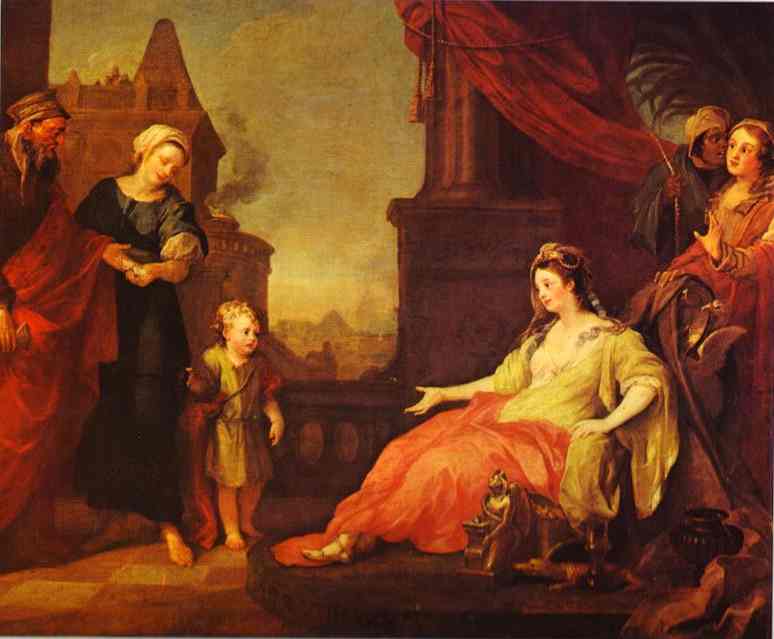
Moses Brought to Pharoah's Daughter


A profound study in moral allegory featuring the biblical discovery of Moses by Pharaoh's daughter, this 1746 masterpiece by William Hogarth captures 18th-century drama and invites you to explore its rich history.
 Prečítať si viac
William Hogarth (1697-1764) - anglický maliar a grafik, známy svojimi satirickými obrazmi a kritickým pohľadom na spoločnosť 18. storočia. Pozrite si jeho diela A Harlot's Progress a A Rake's Progress!
Ručne maľovaná olejová reprodukcia
Ručne maľovaný olej na plátne vo vašej zvolenej veľkosti a v ráme, vyrobený na mieru našimi umelcami. ( Prepnúť na tlač Prepnúť na digitálnu verziu obrazu)




P118B $10

P118H $10

P118W $10

P438Z $10

P508JH $12

P508YH $12

P805H $10

P805Z $10

P919BZ $10

P919G $10

P919XJ $10

P959ZH $10

P968JZ $12

W106C $8

W218G $10

W218JH $8

W218Y $10

W307PJ $10

W316G $10

W316PJ $8

W316Y $10

W398PJ $8

W4111J $10

W500HY $15

W500JH $15

W692G $12

W849H $8

W940BG $15

W953PJ $8




Štandardné rozmery
na mieru
CM
INCH
Vyberte si z našich preddefinovaných rozmerov, ktoré zodpovedajú pôvodným pomeroḿ diela.
Loading sizes...

šírka
výška
Môžete zadať vlastné rozmery tak, aby sa hodili do konkrétneho rámu alebo priestoru. Ak sa váš zvolený rozmer nezhoduje s pôvodnými proporciami obrazu, dielo buď orezáme, alebo ho doplníme ručne maľovanými prvkami. Pred začiatkom výroby vám zašleme digitálny náhľad na schválenie.
Upozorňujeme, že ukážka na obrazovke neodráža skutočné orezanie ani doplnenie. Skutočnú finálnu kompozíciu zobrazuje iba digitálny náhľad.
Hoci sú k dispozícii vlastné rozmery, odporúčame vybrať rozmer z preddefinovaného zoznamu, aby sme zachovali pôvodné proporcie.
Príklady možných zmien: nahradiť tvár fotografiou zákazníka; pridať domáce zviera (napr. nahradiť mačku psom); vložiť skryté posolstvo do pozadia; zmeniť krajinu alebo prvky pozadia.
Po odoslaní objednávky vám tím TopImpressionists.com pošle e-mail s pokynmi a poskytne náhľad na návrh
Po odoslaní objednávky vám tím TopImpressionists.com pošle e-mail s pokynmi a poskytne náhľad na návrh
Celosvetová doprava () za 3 až 4 týždne namiesto štandardných 5 týždňov. (23 september). Bez kompromisov v kvalite.

Bezplatná expresná doprava po celom svete

Vysokokvalitné lnianske plátno

Úplné poistenie prepravy

Záruka vrátenia colného poplatku

Záruka presného farebného zhodnutia

100-dená politika vrátenia tovaru (iba pri vadách)

100% záruka vrátenia peňazí

Ponuka množstevnej zľavy
 Možnosť skla je dostupná len pri rozmeroch pod 110 cm

Moses Brought to Pharoah's Daughter
Spôsob reprodukcie
Veľkosť reprodukcie
-


Celková cena
$ 269
A Vision of Biblical Majesty and Moral Depth
In the grand tapestry of eighteenth-century British art, few works command attention with such profound narrative weight as William Hogarth’s Moses Brought to Pharaoh's Daughter. Completed in 1746, this masterpiece transcends the boundaries of mere biblical illustration, offering instead a deeply layered study in moral allegory. At first glance, the viewer is swept into a moment of high drama: the discovery of an infant Moses by the Egyptian princess. Yet, beneath the surface of this historical encounter lies the unmistakable pulse of Hogarth’s genius—a keen, observant eye that seeks to find the universal human condition within the extraordinary tales of antiquity. The scene is alive with movement and presence, as the princess and her attendants surround the child, creating a composition that feels both intimate and monumental.
The painting serves as a window into a world where the sacred meets the terrestrial. Hogarth, often celebrated for his biting social satires like A Rake's Progress, demonstrates here a remarkable capacity for a more serious, elevated tone. He utilizes the Rococo influence of his era to infuse the scene with a certain grace and decorative splendor, yet he anchors this elegance with a grounded, almost tactile realism. The textures of fabric, the warmth of skin tones, and the subtle interplay of light and shadow work in harmony to create an atmosphere that is simultaneously regal and deeply emotive, inviting the observer to contemplate the weight of destiny unfolding within a single, quiet moment.
Symbolism and the Art of Narrative Detail
To gaze upon this work is to embark on a journey through Hogarth’s intricate symbolic language. Every element within the frame has been meticulously placed to contribute to the painting's overarching moral compass. The presence of animals—the watchful dogs near the center and the periphery—adds a layer of domesticity and life, grounding the divine narrative in the natural world. Even the subtle inclusion of a bird on the left or the ticking presence of a clock on the wall serves as a poignant reminder of the inexorable passage of time and the unfolding of providence. These details are not mere ornaments; they are whispers of the artist's intent to connect the ancient past with the fleeting present.
For the discerning collector or interior designer, this piece offers an unparalleled opportunity to introduce a sense of historical gravity and intellectual depth into a space. The painting’s ability to balance complex themes of power, class, and religious destiny makes it a conversation piece of the highest order. It does not merely decorate a wall; it enriches the environment with a sense of storytelling and philosophical inquiry. Whether placed in a library, a formal study, or a grand salon, a high-quality reproduction of this work brings with it the enduring legacy of Hogarth’s vision—a vision that celebrates the beauty of the human story through the lens of profound moral reflection.
Biografia umelca
William Hogarth: A London Life in Ink and Paint
William Hogarth, narodený v srdci Londína v roku 1697, bol oveľa viac ako len umelec – bol vizuálnym historikom, ostražitým pozoruháčom na ľudskú povahu a satyrickým komentátorom spoločenských prúdov svojho času. Jeho život je neodmysliteľne spojený s tkanivom samotného Anglicka v období zásadných transformácií – jeho vzrastajúce ambície, hlboké obavy a všadeprítomné skryté nedostatky sa v jeho pozoruhodne detailných a často ostrých dielach objavili v plnom rozsahu. Syn bojujúceho latinistického učiteľa, Hogarthovo skoré skúsenosti mu zanechali lásku k učeniu a ostrahy voči sociálnej nerovnosti – základ, ktorý sa ukázal ako zásadný pre formovanie jeho umeleckej vizií. Počas svojho úvodného života bol zamestnaný ako graver, rýchlo však dokázal, že má talent, ktorý presahuje len technické zručnosti; mal vrosenú schopnosť pozorovať nuansy ľudského správania a premeniť ich na pútavé vizuálne príbehy. Avšak bol frustrovaný obmedzeniami tradičného gravírovania a hľadal vyjadriacejší umelecký kanál. To ho viedlo k štúdiám na St Martin’s Lane Academy a pod vedením Sir Jamesa Thornhilla, kde zdokonalil svoje zručnosti v maľbe a kompozícii, absorboval vplyvy, ktoré neskôr ovplyvnili jeho jedinečný štýl.The Birth of Modern Moral Subjects
Hogarthova skutočná inovácia nebola *čo* mal namaľovať, ale *ako*. Pioneering označil „moderné morálne témy“ – sériu obrazov určených na rozprávať príbeh, často s výrazným satirickým nádychom. Neboli to izolované portréty alebo krajinky; boli vizuálne romány odvíjané pred očami diváka, ponúkajúce bodaný komentár na súčasné spoločenské pomery. A Harlot's Progress, vytvorený v roku 1742, stojí ako jeden z jeho najznámejších príkladov. Táto séria šiestich obrazov podrobne sleduje tragický pád Mary, mladá žena prichádzajúca do Londýna plná nádeje, ale rýchlo podľahnutá pokušeniám a nebezpečenstvám mesta. Každé scény sú nakreslené s precíznym detailom, plné symbolických prvkov odhaľujúcich morálnu rozkladajúcu sa okolo nej. Podobne A Rake's Progress, začatý v roku 1733, mapuje zbavenie sa rozumnosti Tom Rakewella, muža, ktorý zbytočne stráca svoje dedičstvo na hazardné hry, dekadenciu a nakoniec šípy. Tieto príbehy neboli len varovné príklady; boli bezúmečným portrétom spoločnosti, ktorá zápasila s otázkami triedy, morálky a sociálneho postupu. Hogarthova génia spočívala v jeho schopnosti zdvihnúť každodenné scény – ruchy Londýnskej ulice, opulentné interiéry bohatých, skromný život chudobných – na umenie, ktoré rezonovalo s jeho publikom hlboko. Nevyhýbal sa zobrazovať tvrdú realitu života, prezentoval ju kombináciou humoru a súcite, čo núkalo divákov konfrontovať nepríjemné pravdy o sebe aj o ich spoločnosti.Technika a vplyvy: Synéza rôznych štýlov
Hogarthov umelecký štýl bol jedinečnou kombináciou rozmanitých vplyvov. Veľmi si vážil realizmus a vyprávacie detaily nájdené v dielach holandských žánrových majstrov, ako je Pieter de Hooch, čo sa prejavilo v jeho precíznych zobrazovaniach interiérov a každodenného života. Francúzske satirické tlačiarstvo tiež zohrávalo úlohu pri formovaní jeho prístupu k sociálnemu komentáru. Avšak Hogarth nebol len napodobiteľom týchto zdrojov; spájal ich do niečoho úplne nového a jedinečného pre seba. Jeho technika bola charakterizovaná maľstvom a precíznym vyjadrením, čo sa prejavilo najmä v jeho gravírovaniach. Používal výrazný metód prepletenia línie, ktorý vytváral hĺbku a textúru, čím oživoval svoje scény pozoruhodne jasne. Okrem umenia mal Hogarth vplyv literárnych diel, najmä tých od Jonathana Swifta a Henryho Fieldinga, ktorých satirický humor formoval jeho vlastné sociálne pozorovania. Věřil, že umenie by nemalo byť len krásne, ale aj morálne, vyzývať divákov, aby kriticky premýšľali o svete okolo seba a o svojom mieste v ňom.Hlavné úspechy a historický význam
Dopad Williama Hogartha sa rozprestiera ďalej ako len do umenia 18. storočia. Jeho diela získali obrovskú popularitu vďaka masovému prvému vydaniu obrazov založených na jeho obrazoch, čím bol jeho satirický komentár dostupný širšiemu publiku ako kedykoľvek predtým. Je všeobecne považovaný za predchodcu politických karikátorov a komiksov, položil základy vizuálnemu rozprávaniu v populárnej kultúre. Artisti ako James Gillray a George Cruikshank boli priamo ovplyvnení jeho štýlom, pokračovali v jeho tradícii satirického komentára. Aj Charles Lamb, známy esejista, si všimol vyprávaciu silu Hogarthových obrazov, často hovoril, že sú „ako knihy na čítanie a nie len na prezerať“.- Hogarth stanovil jedinečnú britskú umeleckú identitu.
- Jeho diela poskytujú neoceniteľné vedomosti o spoločnosti v Anglicku v 18. storočí.
- Ovplyvnil generácie umelcov a satirikov.

William Hogarth
1697 - 1764 , Spojené kráľovstvo
Rýchle fakty
- Artistic Movement Or Style: Satira, Realizmus
- Artists Or Movements Influenced By This Artist:
- James Gillray
- Politická karikatúra
- Artists Who Influenced This Artist:
- Pieter de Hooch
- Jonathan Swift
- Date Of Birth: 1697
- Date Of Death: 1764
- Full Name: William Hogarth
- Nationality: Britský
- Notable Artworks:
- A Harlot's Progress
- A Rake's Progress
- Manžestrá a móda
- Place Of Birth: Londýn, UK
Súvisiace články

The Canvas of Virtue: Exploring Moral Lessons & Narrative Power in Art History
Explore the rich history of moral lessons & symbolism in art! Discover how Renaissance masters like Bosch used allegory to convey virtue & vice. Expert analysis for collectors and enthusiasts.

Top 10 diel 18. storočia: Majstri a príbehy v umení pre váš domov
Ponorte sa do sveta 18. storočia s TopImpressionists! Objavte top 10 diel od David, Boucher a ďalších majstrov baroka a rokoka. Reprodukcie obrazov pre váš domov – luxusné dekorácie a inšpirácia na TopImpressionists.com

Unveiling Hidden Meanings: Allegory in Western Art History
Explore the rich history of allegory in Western art! Discover hidden meanings in masterpieces from Giotto to Bosch & beyond. Expert insights for collectors and enthusiasts at TopImpressionists.

The Weight of Virtue and Vice: Exploring Moral Themes in Art History
Explore the captivating world of moral allegory in art history! Discover how Renaissance masters like Bosch, Botticelli & Lotto depicted virtue & vice. Expert analysis and stunning reproductions at TopImpressionists.

Hieronymus Bosch: Top 25 Majstrovských Diel pre Váš Domov - TopImpressionists.com
Ponorte sa do sveta Hieronymusa Boscha s TopImpressionists.com! Objavte top 25 diel majstra stredovekého umenia, symbolizmu a fantastických motívov. Reprodukcie obrazov pre váš domov – luxusné dekorácie a umelecké plagáty online. Preskúmajte celú kolekciu na TopImpressionists.com
Preskúmajte umelecká diela usporiadané podľa tém, štýlov a charakteristík.


