


 Zobraziť v interiéri
 Odoslať
 Zdieľať
 Podrobnosti
 Príručka

 Stiahnuť
 Podobné položky
 RTG skúška
 Prehliadanie diapo\]
 Štatistiky
Eliáš
 Akryl na plátne
- WallArt
- Bezalel School Style
 1916
1916 90.0 x 91.0 cm
 Izraelské múzeum
Výstavný obraz Eliáš od Wolf Rawicka (Ravitzki) zo školy Bezalel z roku 1916, reprezentujúci židovské tradície a národné osvojenstvo. Luxusná dekorácia kresla oslňuje biblickými scenami.
 Prečítať si viac
Wolf Rawicki (Ze’ev Raban): Israeli painter & designer of the Bezalel School. Known for decorative art, industrial design & iconic works like the Capitoline Wolf.
Umelecké dielo zobrazené na tejto stránke je chránené autorským zákonom, čo znamená, že nemôžeme legálne vytvárať ani predávať jeho identickú reprodukciu. Táto ochrana je vymáhaná na základe medzinárodných dohôd, ako napríklad Bernská konvencia a národnými zákonmi, vrátane tých, ktoré sú stanovené v Autorské právo USA – Title 17. Všetky práva vyhradené.
Ako rešpektujúca a legálna alternatíva ponúkame vlastné, ručne maľované diela inšpirované originálom. Naši skúsení a profesionálni umelci dôkladne študujú štýl, náladu a umelecký podnet originálu, aby vytvorili nové, jedinečné dielo, ktoré vyvoláva rovnaký pocit – pričom samo ostáva vlastným originálnym dielom.
Táto metóda plne dodržiava autorské práva, pretože nezahŕňa kopírovanie ani duplikovanie chráneného diela. Ide skôr o kreatívnu reinterpretáciu – nový obraz, ktorý je ovplybnený originálom, no nie je s ním identický.
Ručne maľovaná olejová reprodukcia
Ručne maľovaný olej na plátne vo vašej zvolenej veľkosti a v ráme, vyrobený na mieru našimi umelcami. ( Prepnúť na tlač Prepnúť na digitálnu verziu obrazu)




P118B €10

P118H €10

P118W €10

P438Z €10

P508JH €12

P508YH €12

P805H €10

P805Z €10

P919BZ €10

P919G €10

P919XJ €10

P959ZH €10

P968JZ €12

W106C €8

W218G €10

W218JH €8

W218Y €10

W307PJ €10

W316G €10

W316PJ €8

W316Y €10

W398PJ €8

W4111J €10

W500HY €15

W500JH €15

W692G €12

W849H €8

W940BG €15

W953PJ €8




Štandardné rozmery
na mieru
CM
INCH
Vyberte si z našich preddefinovaných rozmerov, ktoré zodpovedajú pôvodným pomeroḿ diela.
Loading sizes...

šírka
výška
Zadajte šírku a výšku, ktoré potrebujete, aby sa dielo hodilo k vášmu rámu alebo stene. Keďže ide o ručnú maľbu, pri rozmeroch s odlišným pomerom strán môže umelec namalovať o niečo viac okolo obrázka alebo ho mierne orezatú — výber patrí vám. Pred začatím maľovania vám pošleme digitálnu ukážku na schválenie. Obrázok zobrazený na tejto stránke nenahrádza reálny výsledok — ten zobrazuje iba digitálna ukážka.
Príklady možných zmien: nahradiť tvár fotografiou zákazníka; pridať domáce zviera (napr. nahradiť mačku psom); vložiť skryté posolstvo do pozadia; zmeniť krajinu alebo prvky pozadia.
Po odoslaní objednávky vám tím TopImpressionists.com pošle e-mail s pokynmi a poskytne náhľad na návrh
Po odoslaní objednávky vám tím TopImpressionists.com pošle e-mail s pokynmi a poskytne náhľad na návrh
Celosvetová doprava () za 3 až 4 týždne namiesto štandardných 5 týždňov. (23 október). Bez kompromisov v kvalite.

Bezplatná expresná doprava po celom svete

Vysokokvalitné lnianske plátno

Úplné poistenie prepravy

Záruka vrátenia colného poplatku

Záruka presného farebného zhodnutia

100-dená politika vrátenia tovaru (iba pri vadách)

100% záruka vrátenia peňazí

Ponuka množstevnej zľavy
 Možnosť skla je dostupná len pri rozmeroch pod 110 cm

Eliáš
Spôsob reprodukcie
Veľkosť reprodukcie
-


Celková cena
€ 236
Elijah – Významná dielnosť Bezalelovej školy
Výstavný obraz “Elijah” od Wolfa Rawicka (Ravitzkiego), vytvorený v roku 1916, predstavuje vrcholné dielo Bezalelovej školy založenej v Jeruzaleme. Táto škola mala za úlohu vyjadriť národnú dušu prostredníctvom použitia židovských biblických symbolov a motívov – čo sa dokonale prelína s oslavou židovskej histórie ako súčasťou náboženského i národného odkazu. Tento obraz nie je len estetickým zážitkom, ale aj výrazom filozofického smerovania prvých sionistických umelcov, ktorí videli v minulosti Židia základ svojho budúcností. Jeho tvorba bola výsledkom spolupráce mnohých remeslníkov z dielenského prostredia školy a odráža klasický štýl Bezalelovej školy – kombináciu elegantných ornamentov s biblickými scenami.Rozpoznateľný štýl Bezalelovej školy
Wolfa Rawicka považujú za jedného z hlavných predstaviteľov židovského dekoratívneho umenia prvého desaťročia القرن العشرين. Jeho tvorba je charakteristická kombináciou klasických prvkov s národnými symbolmi – najmä použitím obrazu vlka, ktorý odkazuje na Benjamína v Biblii ako „vlka, ktorý rozžiera“. Tento obraz je výrazným príkladom dekoratívneho umenia doby židovského nacionalizmu a oslavy biblických hodnot. Jeho jednoduchá geometria a čisté línie sú typické pre obdobie Bezalelovej školy a odrážajú záujem o obnovu židovskej kultúry po staletí emigrácie.Technika a materiál použitý pri výrobe
Výstavný obraz “Elijah” bol vytvorený pomocou komplexných dekoratívnych postupkov, ktoré charakterizujú Bezalelovu školu. Hlavným materiálom bolo kvalitné drevo – pravdepodobne tvrdé drevo – ktoré bolo dôkladne vyrezávané a následne povrchovo opracované. Výraznými doplnkami boli zlaté alebo bronzové inlaye, ktoré dodávajú obrazu bohatosť a luxus. Použitím týchto materiálov sa dosiahol efekt vysokého umeleckého kvality a zároveň zabezpečilo ochranu obrazu pred časom. Základným princípom tvorby bolo vyjadrenie národnej identita prostredníctvom estetických prvkov, ktoré odkazujú na židovské korene a históriu.Symbolizmus obrazu
“Elijah” nesie bohatý symbolický význam. Jeho hlavnými motívmi sú biblické obrazy – napríklad scenáre z života proroka Eliášovi – ktoré reprezentujú náboženskú vieru a hodnoty. Zároveň obraz zobrazuje znaky jednotlivých židovských klanov, čo odkazuje na bohatú históriu Židovstva ako národa s pevnými tradíciami. Čierne cherubíny sú klasickým prvkom Bezalelovej školy a symbolizujú ochranu Božího ducha. Celý obraz vyjadruje túžbu po obnovení židovského kultúry a národnej identita – čo je hlavným posolím tvorby Wolf Rawicka.Poznámka:
Táto výstava obrazu „Elijah“ od Wolfa Rawicka predstavuje vrcholné dielo Bezalelovej školy, ktorá mala za úlohu vyjadriť židovskú národnú identitu prostredníctvom estetických prvkov a biblických motívov. Jeho komplexná technika a bohatý symbolizmus ho robia nezabuditeľným umeleckým zážitkom.Otázky a odpovede
Akú mieru kontrastu predstavuje „Eliáš“ od Wolf Rawicki (Ravitzki)?
Úroveň kontrastu diela „Eliáš“ od Wolf Rawicki (Ravitzki) je Statement.
Aká podkladová farba prechádza dielom „Eliáš“ od Wolf Rawicki (Ravitzki)?
„Eliáš“ skloní sa k Warm Sunset Tones odtieňu.
Kedy a z akých materiálov bolo vytvorené dielo „Eliáš“?
Technikou diela „Eliáš“ od Wolf Rawicki (Ravitzki) je Akryl na plátne a vzniklo v roku 1916.
Biografia umelca
The Pioneering Vision of Ze’ev Raban: From Rawicki to the Soul of Israeli Art
Ze’ev Raban, born Wolf Rawicki in Kaunas, Russia, in 1890, stands as a monumental figure in the genesis of Israeli art. His journey wasn't merely that of an artist finding his voice; it was the forging of a new aesthetic identity for a nation yearning to express itself. Rawicki’s early life, steeped in the cultural currents of Eastern Europe, laid the foundation for a career dedicated to synthesizing tradition and modernity, culminating in works that became iconic symbols of a burgeoning national consciousness. He wasn't simply *a* painter; he was an architect of visual culture, deeply involved in shaping the artistic landscape of the nascent State of Israel.
Early Formation & The Bezalel School
Rawicki’s formal training took him across Europe – Munich, Paris, and Brussels – exposing him to the prevailing styles of the early 20th century. He absorbed the lessons of Jugendstil, Symbolism, and Art Nouveau, but these influences were never adopted wholesale. A crucial turning point came with his arrival at Bezalel Academy in Jerusalem in 1906. Bezalel, founded by Boris Schatz, was more than an art school; it was a crucible for creating a distinctly “Hebrew style.” This wasn’t about replicating historical forms but rather excavating the spirit of Jewish culture and translating it into contemporary artistic expression. Raban quickly became a central figure in this endeavor, embracing the challenge of defining what that aesthetic might look like.
A Synthesis of Tradition & Modernity
Raban's work is characterized by a remarkable ability to blend diverse influences. He sought inspiration not only from European art movements but also from traditional Jewish crafts, Islamic motifs, and the archaeological discoveries unfolding in Palestine. This fusion manifested in his decorative arts – silver Hanukkah lamps, ceremonial objects, furniture—where intricate carvings and stylized forms evoked ancient patterns while remaining firmly rooted in a modern sensibility. He believed that true Hebrew art wasn’t about imitation but about *interpretation* – distilling the essence of Jewish heritage into new artistic languages. His designs weren't merely beautiful; they were imbued with symbolic meaning, reflecting a deep connection to history and faith.
Major Achievements & The Capitoline Wolf
While Raban excelled in numerous mediums, his impact extended beyond individual artworks. He was instrumental in establishing the aesthetic principles of early Israeli design, influencing everything from typography to public monuments. Perhaps his most enduring legacy is the “Capitoline Wolf,” a silver menorah created for the Hebrew University on Mount Scopus in 1926. This piece, inspired by the Roman wolf that suckled Romulus and Remus, became a powerful symbol of Jewish resilience and national aspiration. It wasn’t simply a religious object; it was a statement about reclaiming heritage and forging a new future. The menorah's design, incorporating stylized Hebrew letters and motifs, resonated deeply with the Zionist movement and solidified Raban’s position as a leading artistic voice.
Historical Significance & Lasting Influence
Ze’ev Raban died in 1970, leaving behind a body of work that continues to inspire. He wasn't just an artist; he was a cultural pioneer who helped define the visual identity of Israel. His commitment to synthesizing tradition and modernity, his dedication to creating a distinctly Hebrew aesthetic, and his ability to imbue objects with profound symbolic meaning cemented his place as one of the most important figures in Israeli art history. His influence can be seen in the work of subsequent generations of artists and designers, who continue to grapple with the challenges of balancing cultural heritage with contemporary expression. Raban’s legacy is a testament to the power of art to shape national identity and inspire a sense of belonging.

Wolf Rawicki (Ravitzki)
1890 - 1970 , Russia
Rýchle fakty
- Full Name: Ze'ev Raban
- Nationality: Israeli
- Date Of Birth: 1890
- Date Of Death: 1970
- Place Of Birth: Kaunas, Russia
- Notable Artworks:
- Elijah
- Standing Hanukkah Lamp
- Capitoline Wolf
- Artistic Movement Or Style: Bezalel School Style
Súvisiace články

The Barbizon School: The Soulful Origins of Impressionism's Natural Light and Atmospheric Mastery
Discover the profound influence of the Barbizon School on Impressionism. Explore how these masters captured natural light and atmospheric beauty through plein air painting, paving the way for Monet and Renoir. A journey into the soulful origins of landscape art history.

Capturing the Light: A Journey Through the Soul of American Impressionism and the Hudson River School
Explore the luminous beauty of American Impressionism and the Hudson River School. Discover a curated journey through light, landscape, and history, celebrating the enduring legacy of masters through exquisite, hand-painted oil reproductions for the discerning art lover.
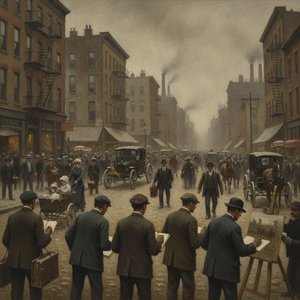
The Ashcan School: Capturing the Raw, Unfiltered Soul of Urban Life through American Realism
Discover the raw beauty of the Ashcan School. Explore how masters like Bellows and Henri captured the gritty, vibrant soul of early 20th-century New York through profound American Realism and evocative urban landscapes.
Preskúmajte umelecká diela usporiadané podľa tém, štýlov a charakteristík.
