Ateliér — Bezplatné celosvetové doručenie — Doručenie za 2–6 týždňov
      Aztécka Ríša, 1300 – 1521

      70 najznámejších obrazov umelca Aztécka Ríša

      Mosaic of a Double-headed Serpent (1521) je obraz, pre ktorý je Aztécka Ríša najznámy; patrí do zbierky British Museum, Londýn. Head from a Figure, Xochipilli Macuilxochitl (1521) a Figure (1521) dopĺňajú trojicu najobľúbenejších pláten. Náš katalóg obsahuje 70 diel od umelca Aztécka Ríša. Tu je 70 najznámejších s uvedením roku, múzeá a príbehu každého plátna.

      Poriadkované podľa nášho skóre popularity, ktoré kombinuje počet vyhľadávaní, návštev a objednávok pre každé dielo. Aktualizované október 2026. Každý obraz na tejto stránke si môžete objednať ako ručne maľovanú olejную reprodukciu na ľanovom plátne alebo ako umeleckú tlač, vyrobenú v požadovanom rozмере.

      Portrét Aztécka Ríša
      Aztécka Ríša · 1300 – 1521
      Narodený · zomrel
      1300 – 1521, Tenochtitlán
      Diela v našom katalógu
      70
      Najznámejšie
      Mosaic of a Double-headed Serpent (1521)
      Najviac diel v
      Metropolitné múzeum umenia

      Desať najobľúbenejších obrazov od Aztécka Ríša

      Mosaic of a Double-headed Serpent (1521) od Aztécka Ríša
      1

      Mosaic of a Double-headed Serpent

      1521 · Mosaic · British Museum, Londýn

      To gaze upon this mosaic of a double-headed serpent is to step directly into the vibrant, myth-laden heart of the Aztec Empire. It is not merely an object of decoration; it is a captured echo of profound belief, a testament to a civilization whose artistry wove the sacred into the very fabric of daily existence. The serpentine form dominates the composition, its sinuous body rendered in breathtaking detail across countless…

      Head from a Figure, Xochipilli Macuilxochitl (1521) od Aztécka Ríša
      2

      Head from a Figure, Xochipilli Macuilxochitl

      1521 · Sculpture · Metropolitné múzeum umenia, New York

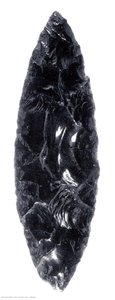
      The obsidian head before us—a dark, almost brooding presence—isn’t merely a sculpture; it's a portal into the vibrant and complex world of the Aztec Empire. Carved in the early 16th century, just decades before the arrival of the Spanish conquistadors, this intimate portrait of Xochipilli Macuilxochitl offers a rare and compelling glimpse into the beliefs, artistry, and ultimately, the fleeting beauty of a vanished civilization. The piece speaks not only…

      Figure (1521) od Aztécka Ríša
      3

      Figure

      1521 · Stone · Metropolitné múzeum umenia, New York

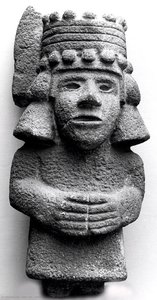
      Before you stands an echo from a civilization whose very name whispers tales of empire and profound spiritual depth: the magnificent "Figure" sculpture. Carved from enduring stone, this piece is not merely an object of antiquity; it is a frozen moment of sacred contemplation. The overall impression is one of solemn power, a tangible connection to the sophisticated worldview of the Aztec people who flourished in the heart of Mesoamerica.…

      Kneeling Male Figure (1521) od Aztécka Ríša
      4

      Kneeling Male Figure

      1521 · Stone · Metropolitné múzeum umenia, New York

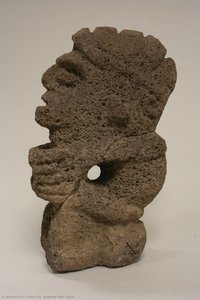
      To gaze upon this fragment is to reach across the vast chasm of five centuries, touching the solemn breath of an empire long dissolved into myth and archaeological wonder. This kneeling male figure, carved from a dark, porous stone—perhaps basalt itself—is more than mere sculpture; it is a captured moment of profound spiritual engagement. The very texture of the material speaks of time, bearing the patina of ritual smoke and…

      Serpent Labret s Pohybujúcim Sa Čiernym jazykom od Aztécka Ríša
      5

      Serpent Labret s Pohybujúcim Sa Čiernym jazykom

      Akryl na plátne · Metropolitné múzeum umenia, New York

      Serpent labret s artikulovaným jazykom predstavuje jednu z najlepších zachovaných zlatých ornamentov aztekskej kultury, vyrobenú okolo roku 1300 až 1521 AD. Tento elegantný lip plug zobrazuje komplexné telo zmije, ktorá pripravuje útok, pričom jej jazyk sa pohybuje hore a dole s pohybom nositeľa. Labret bol znakom šľachty v azteckej spoločnosti a používal ho najvyšší vodca – huei tlahtoani –, čo odráža jeho vysoký status a eloquenciu. Jeho tvorba bola atribúmovaná…

      Pendent in the Shape of a Warrior (1350) od Aztécka Ríša
      6

      Pendent in the Shape of a Warrior

      1350 · Metalwork · Cleveland Museum of Art, Cleveland

      To hold this piece in your mind is to encounter the quiet strength of the Post-classic period. This small, metallic figure, likely worn close to the body, captures a warrior in a moment of poised readiness. The figure is rendered with a striking sense of presence, characterized by a prominent nose, wide eyes, and a slightly protruding mouth that gives the face a distinct, human character. There is a certain…

      Figure (1521) od Aztécka Ríša
      7

      Figure

      1521 · Stone · Metropolitné múzeum umenia, New York

      This monochrome photograph captures an ancient Aztec sculpture titled Figure. The piece presents a stylized representation of a human figure, likely a deity or important individual within the Aztec culture. Set against a dark background that emphasizes its intricate details, the sculpture is positioned slightly off-center towards the right of the frame.

      Vulture Vessel (1521) od Aztécka Ríša
      8

      Vulture Vessel

      1521 · Ceramic · Metropolitné múzeum umenia, New York

      This ceramic vessel, produced around 1521 by Aztec artists, takes the shape of a stylized vulture. The object is constructed from earthenware with a robust, cylindrical body. Four curved legs support the structure, positioned to suggest a sense of movement or a bird prepared to perch. The surface is primarily covered in a reddish-brown hue, likely derived from iron oxide pigments. Black glaze defines specific areas, creating bands that outline…

      Standard Bearer (1521) od Aztécka Ríša
      9

      Standard Bearer

      1521 · Stone · Metropolitné múzeum umenia, New York

      The Aztec sculpture titled "Standard Bearer," a remarkable testament to the artistry and symbolic depth of the pre-Columbian civilization, stands as more than just a carved stone figure. It’s a window into a complex society—a warrior, a leader, a conduit between the earthly realm and the divine. Dating back to approximately 1450-1521 CE, this piece, originating from the region of Veracruz, offers a tangible connection to a world both familiar…

      Crested Figure (Macuilxochitl) (1521) od Aztécka Ríša
      10

      Crested Figure (Macuilxochitl)

      Crested Figure (Macuilxochitl): Echoes of Aztec Cosmology The photograph presents a striking depiction of an Aztec sculpture titled “Crested Figure (Macuilxochitl),” originating from the 15th–early 16th century during the height of the Mexica Empire. This artwork embodies the artistic spirit of Mesoamerica, reflecting profound religious beliefs and political authority—a testament to the enduring legacy of a civilization that captivated imaginations for centuries. Overall Impression: The image captures a sculpture crafted…

      Aztécka Ríša: plátna od 11 do 70 v rebríčku

      Seated Male Deity (1521) od Aztécka Ríša
      #12

      Seated Male Deity

      1521 · Metropolitné múzeum umenia

      In the quiet presence of the Seated Male Deity, one does not merely observe a sculpture; one encounters a profound fragment of a lost cosmos. Carved during the…

      Kneeling Female Figure (1521) od Aztécka Ríša
      #13

      Kneeling Female Figure

      1521 · Metropolitné múzeum umenia

      In the quiet halls of art history, few objects command as much silent reverence as the Kneeling Female Figure. Carved from the dark, enduring strength of basalt, this…

      Labret, Eagle Head (1521) od Aztécka Ríša
      #14

      Labret, Eagle Head

      1521 · Metropolitné múzeum umenia

      To gaze upon this artifact is to be transported across the vast expanse of time, directly into the heart of the mighty Aztec Empire. This exquisite labret, fashioned…

      Prinesť toto svetlo domov →
      Miniature Bowl (1521) od Aztécka Ríša
      #15

      Miniature Bowl

      1521 · Metropolitné múzeum umenia

      To gaze upon this miniature bowl is to hold a fragment of deep time in one's hands. It is not merely an object, but a tangible whisper from…

      Fragment of An Anthropomorphic Brazier (1300) od Aztécka Ríša
      #16

      Fragment of An Anthropomorphic Brazier

      1300

      This ceramic fragment presents a vertical arrangement of human-like faces. The central feature is a large, sculpted head, upon which smaller faces are positioned in a stacked, layered…

      Ear Spool (1521) od Aztécka Ríša
      #18

      Ear Spool

      1521 · Metropolitné múzeum umenia

      Before us lies a fragment of a vanished world, a tangible link to the ingenuity and ritualistic practices of the Aztec Empire. This meticulously crafted ear spool, fashioned…

      Nechajte si to namalovať ručne →
      Seated Female Deity (1521) od Aztécka Ríša
      #19

      Seated Female Deity

      1521 · Metropolitné múzeum umenia

      In the quiet shadows of history, certain objects possess the power to bridge the gap between the mortal realm and the eternal. The Seated Female Deity, a profound…

      Aztec Sun Stone (Calendar Stone) (1427) od Aztécka Ríša
      #20

      Aztec Sun Stone (Calendar Stone)

      1427

      The Aztec Sun Stone (Calendar Stone) is a significant work attributed to the Aztec Empire. Carved by the Mexica at the end of the Mesoamerican Postclassic Period, this…

      Mictlantecuhtl (1480) od Aztécka Ríša
      #21

      Mictlantecuhtl

      1480

      A weathered, pale-grey statue of a child figure emerges from a void of absolute black. The surface is heavily eroded, marked by deep cracks and fissures that trace…

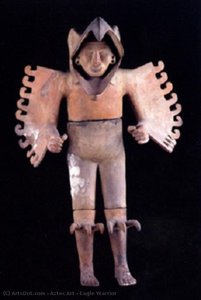
      Eagle Warrior (1469) od Aztécka Ríša
      #22

      Eagle Warrior

      1469

      The artwork titled Eagle Warrior is a terracotta sculpture created by the Aztec Empire. This piece dates to about 1469. The subject of the work is an Aztec…

      Seated Male Deity (1521) od Aztécka Ríša
      #31

      Seated Male Deity

      1521 · Metropolitné múzeum umenia

      Before us stands a testament to the profound artistry and spiritual depth of the Aztec Empire – a weathered stone sculpture known as the “Seated Male Deity,” or…

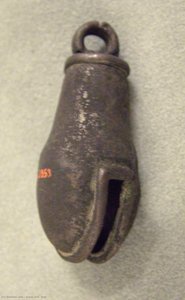
      Bell (1521) od Aztécka Ríša
      #32

      Bell

      1521 · Metropolitné múzeum umenia

      Imagine holding a piece of history – not just an artifact, but a tangible echo of a vanished empire. This bronze bell, unearthed from the ruins of Tenochtitlan…

      Prinesť toto svetlo domov →
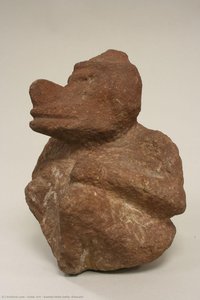
      Spider Monkey (1521) od Aztécka Ríša
      #33

      Spider Monkey

      1521 · Rhode Island School of Design Museum of Art

      This exceptional hand-painted reproduction captures a pivotal moment in Aztec artistic expression – the creation of a remarkably detailed sculpture depicting a spider monkey, dating back to 1521.…

      Cihuateotl (1521) od Aztécka Ríša
      #34

      Cihuateotl

      1521 · Metropolitné múzeum umenia

      The stone sculpture known as “Cihuateotl,” a formidable figure emerging from the heart of the Aztec Empire, offers more than just a visual representation; it’s a window into…

      Nechajte si to namalovať ručne →
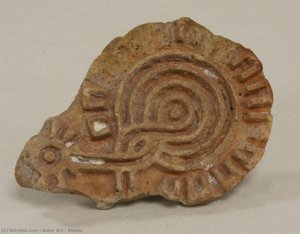
      Stamp (1521) od Aztécka Ríša
      #35

      Stamp

      1521 · Metropolitné múzeum umenia

      Before us lies a terracotta fragment, not merely an artifact but a window into the heart of the Aztec Empire. Designated simply as “Stamp,” this weathered ceramic seal…

      Prinesť toto svetlo domov →
      Feathered Serpent Ornament (1521) od Aztécka Ríša
      #36

      Feathered Serpent Ornament

      1521 · Metropolitné múzeum umenia

      In the quiet, hallowed halls of the Metropolitan Museum of Art, there exists a treasure that transcends the boundaries of time and geography. The Feathered Serpent Ornament is…

      Relief (1521) od Aztécka Ríša
      #37

      Relief

      1521 · Metropolitné múzeum umenia

      “Relief,” a meticulously crafted stone carving from the heart of the Aztec Empire, stands as more than just an artistic object; it's a window into a vanished world.…

      Prinesť toto svetlo domov →
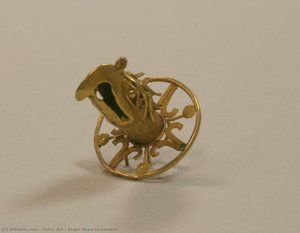
      Eagle Head Ornament od Aztécka Ríša
      #38

      Eagle Head Ornament

      Metropolitné múzeum umenia

      Before us lies a captivating artifact – an Aztec Eagle Head Ornament, a tangible link to one of Mesoamerica's most formidable empires. More than just a decorative object,…

      Prinesť toto svetlo domov →
      Skull Pendant od Aztécka Ríša
      #39

      Skull Pendant

      Metropolitné múzeum umenia

      Gazing upon this black and white photograph, one is immediately drawn to the stark simplicity and profound symbolism of the Aztec skull pendant. More than a mere decorative…

      Objednať toto plátno →
      Stamp (1521) od Aztécka Ríša
      #40

      Stamp

      1521 · Metropolitné múzeum umenia

      Within the realm of ancient Mesoamerica lies a deceptively simple object – a terracotta stamp, often referred to as a “stamp” in modern parlance. Yet, this unassuming artifact…

      Objednať toto plátno →
      Female Deity od Aztécka Ríša
      #41

      Female Deity

      Metropolitné múzeum umenia

      The photograph before you offers an arresting window into the heart of Aztec spirituality – a sculpted representation of a female deity, rendered with a profound sense of…

      Nechajte si to namalovať ručne →
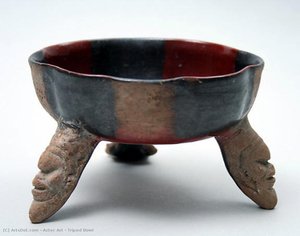
      Tripod Bowl od Aztécka Ríša
      #42

      Tripod Bowl

      Metropolitné múzeum umenia

      To gaze upon this Tripod Bowl is to reach across the vast expanse of time, directly into the vibrant heart of the Aztec Empire. It is not merely…

      Maize Deity (Chicomecoatl) od Aztécka Ríša
      #43

      Maize Deity (Chicomecoatl)

      Metropolitné múzeum umenia

      Carved from basalt, this sculpture represents Chicomecoatl, the Mexica goddess of maize. The figure is rendered in a frontal, upright posture with arms raised in a gesture of…

      Seated Female Deity od Aztécka Ríša
      #44

      Seated Female Deity

      Metropolitné múzeum umenia

      Seated Female Deity: A Reflection of Aztec Spirituality The image presents a grayscale photograph of an Aztec sculpture depicting a seated female deity. The sculpture is rendered in…

      Kneeling Male Figure od Aztécka Ríša
      #45

      Kneeling Male Figure

      Metropolitné múzeum umenia

      To gaze upon the Kneeling Male Figure is to reach across the vast chasm of five centuries, touching the solemn breath of an empire long dissolved into myth…

      Seated Male od Aztécka Ríša
      #46

      Seated Male

      Metropolitné múzeum umenia

      is a stone sculpture created by the Aztec Empire. Originating from Mexico, Mesoamerica, the work belongs to the Mexica (Aztec) culture. It dates to the 15th–early 16th century.

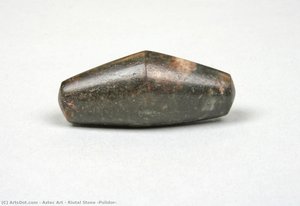
      Ritový kameň (pulidor) (1521) od Aztécka Ríša
      #47

      Ritový kameň (pulidor)

      1521 · Metropolitné múzeum umenia

      The “Ritual Stone,” formally known as *pulidor*, stands as a poignant testament to the artistic prowess and spiritual beliefs of the Aztec Empire—a civilization that flourished between 1300…

      Objednať toto plátno →
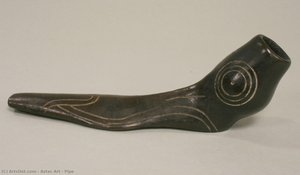
      Pipe (1521) od Aztécka Ríša
      #50

      Pipe

      1521 · Metropolitné múzeum umenia
      Seated Male Deity od Aztécka Ríša
      #51

      Seated Male Deity

      Metropolitné múzeum umenia

      The Aztec Empire, a civilization that flourished in Mesoamerica for centuries, left behind a legacy of breathtaking artistry and profound spiritual belief. Among its most compelling creations stands…

      Nechajte si to namalovať ručne →
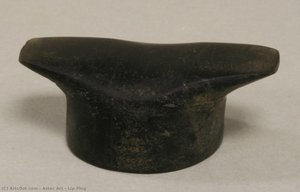
      Lip Plug od Aztécka Ríša
      #52

      Lip Plug

      Metropolitné múzeum umenia

      To gaze upon this artifact is to reach across the vast expanse of time, touching the cool, dark permanence of an ancient civilization. This piece, an Aztec Lip…

      Nechajte si to namalovať ručne →
      Uilacapitztli (Pottery Flute) od Aztécka Ríša
      #54

      Uilacapitztli (Pottery Flute)

      Metropolitné múzeum umenia

      To gaze upon the Uilacapitztli is not merely to observe an artifact; it is to reach across the vast expanse of centuries and touch the very breath of…

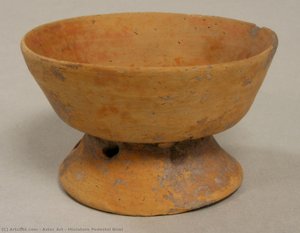
      Miniature Pedestal Bowl od Aztécka Ríša
      #55

      Miniature Pedestal Bowl

      Metropolitné múzeum umenia

      To gaze upon this miniature pedestal bowl is to reach across the vast expanse of time, to hold in one's hands a tangible whisper from the heart of…

      Drum (Teponaztli) od Aztécka Ríša
      #58

      Drum (Teponaztli)

      Metropolitné múzeum umenia

      To gaze upon this representation of an Aztec Teponaztli is not merely to observe an artifact; it is to listen for a silence that holds echoes. This magnificent…

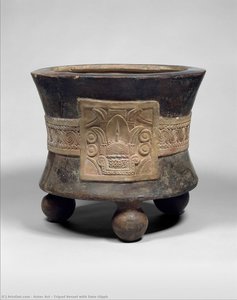
      Tripod Vessel with Date Glyph od Aztécka Ríša
      #59

      Tripod Vessel with Date Glyph

      Metropolitné múzeum umenia

      The image before us presents more than just a ceramic object; it’s a tangible fragment of the Aztec Empire, a silent chronicle etched in clay and imbued with…

      Bowl od Aztécka Ríša
      #60

      Bowl

      Metropolitné múzeum umenia

      Gazing upon this meticulously rendered reproduction of an Aztec bowl is akin to stepping back in time, directly into the heart of Tenochtitlan, the magnificent capital city of…

      Objednať toto plátno →
      Maize Deity (Chicomecoatl) od Aztécka Ríša
      #61

      Maize Deity (Chicomecoatl)

      Metropolitné múzeum umenia

      Standing before this weathered stone sculpture, one is immediately transported to the heart of ancient Mexico – a realm where the divine intertwined seamlessly with the rhythms of…

      Stamp, Butterfly od Aztécka Ríša
      #62

      Stamp, Butterfly

      Metropolitné múzeum umenia

      Stamp, Butterfly - A Fragment of Aztec Cosmology The image presents a captivating glimpse into the artistic heritage of the Aztec Empire—specifically, a ceramic stamp depicting a butterfly…

      Prinesť toto svetlo domov →
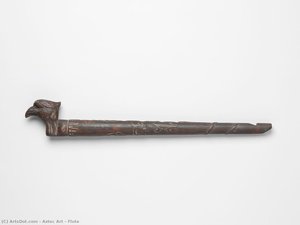
      Flute od Aztécka Ríša
      #63

      Flute

      Metropolitné múzeum umenia

      Within the vast tapestry of Aztec artistry lies a deceptively simple instrument – the flute, often referred to as *uilacapitztli* (meaning “flute-head”). More than just a musical device,…

      Objednať toto plátno →
      Miniature Pedestal Bowl od Aztécka Ríša
      #64

      Miniature Pedestal Bowl

      Metropolitné múzeum umenia

      Gazing upon this exquisite miniature pedestal bowl offers more than just an appreciation of its delicate form; it’s a portal into the heart of the Aztec Empire, a…

      Ear Ornament od Aztécka Ríša
      #65

      Ear Ornament

      Metropolitné múzeum umenia

      To hold an object from the heart of the Aztec Empire is to touch the very pulse of Mesoamerican history. This exquisite ear ornament, a masterwork of the…

      Stamp, Monkey od Aztécka Ríša
      #67

      Stamp, Monkey

      Metropolitné múzeum umenia

      Imagine holding a tangible piece of history – a small, unassuming ceramic stamp from the heart of the Aztec Empire. This particular artifact, depicting a stylized monkey in…

      Prinesť toto svetlo domov →
      Bowl od Aztécka Ríša
      #68

      Bowl

      Metropolitné múzeum umenia

      In the quiet presence of this ancient Aztec bowl, one can almost hear the rhythmic pulse of a civilization that once commanded the heart of Mesoamerica. This ceramic…

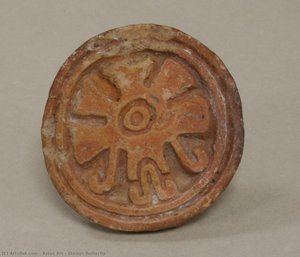
      Flat Stamp with Geometric Flower od Aztécka Ríša
      #69

      Flat Stamp with Geometric Flower

      Metropolitné múzeum umenia

      This striking ceramic stamp, a relic of the Aztec Empire, isn’t merely an artifact; it's a portal to a civilization brimming with intricate symbolism and profound artistic skill.…

      Plátna umelca Aztécka Ríša podľa jednotlivých období

      Čo najčastejšie mal Aztécka Ríša

      Štyri témy, ktoré sa na týchto plátnach najčastejšie vracajú, každá s jej najobľúbenejším príkladom.

      Kde visia plátna umelca Aztécka Ríša

      5 múzeá, v ktorých sa nachádza najviac obrazov z tejto stránky.

      Múzeá Mesto Diela umelca Aztécka Ríša Obrazy z tohto zoznamu
      Metropolitné múzeum umenia, New YorkMetropolitné múzeum umenia New York 51 Head from a Figure, Xochipilli Macuilxochitl, Figure, Kneeling Male Figure
      British Museum, LondýnBritish Museum Londýn 1 Mosaic of a Double-headed Serpent
      Cleveland Museum of Art, ClevelandCleveland Museum of Art Cleveland 1 Pendent in the Shape of a Warrior
      Rhode Island School of Design Museum of Art, ProvidenceRhode Island School of Design Museum of Art Providence 1 Spider Monkey
      Dumbarton Oaks Research Library and Collection, Washington, D.C.Dumbarton Oaks Research Library and Collection Washington, D.C. 1 Tlazolteotl (Birthing Figure)

      najznámejšie plátno umelca Aztécka Ríša, dekádu po dekáde

      1. 1350s
        Pendent in the Shape of a Warrior (1350) od Aztécka Ríša
        Položka 6 z 70

        Pendent in the Shape of a Warrior

        Vek 50 – 59 · Cleveland Museum of Art

        To hold this piece in your mind is to encounter the quiet strength of the Post-classic period. This small, metallic figure, likely worn close to the body, captures…

      2. 1420s
        Aztec Sun Stone (Calendar Stone) (1427) od Aztécka Ríša
        Položka 20 z 70

        Aztec Sun Stone (Calendar Stone)

        Vek 120 – 129

        The Aztec Sun Stone (Calendar Stone) is a significant work attributed to the Aztec Empire. Carved by the Mexica at the end of the Mesoamerican Postclassic Period, this…

      3. 1460s
        Eagle Warrior (1469) od Aztécka Ríša
        22 z 70

        Eagle Warrior

        Vek 160 – 169

        The artwork titled Eagle Warrior is a terracotta sculpture created by the Aztec Empire. This piece dates to about 1469. The subject of the work is an Aztec…

      4. 1480s
        Mictlantecuhtl (1480) od Aztécka Ríša
        21 z 70

        Mictlantecuhtl

        Vek 180 – 189

        A weathered, pale-grey statue of a child figure emerges from a void of absolute black. The surface is heavily eroded, marked by deep cracks and fissures that trace…

      5. 1500s
        Coyote (1500) od Aztécka Ríša
        Plátno 23 z 70

        Coyote

        Vek 200 – 209
      6. 1510s
        Standard-Bearer (1519) od Aztécka Ríša
        Plátno 57 z 70

        Standard-Bearer

        Vek 210 – 219

        This stark figure displays the minimalism and monumentality of Aztec stone sculpture. The rigid pose resembles the block of stone from which it was carved. In contrast, the…

      7. 1520s
        Mosaic of a Double-headed Serpent (1521) od Aztécka Ríša
        Položka 1 z 70

        Mosaic of a Double-headed Serpent

        Vek 220 – 221 · British Museum

        To gaze upon this mosaic of a double-headed serpent is to step directly into the vibrant, myth-laden heart of the Aztec Empire. It is not merely an object…

      Plátna umelca Aztécka Ríša, odpoveď po odpovedi

      Ktorým plátnom si Aztécka Ríša zapamätal najviac?Prečítajte si odpoveď

      Mosaic of a Double-headed Serpent (1521), British Museum, Londýn. Nasledujú Head from a Figure, Xochipilli Macuilxochitl (1521) a Figure (1521).

      Mosaic of a Double-headed Serpent: koľko rokov mal/a Aztécka Ríša, keď bolo vytvorené?Prečítajte si odpoveď

      Aztécka Ríša, narodený v 1300, mal 221 rokov: Mosaic of a Double-headed Serpent vznikol v roku 1521.

      Akých desať najznámejších pláten má Aztécka Ríša?Prečítajte si odpoveď

      Mosaic of a Double-headed Serpent, Head from a Figure, Xochipilli Macuilxochitl, Figure, Kneeling Male Figure, Serpent Labret s Pohybujúcim Sa Čiernym jazykom, Pendent in the Shape of a Warrior, Figure, Vulture Vessel, Standard Bearer a Crested Figure (Macuilxochitl). Každé plátno v uvedenom poradaní obsahuje rok vytvorenia a názov múzeja.

      Koľko obrazov vytvoril/a Aztécka Ríša?Prečítajte si odpoveď

      V našom katalógu sa nachádza 70 diel od umelca Aztécka Ríša, datovaných od 1350 do 1521.

      Kde sa dnes nachádzajú najznámejšie plátna umelca Aztécka Ríša?Prečítajte si odpoveď

      Väčšinou v Metropolitné múzeum umenia (New York), British Museum (Londýn) a Cleveland Museum of Art (Cleveland); vyššie uvedený zoznam uvádza jednotlivé múzeá a ich plátna.

      Kedy Aztécka Ríša nakreslil svoje najznámejšie plátna?Prečítajte si odpoveď

      V období 1520s, ktoré predstavuje 29 z 70 diel na tejto stránke, medzi nimi aj Mosaic of a Double-headed Serpent.

      Ktoré plátno od slávneho umelca Aztécka Ríša vzniklo ako prvé a ktoré ako posledné?Prečítajte si odpoveď

      Najstaršie plátno je z Pendent in the Shape of a Warrior (1350); najnovšie je z Mosaic of a Double-headed Serpent (1521).

      Aké témy mal Aztécka Ríša najradšej?Prečítajte si odpoveď

      Mesoamerica (20), Aztec (16) a Sculpture (13), v rámci 70 diel na tejto stránke.

      Ktorá technika sa najčastejšie objavuje v obrazoch umelca Aztécka Ríša?Prečítajte si odpoveď

      Stone, použité v 15 z 70 dielov na tejto stránke.

      Aké obrazy od Aztécka Ríša sa nachádzajú v zbierkach Metropolitné múzeum umenia?Prečítajte si odpoveď

      V múzeu Metropolitné múzeum umenia, New York sa nachádza 51 z diel na tejto stránke, vrátane Head from a Figure, Xochipilli Macuilxochitl, Figure a Kneeling Male Figure.

      Kde si môžem kúpiť reprodukciu obrazu od Aztécka Ríša?Prečítajte si odpoveď

      Áno. Každý obraz na tejto stránke si môžete objednať z jeho vlastnej stránky ako ručne maľovanú olejную reprodukciu alebo ako umeleckú tlač, v rozmeroch, ktoré si vyberiete.

      Spoznajte maliara: Aztécka Ríša

      Echa kameňa: Preschádzanie umenia a odkazu Aztickej empire

      Meno „Aztéka“ – odvedené z náručného slova ātl-ce-tlācati–tlān, čo znamená „ľud mnohých podôb“ – vyvoláva obrazy rozľahlého, komplexného impéria, ktoré dominovalo Mesoamerike celé stáročia. Aztékovia boli však viac než len bojovníkmi a dobyvateľmi; boli to hlboko umelcovskí jedinci, ktorí do každej facetky svojho života vtiekali záhadnú krásu – od monumentálnej architektúlie až po jemné pieročnaté prácu, od posvätných rituálov až po predmety každodenného použitia. Ich umenie nebolo len dekoratívne; bolo to živé jazykové prostredie, ktoré komunikovalo náboženské presvedčenia, politickú moc, historické naratívy a sociálne hierarchie v spoločnosti, ktorá bola zároveň prísne štruktúrovaná a mimoriadne inovatívna.

      Umenlecké tradície Aztékov, ktoré vznikli na začiatku 14. storočia v Tenochtitlán, srdci Aztickej empire, boli hlboko zakorenené v odkazoch predchádzajúcich mesoamerických civilizácií. Olmekovia so svojimi kolosálnymi hlavami a sofistikovanými kalendárnymi systémami, Teotihuacans, známi svojimi masívnymi pyramidami a urbanistickým plánovaním, a Toltekovia, majstri kovdružstva a sochárstva, všetci prispeli k bohatému umeleckému tapetárenstvu, ktoré Aztékovia dedikovali. Aztékovia však neboli len prostými imitátormi; syntetizovali tieto vplyvy so svojou vlastnou jedinečnou estetickou citlivosťou a vyvinuli výrazný štýl charakterizovaný odvážnymi farbami, zložitými geometrickými vzormi a symbolickými zobrazeniami.

      Paleta moci: Materiály a techniky

      Aztické umenie bolo mimoriadne rozmanité a využívalo ohromujúce spektrum materiálov a techník. Sochárske rezbárstvo si držalo prominentné miesto, čo je znázornené monumentálnymi sochami zobrazujúcimi božstvá, vládcov a mýtické tvory. Masívny Slnečný kameň (Kalendárny kameň), objavený v roku 1946, stojí ako dôkaz ich majstrovstva v tomto médiu – komplexný, vrstvený kamenný reliéf, ktorý kombinoval kalendárne informácie s kosmologickým symbolizmom. Skvelí remeselníci pracovali aj s drevom, hlinou, perím – najmä s živými brázami vtáčika quetzal – jadezitom, tyrkysov, obsidiánom a zlatom, čo odrážalo nielen bohatstvo, ale aj sociálny status.

      Pieročnatá práca bola možno najvizualnejšie pôsobivou časťou aztického umenia. Zložité vypracované čiapky, zábaly, štíty a ďalšie dekoratívne predmety boli vytvárané pomocou tisícov precízne usporiadaných pierok – proces, ktorý si vyžadoval nesmiernu zručnosť a trpezlivosť. Tieto objekty neboli len krásne; slúžili ako mocné symboly autority, náboženskej oddanosti a spoločenského postavenia. Samotné farby mali špecifické významy: modrá predstavovala nebesá, zelená symbolizovala plodnosť, červená znamenala vojnu a žltá reprezentovala slnko.

      Okrem toho boli aztickí umelci majstrami mozaikovej práce, pričom vytvárali úžasné dekoratívne panely pomocou malých, presne rezaných kamenných dlaždíc. Tieto mozaiky zdobili chrámy, paláce a súkromné rezidencie, čím pridávali vrstvu vizuálnej bohatosti do prostredia budov. Ich keramiká bola rovnako impresívna, s intricate geometrickými vzormi a zobrazeniami zvierat a božstiev.

      Jazyk symbolov: Témy a motívy

      Aztické umenie je plné symbolizmu, pričom každý obraz nesie vrstvy významu, ktoré vyžadovali starostlivú interpretáciu kňazov, písarov a vládcov. Hlavné božstvo, Huitzilopochtli, bóg vojny a slnka, bolo často zobrazované v élaborovaných čiapkach zdobených perím a vzácnymi kameňmi. Quetzalcoatl, bóg piernatého hada spojený s poznaním, múdrosťou a kreáciou, zaujímal významné miesto v ich panteóne a objavoval sa v mnohých umeleckých reprezentáciách.

      Kalendárny systém – mimoriadne sofistikovaná kombinácia slnečných a rituálnych cyklov – bol ďalším opakujúcim sa motívom. Obrazy kalendárov, glyfov a astronomických symbolov boli začlenené do soch, mozaík a kodexov (ilustrovaných kníh), čo odrážalo hlboké pochopenie času a kozmológie Aztékov. Zobrazenia kukurice, základnej plodiny ich stravy, symbolizovali obživu a plodnosť. Zvieracia symbolika – najmä jaguáre, orli, hady a kolibrí – nesla symbolický význam spojený s mocou, odvahou a božstvom.

      Odkaz v úlomkoch: Umenie a historický význam

      Náhla zrútenie Aztickej empire pod rukami španielskych conquistadorov v roku 1521 spôsobila devastujúcu stratu pre mesoamerickú kultúru. Tragicky, veľká časť ich umeleckého dedičstva bola počas doby podboja zničená – chrámy boli zborené, sochy rozbité a kodexy spálené. Napriek týmto stratám však fragmenty aztického umenia prežívajú aj dnes a ponúkajú nepostrádateľný pohľad na túto výnimočnú civilizáciu.

      Medzi významné príklady patrí Slnečný kameň, monumentálna socha, ktorá demonštruje pokročilé vedomosti Aztékov v astronomii a matematike; zložitá pieročnatá práca čiapok a zábalov uchovaná v múzeách po celom svete; a pretrvávajúce kodexy – ručne písané knihy obsahujúce historické záznamy, náboženské presvedčenia a kalendárne informácie. Colección Andrés Blaisten v Mexiku uchováva významnú zbierku latinoamerického umenia, vrátane príkladov, ktoré osvetlujú aztické umelecké tradície.

      Vplyv umeleckého odkazu Aztickej empire je viditeľný aj dnes, inšpirujúc súčasných umelcov aj dizajnérov. Ich inovátívne techniky, symbolická obraznosť a hlboké spojenie s prírodou vďychujú divákov po celom svete. Preskúmavanie aztického umenia nie je len cvičenie v historickom obdivovaní; je to cesta do srdca komplexnej a pútavého sveta – svedectvo ľudskej kreativity, vynikavosti a duchovnej hĺbky.

      Ak chcete preskúmať viac umeleckých diel z Aztickej empire a ďalších významných umelcov, navštívte TopImpressionists.com.

      Všetky 70 diela od Aztécka Ríša →