Ateliér — Bezplatné celosvetové doručenie — Doručenie za 2–6 týždňov
      Jackson Pollock, 1912 – 1956

      The 100 Most Famous Jackson Pollock Paintings, Ranked

      The best-loved painting by Jackson Pollock is Jeseňský Rytmus. Číslo 30, 1950. Číslo 1, 1949 (1950) and Konvergence come next among the canvases readers know best. Our catalogue holds 186 works by Jackson Pollock: here are the 100 most famous, each with its year, its museum and what makes it memorable.

      Poriadkované podľa nášho skóre popularity, ktoré kombinuje počet vyhľadávaní, návštev a objednávok pre každé dielo. Aktualizované október 2026. Each painting on this page can be ordered as an oil reproduction painted by hand on linen canvas, or as a fine art print, made to the size you choose.

      Portrét Jackson Pollock
      Jackson Pollock · 1912 – 1956
      Narodený · zomrel
      1912 – 1956, Cody
      Pohyb
      Abstract expressionism
      Diela v našom katalógu
      186
      Najznámejšie
      Jeseňský Rytmus. Číslo 30, 1950
      Najviac diel v
      MoMA - Museum of Modern Art

      Top 10 Jackson Pollock paintings: the canvases everyone knows

      Jeseňský Rytmus. Číslo 30, 1950 od Jackson Pollock
      1

      Jeseňský Rytmus. Číslo 30, 1950

      Olej na plátne

      “Autumn Rhythm. Number 30, 1950” nie je len obraz – je to vstup do duše Jacksona Polloka, zúrivého a geniálneho umelca, ktorý preskúmal hranice abstrakcie a definoval novú éru v modernom umení. Tento monumentálny kus, vytvorený v období jeho najvýraznejšieho “drip” obdobia (1947-1950), je vizuálnou manifestáciou energie, gesta a hlbokej osobnej angažovanosti s kreatívnym procesom. Je to obraz, ktorý vás núti spoznať sa sám so sebou, bez potreby logického rozprávača…

      Číslo 1, 1949 (1950) od Jackson Pollock
      2

      Číslo 1, 1949

      1950 · Olej na plátne · Private collection, New York City

      Vytvorené v roku 1950, toto podmanivé dielo stelesňuje revolučného ducha abstraktného expresionizmu a predstavuje vrcholný príklad ikonickej „kvapkacej“ techniky Jacksona Pollocka. S pôsobivými rozmermi 240 x 120 cm upúta pozornosť nielen svojím rozsiahlym formátom, ale aj samotnou energiou vyžarujúcou z jeho komplexného povrchu. Nie je to len obraz; je to vizuálna manifestácia intenzívneho vnútorného sveta umelca a odraz turbulentnej doby po druhej svetovej vojne.

      Konvergence od Jackson Pollock
      3

      Konvergence

      Olej na plátne

      Jackson Pollockov obraz “Convergence” nie je len dielo umenia; je to hlboké, zmyselné zážitok – monumentálna oslava sily abstraktnej expresionistickej tvorby a definujúca časť amerického umelníckeho diela po druhej svetovej vojne. Vytvorený v kritickom období umeleckej histórie, tento obraz odráža inovácie, zriekajúc sa tradičných predstav o reprezentácii a pozývajúce diváka do dynamického sveta farieb a energie. Nie je to len obraz; je to vyjadrenie celého sveta, prežívaného v momente, kedy…

      Číslo 1A od Jackson Pollock
      4

      Číslo 1A

      Olej na plátne

      Esencia abstraktného expresionizmu Dielo „Number 1A“ od Jacksona Pollocka je klenotným príkladom abstraktného expresionizmu, hnutia, ktoré v polovici 20. storočia úplne predefinovalo americké umenie. Toto pútavé dielo v sebe nesie surovú energiu a spontánnosť, ktorou je Pollock známy, čo z neho robí nevyhnutnú súčasť každej modernej umeleckej zbierky či súčasného interiéru. Tanec chaosu a kontroly Toto umelecké dielo predstavuje abstraktnú kompozíciu, ktorú charakterizujú chaotické, energické ťahy štetcom a hustá akumulácia…

      Biele svetlo (1954) od Jackson Pollock
      5

      Biele svetlo

      1954 · Olej na plátne · MoMA - Museum of Modern Art, New York

      „Biela Svietlosť“ je fascinujúci obraz, ktorý vás vtáča do sveta spontánneho pohybu a intenzívnych emócií. Tento dielo, vytvorené v duchu abstraktného expresionizmu, nie je len vizuálna kompozícia – je to vyjadrenie hlbokých vnútorných stavov, prenesených prostredníctvom explózie farieb, textúry a gestických línií. Jeho chaotická, no zároveň dynamická povaha robí z neho ideálny stredobor pre moderné interiéry, podnecujúc nielen hlboké premýšľanie, ale aj živú diskusiu.

      One. Number 31, 1950 od Jackson Pollock
      6

      One. Number 31, 1950

      Painting

      In the pantheon of modern art, few works command the room with such raw, unbridled intensity as Paul Jackson Pollock’s “One: Number 31, 1950.” To stand before this canvas is to witness a moment of pure, unfiltered creation captured in time. As a cornerstone of the Abstract Expressionist movement, this painting transcends the boundaries of traditional composition, offering instead a dense, rhythmic web of energy that seems to pulse with…

      Number 5 (1948) od Jackson Pollock
      7

      Number 5

      1948 · Oil On Canvas

      A Universe Unfurled: Decoding Jackson Pollock’s No. 5, 1948 Jackson Pollock’s *No. 5, 1948* isn't simply a painting; it is an event frozen in time – a visual record of energy, gesture, and the very act of creation. This monumental work stands as perhaps the most iconic example of Abstract Expressionism, captivating viewers for decades with its complex layering and seemingly chaotic beauty. It’s a piece that demands attention, sparking…

      Mural (1943) od Jackson Pollock
      8

      Mural

      1943 · Acrylic On Canvas

      Jackson Pollock's "Mural," completed in 1943, isn't merely a painting; it’s an immersive experience, a visceral embodiment of the burgeoning abstract expressionist movement. Commissioned by Peggy Guggenheim as a centerpiece for her Manhattan townhouse, this monumental work – measuring a commanding 247 x 605 cm – immediately announces Pollock’s arrival as a revolutionary force in the art world. The sheer scale invites contemplation, drawing the viewer into a swirling vortex…

      Number 5 (1948) od Jackson Pollock
      9

      Number 5

      1948 · Oil On Canvas

      Jackson Pollock’s *No. 5*, created in 1948, stands as an emblem of Abstract Expressionism—a movement that irrevocably altered the landscape of modern art. More than just a painting; it's a visceral embodiment of emotion, intellect, and revolutionary technique, captivating viewers with its mesmerizing complexity and enduring legacy. This monumental canvas, measuring eight by four feet on fiberboard, transcends mere visual representation, inviting contemplation about the very nature of artistic expression…

      Alchemy (1947) od Jackson Pollock
      10

      Alchemy

      1947 · Acrylic On Canvas

      A Dance of Chaos and Transformation: Exploring Jackson Pollock’s Alchemy The Genesis of Spontaneity Decoding the Drip Technique Historical Resonance and Symbolic Weight A Legacy of Innovation Jackson Pollock’s *Alchemy*, a monumental work from 1947, isn't merely a painting; it’s an immersive experience, a visceral embodiment of the burgeoning Abstract Expressionist movement. Created during a pivotal moment in American art history, this piece captures the raw energy and revolutionary spirit…

      More Jackson Pollock canvases, 11 to 100

      Number 6 (1949) od Jackson Pollock
      #12

      Number 6

      1949

      Number 6 stands as a pivotal work within Jackson Pollock's oeuvre and the broader movement of Abstract Expressionism. Emerging in post-World War II America, this style rejected traditional…

      Order this canvas →
      Number 23, 1951 od Jackson Pollock
      #13

      Number 23, 1951

      Chrysler Museum of Art

      Paul Jackson Pollock's "Number 23, 1951" isn’t merely a painting; it’s an immersion. Created during a pivotal period of his artistic evolution – the “black pourings” – this…

      Have it painted by hand →
      Number 1 (1948) od Jackson Pollock
      #14

      Number 1

      1948 · MoMA - Museum of Modern Art

      Jackson Pollock's "Number 1, 1948," housed within the hallowed halls of the Museum of Modern Art in New York, isn’t merely a painting; it’s an immersion. It’s a…

      Bring this light home →
      There Were Seven in Eight (1945) od Jackson Pollock
      #15

      There Were Seven in Eight

      1945 · MoMA - Museum of Modern Art

      A Descent Into Chaotic Beauty The canvas of Jackson Pollock’s 1945 masterpiece, "There Were Seven in Eight," serves as a visceral gateway into the turbulent heart of Abstract…

      Have it painted by hand →
      Saint od Jackson Pollock
      #16

      Saint

      Jackson Pollock is widely regarded as one of the most influential artists of the 20th century, and his painting Saint is a quintessential example of his unique style.…

      Bring this light home →
      The She Wolf (1943) od Jackson Pollock
      #17

      The She Wolf

      1943

      Jackson Pollock's “The She Wolf,” completed in 1943, is more than just an abstract canvas; it’s a visceral plunge into the heart of early Abstract Expressionism and a…

      Have it painted by hand →
      Blue poles (Number 11) (1952) od Jackson Pollock
      #19

      Blue poles (Number 11)

      1952

      Jackson Pollock’s “Blue Poles (Number 11),” completed in 1952, isn’t merely a painting; it’s an explosion of controlled chaos, a visceral embodiment of the abstract expressionist movement. Measuring…

      Have it painted by hand →
      Yellow Islands od Jackson Pollock
      #21

      Yellow Islands

      A Symphony of Chaos: Exploring Jackson Pollock’s ‘Yellow Islands’ Jackson Pollock's ‘Yellow Islands’, painted in 1952, stands as a pivotal work within the Abstract Expressionist movement – a…

      Have it painted by hand →
      Black Pouring over Color od Jackson Pollock
      #22

      Black Pouring over Color

      A Dance with Color: Jackson Pollock’s “Black Pouring over Color” Jackson Pollock's "Black Pouring over Color," created in 1950, isn’t merely a painting; it’s an immersive experience—a visceral…

      Bring this light home →
      The Flame (1938) od Jackson Pollock
      #23

      The Flame

      1938

      The painting The Flame consists of oil on fiberboard, measuring 51 x 76 cm. The surface features a central motif of an incandescent blaze that moves through an…

      Bring this light home →
      Portrait and a Dream od Jackson Pollock
      #24

      Portrait and a Dream

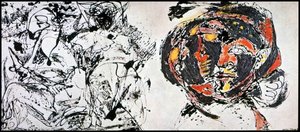
      Jackson Pollock’s Portrait and a Dream (1953) isn’t merely a painting; it’s an immersion into the very heart of Abstract Expressionism, a visceral embodiment of the artist’s process…

      Have it painted by hand →
      Number 3 (1948) od Jackson Pollock
      #25

      Number 3

      1948

      Jackson Pollock: A Revolutionary in Abstract Expressionism Jackson Pollock (1912-1956) stands as a monumental figure within the abstract expressionist movement, forever altering the trajectory of modern art. His…

      Order this canvas →
      Ocean Greyness od Jackson Pollock
      #26

      Ocean Greyness

      Ocean Greyness is an oil painting created by Jackson Pollock in 1953. This work measures 229 x 146.7 cm and is currently held in the Solomon R. Guggenheim…

      Have it painted by hand →
      The Moon-Woman od Jackson Pollock
      #27

      The Moon-Woman

      To stand before Jackson Pollock’s "The Moon-Woman" is to enter a realm where the boundaries between reality and the subconscious begin to dissolve. At first glance, the viewer…

      Bring this light home →
      Lucifer (1947) od Jackson Pollock
      #28

      Lucifer

      1947

      Jackson Pollock’s “Lucifer,” painted in 1947, isn’t merely a painting; it’s an immersion. Measuring a substantial 268 x 104 cm, this work embodies the raw energy and profound…

      Have it painted by hand →
      Woman od Jackson Pollock
      #29

      Woman

      Jackson Pollock's “Woman,” completed in 1945 and currently residing within the hallowed halls of the Museum of Modern Art in New York City, isn’t merely a painting; it’s…

      Bring this light home →
      Untitled (Naked Man) od Jackson Pollock
      #30

      Untitled (Naked Man)

      A Figure Forged in Turmoil: Exploring Pollock’s ‘Untitled (Naked Man)’ This powerful painting by Jackson Pollock plunges the viewer into a vortex of emotion and raw energy. Depicting…

      Have it painted by hand →
      Lavender Mist_Number 1 od Jackson Pollock
      #31

      Lavender Mist_Number 1

      Jackson Pollock’s “Lavender Mist_Number 1” isn't merely a painting; it’s an immersion, a visceral experience captured on canvas. This seminal work from the late 1940s embodies the revolutionary…

      Have it painted by hand →
      Birth od Jackson Pollock
      #32

      Birth

      A Tempestuous Birth: Decoding Pollock’s Abstract Vision Jackson Pollock's *Birth* (1948-51) is a pivotal work within his mature “drip” period and a cornerstone of Abstract Expressionism. More than…

      Order this canvas →
      Blue (Moby Dick) od Jackson Pollock
      #33

      Blue (Moby Dick)

      Jackson Pollock's “Blue (Moby Dick),” painted in 1943, isn’t merely a canvas splashed with color; it’s an immersive experience, a visual embodiment of the anxieties and primal forces…

      Order this canvas →
      The key (1946) od Jackson Pollock
      #34

      The key

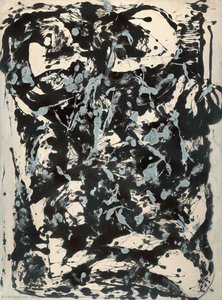
      1946 · Art Institute of Chicago

      A Dance Across Canvas: Exploring Jackson Pollock’s ‘The Key’ Subject Matter & Composition The artwork depicts a group of individuals engaged in various postures—seated on chairs, standing upright,…

      Bring this light home →
      Untitled II od Jackson Pollock
      #35

      Untitled II

      To stand before an Untitled II by Paul Jackson Pollock is not merely to observe paint on canvas; it is to witness an event. It is a raw,…

      Bring this light home →
      Cathedral od Jackson Pollock
      #36

      Cathedral

      Introduction to Jackson Pollock and Abstract Expressionism Paul Jackson Pollock, known professionally as Jackson Pollock, was an American painter and a major figure in the abstract expressionist movement.…

      Have it painted by hand →
      Number 27, 1950 od Jackson Pollock
      #38

      Number 27, 1950

      Jackson Pollock’s ‘Number 27, 1950’: A Symphony of Controlled Chaos Number 27, 1950 is a landmark achievement in the history of Abstract Expressionism, embodying the movement's radical departure…

      Have it painted by hand →
      Circumcision January (1946) od Jackson Pollock
      #40

      Circumcision January

      1946

      Jackson Pollock, a titan of 20th-century art, remains synonymous with abstract expressionism. His painting, Circumcision January, exemplifies his groundbreaking approach and continues to captivate viewers with its dynamic…

      Bring this light home →
      Sheet of Studies (1941) od Jackson Pollock
      #41

      Sheet of Studies

      1941

      A Window into Pollock’s Subconscious: “Sheet of Studies” (1941) This intensely energetic work on paper, created in 1941, offers a fascinating glimpse into the formative period of Jackson…

      Have it painted by hand →
      Number 12, 1949 od Jackson Pollock
      #42

      Number 12, 1949

      A Universe Within: Decoding Jackson Pollock’s “Number 12, 1949” Jackson Pollock's "Number 12, 1949" isn't simply a painting; it’s an event frozen in time – a visual record…

      Order this canvas →
      War od Jackson Pollock
      #43

      War

      War: A Descent into Chaos – Jackson Pollock’s Post-Traumatic Masterpiece Jackson Pollock's *War*, painted in 1947, isn’t merely a canvas splashed with color; it’s a visceral embodiment of…

      Bring this light home →
      Marrón y plata od Jackson Pollock
      #44

      Marrón y plata

      A Symphony of Shadow and Silver: Exploring Jackson Pollock’s “Marrón y plata” Jackson Pollock's "Marrón y plata" ("Brown and Silver") stands as a pivotal work within his celebrated…

      Bring this light home →
      Pattern (1945) od Jackson Pollock
      #45

      Pattern

      1945

      is a work by the American artist Paul Jackson Pollock. He painted this canvas in 1945, a year that marked his move from the streets of Manhattan to…

      Bring this light home →
      Number 10 (1949) od Jackson Pollock
      #46

      Number 10

      1949

      A Tempestuous Vision: Exploring Jackson Pollock’s ‘Number 10’ Number 10, created in 1949, stands as a monumental example of Jackson Pollock's revolutionary drip painting technique and the apex…

      Bring this light home →
      Untitled 28 od Jackson Pollock
      #47

      Untitled 28

      A Visceral Encounter: Decoding Jackson Pollock’s “Untitled 28” This intensely compelling work by Jackson Pollock, known simply as “Untitled 28,” offers a raw and unsettling glimpse into the…

      Bring this light home →
      Number 25 (1950) od Jackson Pollock
      #48

      Number 25

      1950

      To stand before Number 25 is to confront pure, unmediated action. This canvas does not merely depict an image; it records an event—a moment of intense physical and…

      Untitled (1939) od Jackson Pollock
      #49

      Untitled

      1939 · Art Institute of Chicago

      The canvas known as Untitled emerges from 1939, a moment when Jackson Pollock begins to navigate the turbulent currents of his own creative impulses. This abstract expressionist work…

      Order this canvas →
      Untitled 6 od Jackson Pollock
      #50

      Untitled 6

      A Tempest of Emotion: Exploring Jackson Pollock’s Untitled 6 This captivating work by Jackson Pollock plunges viewers into a dynamic world of abstract expressionism. *Untitled 6* is not…

      Have it painted by hand →
      Full Fathom Five od Jackson Pollock
      #51

      Full Fathom Five

      In the annals of American art history, few works capture the raw, unbridled energy of a movement quite like Paul Jackson Pollock’s Full Fathom Five. Painted in 1947,…

      Have it painted by hand →
      Cut out od Jackson Pollock
      #54

      Cut out

      Jackson Pollock, born on January 28, 1912, was an American painter who played a significant role in the abstract expressionist movement. He is renowned for his unique style…

      Have it painted by hand →
      Masked Image od Jackson Pollock
      #55

      Masked Image

      The canvas breathes with a restless energy, presenting a singular, stylized visage that seems to emerge from a thicket of overlapping shapes. This is not a portrait in…

      Bring this light home →
      Untitled od Jackson Pollock
      #56

      Untitled

      A Glimpse into Pollock’s Preparatory Process: An Early Study in Motion This captivating work on paper offers a rare look into Jackson Pollock's artistic development *before* his iconic…

      Order this canvas →
      Portrait of H.M od Jackson Pollock
      #57

      Portrait of H.M

      Paul Jackson Pollock's “Portrait of H.M.”, a work shrouded in mystery and brimming with raw energy, isn’t merely a painting; it’s an immersive experience. Created during a turbulent…

      Have it painted by hand →
      Summertime: Number 9A (1948) od Jackson Pollock
      #58

      Summertime: Number 9A

      1948 · Tate Modern

      Jackson Pollock’s “Summertime: Number 9A,” painted in 1948, isn't merely a canvas splashed with color; it’s an immersive experience, a visceral representation of the artist’s state of mind…

      Have it painted by hand →
      Untitled (1941) od Jackson Pollock
      #59

      Untitled

      1941

      A Moment Suspended: Exploring Jackson Pollock’s 1941 Untitled Work This striking work by Jackson Pollock, created in 1941, offers a fascinating glimpse into the artist's formative years –…

      Have it painted by hand →
      Untitled (Silkscreen I) od Jackson Pollock
      #60

      Untitled (Silkscreen I)

      In the realm of Abstract Expressionism, few works capture the raw, unbridled tension of human struggle as poignantly as Paul Jackson Pollock’s “Untitled (Silkscreen I).” This striking black…

      Order this canvas →
      Grayed Rainbow od Jackson Pollock
      #61

      Grayed Rainbow

      Art Institute of Chicago

      Jackson Pollock was a revolutionary figure in the abstract expressionist movement, reshaping artistic perception and challenging conventional notions of painting. His groundbreaking drip technique—characterized by pouring and splattering…

      Have it painted by hand →
      The Water Bull (1946) od Jackson Pollock
      #62

      The Water Bull

      1946 · Stedelijk Museum

      Subject and Composition This captivating abstract masterpiece immerses viewers in a whirlwind of vibrant colors and dynamic forms. While its subject remains open to interpretation, the energetic interplay…

      Bring this light home →
      Totem Lesson 2 (1945) od Jackson Pollock
      #63

      Totem Lesson 2

      1945

      Totem Lesson 2: An Exploration of Abstract Expressionism’s Chaotic Harmony Paul Jackson Pollock's "Totem Lesson 2," painted in 1945, stands as a cornerstone of Abstract Expressionism—a movement that…

      Have it painted by hand →
      Figure od Jackson Pollock
      #64

      Figure

      Jackson Pollock, a name synonymous with Abstract Expressionism and the revolutionary ‘drip’ technique, also harbored a period of intensely focused figuration that often goes unacknowledged. The work simply…

      Bring this light home →
      Untitled 9 od Jackson Pollock
      #65

      Untitled 9

      A Tempest of Emotion: Decoding Jackson Pollock’s “Untitled 9” This intensely evocative work by Jackson Pollock, designated “Untitled 9,” plunges the viewer into a swirling vortex of color…

      Have it painted by hand →
      Stenographic Figure (1942) od Jackson Pollock
      #66

      Stenographic Figure

      1942

      Jackson Pollock's 'Stenographic Figure,' painted in 1942, isn’t merely a depiction of a horse and rider; it’s a visceral embodiment of the anxieties and burgeoning freedom defining Abstract…

      Bring this light home →
      Number 3 (1949) od Jackson Pollock
      #67

      Number 3

      1949

      A Revolution in Paint: Exploring Jackson Pollock’s ‘Number 3’ Jackson Pollock's 'Number 3', created in 1949, stands as a monumental achievement within the Abstract Expressionist movement. Measuring 157…

      Order this canvas →
      Untitled 8 od Jackson Pollock
      #68

      Untitled 8

      The air feels heavy with the restless energy of Jackson Pollock as he confronts the vastness of "Untitled 8." This monumental painting emerges from a period of profound…

      Bring this light home →
      Number 8 od Jackson Pollock
      #69

      Number 8

      Jackson Pollock's "Number 8," created in 1949, stands as a pivotal work within the Abstract Expressionist movement. This piece exemplifies Pollock’s revolutionary “drip technique,” where paint was poured…

      Bring this light home →
      Head od Jackson Pollock
      #70

      Head

      A Visceral Exploration of the Human Condition Jackson Pollock’s *Head*, a work shrouded in some mystery due to its lack of definitive dating and detailed documentation, presents a…

      Have it painted by hand →
      Eyes in the Heat (1946) od Jackson Pollock
      #71

      Eyes in the Heat

      1946

      Eyes in the Heat Jackson Pollock's "Eyes in the Heat," created in 1946, is a seminal work that embodies the essence of Abstract Expressionism. This painting, measuring 137…

      Bring this light home →
      Circle (1941) od Jackson Pollock
      #72

      Circle

      1941

      Jackson Pollock’s Circle: A Dance of Color and Chaos Jackson Pollock's “Circle,” painted in 1941, isn’t merely a depiction of a circle; it’s an embodiment of the burgeoning…

      Order this canvas →
      Untitled 23 od Jackson Pollock
      #73

      Untitled 23

      A Chaotic Symphony in Black and White: Deconstructing Pollock’s “Untitled 23” Jackson Pollock's "Untitled 23" isn’t merely an ink drawing; it’s a visceral exploration of energy, anxiety, and…

      Order this canvas →
      Easter and the Totem (1953) od Jackson Pollock
      #74

      Easter and the Totem

      1953

      Unveiling Jackson Pollock’s “Easter and the Totem” A Masterpiece of Abstract Expressionism: Jackson Pollock's 1953 painting, Easter and the Totem, stands as a pivotal work within the Abstract…

      Bring this light home →
      Untitled 13 od Jackson Pollock
      #76

      Untitled 13

      In the pantheon of twentieth-century art, few names command as much visceral respect and intrigue as Jackson Pollock. His work Untitled 13 serves as a profound testament to…

      Have it painted by hand →
      Ritmo de otoño od Jackson Pollock
      #77

      Ritmo de otoño

      In the pantheon of twentieth-century art, few works possess the raw, kinetic energy found in Jackson Pollock’s Ritmo de otoño. Created in 1950, this masterpiece serves as a…

      Bring this light home →
      Male and Female (1942) od Jackson Pollock
      #78

      Male and Female

      1942

      Jackson Pollock: A Pioneer of Abstract Expressionism Jackson Pollock (1912–1956) stands as one of the most transformative figures in 20th-century art, irrevocably altering perceptions of painting and establishing…

      Order this canvas →
      Miners od Jackson Pollock
      #79

      Miners

      Paul Jackson Pollock: A Pioneer of Abstract Expressionism Paul Jackson Pollock (1912-1956) stands as one of the most influential figures in 20th-century art, irrevocably shaping the trajectory of…

      Order this canvas →
      GREETINGS od Jackson Pollock
      #80

      GREETINGS

      Paul Jackson Pollock's “Greetings” stands as a testament to the radical spirit of Abstract Expressionism, encapsulating the movement’s core tenets within a deceptively simple composition. This artwork, created…

      Have it painted by hand →
      Troubled Queen od Jackson Pollock
      #81

      Troubled Queen

      A Realm of Inner Turmoil: Exploring Jackson Pollock’s Abstract Vision Jackson Pollock's "Troubled Queen," created in 1945, stands as a cornerstone of Abstract Expressionism—a movement that fundamentally challenged…

      Order this canvas →
      Number 23 (1948) od Jackson Pollock
      #82

      Number 23

      1948

      Jackson Pollock’s “Number 23,” completed in 1948, stands as an undeniable cornerstone of Abstract Expressionism—a movement that fundamentally challenged artistic conventions and prioritized emotional expression over representational accuracy.…

      Have it painted by hand →
      Untitled (Silkcreen no. VI) od Jackson Pollock
      #83

      Untitled (Silkcreen no. VI)

      A Dance of Chaos and Connection: Exploring Jackson Pollock’s “Untitled (Silkcreen no. VI)” Paul Jackson Pollock's "Untitled (Silkcreen no. VI)" stands as an emblem of Abstract Expressionism, a…

      Order this canvas →
      Untitled 27 od Jackson Pollock
      #84

      Untitled 27

      Jackson Pollock's “Untitled 27,” a monumental drip painting from 1950, stands as an emblem of Abstract Expressionism—a movement that irrevocably altered the course of twentieth-century art. More than…

      Order this canvas →
      Silver and Black I od Jackson Pollock
      #85

      Silver and Black I

      A Symphony of Chaos: Exploring Jackson Pollock’s “Silver and Black I” “Silver and Black I” is a powerful example of Jackson Pollock's revolutionary contribution to Abstract Expressionism, created…

      Bring this light home →
      Untitled 4 od Jackson Pollock
      #86

      Untitled 4

      In the realm of Abstract Expressionism, few works capture the raw, unbridled energy of the human psyche quite like Paul Jackson Pollock’s Untitled 4. This mesmerizing monochrome composition…

      Bring this light home →
      Shimmering Substance (1946) od Jackson Pollock
      #87

      Shimmering Substance

      1946

      Shimmering Substance: A Dance of Chaos and Control Jackson Pollock’s “Shimmering Substance,” completed in 1946, stands as a cornerstone of Abstract Expressionism—a movement that irrevocably altered the landscape…

      Order this canvas →
      Composition od Jackson Pollock
      #88

      Composition

      Jackson Pollock executed the painting titled Composition in 1949. This work emerged during a period when the artist was developing a specific approach to the canvas, moving away…

      Have it painted by hand →
      Gothic od Jackson Pollock
      #89

      Gothic

      The canvas known as Gothic emerges from the creative mind of Paul Jackson Pollock. Created in 1944, this work exists within the permanent collection of The Museum of…

      Have it painted by hand →
      Untitled (Cut-out) od Jackson Pollock
      #91

      Untitled (Cut-out)

      In the pantheon of Abstract Expressionism, few works capture the raw, visceral energy of the mid-century avant-garde quite like Paul Jackson Pollock’s "Untitled (Cut-out)." Created in 1954, a…

      Bring this light home →
      Going West (1935) od Jackson Pollock
      #92

      Going West

      1935

      Jackson Pollock's "Going West," painted in 1935, isn’t merely a depiction of a winter landscape; it’s a deeply personal narrative woven into the fabric of American pioneering spirit.…

      Order this canvas →
      Number 2 (1951) od Jackson Pollock
      #93

      Number 2

      1951

      A Symphony of Chaos and Color: Decoding Jackson Pollock’s “Number 2” Jackson Pollock's "Number 2," completed in 1951, stands as a cornerstone of Abstract Expressionism—a movement that irrevocably…

      Have it painted by hand →
      Number 3, 1950 od Jackson Pollock
      #94

      Number 3, 1950

      A Universe of Color: Exploring Jackson Pollock’s Number 3, 1950 Jackson Pollock's *Number 3, 1950* is arguably one of the most iconic and significant works of Abstract Expressionism.…

      Order this canvas →
      Untitled 1 od Jackson Pollock
      #95

      Untitled 1

      Paul Jackson Pollock (1912-1956), a titan of Abstract Expressionism, remains one of the most enigmatic figures in twentieth-century art. His monumental canvases—like “Untitled 1”—are not merely splashes of…

      Have it painted by hand →
      Echo od Jackson Pollock
      #96

      Echo

      Jackson Pollock’s “Echo,” Number 25, 1951, stands as a testament to the fervor of Abstract Expressionism—a movement that sought to liberate art from representational constraints and delve into…

      Order this canvas →
      Composition with Woman od Jackson Pollock
      #97

      Composition with Woman

      A Vortex of Emotion: Decoding Jackson Pollock’s Abstract Expressionism This captivating painting embodies the raw energy and emotional intensity that define Jackson Pollock's revolutionary contribution to 20th-century art.…

      Have it painted by hand →
      Untitled (1941) od Jackson Pollock
      #98

      Untitled

      1941

      Jackson Pollock's "Untitled," painted in 1941, stands as a cornerstone of Abstract Expressionism—a movement that fundamentally challenged artistic conventions and prioritized spontaneous gesture over meticulous representation. This monumental…

      Order this canvas →
      Orange Head od Jackson Pollock
      #99

      Orange Head

      V polovine 20. storočia sa v umení zrodil žánr, ktorý otriasol základy tradičných konvencií – abstraktný expressionizmus. Tento prúd nebol o reprezentácii sveta, ale o vyjadrenie najhlbších emócií…

      Have it painted by hand →
      Untitled (13) (1943) od Jackson Pollock
      #100

      Untitled (13)

      1943

      Jackson Pollock: A Pioneer of Abstract Expressionism Jackson Pollock (1912-1956) stands as one of the most influential figures in 20th-century art, irrevocably altering the landscape of painting and…

      Have it painted by hand →

      Jackson Pollock's canvases, period by period

      What Jackson Pollock painted most

      The four subjects that return most often on these canvases, each with its best-loved example.

      Where Jackson Pollock's canvases hang

      6 múzeá, v ktorých sa nachádza najviac obrazov z tejto stránky.

      Múzeá Mesto Diela umelca Jackson Pollock Obrazy z tohto zoznamu
      MoMA - Museum of Modern Art, New YorkMoMA - Museum of Modern Art New York 4 Biele svetlo, Number 1, There Were Seven in Eight
      Art Institute of Chicago, ChicagoArt Institute of Chicago Chicago 3 The key, Untitled, Grayed Rainbow
      Private collection, New York CityPrivate collection New York City 1 Číslo 1, 1949
      Chrysler Museum of Art, NorfolkChrysler Museum of Art Norfolk 1 Number 23, 1951
      Tate Modern, LondýnTate Modern Londýn 1 Summertime: Number 9A
      Stedelijk Museum, AmsterdamStedelijk Museum Amsterdam 1 The Water Bull

      Jackson Pollock's best-loved canvas of each decade

      1. 1930s
        The Flame (1938) od Jackson Pollock
        Ranked 23 of 100

        The Flame

        Vek 18 – 27

        The painting The Flame consists of oil on fiberboard, measuring 51 x 76 cm. The surface features a central motif of an incandescent blaze that moves through an…

      2. 1940s
        Number 5 (1948) od Jackson Pollock
        Ranked 7 of 100

        Number 5

        Vek 28 – 37

        A Universe Unfurled: Decoding Jackson Pollock’s No. 5, 1948 Jackson Pollock’s *No. 5, 1948* isn't simply a painting; it is an event frozen in time – a visual…

      3. 1950s
        Číslo 1, 1949 (1950) od Jackson Pollock
        Ranked 2 of 100

        Číslo 1, 1949

        Vek 38 – 44 · Private collection

        Vytvorené v roku 1950, toto podmanivé dielo stelesňuje revolučného ducha abstraktného expresionizmu a predstavuje vrcholný príklad ikonickej „kvapkacej“ techniky Jacksona Pollocka. S pôsobivými rozmermi 240 x 120 cm…

      About Jackson Pollock's canvases: your questions answered

      What is the best-known painting by Jackson Pollock?Read the answer

      Jeseňský Rytmus. Číslo 30, 1950, followed by Číslo 1, 1949 (1950) and Konvergence.

      What are the 10 most famous paintings by Jackson Pollock?Read the answer

      Jeseňský Rytmus. Číslo 30, 1950, Číslo 1, 1949, Konvergence, Číslo 1A, Biele svetlo, One. Number 31, 1950, Number 5, Mural, Number 5 a Alchemy. Each canvas in the ranking above comes with its year and its museum.

      How many works did Jackson Pollock paint in all?Read the answer

      186 works by Jackson Pollock are in our catalogue, dated 1935 to 1954.

      Where can I see Jackson Pollock's most famous canvases?Read the answer

      Mostly in MoMA - Museum of Modern Art (New York), Art Institute of Chicago (Chicago) a Private collection (New York City); the list above names each museum and its canvases.

      When did Jackson Pollock paint the best-loved canvases?Read the answer

      In 1940s, which gave 29 of the 100 works on this page, Number 5 among them.

      Which are Jackson Pollock's earliest and latest famous canvases?Read the answer

      The earliest canvas here is Going West (1935); the latest is Biele svetlo (1954).

      What did Jackson Pollock paint most often?Read the answer

      Drip painting (43), Color field (31) a Chaos (27), across the 100 works on this page.

      Which medium did Jackson Pollock paint in most often?Read the answer

      Acrylic On Canvas, used in 39 of the 100 works on this page.

      Which movement is Jackson Pollock's painting part of?Read the answer

      Abstract expressionism, as the canvases on this page show.

      Which Jackson Pollock canvases hang at the MoMA - Museum of Modern Art?Read the answer

      The MoMA - Museum of Modern Art, New York holds 3 of the works on this page, among them Biele svetlo, Number 1 a There Were Seven in Eight.

      Can I buy a reproduction of a Jackson Pollock canvas?Read the answer

      Yes. Every painting on this page can be ordered from its own page as an oil reproduction painted by hand, or as a fine art print, in the size you choose.

      Jackson Pollock: a life in paint

      Rané roky, rodina a vzdelávanie

      Príbeh, ktorý patrí Paul Jackson Pollock, sa začína v drsnávej krajine Cody v Wyomingu, kde sa 28. januára 1912 narodil najmladší z piatich bratov, syn Stelly May McClure a LeRoya Pollocka. Jeho otec pracoval ako geodét, povolanie, ktoré si vyžadovalo neustály pohyb cez nekonečné plochy amerického Wild Westu. Tento nomádsky spôsob života znamenal, že rané roky mladého chlapca definovali časté sťahovania – neklid, ktorý sa zdal byť zrkadlom neustále sa meniacich obzorov jeho otcovia práce. Tieto rané cesty Západom mu poskytli priamu, neprostrednú skúsenosť s prírodou a duchovným rezonančným odrazom domorodého umenia Indianov, čo boli dojmy, ktoré sa potichnučky usadili v jeho podvedomom dávno predtým, než sa prvýkrát dotkol štetca.

      S rastúcim vekom ho hľadanie vlastného miesta vo svete viedlo k urbánnej energii pobrežia. Zapísal sa na strednú školu Manual Arts v Los Angeles, kde hľadal formálnu štruktúru pre svoje prastavajúce impulzy. Skutočné formovanie jeho umeleckého rukopisu však nastalo oveľa neskôr, keď sa presťahoval do New Yorku. Práve tam, v Art Students League, začal svoju dlhú a transformatívnu študijnú éru. Od roku 1929 do 1942 pracoval pod vedením Thomas Hart Benton. Zatiaľ čo Benton kladol dôraz na rytmické kompozície a naratívnu váhu amerického života, mladý študent už začínal siahnuť po vlastných, oveľa abstraktnejších, vnútorných pravdách.

      Vývoj unikátnej techniky

      Do roku 1947 sa v jeho prístupe k plátnu odohral hlboký prelom. Odtrhol sa od tradičného polostojiacaho treleža a namiesto toho sa rozhodol pokładať svoje plátna priamo na podlahu. Táto zmena mu umožnila stáť nad svojím dielom, čím sa stal súčasťou samotného kreatívneho procesu. Farbu nepoužíval len tak, že by ju nanášal; ona sa na plátno kvapkala, rozpleskávala a vyhadzovala sa z výšky, pričom tekutina dopadala do nepredvídateľných vzorov. Tento postup premenil akt maľovania na fyzické vystupovanie, kde o konečnej forme rozhodovali gravitácia a gesto.

      Jeho nástroje boli rovnako nekonvenčné ako jeho metódy. Po si mali siahnuť po tyčiach, nožoch, a dokonca aj injekčných striekačkách, aby manipuloval s tekutým médiom. Namiesto klasického pędzla niekedy využíval hladzátka alebo kvapkajúcu tekutú farbu na dosiahnutie špecifických textúr. Často do povrchu drásal alebo používal neobvyklé predmety, aby vytvoril hrubú, vrstvenú krustu farby, čím pridal prácam taktilnú, takmer sochársku kvalitu. Tento proces nebol o kontrolovanom ťahoch pędzla, ale skôr o rytmickom, takmer primárnom uvoľnení energie priamo na povrch plátna.

      Kľúčové diela a umelecká expresia

      Keď sa Paul Jackson Pollock odklonil od obmedzení klasického polostoja, jeho plátna začali odzrazovať hlbší, až visceraľny vzťah s médium. V roku 1943 vytvoril Mural, monumentálne dielo o rozmeroch 2,4 x 6,1 m, ktoré demonštrovalo jeho schopnosť ovládať obrovskú plochu. V tomto období jeho skúma v rámci podvedomia a samotný akt maľovania viedli k dielom ako Eyes in the Heat, vytvoreným okolo roku 1946. Tieto kusy neboli len obrazmi, ale záznammi fyzickej prítomnosti, kde pohyb celého jeho tela diktoval umiestnenie každého kvapky a lúže farby.

      Nasledujúce roky boli obdobím, kedy si umelec dopracoval rytmické, celistvé kompozície, ktoré mu neskôr priniesli celosvetovú slávu. Snažil sa vytvoriť pocit nekonečného priestoru, v ktorom žiadny jediný bod nedominoval ostatným. Tento prístup je zjavný v diele Number 1, 1949, ktoré zachytáva surový výlev energie, aj v obraze Lavender Mist, Number 1, 1950, ktorý zostáva jedným z najvýznamnejších bodov jeho tvorby. V týchto díelach vytvára vzájomná interakcia kontroly a náhody jemnú rovnováhu, akoby farba bola uvoľnená do priestoru, a nie nanášaná na plátno.

      Jeho neskoršie experimenty neustále posúvali hranice toho, ako možno manipulovať s farbou na vodorovnej ploche. Často používal palice, nože alebo dokonca samotné nádoby na farbu, aby rozstrekoval pigment, čo vytváralo komplexné siete čiar. Tento metódu je jasne vidieť v obraze Blue Poles, Number 11, 1952 a v energetickom diele Convergence. Prostredníctvom týchto prác dosiahol stav, v ktorom sa maľba zdala mať vlastný život, vyváriosť z hlbokej imersie do jeho vlastnej predstavivosti.

      Patróni, ateliér a zamavnávky

      Cesta jeho kariéry bola formovaná tak spoločenskou nevyhnutnosťou, ako aj veľkorysťou niekoľkých kľúčových podporovateľov. Medzi rokmami 1938 a 1942 našiel stabilné uplatnenie ako maliar v rámci federálneho umeleckého projektu WPA, čo bolo obdobie, ktoré dodalo potrebný rytmus jeho vtedy ešte formujúcej sa tvorbe. Túto stabilitu však nahradilo oveľa osobnejšie a transformatívne spojenie, keď mu Peggy Guggenheim v júli 1943 ponúkla galérijský kontrakt. Jej podpora bola viac než len profesionálna; v roku 1945 jej poskytla 2 000 dolárov ako prispôsobenú zálohu na zabezpečenie domova, čo bol gestá, ktoré hlboko prepojilo jeho osobný život s jeho umeleckou existenciou.

      Jeho tvorkeň nakoniec našiel svoje centrum v East Hamptone na New Yorku. Tam, v dome a štúdiu Pollock-Krasner, žil a tvoril spolu so svojou manželkou, Lee Krasner. Ateliér bol miestom intenzívneho fyzického pohybu, kde sa hranice medzi umelcom a plátnom rozpúšťali. Často sa vzdával tradičného polostojiaka, namiesto toho sa jeho plátna ležali priamo na podlahe, aby sa mohol pracovať s farbou zo všetkých strán. Tento pracovný priestor nebol len miestom produkcie, ale pôsobiskom hlbokej, nehybnej energie, kde sa odohrávali jeho najradikálnejšie experimenty.

      Neskoršie roky a smrť

      Osobný život umelca bol hlboko prepletený s jeho tvorivými krizami. V roku 1945 sa vydal za manželkou umelkyňu Lee Krasner, čo bol zväzok, ktorý predstavoval významnú prítomnosť v jeho živote počas jeho najtransformatívnejších rokov. Avšak pod povrchom jeho profesionálneho vzostupu však zostával trvalý tieň. Po celý svoj život bojoval s alkoholovou závislosťou, čo bol boj, ktorý často komplikoval jeho existenciu aj schopnosť zvládať tlak narastajúcej slávy.

      Tento vnútorný aj externý nepokoj dosiahol tragický koniec v East Hamptone v New Yorku v USA. 11. augusta 1956, vo veku 44 rokov, bol jeho život prerušený náhlou, násilnou nehodou. Počas jazdy sa stal obetou autonehody spôsobenej alkoholom. Havária bola fatálna, čo zanechalo po ňom odkaz, ktorý bol rovnako búrlivý, ako farby, ktoré rozstrekoval po svojich plátnach.

      Odkaz a vplyv na modernú umeleckosť

      Vlny jeho radikálnych metód sa šírili ďaleko za steny štúdia v East Hamptone. Prelomom tradičného vzťahu medzi štetcom a polochou obrazu sa stal kľúčovou postavou hnutia abstraktného expresionizmu, čo bol posun, ktorý zásadne zmenil trajektóriu americkej kreativity. Jeho prítomnosť pomohla upevniť pozíciu New Yorku ako globálneho centra moderného umenia a presunula srdce avantgardy od európskej dominance. Bol jedným z prvých amerických maliarov, ktorí boli uznani ako rovnopodobní veľkým eurským majstrom deštavého 20. storočia, čím dokázal, že nový, viscerálny jazyk môže vziať pocin z pôdy Spojených štátov.

      Jeho vplyv pôsobil ako katalyzátor pre mnohé nasledujúce umelecké smerovnia, ktoré sa niesli v jeho stopách. Spôsob, akým komunikoval s plátnom – keďže ho nepovažoval za prostú plochu pre reprezentáciu, ale za arénu pre fyzickú akciu – otvoril dvere mnohým umelcom, ktorí sa snažili vyjadriť podvedomie prostredníctvom gesta. Tento dôraz na samotný proces tvorby zanechal trvalú stopu v histórii moderného umenia a zabezpečil, že spontánnosť a neplánované impulzy si navždy nájdú svoje miesto v umeleckom aparáte.

      Kde dnes uvidieť jeho diela

      Ak chceme svedčiť o fyzických stopách jeho pohybu, musíme vycestovať do veľkých inštitúcií, ktoré uchovávajú jeho radikálnu energiu. V New Yorku uchováva Museum of Modern Art niekoľko jeho pláten, ktoré divákom umožňujú stanúť si pred rozľahlými, necentrickými kompozíciami, ktoré definovali jeho éru. Národná galéria umenia vo Washingtonu D.C. tiež spravuje jeho diela a ponúka priestor na pozorovanie zložitých sieťí farieb, ktoré dosiahol svojimi jedinečnými metódami. Na druhý breh Atlantiku udržuje v svojich kolekciách živú prítomnosť aj londýnska Tate Gallery, čím zabezpečuje, že jeho vplyv zasahuje daleko za brehy Ameriky.

      Pre tých, ktorí hľadajú intímnejšie spojenie s jeho tvorivým procesom, ponúka dom a štúdio Pollock-Krasner v East Hamptone hlboký pocit miesta. Toto miesto, vyhlásené za národnú historickú pamiatku, bolo priestorom, kde žili a pracovali on aj jeho manželka Lee Krasnerová. Tento majetok zostáva dôležitým prepojením s jeho životom a zachováva prostredie, ktoré pod Sieť jeho prechod od tradičných foriem k spontánnym metódam na podlahe, ktoré zmenili smer moderného maľby. Prechádzanie týmito priestormi poskytuje pocit rozmerov a fyzickej reality jeho kreatívneho boja.

      • Number 1, 1949
      • Blue Poles: Number 11, 1952
      • Mural (1943)
      • Convergence

      Všetky 186 diela od Jackson Pollock →