


 Preverite v realnem okolju
 Pošlji kot čestitko
 Deli
Deli
 Podrobnosti
 Navodila

 Prenesi
 Podobni artefakti
 Rentgenski posnetek
 Predvajaj diaporama
 Statistika
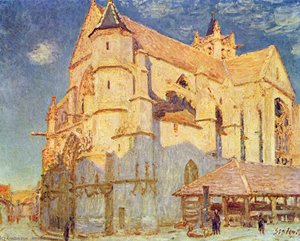
The Church at Moret, Rainy Morning
 Oil On Canvas
- WallArt
- Impressionist Landscape
 1893
1893 81.0 x 65.0 cm
Alfred Sisley’s Impressionist masterpiece captures a tranquil rainy morning scene at Moret Church, France—a luminous depiction of faith and fleeting light, inviting you to explore this serene beauty.
 Preberi več
Alfred Sisley (1839-1899): Britansko-francoski impresionist, znan po mirnih krajinah in rečnih prizorih, ki s subtilnimi barvami in svetlobo odražajo lepoto narave. Ključna figura impresionizma!
Ročno izdelana oljna reprodukcija
Ročno slikano olje na platnu v vaši izbiri velikosti in okvirja, izdelano po naročilu naših umetnikov. ( Preklop na tiskanine Preklop na digitalno sliko)




P118B $10

P118H $10

P118W $10

P438Z $10

P508JH $12

P508YH $12

P805H $10

P805Z $10

P919BZ $10

P919G $10

P919XJ $10

P959ZH $10

P968JZ $12

W106C $8

W218G $10

W218JH $8

W218Y $10

W307PJ $10

W316G $10

W316PJ $8

W316Y $10

W398PJ $8

W4111J $10

W500HY $15

W500JH $15

W692G $12

W849H $8

W940BG $15

W953PJ $8




Standardna velikost
po meri
CM
INCH
Izberite eno od naših vnaprej določenih velikosti, ki ustrezajo prvotnim proporcijam umetničkega dela.
Loading sizes...

širina
višina
Svoje dimenzije lahko vnesete tako, da se prilagodite določenemu okvirju ali prostoru. Če izbrana velikost ne ustreza razmerjem originalne slike, bomo umetniško delo obrezali ali sliko dopolnili z dodatnimi ročno naslikanimi elementi. Pred začetkom proizvodnje vam bo poslan digitalni osnutek v odobritev.
Upoštevajte, da predogled na zaslonu ne odraža dejanskega obrezovanja ali podaljšanja. Le osnutek bo natančno prikazal končno kompozicijo.
Čeprav so na voljo velikosti po meri, priporočamo izbiro dimenzije s preddefiniranega seznama, da ohranimo originalne razmere.
Primeri možnih sprememb: Zamenjava obraza s fotografijo stranke; Dodajanje hišnega ljubljenčka (npr. zamenjava mačke s psom); Vključitev skritega sporočila v ozadje; Sprememba pokrajine ali elementov v ozadju.
Po oddaji naročila bo ekipa TopImpressionists.com stranki po e-pošti poslala navodila in predogled digitalnega predogleda.
Po oddaji naročila bo ekipa TopImpressionists.com stranki po e-pošti poslala navodila in predogled digitalnega predogleda.
Mednarodna dostava () v 3/4 tednih namesto običajnih 5 tednov. (23 september). Brez kompromisov pri kakovosti.

Brezplačna ekspresna dostava po vsem svetu

Visokokakovostno laneno platno

Popolno zavarovanje pošiljke

Garancija povračila carine in uvoznih davkov

Garancija popolnega barvnega ujemanja

Politika vračila v 100 dneh (le v primeru okvar)

Garancija 100% povračila denarja

Popust pri večjem naročilu
 Možnost stekla je na voljo le za velikosti pod 110 cm

The Church at Moret, Rainy Morning
Tehnika reprodukcije
Velikost reprodukcije
-


Skupna cena
$ 269
A Moment Captured in Watercolor Light
Alfred Sisley’s “The Church at Moret, Rainy Morning,” painted in 1893, stands as a quintessential emblem of Impressionist art—a testament to the movement's dedication to portraying fleeting impressions rather than meticulously rendered details. Held within the Museum Langmatt in Switzerland, this canvas (81 x 65 cm) isn’t merely a depiction of a church; it’s an embodiment of atmosphere and emotion, skillfully conveyed through Sisley’s masterful use of watercolor.
The Essence of Impressionism: Light and Atmosphere
Sisley's artistic philosophy revolved around capturing the ephemeral qualities of light—a preoccupation shared with Monet and Renoir. He sought to convey not what he *saw*, but how it *felt*. “The Church at Moret, Rainy Morning” exemplifies this approach perfectly. The overcast sky casts a diffused glow upon the stone façade of Saint-Sulpice church, highlighting its architectural grandeur while simultaneously softening its contours. This deliberate blurring of lines is characteristic of Impressionism’s rejection of academic conventions and embraces spontaneity.
Technique and Composition: Broken Brushstrokes
Sisley achieved this luminous effect through a technique rooted in broken brushstrokes—a hallmark of Impressionist painting. Rather than blending colors smoothly, he applied pigment in short, irregular dashes that allowed individual strokes to retain their vibrancy and texture. These visible marks contribute significantly to the painting’s dynamism, mirroring the subtle movement of raindrops glistening on the church roof and surrounding buildings. The composition is balanced by the inclusion of an old building with a pointed roof—a deliberate choice reflecting Sisley's fascination with rural landscapes and architectural forms.
Historical Context: Monet's Fellow Traveler
Painted during a period of artistic experimentation, “The Church at Moret” aligns itself closely with the broader Impressionist movement. Sisley collaborated extensively with Claude Monet on numerous projects, sharing a similar vision for capturing the beauty of nature and experimenting with innovative painting methods. Like Monet’s works—particularly his series depicting Rouen Cathedral—Sisley aimed to distill the essence of a particular scene into a single moment in time, prioritizing sensory experience over precise representation.
Symbolism and Emotional Resonance
Beyond its technical brilliance, “The Church at Moret” possesses a subtle symbolic depth. The church itself represents faith and tradition—values that resonated deeply within the Impressionist artists’ worldview. However, Sisley's focus isn’t on conveying religious dogma; instead, he invites viewers to contemplate the serenity of a rainy day and the quiet contemplation afforded by simple surroundings. The painting evokes feelings of peace, tranquility, and nostalgia—capturing not just what was seen but how it felt to be present in that particular place and time.
Sorodna umetniška dela




Biografija umetnika
Alfred Sisley: Tihi mojster impresionizma in utelešenje svetlobe
Alfred Sisley, ime, ki se pogosto šepeta skupaj z Monetom, Renoirjem in Pissarrom, zavzema edinstveno in globoko lepo mesto v gibanju impresionizma. Rojen leta 1839 v Parizu, v družini britanskih staršev – William Sisley, trgovca s svilo, in Felicie Sell, glasbene navdušenke – je nosil dvojno dediščino, ki je subtilno oblikovala njegovo umetniško vizijo. Čeprav je preživel skoraj vse svoje življenje v Franciji, je ohranil britansko državljanstvo, kar mu je kasneje povzročilo razočaranje, ko so mu zavrnili prošnjo za francoško državljanstvo. Njegova zgodnja leta so bila udobna in buržoazna, kar mu je omogočalo študije, prvotno namenjene poslovni karieri v Londonu pri osemnajstih letih. Vendar ga je pritegnila umetnost in se je leta 1861 vrnil v Pariz, kjer je začel formalno usposabljanje pod vodstvom švicarskega umetnika Marca-Charlesa-Gabriela Gleyrea na École des Beaux-Arts. Tukaj je okrepil ključne prijateljske vezi z Monetom, Renoirjem in Bazillem – odnosi, ki so globoko oblikovali njegovo umetniško pot. Ti sopotniki so delili uporni duh, zavračajoč stroge konvencije akademskega slikarstva v prid zajemanju minljivih učinkov svetlobe in atmosfere neposredno iz narave.Slikanje na prostem: Sisleyjeva predanost
Sisleyeva neomajna predanost *plein air* slikanju – delu na prostem, neposrednem opazovanju narave – je bila temelj njegovega dela. Za razliko od nekaterih njegovih sodobnikov, ki so eksperimentirali z različnimi žanri, je ostal zvest krajini skozi svojo kariero. Ta osredotočenost mu je omogočila izpopolniti značilen slog, zaznamovan s spokojnostjo, nežnimi barvnimi paletami in subtilnim upodabljanjem svetlobe. Njegove platna so pogosto prežeta v bledih odtenkih zelene, roza, vijolične, prašne modre in smetanaste, kar ustvarja vzdušje mirnega razmišljanja. Čeprav so zgodnja dela večinoma izgubljena, njegove zasede platna razkrivajo skrbno opazovanje narave v kombinaciji s pesniško občutljivostjo. Ni bil zainteresiran za grandiozne pripovedi ali dramatične geste; namesto tega je našel lepoto v vsakdanjem – v nežnem toku reke, v posvetljenih žarkih svetlobe skozi drevesa in v tihem šarmu podeželske življenjske slike. Njegove zgodnje težave pri prepoznavanju so se še povečale zaradi finančnih težav njegovega očeta po francosko-pruski vojni leta 1870, kar je zahtevalo od Sisleyja, da se za svoje preživetje zanaša izključno na prodajo svojega dela – negotovo obstojnost, ki je zaznamovala veliko njegovih let. Bil je pravi impresionist, a eden, ki je med svojim življenjem pogosto deloval v relativni neopaznosti.Rečne krajine in utelešenje prostora
Ponavljajoče se teme prežemajo Sisleyevo ustvarjanje, najbolj opazen pa je njegov fascinacija z vodo. Krajine ob rekah so postale značilna tema, kot kaže serija slik, ki jo je ustvaril med potjo v Anglijo leta 1874 ob Temzi blizu Moleseyja. Ta dela, ki zajemajo spokojno lepoto reke in njene okolice, veljajo za eno njegovih vrhunskih dosežkov – "popoln trenutek impresionizma", kot ga je opisal umetnostni zgodovinar Kenneth Clark. Razvil je tudi globoko povezanost z Moret-sur-Loingom, kjer je prebivel leta in večno upodoblil njegove kanale, mostove in okoliško podeželje na številnih platnih. Slike kot "Vodeni mlin blizu Moreta", "Barke na Loing kanalu, pomlad" in “Polja okrog gozda” kažejo njegovo sposobnost, da navadne scene napolni s pesniškim sijajem. Ni le prikazal teh krajev; ujel je njihovo *esenco*, ne samo to, kako so izgledali, ampak tudi kako so se počutili – nežno vetričasto, toploto sonca in tih šum vode. Ta občutljivost za vzdušje in razpoloženje je morda Sisleyjeva najbolj trajna zapuščina.Vplivi in trajna zgodovina
Sisleyevi umetniški vplivi so bili večplastni. Gleyrejeva akademska izobrazba mu je dala tehnične temelje, medtem ko mu prijateljstvo z Monetom, Renoirjem in Bazillem je spodbudilo skupno zavezanost impresionističnim načelom. Absorbiral je njihov poudarek na zajemanju minljivih trenutkov svetlobe in atmosfere, vendar je razvil svoj edinstven glas – zaznamovan s zadržkom in subtilnostjo. Čeprav je med svojim življenjem pogosto deloval v relativni neopaznosti, se njegovo delo danes proslavlja zaradi svoje lepote, občutljivosti in neomajne predanosti upodabljanju narave. Njegov vpliv je mogoče videti v delih kasnejših krajinskih slikarjev, ki so si prizadevali ujeti prehodne kvalitete svetlobe in atmosfere s podobno nianso. Umrl je 29. januarja 1899 v Moret-sur-Loing star petinštirideset let in za seboj pustil delo, ki še naprej navdihuje občudovanje in spoštovanje. Alfred Sisley stoji kot priča moči mirne opazovalnosti, dokazuje, da prava umetniška mojstrnost ne leži v grandioznih gestah, temveč v sposobnosti razkriti izjemno lepoto, skrito v navadnem svetu. Predstavlja ključno povezavo med šolo Barbizon, s poudarkom na realističnem slikanju krajine, in polnim razcvetom impresionizma.Trajna pomembnost
Sisleyeva zgodovinska pomembnost sega onkraj njegove tehnične spretnosti in estetske občutljivosti. Njegova neomajna predanost slikanju na prostem, celo v težkih finančnih razmerah in kritični nezaupnosti, je utrla pot prihodnjim generacijam umetnikov, ki so si prizadevali osvoboditi se akademskih konvencij in sprejeti neposrednejšo interakcijo z naravo. Njegove slike ponujajo vpogled v hitro spreminjajoč se svet – svet na pragu sodobnosti – in nas spominjajo na trajno moč umetnosti, da ujame lepoto in spokojnost, ki ju je mogoče najti celo v najbolj skromnih krajinah. Bil je in ostaja mojster svetlobe, atmosfere in tihe poezije narave.- Glavne teme: Krajine, rečne krajine, kanali, podeželsko življenje, atmosferski učinki.
- Ključne značilnosti: Nežne barvne palete, subtilno upodabljane svetlobe, miren razpoloženje, slikanje na prostem.
- Vplivi: Marc-Charles-Gabriel Gleyre, Claude Monet, Pierre-Auguste Renoir, Frédéric Bazille, slikarji šole Barbizon.

Alfred Sislej
1839 - 1899 , Francija
Ključne informacije
- Datum Rojstva: 30. oktober 1839
- Državljanstvo: Britansko-francoska
- Kraj Rojstva: Pariz, Francija
- Polno Ime: Alfred Sisley
- Pomembna Dela:
- Vodeniček blizu Moreta
- Barge na kanalu Loing
- Poje okoli gozda
- Umetniki Pod Vplivom: ['Poznejši krajinskari']
- Umrlo: 29. januar 1899
- Vplivneži:
- Gleyre
- Monet
- Renoir
- Zvrst Umetnosti: Impresionizem
Sorodni članki

Oil on Board Masters: 10 Paintings That Redefined Art | TopImpressionists
Explore 10 legendary 'Oil on Board' masterpieces by Van Gogh, Monet & more! Discover art history, iconic styles like Impressionism, and find museum-quality reproductions to elevate your home decor. Explore the full collection online at TopImpressionists.com.

Oil on Canvas: A Historical & Technical Exploration of a Timeless Artistic Medium
Explore the rich history & enduring techniques of oil painting on canvas. Discover the science behind its longevity, conservation practices, and contemporary relevance. Expert insights for art enthusiasts.

Alfred Sisley: Capturing the Ephemeral Essence of Impressionist Landscape
Explore the life & art of Alfred Sisley, a master of Impressionist landscape painting. Discover his dedication to 'en plein air' techniques and serene depictions of nature. Learn about his legacy & find high-quality reproductions at TopImpressionists.

Paul Cézanne: 25 Mojstrovin, ki so spremenile svet umetnosti | TopImpressionists
Odkrijte 25 mojstrovin Paula Cézanna – od impresionističnih krajin do revolucionarnih tihožitij. Preberite zgodbe za vsako sliko, tehnike in navdih. Kvalitetne reprodukcije slik na TopImpressionists.com!

The Enduring Legacy of Oil on Canvas: Technique, History & Aesthetic Impact
Explore the rich history & techniques of oil painting – from Renaissance masters to Impressionism. Discover pigments, layering methods, and why this timeless medium endures. Expert insights for artists & art enthusiasts.
Raziščite umetniška dela, razvrščena po temah, slogih in značilnostih.


