

 Predogled v realnem okolju
 Pošlji
 Deli
Deli
 Podrobnosti o delu
 Priročnik

 Prenesi sliko
 Podobni izdelki
 Rentgenski posnetek
 Predvajaj diaporama
 Q&A
Q&A Statistika
The Dead Mother and Child

- 32.0 x 49.0 cm


A hauntingly visceral encounter with grief defines Edvard Munchs 1901 Expressionist masterpiece The Dead Mother and Child, a profound exploration of mortality that invites you to experience its raw emotional depth.
 Preberi več
Edvard Munch (1863-1944): norveški slikar, pionir ekspresionizma! Odkrijte 'Krik' in umetnost, ki raziskuje tesnobo, smrt, ljubezen ter psihološke teme. Njegova dela so ikonična izpoved o človeških čustvih.
Giclée tisk / Umetniški tisk
Giclée ali platnati odtis muzejske kakovosti z hitro proizvodnjo in prilagodljivimi možnostmi končne obdelave. ( Kupite ročno slikano delo Preklop na digitalno sliko)




P118B €10

P118H €10

P118W €10

P438Z €10

P508JH €12

P508YH €12

P805H €10

P805Z €10

P919BZ €10

P919G €10

P919XJ €10

P959ZH €10

P968JZ €12

W106C €8

W218G €10

W218JH €8

W218Y €10

W307PJ €10

W316G €10

W316PJ €8

W316Y €10

W398PJ €8

W4111J €10

W500HY €15

W500JH €15

W692G €12

W849H €8

W940BG €15

W953PJ €8




Standardna velikost
po meri
CM
INCH
Izberite eno od naših vnaprej določenih velikosti, ki ustrezajo prvotnim proporcijam umetničkega dela.
Loading sizes...

širina
višina
Vnesite širino in višino, ki jih potrebujete za svoj okvir ali steno. Tiskanje se lahko le odreže, vendar ga ni mogoče narediti večjega od slike, zato format z drugačno obliko pomeni izgubo dela slike. Pred tiskanjem vam pošljemo digitalni predogled za potrditev. Slika, prikazana na tej strani, ne prikazuje dejanskega izrezka — le predogled to omogoča.
Globalna dostava () v 2 tednih namesto standardnih 4/5 tednov. (1 november)

Brezplačna ekspresna dostava po vsem svetu

Visokokakovostno laneno platno

Popolno zavarovanje pošiljke

Garancija povračila carine in uvoznih davkov

Garancija popolnega barvnega ujemanja

100-dnevna politika vračil (le v primeru okvar)

Garancija 100% povračila denarja

Popust pri večjem naročilu
 Možnost stekla je na voljo le za velikosti pod 110 cm

The Dead Mother and Child
Giclée tisk / Umetniški tisk
Velikost reprodukcije
-


Skupna cena
€ 61
A Visceral Encounter with Grief
In the quiet, somber depths of Edvard Munch’s 1901 masterpiece, The Dead Mother and Child, viewers are not merely observers of a scene, but witnesses to an intimate tragedy. This haunting work stands as one of the most evocative pillars of the Expressionist movement, stripping away the decorative comforts of art to reveal a raw, unflinching confrontation with existential dread. The painting captures a moment of profound stillness—a heavy, suffocating silence that follows the departure of life. Through a stark, almost monochromatic palette of earthy browns and muted beiges, Munch establishes an atmosphere of deep melancholy, mirroring the artist’s own turbulent inner landscape and his lifelong preoccupation with the fragility of human existence.
The composition is masterfully engineered to evoke a sense of confinement and vulnerability. By utilizing a horizontal format, Munch emphasizes the daunting length of the bed, creating a visual path that leads the eye across the lifeless form of the mother toward the small, trembling figure of the child. There is a deliberate imbalance in this arrangement; the child stands slightly off-center, a solitary figure caught in the shadow of loss. This spatial tension reflects the isolation inherent in grief, making the artwork an incredibly powerful piece for those who appreciate art that explores the profound complexities of the human psyche and the weight of shared sorrow.
The Language of Line and Symbolism
Munch’s technique in this work transcends mere representation, moving into the realm of psychological portraiture. He employs a dualistic approach to line that serves as a visual metaphor for emotional states. The mother’s face is rendered with smoother, more tranquil lines, suggesting a peaceful surrender to death and a release from suffering. In stark contrast, the child’s presence is defined by jagged, chaotic, and agitated strokes. These restless lines weave through the child's hair and clothing, acting as a visual embodiment of fear, confusion, and the frantic energy of a spirit unable to comprehend the permanence of loss.
Every element within the frame is laden with symbolic weight. Perhaps the most poignant gesture is that of the child covering their eyes—a desperate, instinctive attempt to shield themselves from the unbearable reality of death. This movement transforms the painting from a simple depiction of a funeral scene into a universal symbol of the human struggle to face mortality. For collectors and interior designers, this piece offers more than just aesthetic value; it provides a profound narrative depth that can serve as a focal point in spaces dedicated to contemplation, intellectual rigor, or the celebration of emotive, historical storytelling.
An Enduring Legacy of Expressionism
To understand The Dead Mother and Child is to understand the birth of modern emotional expression. Emerging from a period of disillusionment with the fleeting light of Impressionism, Munch sought to capture what lay beneath the surface—the "inner life" that remains when all pretenses are stripped away. The artwork’s stylistic roots in Expressionism allow it to resonate across generations, as its themes of loss and the vulnerability of childhood remain timelessly relevant. The heavy use of etching-like lines and tonal variations gives the piece a textured, almost tactile quality that brings the somber mood into the physical space of the viewer.
Whether displayed as a high-quality reproduction in a curated gallery or as a soulful addition to a sophisticated residential collection, this work continues to command attention. It is an invitation to sit with discomfort, to acknowledge the shadows, and to find beauty in the honest portrayal of the human condition. For those seeking to decorate with intention, Munch’s work offers an unparalleled opportunity to integrate a piece of art history that is as intellectually stimulating as it is emotionally transformative.
Vprašanja in odgovori
V letu katerega je bilo ustvarjeno delo "The Dead Mother and Child" avtorja Edvard Munch?
"The Dead Mother and Child" izvira iz 1901. Ta datum delo situira v okvir Edvard Munchove kariere in obdobja, v katerem je nastalo.
Na katero obdobje v karieri Edvard Munch ustreza leto 1901 za delo "The Dead Mother and Child"?
Datum 1901 situira "The Dead Mother and Child" v Mature Period razvoja umetnika Edvard Munch.
Katere barve prevladujejo v delu "The Dead Mother and Child" avtorja Edvard Munch?
"The Dead Mother and Child" zaznamja barvna paleta Neutrals, ki ji prevladuje Espresso (#503e38)."
Biografija umetnika
Življenje v senci: Svet Edvarda Muncha
Edvard Munch, rojen leta 1863 med surovimi pokrajinami Norveške, je bil umetnik, katerega delo je postalo sinonim za tesnobe in čustvene stiske moderne dobe. Njegovo življenje, globoko zaznamovano s smrtjo in stalnim melanholičnim občutkom, je bilo vir njegove izjemno ekspresivne umetnosti. Že otroštvo, ki ga je zaznamovala zgodnja smrt matere in sestre – obe žrtvi tuberkuloze – je pri Munchu vzbudilo preganjajočo obsedenost z umrljivostjo, boleznijo in krhkostjo človeškega obstoja. Te izkušnje niso bile le biografijske podrobnosti; postale so bistvo njegove umetniške vizije, ki je napajala njegovo neusmiljeno raziskovanje notranje pokrajine strahu, žalosti in hrepenenja. Strog verski nauk njegovega očeta in same težave z duševnim zdravjem so prispevale k občutku grozečnosti, ki je prežemala Munchov svet, oblikovala ne le njegovo osebno življenje, temveč tudi simbolsko govorico njegovih slik. On ni le prikazoval prizorov; izražal je notranje stanje, pretvarjal psihološko stisko v vizualno obliko.
Genesis Ekspresije: Vplivi in umetniška pot
Munchova umetniška pot se je začela z uradnim usposabljanjem na Kraljski šoli za umetnost in oblikovanje v Kristianii (Oslo), vendar ga je resnično razplamtel stik z boemskimi krogi in nihilistično filozofijo Hansa Jægerja. Jæger mu je priporočal, naj zapusti konvencionalne akademske stile in se namesto tega potopi v globine lastnih subjektivnih izkušenj, koncept, ki ga je poimenoval "slikanje duše". Ta prelomnica je zaznamovala začetek Munchovega značilnega sloga – obarvanega s surovimi emocijami, deformiranimi oblikami in zavrnitvijo naravne reprezentacije. Njegova potovanja v Pariz v 1890-ih so ga izpostavila razcvetu postimpresionističnega gibanja, kjer je vpijal vplive umetnikov, kot so Paul Gauguin, Vincent van Gogh in Henri de Toulouse-Lautrec. Kretna uporaba barve, ekspresivne poteze čopiča in psihološka intenzivnost teh mojstrov so se globoko odzvale v Munchovih umetniških nagnjenjih. On ni le posnemal njihovih tehnik; sintetiziral jih je v nekaj povsem svojega – vizualni jezik, ki je bil sposoben prenesti najgloblje in najbolj moteče človeške emocije. Čas v Berlinu se je izkazal za ključen, ko je prišel v stik z dramaturgom Augustom Strindbergom, katerega raziskovanje psiholoških tem je dodatno spodbudilo Munchove umetniške preizkušnje.
Ikonični viziji: Glavna dela in simbolska teža
Munchovo delo je polno slik, ki so se globoko vtisnile v kolektivno vest.Krik, morda njegovo najbolj ikonično delo, presega status slike in postane univerzalni simbol eksistencialne tesnobe. Spiralna, ognjemetna pokrajina in figura z izkrivljenim obrazom utelešata prvotni krik proti brezbrižnosti vesolja.Madona, kontroverzno in globoko osebno delo, raziskuje teme seksa, materinstva in umrljivosti s pretresljivo odprtostjo. Ponavljajoče se motive, kot jeBolni otrok – navdihnjena z izgubo njegove sestre Sophie – služijo kot ganljivi opomniki na Munchovo otroško travmo in stalno senco smrti.Melanholija I & II, močni prizori globoke žalosti in osamljenosti, razkrivajo ranljivost, ki je hkrati zelo osebna in univerzalno razumljiva. Ta dela niso le reprezentacije zunanjega sveta; so okna v umetnikovo dušo, ki gledalcem ponujajo neusmiljeno vpogled v najtemnejše kotičke človeške psihe. Munch ni želel ustvariti lepih slik; je hotel prenesti resnico – tudi če je bila ta boleča in moteča.
Trajna zapuščina: Zgodovinski pomen in trajen vpliv
Edvard Munchov prispevek k moderni umetnosti je neprecenljiv. Stoji kot ključna figura pri razvoju ekspresionizma, odpirajoč pot umetnikom, ki so dali prednost subjektivni čustvi nad objektivno reprezentacijo. Njegovo brezkompromisno raziskovanje univerzalnih človeških izkušenj – ljubezni, izgubi, tesnobi in smrti – še danes resonira z občinstvom, kar utrjuje njegovo mesto kot ene najvplivnejših in trajnih figur v zgodovini umetnosti. Njegovo delo je globoko prizadelo naslednje generacije umetnikov, vplivalo na gibanja, kot sta nemški ekspresionizem in druge. Drznil je soočiti se s temnimi vidiki človeške kondicije, izzval konvencionalne predstave o lepoti in umetniškem predstavljanju. Tudi po dosegu slave in priznanja – ki so se kronale z ustanovitvijo Munchovega muzeja v Oslu – je ostalo njegovo osebno življenje turbulento, zaznamovano s obdobji duševne nestabilnosti in osamljenosti. Vendar pa je kljub temu še naprej ustvarjal, za seboj pustil delo, ki še danes sproža, izziva in navdihuje. Munchova zapuščina ni le o slikah samih; gre za pogum soočiti se s kompleksnostmi človeškega obstoja in te izkušnje pretvoriti v umetnost, ki govori do najglobljih delov našega bitja.

Edvard Munch
1863 - 1944 , Švedska
Hitri podatki
- Datum Rojstva: 12. december 1863
- Datum Smrti: 23. januar 1944
- Kraj Rojstva: Adelsbruk, Švedska
- Nacionalnost: Norvežan
- Pod Vplivom: ['Nemški ekspresionizem']
- Polno Ime: Edvard Munch
- Umetniški Slog: Ekspresionizem
- Vplivneži:
- Paul Gauguin
- Van Gogh
- Toulouse-Lautrec
- Znani Dela:
- Krik
- Madona
- Bolni otrok
Sorodni članki

Earthy Hues & Masterpieces: Top 10 Paintings with 'Mushroom' Tones |
Explore 10 iconic paintings with captivating 'mushroom' tones! Discover Van Gogh, Monet & Rembrandt’s masterpieces—earthy palettes, rich history & artistic techniques. Find museum-quality art reproductions and curated decor ideas at

Sandy Brown Masterpieces: 10 Iconic Paintings & Timeless Decor Ideas
Explore 10 iconic paintings bathed in captivating sandy brown tones! From Rembrandt to Monet, discover the stories behind these timeless masterpieces & find museum-quality art reproductions for your home. Explore the full collection on TopImpressionists.com.

Rosy Brown Hues: 10 Master Paintings & Timeless Decor Ideas |
Explore 10 iconic paintings bathed in captivating rosy brown tones! From Rembrandt to Titian, discover the stories behind these masterpieces & their warm color palettes. Find museum-quality art reproductions and decor inspiration at .
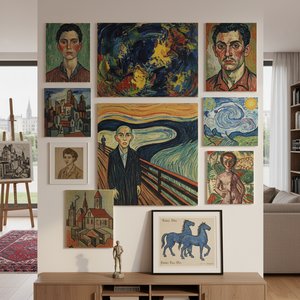
Izrazi čustev: 10 mojstrovin ekspresionizma za vaš dom
Odkrijte 10 mojstrovin ekspresionizma, ki so zaznamovale umetnost! Edvard Munch, Nolde & Kirchner – spoznajte zgodbe in čustva za vsakim delom. Najboljša zbirka reprodukcij na TopImpressionists.com!

Egon Schiele: 25 Mojstrovin Ekspresionizma za Vaš Dom | TopImpressionists
Odkrijte 25 mojstrovin Egona Schieleja – avstrijskega ekspresionista! Preberite zgodbe za vsako sliko, tehnike in simbolizem. Kvalitetne reprodukcije slik za vaš dom na TopImpressionists.com. Raziskajte celotno zbirko online!
Raziščite umetniška dela, razvrščena po temah, slogih in značilnostih.


