

Shown: · With its frame:
 Predogled v realnem okolju
 Pošlji
 Deli
Deli
 Podrobnosti o delu
 Priročnik

 Prenesi sliko
 Podobni izdelki
 Rentgenski posnetek
 Predvajaj diaporama
 Q&A
Q&A Statistika
- 42.0 x 57.0 cm


€ 239
Ročno izdelana oljna reprodukcija
Ročno slikano olje na platnu v vaši izbiri velikosti in okvirja, izdelano po naročilu naših umetnikov. ( Preklop na tiskanine Preklop na digitalno sliko)
Size
·Standardna velikost
po meri
CM
INCH
Izberite eno od naših vnaprej določenih velikosti, ki ustrezajo prvotnim proporcijam umetničkega dela.
Loading sizes...

širina
višina
Vnesite širino in višino, ki jih potrebujete, da se slika prilega vašemu okviru ali steni. Ker je delo ročno slikano, lahko umetnik pri različnih oblikih slik pri robovih doda malo več barve ali pa jih malo odreže — izberite sami. Pred začetkom slikanja vam pošljemo digitalni predogled za potrditev. Slika, prikazana na tej strani, ni končni rezultat — le predogled prikazuje dejansko podobo.
 Preberi več
Finish
·
White €1

Blurside €1

Extended €1

P118B €10

P118H €10

P118W €10

P438Z €10

P508JH €12

P508YH €12

P805H €10

P805Z €10

P919BZ €10

P919G €10

P919XJ €10

P959ZH €10

P968JZ €12

W106C €8

W218G €10

W218JH €8

W218Y €10

W307PJ €10

W316G €10

W316PJ €8

W316Y €10

W398PJ €8

W4111J €10

W500HY €15

W500JH €15

W692G €12

W849H €8

W940BG €15

W953PJ €8

H24-GOLD €30

H24-SILVER €30

H36-GOLD €45

H36-SILVER €45
Shipped in a protective tube, ready for your own framer.
Above 105 cm the frame is shipped as a kit for a professional framer — read the details.
Extras
optionalWhat do the extras include?
Examples of what can be changed: Replace face with customer photo; Add pet (e.g., replace cat with dog); Include hidden message in background; Change background landscape or elements.
After order, TopImpressionists.com team will email client for instructions and provide a mockup preview
After order, TopImpressionists.com team will email client for instructions and provide a mockup preview
Mednarodna dostava () v 3/4 tednih namesto običajnih 5 tednov. (1 november). Brez kompromisov pri kakovosti.
Zaščitni lak
Značka z imenom
Podrobnosti o gravirani bronasti plošči
This elegant plaque features the artist's name and the title of the artwork, finely engraved for a timeless presentation.
It is made from bronze with a refined, elegant finish. The text is precisely laser-engraved for a sharp and permanent result. Measuring 9x2 cm, the plaque is compact yet easy to read. It's built to be durable and scratch-resistant, offering a professional, museum-quality look. Mounting is simple thanks to the included adhesive backing.
Podrobnosti o transparentni akrilni plošči
The plaque includes essential engraved details such as the artist's name, the title of the artwork, the date it was created, the type of media used-like oil on canvas or watercolor-a brief description of the piece, and a QR code that links to the complete artwork information.
It is crafted from clear acrylic, offering a sleek, modern appearance. The text is UV-engraved in black to ensure strong visual contrast. With a size of 10x15 cm, it ensures optimal readability. It comes equipped with two metal hooks for secure wall mounting. The plaque is designed to be weather-resistant, making it suitable for various environments, and it includes interactive features that work seamlessly with smartphone scanning.
Podrobnosti o črni akrilni plošči
This elegant plaque includes engraved information such as the artist's name, the title of the artwork, the date it was created, the type of media used (like oil on canvas or watercolor), a short description of the artwork, and a QR code for quick access to more information.
The plaque itself is made from refined black acrylic with a premium finish. The text is laser-engraved in white for high contrast and readability. Its size is 10x15 cm, designed to be easy to read. It comes with two metal hooks for professional mounting. The design is sleek and fits any interior style. It is also weather-resistant and durable, with built-in digital integration for mobile compatibility.
Možnost stekla je na voljo le za velikosti pod 110 cm
 Možnost stekla je na voljo le za velikosti pod 110 cm
- Brezplačna ekspresna dostava po vsem svetu
- Visokokakovostno laneno platno
- Popolno zavarovanje pošiljke
- Garancija povračila carine in uvoznih davkov
- Garancija popolnega barvnega ujemanja
- 100-dnevna politika vračil (le v primeru okvar)
- Garancija 100% povračila denarja
- Popust pri večjem naročilu


Opis zbirateljskega predmeta
Edvard Munchova 'Bolna Hči II': Mladica s rdečimi lasmi v ekspresivnem, melanholičnem stilu iz leta 1896. Odkrijte to močno umetnino, ki izraža bolečino in osamljenost. Razširite svojo zbirko!
Biografija umetnika
Edvard Munch (1863-1944): norveški slikar, pionir ekspresionizma! Odkrijte 'Krik' in umetnost, ki raziskuje tesnobo, smrt, ljubezen ter psihološke teme. Njegova dela so ikonična izpoved o človeških čustvih.
About the painting
Edvard Munch – A Window Into The Soul
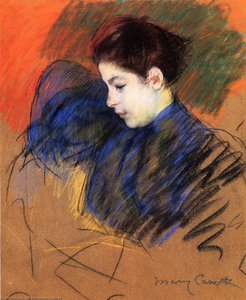
The raw emotion emanating from Edvard Munch’s “The Sick Child II” isn't merely a depiction of suffering; it’s an immersion into the very heart of human vulnerability. Completed in 1896, this pastel masterpiece, measuring 42 x 57 cm, stands as a pivotal work within Munch’s oeuvre and a cornerstone of Expressionism itself. It’s a painting that demands attention, not through grand spectacle, but through the quiet intensity of its central figure – a woman lost in contemplation, her face etched with an unspoken sorrow.The Language of Distress: Style & Technique
Munch's genius lies in his ability to translate internal turmoil into visible form. “The Sick Child II” exemplifies this perfectly. Departing radically from traditional representational art, Munch prioritized conveying psychological states through distorted forms and a deliberately unsettling color palette. The pastel medium itself is crucial – its soft, velvety texture creates an ethereal quality, almost as if the figure exists within a dream or feverish state. Notice the loose, swirling strokes; they aren’t precise lines but rather currents of emotion, building a sense of unease and agitation. Munch doesn't blend colors seamlessly; instead, he layers them deliberately, creating visual vibrations that amplify the painting’s emotional power. The rough texture achieved through scratching and layering adds to this feeling of raw vulnerability, mirroring the subject’s internal state.A Portrait of Personal Tragedy
The composition is powerfully focused on the woman's face and upper torso. Her profile, framed by a blurred background, immediately draws the viewer in. The color choices – predominantly red and brown, punctuated by muted blues and purples – are laden with symbolic weight. Red, often associated with passion and life force, here seems to bleed into an overwhelming sense of loss. Black, representing mourning and death, dominates her clothing, reinforcing the painting’s somber mood. Her posture—leaning forward, almost collapsing—conveys a profound sense of isolation and helplessness. The indistinct shapes beyond the window contribute to this feeling of detachment, suggesting a world that offers no solace or escape. This isn't simply a portrait of sickness; it’s a portrayal of the *experience* of suffering – grief, anxiety, and the crushing weight of mortality.Echoes of a Troubled Life
The genesis of “The Sick Child II” is inextricably linked to Munch’s own deeply troubled life. Haunted by the early deaths of his mother and sister from tuberculosis, he wrestled with themes of illness, loss, and the fragility of human existence throughout his career. While the precise inspiration behind this particular painting remains debated – some scholars believe it directly depicts his sister Sophie – its emotional resonance is undeniable. The late 19th century was a period of immense social and intellectual upheaval, marked by anxieties about modernity and the decline of traditional values. Munch’s art tapped into these anxieties, offering a starkly honest portrayal of human suffering in an increasingly uncertain world. It's a testament to his ability to transform personal trauma into universal themes that continue to resonate with viewers today.Collecting & Experiencing Munch
A reproduction of “The Sick Child II” offers more than just a beautiful image; it’s an opportunity to bring a touch of Munch’s profound emotional intensity into your own space. Its muted color palette lends itself beautifully to contemplative settings – bedrooms, studies, or any area where you seek solace and reflection. Consider pairing it with minimalist furnishings and neutral tones to allow the artwork's raw emotion to take center stage. This piece is a powerful reminder of our shared humanity—a poignant exploration of vulnerability, loss, and the enduring power of art to confront difficult truths.- Size: 42 x 57 cm
- Date: 1896
- Medium: Pastel on board
Vprašanja in odgovori
Ali je "The Sick Child II" znano umetniško delo v slogu Expressionism?
"The Sick Child II" je v katalogu zabeležen kot Ikonična med deli iz obdobja Expressionism.
Kdo je ustvaril "The Sick Child II" in v kakšnem slogu je izvedeno?
"The Sick Child II" je ustvaril Edvard Munch v slogu Expressionism. Umetnik in umetniška smer opredeljata tradicijo dela.
V kateri umetniški smer pripadajo "The Sick Child II" avtorja Edvard Munch?
Umetnostni smer, ki jo zastopa "The Sick Child II" avtorja Edvard Munch, je Expressionism. Ta klasifikacija delo uvršča med sorodne umetnike in umetniška dela.
Quick facts and art quiz
About Edvard Munch

Edvard Munch
1863 - 1944, Švedska
Biografija umetnika
Življenje v senci: Svet Edvarda Muncha
Edvard Munch, rojen leta 1863 med surovimi pokrajinami Norveške, je bil umetnik, katerega delo je postalo sinonim za tesnobe in čustvene stiske moderne dobe. Njegovo življenje, globoko zaznamovano s smrtjo in stalnim melanholičnim občutkom, je bilo vir njegove izjemno ekspresivne umetnosti. Že otroštvo, ki ga je zaznamovala zgodnja smrt matere in sestre – obe žrtvi tuberkuloze – je pri Munchu vzbudilo preganjajočo obsedenost z umrljivostjo, boleznijo in krhkostjo človeškega obstoja. Te izkušnje niso bile le biografijske podrobnosti; postale so bistvo njegove umetniške vizije, ki je napajala njegovo neusmiljeno raziskovanje notranje pokrajine strahu, žalosti in hrepenenja. Strog verski nauk njegovega očeta in same težave z duševnim zdravjem so prispevale k občutku grozečnosti, ki je prežemala Munchov svet, oblikovala ne le njegovo osebno življenje, temveč tudi simbolsko govorico njegovih slik. On ni le prikazoval prizorov; izražal je notranje stanje, pretvarjal psihološko stisko v vizualno obliko.
Genesis Ekspresije: Vplivi in umetniška pot
Munchova umetniška pot se je začela z uradnim usposabljanjem na Kraljski šoli za umetnost in oblikovanje v Kristianii (Oslo), vendar ga je resnično razplamtel stik z boemskimi krogi in nihilistično filozofijo Hansa Jægerja. Jæger mu je priporočal, naj zapusti konvencionalne akademske stile in se namesto tega potopi v globine lastnih subjektivnih izkušenj, koncept, ki ga je poimenoval "slikanje duše". Ta prelomnica je zaznamovala začetek Munchovega značilnega sloga – obarvanega s surovimi emocijami, deformiranimi oblikami in zavrnitvijo naravne reprezentacije. Njegova potovanja v Pariz v 1890-ih so ga izpostavila razcvetu postimpresionističnega gibanja, kjer je vpijal vplive umetnikov, kot so Paul Gauguin, Vincent van Gogh in Henri de Toulouse-Lautrec. Kretna uporaba barve, ekspresivne poteze čopiča in psihološka intenzivnost teh mojstrov so se globoko odzvale v Munchovih umetniških nagnjenjih. On ni le posnemal njihovih tehnik; sintetiziral jih je v nekaj povsem svojega – vizualni jezik, ki je bil sposoben prenesti najgloblje in najbolj moteče človeške emocije. Čas v Berlinu se je izkazal za ključen, ko je prišel v stik z dramaturgom Augustom Strindbergom, katerega raziskovanje psiholoških tem je dodatno spodbudilo Munchove umetniške preizkušnje.
Ikonični viziji: Glavna dela in simbolska teža
Munchovo delo je polno slik, ki so se globoko vtisnile v kolektivno vest.Krik, morda njegovo najbolj ikonično delo, presega status slike in postane univerzalni simbol eksistencialne tesnobe. Spiralna, ognjemetna pokrajina in figura z izkrivljenim obrazom utelešata prvotni krik proti brezbrižnosti vesolja.Madona, kontroverzno in globoko osebno delo, raziskuje teme seksa, materinstva in umrljivosti s pretresljivo odprtostjo. Ponavljajoče se motive, kot jeBolni otrok – navdihnjena z izgubo njegove sestre Sophie – služijo kot ganljivi opomniki na Munchovo otroško travmo in stalno senco smrti.Melanholija I & II, močni prizori globoke žalosti in osamljenosti, razkrivajo ranljivost, ki je hkrati zelo osebna in univerzalno razumljiva. Ta dela niso le reprezentacije zunanjega sveta; so okna v umetnikovo dušo, ki gledalcem ponujajo neusmiljeno vpogled v najtemnejše kotičke človeške psihe. Munch ni želel ustvariti lepih slik; je hotel prenesti resnico – tudi če je bila ta boleča in moteča.
Trajna zapuščina: Zgodovinski pomen in trajen vpliv
Edvard Munchov prispevek k moderni umetnosti je neprecenljiv. Stoji kot ključna figura pri razvoju ekspresionizma, odpirajoč pot umetnikom, ki so dali prednost subjektivni čustvi nad objektivno reprezentacijo. Njegovo brezkompromisno raziskovanje univerzalnih človeških izkušenj – ljubezni, izgubi, tesnobi in smrti – še danes resonira z občinstvom, kar utrjuje njegovo mesto kot ene najvplivnejših in trajnih figur v zgodovini umetnosti. Njegovo delo je globoko prizadelo naslednje generacije umetnikov, vplivalo na gibanja, kot sta nemški ekspresionizem in druge. Drznil je soočiti se s temnimi vidiki človeške kondicije, izzval konvencionalne predstave o lepoti in umetniškem predstavljanju. Tudi po dosegu slave in priznanja – ki so se kronale z ustanovitvijo Munchovega muzeja v Oslu – je ostalo njegovo osebno življenje turbulento, zaznamovano s obdobji duševne nestabilnosti in osamljenosti. Vendar pa je kljub temu še naprej ustvarjal, za seboj pustil delo, ki še danes sproža, izziva in navdihuje. Munchova zapuščina ni le o slikah samih; gre za pogum soočiti se s kompleksnostmi človeškega obstoja in te izkušnje pretvoriti v umetnost, ki govori do najglobljih delov našega bitja.
Quick facts about Edvard Munch
- Datum Rojstva: 12. december 1863
- Datum Smrti: 23. januar 1944
- Kraj Rojstva: Adelsbruk, Švedska
- Nacionalnost: Norvežan
- Pod Vplivom: ['Nemški ekspresionizem']
- Polno Ime: Edvard Munch
- Umetniški Slog: Ekspresionizem
- Vplivneži:
- Paul Gauguin
- Van Gogh
- Toulouse-Lautrec
- Znani Dela:
- Krik
- Madona
- Bolni otrok





Raziščite umetniška dela, razvrščena po temah, slogih in značilnostih.


Edvard Munch
The Sick Child II
() ·
With its frame: · Hand-painted in oil on linen
Total