


 Preverite v realnem okolju
 Pošlji kot čestitko
 Deli
Deli
 Podrobnosti
 Priročnik

 Prenesi
 Podobni artefakti
 Rentgenski posnetek
 Predvajaj diaporama
 Statistika
The Family
 Akril na platnu
- Stenska umetnost
- Expressionism
 1917
1917- Renesanca
 152.0 x 162.0 cm
 Österreichische Galerie Belvedere
Razgrobite čudovito delo Egon Ščile – 'The Family'. Osredotočenost na izrazit ekspresionizem, strahote vojne in simbolni pomen. Odkrijte skrivnosti tega zavišene mojstrovske slike.
 Preberi več
Raziskujte intenzivne ekspresionistične umetnosti Egon Schieleja (1890-1918): izrazite portrete, psihološke teme in edinstvene črte. Odkrijte reprodukcije že danes!
Giclée tisk / Umetniški tisk
Giclée ali platnati odtis muzejske kakovosti z hitro proizvodnjo in prilagodljivimi možnostmi končne obdelave. ( Naročite ročno slikano reprodukcijo Preklop na digitalno sliko)




P118B €10

P118H €10

P118W €10

P438Z €10

P508JH €12

P508YH €12

P805H €10

P805Z €10

P919BZ €10

P919G €10

P919XJ €10

P959ZH €10

P968JZ €12

W106C €8

W218G €10

W218JH €8

W218Y €10

W307PJ €10

W316G €10

W316PJ €8

W316Y €10

W398PJ €8

W4111J €10

W500HY €15

W500JH €15

W692G €12

W849H €8

W940BG €15

W953PJ €8




Standardna velikost
po meri
CM
INCH
Izberite eno od naših vnaprej določenih velikosti, ki ustrezajo prvotnim proporcijam umetničkega dela.
Loading sizes...

širina
višina
Vnesite širino in višino, ki jih potrebujete za svoj okvir ali steno. Tiskanje se lahko le odreže, vendar ga ni mogoče narediti večjega od slike, zato format z drugačno obliko pomeni izgubo dela slike. Pred tiskanjem vam pošljemo digitalni predogled za potrditev. Slika, prikazana na tej strani, ne prikazuje dejanskega izrezkov — le predogled to omogoča.
Globalna dostava () v 2 tednih namesto standardnih 4/5 tednov. (23 oktober)

Brezplačna ekspresna dostava po vsem svetu

Visokokakovostno laneno platno

Popolno zavarovanje pošiljke

Garancija povračila carine in uvoznih davkov

Garancija popolnega barvnega ujemanja

Politika vračila v 100 dneh (le v primeru okvar)

Garancija 100% povračila denarja

Popust pri večjem naročilu
 Možnost stekla je na voljo le za velikosti pod 110 cm

The Family
Giclée tisk / Umetniški tisk
Velikost reprodukcije
-


Skupna cena
€ 61
Egon Ščilejev *The Family*: Priče o Intimnosti in Vojskovni Obupanosti
Egon Ščilejev *The Family*, posnet v letu 1917, je globoko resonirana delnica, ki preseka preprosto prikaz družinskih vezi. To je čisto, psihološko prelevajoča raziskava povezave, ranljivosti in strahov, ki jih prinašajo človeške odnose – dokazljivo Ščilejevo mojstrovstvo v slogu ekspresionizma.
Slog in Tehnika: Jezik Neprijetnosti
Ščilejev edinstven slog je takoj prepoznljiv. Namerno se je izognil konvencionalnim lepim standardom, namesto tega pa je izbral izrazno deformacijo in neposrednost. V *The Family* to očitajoča se kaže v ostrih, kotnih linijah, ki se zdi, da vibrirajo s napetostjo. Debela impasto – videti tekstura, ustvarjena s plastmi barve – doda taktilno kakovost, poudarja telesnost figure in njene čustvene težnosti. Ozemljeno paleta barv – prevladujejo zemljanih tonov, utišane zelenbe in okružni žlato – dodatno prispeva k slikovnemu mračenosti. To ni pomanjkanje tehnične spretnosti; to je namerno umetniško odločitev za priklic visceralnega vpliva predanatomsko natančnostjo. Ščilejev pristop je izjemno individualističen, kar ga loči od drugih umetnikov tistega časa.
Kontekst Poštnine: Ekspresionizem v Vojni
Posnet med vrhunec Prve svetovne vojne, *The Family* odraža prevladujoče strahove in negotovosti Evrope, ki je bila zajeta v oboroženi spopiti. Ščile je bil vodilna figura v avstrijskem ekspresionizmu, gibanju, ki je poudarjal subjektivno izkušnjo nad objektivno resnico. Ekspresionisti so iskali, da izrazijo notranja čustva – pogosto strahove, anksioznost in žalost – s deformiranimi oblikami in motenimi barvami. Ščilejeva dela, še posebej njegovi neposredni prikaz človeške telesnosti, so spregnale družbene norme in premagali umetniška meja, kar ga je postavilo v ospredje 20. stoletja. Njegova dela so bila pogosto preveč radikalna za svoj čas, vendar so se hitro uveljavila kot pomemben del ekspresionistične gibanja.
Simbolizem in Čustveni Vpliv: Zaščita, Izolacija in Trpetje
Kompozicija je bogata z simbolno smiselnostjo. Moški zaščitni položaj za žensko predlaga varstvo in podporo, vendar tudi občutek izolacije ali omejitve. Otrok, usmerjen proti gledalcu, predstavlja tako ranljivost kot tiho trpetje. Ta razporeditev ustvarja dinamično napetost – čustvo, da ta družinska enota išče povezavo in se hkrati pripravlja na nevidni svet. Zložitost prostora in deformirana perspektiva povečata čustveno intenzivnost, povabi gledalca v njihovo intimno sfero. Ščilejevo mojstrovsko uporabo svetlobe in senc teži, ustvarja vzdušje tihe razmisli in skritih strahov.
Zakaj *The Family* še vedno resonira
*The Family* ni samo prikaz treh oseb – to je močna meditacija o človeški kondiciji. Njegov vztrajanje pri pritegnitvi do univerzálních čustev – ljubezen, strah, ranljivost in trpetje – naredi delo izjemno privlačno za tiste, ki iščejo umetnost, ki spodbudi razmišljanje in povzroči resnično občutek. Ta slika je dokaz, da Ščilejev slog je še vedno zelo relevanten danes.
Vprašanja in odgovori
Ali lahko "The Family" pregledam podrobneje?
Delo "The Family" lahko raziščete plast za plast na strani Rentgenski pregled, ki vključuje preglednik navdihnjen s svetilno mizo konservatorja z enajstimi optičnimi odtisi slike.
Ali je na voljo prenos v visoki ločljivosti za "The Family"?
Digitalno sliko dela "The Family" avtorja Egon Ščile lahko kupite na njegovi strani Digitalna slika: prenos digitalne slike visoke ločljivosti.
Kje lahko vidim originalno delo "The Family" avtorja Egon Ščile?
Originalno delo "The Family" lahko vidite v muzeju Österreichische Galerie Belvedere, Dunaj, Avstrija.
Biografija umetnika
Egon Schiele: Austrian Expressionist Painter
Austrian art has since acquired legendary status in interdisciplinary cultural studies. Histories of modern Austrian art generally begin with the architectural boom that swept Vienna in the second half of the nineteenth century. During this period of strong economic growth, the Emperor Franz Josef constructed a necklace of public edifices along the broad Ringstrasse that encircles Vienna’s inner city, prompting artists to flock to the capital from all over to compete for decorative mural commissions. The most renowned painter of the era was Hans Makart, but the young Gustav Klimt also earned his reputation executing commissions on the interior walls of structures such as theaters and museums. The favored style combined a sort of blowsy eroticism with a firm grip on classical and historical allegory. Starting from his masterpiece *The Kiss*, Klimt gradually moved away from the accepted formula, however, evolving a personal symbolism that was less conventionally readable as well as more overtly sexual. This combination proved devastating so far as the tasted of staid Vienna were concerned: Klimt was banished from the ranks of public muralists, and henceforth had to seek support solely from well-heeled private patrons.
Early Life & Influences
Egon Schiele was born in Tulln an der Donau – a picturesque region with vineyards, onion-domed towers and Baroque monasteries. Yet this idyllic setting is hardly reflected in his work.
Instead, many of his landscapes appear melancholic, sometimes sombre. Perhaps he was processing the early death of his father from syphilis and the subsequent loss of his sister Elvira.
Raised initially by his mother and then under the somewhat controlling guardianship of his uncle Leopold Czihaczek, Schiele’s childhood lacked conventional stability but fostered a fiercely independent spirit. Even as a boy, he displayed an intense fascination with trains—a motif that subtly reappeared in later paintings—and a burgeoning talent for drawing, though this was initially met with disapproval from his father who saw it as a distraction from more practical pursuits. The early death of his sister Elvira also cast a long shadow over the young artist’s psyche. These formative experiences instilled within him a sensitivity and an emotional rawness that would become hallmarks of his artistic expression, a constant grappling with themes of life, death, and the human condition.
Vienna Secession & Artistic Breakthrough
Schiele's formal artistic training began at the Kunstgewerbeschule (School of Arts and Crafts) in Vienna, but he quickly found itself stifled by its conservative approach. He transferred to the Akademie der bildenden Künste (Academy of Fine Arts), only to become further disillusioned with its rigid academic traditions. This dissatisfaction led him to abandon formal training altogether, choosing instead to forge his own path, a testament to his unwavering artistic conviction.
The influence of Gustav Klimt was pivotal during these early years; Schiele admired Klimt’s decorative style and exploration of symbolism, even receiving mentorship from the established artist.
He co-founded the Neues Wiener Kunstgruppe (New Viennese Art Group) in 1909, aligning himself with other progressive artists who challenged the prevailing artistic norms. His distinctive style features elongated figures, contorted poses, and expressive lines that convey a sense of unease and emotional intensity.
Style Characteristics & Recurring Themes
Schiele’s art is immediately recognizable for its raw honesty and psychological depth.
He fearlessly confronted themes often considered taboo – sexuality, death, anxiety, isolation – with an unflinching gaze.
His distinctive style features elongated figures, contorted poses, and expressive lines that convey a sense of unease and emotional intensity. The human form, particularly the nude, became his primary subject, not as an object of idealized beauty but as a vessel for exploring the complexities of human experience.
Schiele didn’t shy away from depicting himself in unflattering or vulnerable poses, revealing a profound level of self-awareness and introspection.
Legacy & Recognition
Despite facing censorship and legal challenges – including a brief imprisonment for allegedly corrupting minors with his art – Schiele gained recognition within Vienna’s avant-garde circles.
His work challenged the conventions of the time, provoking both admiration and outrage.
By the time of his untimely death during the Spanish flu pandemic in 1918 at the age of twenty-eight, he had established himself as a leading figure in Austrian Expressionism. Significant works such as *Self-Portrait with Physalis*, *Couple Embracing*, and *Field Landscape (Kreuzberg near Krumau)* stand as testaments to his artistic genius.
His influence on subsequent generations of artists is undeniable, particularly those interested in exploring psychological themes and challenging conventional artistic norms.

Egon Ščile
1890 - 1918 , Avstrija
Ključne informacije
- Artistic Movement Or Style: Expresionismo
- Artists Who Influenced This Artist: ['Gustav Klimt']
- Date Of Birth: 12 giugno 1890
- Date Of Death: 31 octubre 1918
- Full Name: Egon Schiele
- Nationality: Austriaco
- Notable Artworks:
- Autoritratto con Physalis
- Giovane coppia
- Paesaggio campo (Kreuzberg)
- Place Of Birth: Tulln an der Donau, Austria
Sorodni članki

Evolving Portraits: Personalized Art as a Chronicle of Family Life Across Generations
Create a timeless family legacy with custom portraits! TopImpressionists connects you with skilled artists for heirloom-quality paintings & prints. Explore styles, commission your unique artwork today.

Expressionist Painting: 10 Masterpieces That Defined a Movement | TopImpressionists
Explore 10 Expressionist paintings that revolutionized art! Discover Munch, Kirchner & Kandinsky's iconic works. Find museum-quality reproductions and vibrant canvas prints to elevate your home decor on TopImpressionists.com.

Egon Schiele: Expressionism, Anxiety & the Modern Condition – A Comprehensive Exploration
Explore the emotionally charged world of Egon Schiele (1890-1918). Discover his Expressionist masterpieces, psychological themes, and lasting impact on modern art. A comprehensive guide for collectors & enthusiasts.

Egon Schiele: 25 Mojstrovin Ekspresionizma za Vaš Dom | TopImpressionists
Odkrijte 25 mojstrovin Egona Schieleja – avstrijskega ekspresionista! Preberite zgodbe za vsako sliko, tehnike in simbolizem. Kvalitetne reprodukcije slik za vaš dom na TopImpressionists.com. Raziskajte celotno zbirko online!
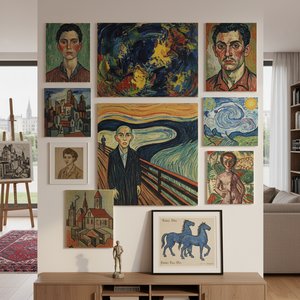
Izrazi čustev: 10 mojstrovin ekspresionizma za vaš dom
Odkrijte 10 mojstrovin ekspresionizma, ki so zaznamovale umetnost! Edvard Munch, Nolde & Kirchner – spoznajte zgodbe in čustva za vsakim delom. Najboljša zbirka reprodukcij na TopImpressionists.com!
Raziščite umetniška dela, razvrščena po temah, slogih in značilnostih.


