


 Preverite v realnem okolju
 Pošlji kot čestitko
 Deli
Deli
 Podrobnosti
 Priročnik

 Prenesi
 Podobni artefakti
 Rentgenski posnetek
 Predvajaj diaporama
 Statistika
Fighting Centaurs


Franz von Stuck's 'Fighting Centaurs' (1894) is a dramatic Symbolist masterpiece depicting a fierce battle between centaurs, showcasing raw power and mythological tension.
 Preberi več
Franz von Stuck je bil vodilni nemški simbolist, znan po mitoloških prizorih, dramatičnih portretih in delih v stilu Art Nouveau. Njegova dela odražajo lepoto, zapeljivost in psihološko globino.
Ročno izdelana oljna reprodukcija
Ročno slikano olje na platnu v vaši izbiri velikosti in okvirja, izdelano po naročilu naših umetnikov. ( Preklop na tiskanine Preklop na digitalno sliko)




































Standardna velikost
po meri
CM
INCH
Izberite eno od naših vnaprej določenih velikosti, ki ustrezajo prvotnim proporcijam umetničkega dela.
Loading sizes...

širina
višina
Vnesite širino in višino, ki jih potrebujete, da se slika prilega vašemu okviru ali steni. Ker je delo ročno slikano, lahko umetnik pri različnih oblikih slik pri robovih doda malo več barve ali pa jih malo odreže — izberite sami. Pred začetkom slikanja vam pošljemo digitalni predogled za potrditev. Slika, prikazana na tej strani, ni končni rezultat — le predogled prikazuje dejansko podobo.
Primeri možnih sprememb: Zamenjava obraza s fotografijo stranke; Dodajanje hišnega ljubljenčka (npr. zamenjava mačke s psom); Vključitev skritega sporočila v ozadje; Sprememba pokrajine ali elementov v ozadju.
Po oddaji naročila bo ekipa TopImpressionists.com stranki po e-pošti poslala navodila in predogled digitalnega predogleda.
Po oddaji naročila bo ekipa TopImpressionists.com stranki po e-pošti poslala navodila in predogled digitalnega predogleda.
Mednarodna dostava () v 3/4 tednih namesto običajnih 5 tednov. (23 oktober). Brez kompromisov pri kakovosti.

Brezplačna ekspresna dostava po vsem svetu

Visokokakovostno laneno platno

Popolno zavarovanje pošiljke

Garancija povračila carine in uvoznih davkov

Garancija popolnega barvnega ujemanja

Politika vračila v 100 dneh (le v primeru okvar)

Garancija 100% povračila denarja

Popust pri večjem naročilu
 Možnost stekla je na voljo le za velikosti pod 110 cm

Fighting Centaurs
Tehnika reprodukcije
Velikost reprodukcije
-


Skupna cena
€ 236
Fighting Centaurs: A Symbolist Masterpiece by Franz von Stuck
Franz Von Stuck's "Fighting Centaurs," created in 1894, stands as a powerful example of Symbolism and Mythology within the late 19th-century art world. Housed at the Stadelsches Kunstinstitut in Frankfurt, Germany, this oil on canvas artwork depicts a fierce battle between two centaurs, showcasing Stuck's exceptional ability to convey intense emotion and dramatic tension through his artistic skill.
Composition and Artistic Technique
The painting’s composition is dynamic and deliberately unbalanced, immediately drawing the viewer into the heart of the conflict. The centaurs are positioned in a circular motion, creating a palpable sense of energy and struggle. Stuck masterfully employs chiaroscuro – the dramatic use of light and shadow – to accentuate the musculature of the figures and heighten the overall emotional impact. His technique blends elements of Realism with fantastical imagery, grounding the mythological subject matter in a tangible physicality. The brushstrokes are loose yet deliberate, contributing to the raw energy and visceral nature of the scene. The use of oil paints on canvas allows for rich textures and subtle gradations of color, further enhancing the painting's depth and complexity.
Symbolism and Interpretation
Beyond its immediate depiction of a battle, "Fighting Centaurs" is laden with symbolic meaning. The centaur itself – a creature embodying both human intellect (the torso) and animal instinct (the horse body) – represents the eternal struggle between reason and primal urges. The violent clash between these two figures can be interpreted as an allegory for internal conflicts, societal tensions, or even the broader battle between opposing forces in the universe. The dark, earthy tones used throughout the painting contribute to a brooding atmosphere, suggesting themes of chaos, power, and perhaps the darker aspects of human nature. Key Features contributing to this symbolism include:
- The dynamic composition emphasizing conflict
- The use of chiaroscuro for dramatic effect
- Intricate textures highlighting physicality
Historical Context and Artistic Influences
Created during the Symbolist movement, "Fighting Centaurs" reflects a broader artistic trend away from purely representational art towards exploring subjective emotions, spiritual themes, and mythological narratives. Stuck was significantly influenced by classical sculpture and Renaissance masters, evident in his attention to anatomical detail and dramatic poses. His work also aligns with the fin de siècle aesthetic—a period characterized by decadence, introspection, and a fascination with the darker aspects of human experience. Stuck's co-founding of the Munich Secession further demonstrates his commitment to artistic innovation and challenging conventional norms.
Emotional Impact and Legacy
"Fighting Centaurs" evokes a powerful emotional response in viewers. The raw energy, intense struggle, and underlying symbolism create a sense of unease and fascination. The painting’s enduring appeal lies in its ability to tap into universal themes of conflict, power, and the human condition. It remains a significant work within Franz von Stuck's oeuvre and a compelling example of Symbolist art, continuing to inspire artists and captivate audiences today.
Vprašanja in odgovori
Kdo je umetnik za "Fighting Centaurs"?
Avtor dela "Fighting Centaurs" je Franz Ritter Von Stuck. Del je katalogiran pod imenom Franz Ritter Von Stuck.
Za kaj se priporoča reprodukcija dela "Fighting Centaurs" avtorja Franz Ritter Von Stuck?
Priporočena uporaba tiska dela "Fighting Centaurs" je Statement.
Koliko ljudi ogleda "Fighting Centaurs"?
Za delo "Fighting Centaurs" obstaja stran Statistika. Ta prikazuje mesečno število obiskov tega dela in drugih del umetnika, s razdelitvijo po državah in jezikih.


Biografija umetnika
Življenje in zgodnji razvoj Franz Ritterja von Stucka
Franz Ritter von Stuck, ime sinonim za močno simboliko nemškega slikarstva, se je rodil leta 1863 v podeželskem okolju Bavarske. Njegov oče je bil gozdar, a že kmalu se je pokazalo, da ima Franz izjemen talent za umetnost, ki ga je usmerila na novo pot. Po šolanju se je preselil v München, kjer je leta 1878 začel obiskovati Šolo uporabnih umetnosti in nato Akademijo likovnih umetnosti med letoma 1882 in 1884. Tam ga je navdihnila slika Arnolda Böcklina, ki je globoko vplivala na njegov umetniški izraz. Stuck ni bil zgolj slikar; postal je kulturna ikona, "kralj umetnosti", kot so ga imenovali, in premostil prepad med akademsko tradicijo 19. stoletja in novimi smeremi modernizma. Že v zgodnjih letih se je izkazal za izjemno nadarjenega risarja in slikarja, ki je hitro pritegnil pozornost s svojimi inovativnimi pristopi k mitološkim temam.Vzpon mojstra simbolizma
Stuckov vzpon na sam vrh umetniškega sveta je bil izjemno hiter. Prebojna točka v njegovi karieri je bila leta 1889 razstava slike Varuh raja v Münchnski stekleni palači, ki mu je prinesla veliko priznanje in zlato medaljo. Ta slika ni bila le tehnično dovršena; napovedala je nov umetniški glas – zlitje klasične natančnosti, mitoloških motivov in subtilne simbolike. Hitro se je vključil v izzivanje uveljavljenih norm in leta 1892 postal soustanovitelj Münchnške sekcije skupaj s podobno mislečimi umetniki, ki so si prizadevali za osvoboditev od konservativnih omejitev in promoviranje moderne umetnosti. Ta uporniški duh se je ujemanje z njegovim raziskovanjem skulpture, kjer je debitiral z Atletom, kar je pokazalo njegovo vsestranskost. Vendar pa je bila slika Greh (1893) tista, ki je dokončno utrdila njegov ugled kot mojstra simbolizma in očarala občinstvo s svojo dramatičnostjo in psihološko globino. To obdobje je zaznamovalo polni razvoj Stuckovega edinstvenega sloga – močna kombinacija čutnosti, klasičnih oblik in simbolične resonance.Teme in vplivi: Svet želja in mitov
Umetnostni svet Franza von Stucka naseljujejo ponavljajoči se motivi, ki razkrivajo njegovo globoko povezanost s časovno nespremenljivimi temami. Mitologija je bila stalni vir navdiha, iz katerega je črpal zgodbe iz grške, rimske in biblične tradicije, ki jih je ponovno interpretiral na osebno način. To niso bile zgolj prepovedi; to so bila raziskovanja človekove narave, filtrirana skozi prizmo starodavnih pripovedi. Prav tako pomembna je bila njegova fascinacija s čutnostjo in femme fatale, ki se močno izraža v njegovih številnih upodobitvah Salome – figure, ki predstavlja željo, nevarnost in moralno dvoumnost. Te slike niso bile le o fizični lepoti; so se poglabljale v psihološko kompleksnost ženske moči in njen potencial za privlačnost in uničenje. Vsem tem je prirojena globoka spoštovanje klasične umetnosti, kar je vidno v njegovi natančnosti tehnike, anatomski točnosti in kompozicijski strogosti. Poleg Böcklina je Stuck priznal vplive predrafaelitov in Gustava Moreaua, vendar ni bil zgolj posnemovalec; sintetiziral je te vplive v nekaj edinstvenega, ki je globoko vplivalo na naslednje generacije umetnikov.Zapuščina in vpliv: Učitelj in viteški red
Leta 1895 je Franz von Stuck prevzel še eno pomembno vlogo – učitelja na Münchnski akademiji. Postal je zelo spoštovan pedagog, ki ni le posredoval tehničnih spretnosti, temveč je tudi spodbujal svoje študente, da raziščejo svojo individualno umetniško vizijo. Med tistimi, ki so imeli koristi od njegovega mentorstva, so bili Paul Klee, Hans Purrmann in Josef Albers, kar dokazuje obseg njegovega vpliva. Njegova predanost umetnosti je bila dodatno priznana leta 1905, ko je bil povzdignjen v viteški red – znak njegovega naraščajočega prestiža in prispevka k nemški kulturi. Prejemal je pohvale po vsej Evropi in utrdil svoj položaj kot eden vodilnih umetnikov svojega časa. Njegova Villa Stuck v Münchnu, ki je danes muzej, ostaja trajni spomenik njegovemu življenju in delu ter ponuja dragocene vpoglede v njegov umetniški izraz in kulturno okolje poznega 19. in zgodnjega 20. stoletja. Njegova zapuščina ne živi le skozi njegove slike in skulpture, temveč tudi skozi številne umetnike, ki jih je navdihnil, kar zagotavlja, da duh Franza von Stucka še vedno odmeva v svetu umetnosti danes.Glavna dela in trajna pomembnost
- Pomlad (1886): Živahna upodobitev, ki prikazuje njegovo zgodnje mojstrstvo barve in kompozicije.
- Disonanca (1893): Nemirujoč portret, ki izraža čustveno pretresenost skozi žensko, ki igra violino.
- Saloma (različne različice): Morda njegovo najbolj ikonično delo, ki prikazuje biblijsko zgodbo s presenetljivo čutnostjo in psihološko globino.
- Atlet (1892): Močna skulptura, ki dokazuje njegovo spretnost v tridimenzionalni obliki.

Franz Ritter Von Stuck
1863 - 1928 , Nemčija
Ključne informacije
- Datum Rojstva: 23. februar 1863
- Datum Smrti: 30. avgust 1928
- Državljanstvo: Nemški
- Kraj Rojstva: Tettenweis, Nemčija
- Polno Ime: Franz Ritter von Stuck
- Pomembna Dela:
- Varuh raja
- Saloma
- Greh
- Umetniki Pod Vplivom: ['Paul Klee']
- Umetniški Smer: Simbolizem, Art Nouveau
- Vplivi Umetnikov: ['Arnold Böcklin']
Sorodni članki

Eugen von Blaas: Capturing Alpine Life & Sentiment in 19th-Century Austrian Painting
Discover the captivating world of Eugen von Blaas! Explore his exquisite 19th-century paintings capturing Venetian life & Alpine beauty. Learn about his Academic Classicism style and find museum-quality reproductions at TopImpressionists.

Hans von Aachen: Mannerism's Courtly Visionary & Imperial Portraiture
Explore the captivating world of Hans von Aachen, a leading Mannerist painter renowned for his exquisite imperial portraits & mythological scenes. Discover his legacy and influence on 16th-century European art.

Franz von Stuck: Symbolism, Decadence & the Pursuit of Ideal Beauty
Explore the captivating world of Franz von Stuck, a leading Symbolist painter. Discover his mythological masterpieces, decadent themes, & investment potential. Expert analysis for discerning collectors.

Echoes of Olympus: Mythological Narratives in Western Art Through the Ages
Explore the captivating history of mythological narratives in Western art! From ancient Greece to modern masterpieces, discover iconic artworks & symbolism. Expert analysis and high-quality reproductions at TopImpressionists.
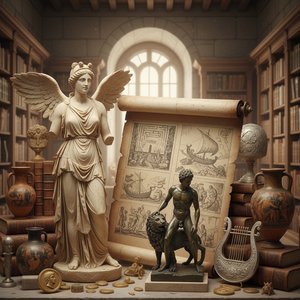
Timeless Legends: A Curated Guide to the Eternal Allure of Mythological Masterpieces
Embark on a sophisticated journey through the eternal allure of mythological art. Discover how master painters breathe life into ancient legends, from Greek deities to Baroque masterpieces, and learn to curate these timeless narratives within your own exquisite art collection.