


 Preverite v realnem okolju
 Pošlji kot čestitko
 Deli
Deli
 Podrobnosti
 Priročnik

 Prenesi
 Podobni artefakti
 Rentgenski posnetek
 Predvajaj diaporama
 Statistika
Christ before the High Priest
 Oil On Canvas
- WallArt
- Dutch Baroque
 1617
1617 272.0 x 183.0 cm
 Narodna galerija
Experience the dramatic intensity of Gerard van Honthorst’s ‘Christ Before the High Priest.’ This 1617 oil painting, rich with chiaroscuro and biblical drama, captures a pivotal moment in art history. Own a stunning reproduction today!
 Preberi več
Gerard van Honthorst (1590-1656): Nizozemski baročni slikar, znan po dramatičnem *tenebrizmu* in realističnih portretih ter bibličnih prizorih. Umetnik Zlate dobe.
Giclée tisk / Umetniški tisk
Giclée ali platnati odtis muzejske kakovosti z hitro proizvodnjo in prilagodljivimi možnostmi končne obdelave. ( Naročite ročno slikano reprodukcijo Preklop na digitalno sliko)




P118B €10

P118H €10

P118W €10

P438Z €10

P508JH €12

P508YH €12

P805H €10

P805Z €10

P919BZ €10

P919G €10

P919XJ €10

P959ZH €10

P968JZ €12

W106C €8

W218G €10

W218JH €8

W218Y €10

W307PJ €10

W316G €10

W316PJ €8

W316Y €10

W398PJ €8

W4111J €10

W500HY €15

W500JH €15

W692G €12

W849H €8

W940BG €15

W953PJ €8




Standardna velikost
po meri
CM
INCH
Izberite eno od naših vnaprej določenih velikosti, ki ustrezajo prvotnim proporcijam umetničkega dela.
Loading sizes...

širina
višina
Vnesite širino in višino, ki jih potrebujete za svoj okvir ali steno. Tiskanje se lahko le odreže, vendar ga ni mogoče narediti večjega od slike, zato format z drugačno obliko pomeni izgubo dela slike. Pred tiskanjem vam pošljemo digitalni predogled za potrditev. Slika, prikazana na tej strani, ne prikazuje dejanskega izrezkov — le predogled to omogoča.
Globalna dostava () v 2 tednih namesto standardnih 4/5 tednov. (26 oktober)

Brezplačna ekspresna dostava po vsem svetu

Visokokakovostno laneno platno

Popolno zavarovanje pošiljke

Garancija povračila carine in uvoznih davkov

Garancija popolnega barvnega ujemanja

Politika vračila v 100 dneh (le v primeru okvar)

Garancija 100% povračila denarja

Popust pri večjem naročilu
 Možnost stekla je na voljo le za velikosti pod 110 cm

Christ before the High Priest
Giclée tisk / Umetniški tisk
Velikost reprodukcije
-


Skupna cena
€ 61
A Dramatic Encounter: Gerard van Honthorst’s “Christ Before the High Priest”
Gerard van Honthorst's "Christ Before the High Priest," painted in 1617, is more than just a biblical scene; it’s a masterclass in Baroque drama rendered in oil on canvas. Currently residing within the esteemed National Gallery in London, this work immediately commands attention with its masterful manipulation of light and shadow – a signature technique that firmly establishes Honthorst as a key figure in the Dutch Golden Age. The painting depicts a pivotal moment: Jesus Christ facing interrogation by High Priest Caiaphas, just hours before his crucifixion. It’s a scene brimming with tension, spiritual weight, and an undeniable sense of impending doom, all expertly conveyed through the artist's keen eye for detail and profound understanding of human emotion.
The Language of Light: Tenebrism and Chiaroscuro
Honthorst’s artistic journey was profoundly shaped by his time in Rome, where he encountered the revolutionary work of Caravaggio. This encounter ignited within him a passion for tenebrism – an approach to painting that utilizes stark contrasts between light and dark to create a theatrical effect. In “Christ Before the High Priest,” this technique is flawlessly executed. A single, unseen light source illuminates Christ’s face and upper body, casting the surrounding figures and the shadowed room in deep darkness. This dramatic interplay of light and shadow isn't merely aesthetic; it serves to draw the viewer’s eye directly to the central figure, emphasizing his vulnerability and the gravity of the situation. The use of chiaroscuro – a specific type of chiaroscuro focusing on subtle gradations of light – adds depth and volume to the figures, making them appear almost tangible within the space.
Composition and Symbolism: A Triangular Narrative
The composition of the painting is carefully constructed, employing a deliberate triangular arrangement that lends stability and balance to the scene. Christ occupies the apex of this triangle, immediately establishing him as the focal point. To his left stands an elderly man, gesturing emphatically towards the figure of Christ – a gesture laden with judgment and perhaps even accusation. Opposite him is a young woman, her expression one of quiet contemplation or perhaps apprehensive interest. These figures, along with the high priest (though not explicitly depicted), contribute to a complex narrative that speaks to themes of faith, betrayal, and divine justice. The dark background, adorned with what appear to be classical sculptures and paintings – remnants of the Marquis Giustiniani’s collection in Rome – subtly references the artistic traditions Honthorst encountered during his formative years, creating a dialogue between Italian Baroque influences and Dutch realism.
A Window into the Dutch Golden Age: Faith, Drama, and Artistic Innovation
“Christ Before the High Priest” stands as a powerful testament to the artistic flourishing of the Dutch Golden Age. Beyond its technical brilliance, the painting reflects the era’s fascination with religious themes and dramatic storytelling. Honthorst wasn't simply replicating biblical scenes; he was imbuing them with an emotional intensity that resonated deeply with his audience. His work exemplifies the period’s commitment to realism while simultaneously embracing theatricality and a heightened sense of drama – qualities that would become hallmarks of Dutch Baroque painting. The piece offers a compelling glimpse into the spiritual and artistic climate of 17th-century Holland, showcasing a dynamic interplay between faith, art, and social context.
TopImpressionists is proud to offer exquisite, hand-painted reproductions of Gerard van Honthorst’s “Christ Before the High Priest.” Each reproduction captures the original's dramatic intensity and meticulous detail, allowing you to bring this iconic masterpiece into your home or office. Explore our collection today and experience the power of Baroque art firsthand.
Vprašanja in odgovori
Kje se "Christ before the High Priest" uvršča med ponavljajoče se teme v delih umetnika Gerard Van Honthorst?
Med zabeleženimi temami umetnika Gerard Van Honthorst – ki jih zastopajo caravaggio’s tenebrism, roman influence, religious interrogation, biblical scene, marquis giustiniani’s collection piece, dramatic light, emotional intensity, honthorst's signature baroque style – prinaša "Christ before the High Priest" lastno pozornost na christ, high priest, drama, light, shadow, biblical, baroque, tension.
Ali avtorske pravice za "Christ before the High Priest" avtorja Gerard Van Honthorst dovoljajo reprodukcije?
Status avtorske pravice za "Christ before the High Priest" avtorja Gerard Van Honthorst je jasen: del pripada v javni domeni – njegova avtorska pravica je zastarela. Njegova prisotnost v muzeju Narodna galerija ta status ne spreminja.
Ali lahko "Christ before the High Priest" avtorja Gerard Van Honthorst vidim pod drugačnimi svetlobami?
Delo "Christ before the High Priest" lahko raziščete plast za plast na strani Rentgenski pregled, ki vključuje preglednik navdihnjen s svetilno mizo konservatorja z enajstimi optičnimi odtisi slike.
Biografija umetnika
Umetnik svetlobe in sence: Življenje in delo Gerarda van Honthorsta
Gerard van Honthorst, rojen leta 1592 v Utrechtu, je bil ključna figura nizozemske zlate dobe. Njegov talent se je razvil pod vodstvom očeta, okrasnega slikarja, a pravo usmeritev je našel pri Abrahamu Bloemaertu, kjer je utrdil osnove risanja in kompozicije. Odločilno potovanje v Rim pa je za vedno spremenilo njegovo umetniško pot. V središču živahne italijanske baročne scene se je srečal z revolucionarnim delom Caravaggia – srečanjem, ki je definiralo njegov prepoznavni slog in mu prineslo vzdevnik “Gherardo delle Notti” (Gerard noči). Dramatična uporaba tenebrizma, tehnike, ki izkorišča ostre kontraste med svetlobo in temo, je postala Honthorstov zaščitni znak. Platna so preplavili občutek drame in čustvene intenzivnosti. Vendar ni bil zgolj posnemovalec Caravaggia; prevajal je inovacije italijanskega mojstra v značilno nizozemsko senzibilnost, osredotočal se na intimne prizore, osvetljene z umetnimi viri svetlobe – svečami, lučmi in ognjem – ustvarjal pa je vzdušje, ki je bilo hkrati realistično in globoko gledališko. To obvladovanje svetlobe ni bila le tehnična spretnost; bil je način razkritja karakterjev, vključevanja gledalca v čustveno jedro vsakega prizora.Od rimske slave do nizozemskega mojstrstva
Honthorstovo obdobje v Rimu je zaznamovalo veliko uspehov in pokroviteljstev. Pridobil naklonitev med mestno elito, vključno z Vincenzom Giustinianijem, za katerega je ustvaril močno “Kristusa pred visokim duhovnikom”, delo, ki ponazarja njegovo mojstrstvo svetlobe in sence. Ta slika, ki jo danes najdemo v londonski National Gallery, prikazuje ne le tehnično spretnost, ampak tudi sposobnost prenesti globoko psihološko globino v svoje figure. Njegov ugled je utrdil z delom za Cosima II. de' Medici, velikega vojvode Toskane, kar dokazuje prilagodljivost in vsestranskost, ki mu bo služila skozi celotno kariero. Ob vrnitvi v Utrecht okoli leta 1620 se je Honthorst hitro uveljavil kot vodilni portretist Nizozemske republike. Njegova sposobnost zajeti ne le fizično podobo, ampak tudi karakter in družbeni status svojih modelov ga je naredila zelo iskanega med bogatimi trgovci, plemiči in celo kraljevo družino. Leta 1623 je postal predsednik ceha sv. Luke v Utrechtu, kar priča o njegovem naraščajočem vplivu znotraj umetniške skupnosti. To obdobje je prineslo razcvet naročil, ki so Honthorstu omogočila izboljšati njegov slog in uveljaviti značilen glas v nizozemskem slikarstvu.Dvorno ustvarjanje: Naročila in sodelovanja
Honthorstov talent se je razširil tudi onkraj Nizozemske. Njegovo delo je pritegnilo pozornost Sirja Dudleyja Carletona, ki ga je navdušeno priporočil pomembnim angleškim aristokratom, kot sta grof Arundel in lord Dorchester. To je vodilo do naročil od kraljice Elizabete Boemske, sestre Karla I., ki ga je zaposlila tako kot slikarja kot učitelja risanja za svoje otroke. Ti kraljevi stiki so se vrhunili z bistvenimi deli, kot je alegorična upodobitev Karla in Henriette Marie kot Diane in Apolona, zdaj shranjena v palači Hampton Court. Honthorstova pripravljenost sodelovati z drugimi umetniki pa priča o njegovi odprtosti in umetniški velikodušnosti. Slavno je gostil Petra Paula Rubensa med obiskom Utrechta, celo ga upodobil v igrivem prizoru, ki prikazuje Diogena, kako išče poštenega človeka – dokaz vzajemnega spoštovanja med tema baročnima velikanima. Medtem ko so bila nekatera sodelovalna dela, kot je “Jemanje Kristusa”, prvotno pripisana izključno Honthorstu, pa moderna znanost razkriva prispevke drugih umetnikov in poudarja kompleksno dinamiko umetniške produkcije v tem obdobju. Ta sodelovanja niso bila le o delitvi dela; bili so intelektualne izmenjave, ki so obogatile umetniški kraj.Zapuščina in Utrecht Caravaggisti
Vpliv Gerarda van Honthorsta je odmeval daleč onkraj njegovega življenja. Bil je ključna figura gibanja *Utrecht Caravaggisti* – skupine nizozemskih slikarjev, ki so sprejele dramatični realizem in tenebrism Caravaggia. Skupaj z umetniki kot sta Hendrick ter Brugghen in Dirck van Baburen je pomagal uveljaviti značilno nizozemsko interpretacijo italijanskega baročnega sloga. Njegov poudarek na žanrskih prizorih, osvetljenih z umetno svetlobo, njegovi mojstrski portreti in sposobnost prenesti čustveno globino s spretno uporabo chiaroscuro so pustili neizbrisen pečat na razvoju nizozemske zlate dobe. Tudi njegov brat, Willem van Honthorst, je sledil njegovim stopinjah, čeprav so bila njegova dela pogosto napačno pripisana Gerardu zaradi stilističnih podobnosti.- Honthorstova slikarstva še danes očarajo občinstvo.
- Njegova dramatična lepota in psihološka vpogledljivost so trajne kvalitete.
- Utrdil je svoj položaj kot ključna figura v zgodovini umetnosti.

Gerard Van Honthorst
1590 - 1656 , Slovenija
Ključne informacije
- Datum Rojstva: 1590
- Državljanstvo: Nizozemec
- Kraj Rojstva: Utrecht, Nizozemska
- Polno Ime: Gerard van Honthorst
- Pomembna Dela:
- Kristus v vrtu
- Večerja
- Diana in Apollo
- Umetniški Smer: Barok, Caravaggizem
- Utemeljitelji/Sledilci: ['Utrechtski karavagisti']
- Vplivi Umetnikov: ['Caravaggio']
Sorodni članki

Early Netherlandish Masters: 10 Paintings That Revolutionized Art & Decor
Journey into the world of Early Netherlandish painting! Explore 10 masterpieces by Jan van Eyck, Rogier van der Weyden & more. Discover stunning detail, symbolism & Renaissance art for your home decor. Find museum-quality reproductions on TopImpressionists.com

Rembrandt van Rijn: 25 Mojstrovin za Popestritev Vašega Doma | TopImpressionists
Odkrijte 25 mojstrovin Rembrandta van Rijna! Preberite zgodbe o portretih, svetlobi in nizozemskem baroku. Kvalitetne reprodukcije slik za vaš dom na TopImpressionists.com. Raziskajte celotno zbirko online.

Early Netherlandish Masters: 10 Paintings That Revolutionized Art & Decor
Journey into the Early Netherlandish Renaissance! Explore 10 iconic paintings by Jan van Eyck, Rogier van der Weyden & more. Discover stunning detail, symbolism, and oil painting techniques. Find museum-quality art reproductions for your home at TopImpressionists.com.

Charles-André van Loo: A Study in Rococo Portraiture & the French Court's Artistic Dynamics
Explore the elegant world of Charles-André van Loo, a master of Rococo portraiture at the French court. Discover his life, techniques, and enduring influence on 18th-century art. Hand-painted reproductions available.
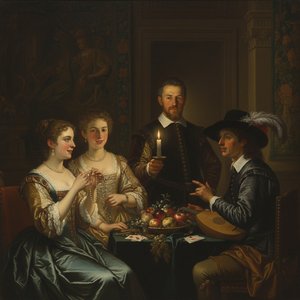
Gerard van Honthorst: Illuminating the Dutch Golden Age with Caravaggism & Courtly Grace
Explore the captivating world of Gerard van Honthorst, a Dutch Golden Age master renowned for his dramatic chiaroscuro & courtly portraits. Discover his life, art, and lasting influence on Baroque painting.
Raziščite umetniška dela, razvrščena po temah, slogih in značilnostih.
