

Shown: · With its frame:
 Predogled v realnem okolju
 Pošlji
 Deli
Deli
 Podrobnosti o delu
 Priročnik

 Prenesi sliko
 Podobni izdelki
 Rentgenski posnetek
 Predvajaj diaporama
 Q&A
Q&A Statistika


€ 239
Ročno izdelana oljna reprodukcija
Ročno slikano olje na platnu v vaši izbiri velikosti in okvirja, izdelano po naročilu naših umetnikov. ( Preklop na tiskanine Preklop na digitalno sliko)
Size
·Standardna velikost
po meri
CM
INCH
Izberite eno od naših vnaprej določenih velikosti, ki ustrezajo prvotnim proporcijam umetničkega dela.
Loading sizes...

širina
višina
Vnesite širino in višino, ki jih potrebujete, da se slika prilega vašemu okviru ali steni. Ker je delo ročno slikano, lahko umetnik pri različnih oblikih slik pri robovih doda malo več barve ali pa jih malo odreže — izberite sami. Pred začetkom slikanja vam pošljemo digitalni predogled za potrditev. Slika, prikazana na tej strani, ni končni rezultat — le predogled prikazuje dejansko podobo.
 Preberi več
Finish
·
White €1

Blurside €1

Extended €1

P118B €10

P118H €10

P118W €10

P438Z €10

P508JH €12

P508YH €12

P805H €10

P805Z €10

P919BZ €10

P919G €10

P919XJ €10

P959ZH €10

P968JZ €12

W106C €8

W218G €10

W218JH €8

W218Y €10

W307PJ €10

W316G €10

W316PJ €8

W316Y €10

W398PJ €8

W4111J €10

W500HY €15

W500JH €15

W692G €12

W849H €8

W940BG €15

W953PJ €8

H24-GOLD €30

H24-SILVER €30

H36-GOLD €45

H36-SILVER €45
Shipped in a protective tube, ready for your own framer.
Above 105 cm the frame is shipped as a kit for a professional framer — read the details.
Extras
optionalWhat do the extras include?
Examples of what can be changed: Replace face with customer photo; Add pet (e.g., replace cat with dog); Include hidden message in background; Change background landscape or elements.
After order, TopImpressionists.com team will email client for instructions and provide a mockup preview
After order, TopImpressionists.com team will email client for instructions and provide a mockup preview
Mednarodna dostava () v 3/4 tednih namesto običajnih 5 tednov. (1 november). Brez kompromisov pri kakovosti.
Zaščitni lak
Značka z imenom
Podrobnosti o gravirani bronasti plošči
This elegant plaque features the artist's name and the title of the artwork, finely engraved for a timeless presentation.
It is made from bronze with a refined, elegant finish. The text is precisely laser-engraved for a sharp and permanent result. Measuring 9x2 cm, the plaque is compact yet easy to read. It's built to be durable and scratch-resistant, offering a professional, museum-quality look. Mounting is simple thanks to the included adhesive backing.
Podrobnosti o transparentni akrilni plošči
The plaque includes essential engraved details such as the artist's name, the title of the artwork, the date it was created, the type of media used-like oil on canvas or watercolor-a brief description of the piece, and a QR code that links to the complete artwork information.
It is crafted from clear acrylic, offering a sleek, modern appearance. The text is UV-engraved in black to ensure strong visual contrast. With a size of 10x15 cm, it ensures optimal readability. It comes equipped with two metal hooks for secure wall mounting. The plaque is designed to be weather-resistant, making it suitable for various environments, and it includes interactive features that work seamlessly with smartphone scanning.
Podrobnosti o črni akrilni plošči
This elegant plaque includes engraved information such as the artist's name, the title of the artwork, the date it was created, the type of media used (like oil on canvas or watercolor), a short description of the artwork, and a QR code for quick access to more information.
The plaque itself is made from refined black acrylic with a premium finish. The text is laser-engraved in white for high contrast and readability. Its size is 10x15 cm, designed to be easy to read. It comes with two metal hooks for professional mounting. The design is sleek and fits any interior style. It is also weather-resistant and durable, with built-in digital integration for mobile compatibility.
Možnost stekla je na voljo le za velikosti pod 110 cm
 Možnost stekla je na voljo le za velikosti pod 110 cm
- Brezplačna ekspresna dostava po vsem svetu
- Visokokakovostno laneno platno
- Popolno zavarovanje pošiljke
- Garancija povračila carine in uvoznih davkov
- Garancija popolnega barvnega ujemanja
- 100-dnevna politika vračil (le v primeru okvar)
- Garancija 100% povračila denarja
- Popust pri večjem naročilu


Opis zbirateljskega predmeta
Experience the elegance of Rococo art! Giovanni Domenico Tiepolo's 'Minuet,' painted in 1756, captures a lively Venetian ballroom scene with vibrant colors and masterful composition.
Biografija umetnika
Odkrijte Giovannija Domenico Tiepoloja, mojstra rokoka in sina Giovannija Battiste! Raziskujte njegove beneške freske in mitološke slike, ki prikazujejo eleganco in umetniško dovršenost.
About the painting
A Symphony of Grace: The Rococo Splendor of Tiepolo’s Minuet
In the delicate dance of light and shadow, Giovanni Domenico Tiepolo’s 1756 masterpiece, "Minuet," invites the viewer into a world where the boundaries between the earthly and the divine dissolve. As a quintessential emblem of the Rococo movement, this work captures the very essence of eighteenth-century aristocratic elegance—a period defined by a thirst for frivolity, idealized beauty, and theatrical grandeur. To gaze upon this canvas is to step into the opulent social spheres of the Habsburg court, where every gesture is choreographed with refinement and every hue whispers of luxury. The painting does not merely depict a dance; it orchestrates an immersive experience, pulling the observer into a rhythmic celebration of life itself.
The composition is a masterclass in the Rococo aesthetic, characterized by its rejection of Baroque solemnity in favor of playful asymmetry and a luminous, pastel-driven palette. Tiepolo employs a breathtaking array of delicate creams, blush pinks, and shimmering golds that seem to glow from within, mirroring the sumptuous silks and intricate ornamentation found in the grandest European interiors. Through the expert use of trompe l'oeil techniques, the artist subtly blurs the lines between the painted surface and architectural reality, creating an illusionistic depth that makes the grand classical structures feel as though they are expanding into the viewer's own space. The light does not simply illuminate the figures; it dances across them, lending a palpable sense of atmosphere and movement to the entire scene.
Mythological Echoes and Symbolic Grandeur
Beyond its surface-level charm, "Minuet" is deeply interwoven with the mythological narratives that provided the intellectual backbone of the era. At the heart of this graceful ballet stands a statue of Diana, the goddess of hunting and chastity. This inclusion serves as a profound symbol of virtue and nobility, acting as a silent, watchful guardian over the festivities. The dancers and musicians, arranged in a rhythmic semi-circle, are positioned within an architectural setting reminiscent of ancient Roman temples, a deliberate choice by Tiepolo to ground the ephemeral joy of the dance in the eternal ideals of classical harmony and proportion. This juxtaposition suggests that even the most fleeting moments of human pleasure can be imbued with divine significance.
For the discerning collector or interior designer, "Minuet" offers more than just visual beauty; it provides a profound emotional resonance. The painting captures a sense of exuberant optimism and the effortless poise of a bygone era. Whether placed in a sun-drenched gallery or as a focal point in a sophisticated living space, a high-quality reproduction of this work brings with it an air of historical prestige and timeless sophistication. It is a piece that invites conversation, evoking the spirit of an age where art was a celebration of light, movement, and the enduring pursuit of grace.
Vprašanja in odgovori
Kakšen je splošni čut dela "Minuet" avtorja Giovanni Domenico Tiepolo?
"Minuet" avtorja Giovanni Domenico Tiepolo je po vzduju opisan kot Elegant. Ta razvrščitev lahko pomaga pri izbiri ustreznega okolja za delo.
V katero obdobje Giovanni Domenico Tiepoloove kariere spada delo "Minuet", glede na datum njegove nastale?
"Minuet", ustvarjeno leta 1756, pripada Mature Period v karieri umetnika Giovanni Domenico Tiepolo.
Kateri umetnik in kateri slog stojita za "Minuet"?
"Minuet" je ustvaril Giovanni Domenico Tiepolo v slogu Rococo Style. Umetnik in umetniška smer opredeljata tradicijo dela.
Quick facts and art quiz
About Giovanni Domenico Tiepolo
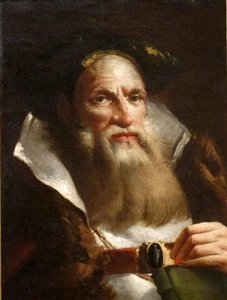
Giovanni Domenico Tiepolo
2007 - 1770, Italija
Biografija umetnika
Giovanni Domenico Tiepolo: Mojster rokokovskih fresk
Giovanni Domenico Tiepolo (30. avgusta 1727 – 3. marca 1804) je bil izstopen italijanski slikar in grafičar iz Republice Benetke. Prepoznavan je kot vodilna figura rokokovskega sloga, saj je prevzel in razširil umetniško dediščino svojega znamenitega očeta, Giovannija Battiste Tiepoloja. Njegova kariera se je razprostirala skozi več desetletij, za katri je pustil bogato umetniško stvarščino, ki jo odlikujejo živahne barve, dinamične kompozicije ter elegantne prikazi mitoloških scen, portretov in pejzažev.
Zgodnje življenje in izobraževanje
Ker se je rodil v umetniški družini, je bilo njegovo zgodnje življenje tesno prepleteno s svetom umetnosti. Njegov oče, Giovanni Battista Tiepolo, slaviti slikar, znan po svojih monumentalnih freskah, je služil kot njegov primarni mentor. Giovanni Domenico je pod očetovim vodstvom prejel strogo usposabljanje, pri čemer je osvajal tehnike in slogske niance, ki so oblikovale njegov lastni umetniški razvoj. Pridobil je tudi prednost iz stika z drugimi pomembnimi umetniki tistega časa, vključno s Sebastiano Riccijem in Federico Bencovijem, kar je še dodatno razširilo njegove umetniške obzorja. Kot mlad človek je pogosto pomagal očetu pri velikih projektih, s čimer je pridobil neprecenljivo praktično izkušnjo pri slikanju fresk.
Umetniška kariera in slog
Kariera Giovanna Domenicoja je cvetela skozi celotno 18. stoletje. Ustalil se je kot spretan umetnik, sposoben ustvarjati tako samostojna dela kot prispevati k skupnim projektom. Čeprav je sprva tesno sodeloval z očetom, je postopoma razvil svoj lasten, ločen slog, kljub temu pa je ohranil elemente rokokovske estetike, ki je bila takrat v benetški umetnosti prevladujoča. Njegova umetniška tvorba je vključevala freske, slike na platnu in etrike.
- Freske: Tiepolo je bil posebej znan po svojih freskah, s katerimi je okrasil številne lokacije po vsej Italiji z zapletenimi scenami. Med izstopajočimi primeri so freske v palači Ca' Dolfin ob Grand Canal v Benetkah in strop cerkve Gesuati (Santa Maria del Rosario), prav tako v Benetkah.
- Slike: Poleg fresk je ustvaril številne slike na platnu, ki pogosto prikazujejo mitološke teme ali portrete. Primeri vključujejo "Perseja in Andromeda" (poglejte tukaj), "Poroč Kardiju Evrope" (poglejte tukaj) in "Lovca z jelenom" (poglejte tukaj).
- Etrike: Tiepolo je pokazal tudi svoje znanje pri etriki, s tvorbo podrobno in ekspresivnih printov, kot je "Sveti Avgustin, Ludvik Francoz, Janez Evangelist in Magnus" (poglejte tukaj).
Vplivi in razvoj
Umetniški razvoj Giovanna Domenicoja je močno vplival oče, Giovanni Battista Tiepolo. Prevzel je starejšega Tiepolojevega znanje barv, kompozicije in pripovedovalne umetnosti. Vendar se je slog Giovanna Domenicoga razvijal v smeri večji poudarka na žanrskih scenah in prikazi vsakdana, kar ga ločuje od očetovih bolj monumentalnih in klasično navdičenih del. Pokazal je tudi zanimanje za teatralnost in gibanje, kar je razvidno v slikah, kot sta "Pulcinella" (poglejte tukaj) in "Apotheosis Herkulove" (poglejte tukaj).
Zgodbinska pomembnost
Giovanni Domenico Tiepolo je igral ključno vlogo pri nadaljevanju in evoluciji benetške rokokovske umetnosti. Čeprav je čez svojo življenje deloval v senci očetove slave, je danes priznan kot pomemben umetnik po lastni zaslugi. Njegove freske in slike ponujajo dragocen vpogled v umetniški okus in kulturne vrednote 18. stoletja v Benetkah in Italiji. Njegova sposobnost združevanja klasičnih tem z sodobno občutljivostjo je utrdila njegovo mesto v rokokovski gibanju, za katerega je pustil dediščino živahne umetnosti, ki še danes očarava gledalce.
Quick facts about Giovanni Domenico Tiepolo
- Artistic Movement Or Style: Rokok
- Artists Who Influenced This Artist: ['Giovanni Battista Tiepolo']
- Date Of Birth: 30. avgusta 1727
- Date Of Death: 3. marca 1804
- Full Name: Giovanni Domenico Tiepolo
- Nationality: italijanski
- Notable Artworks:
- Persej in Andromeda
- Europaovo ucranje
- Lovec z jelenom
- Sveti Avgustin, Ludvik Francoski, Janez Evangelist in Magnus
- Apollo in Diana
- Apotheosis Herkulesa
- Place Of Birth: Benetka, Italija

Giovanni Domenico Tiepolo
Minuet
() ·
With its frame: · Hand-painted in oil on linen
Total