


 Predogled v realnem okolju
 Pošlji
 Deli
Deli
 Podrobnosti o delu
 Priročnik

 Prenesi sliko
 Podobni izdelki
 Rentgenski posnetek
 Predvajaj diaporama
 Q&A
Q&A Statistika
A messa prima


A moonlit night of mystery unfolds in Giovanni Segantini's post-impressionist masterpiece A messa prima where a woman watches a figure depart, inviting you to explore this ethereal moment through a fine oil reproduction.
 Preberi več
Giovanni Segantini (1858-1899): Italijanski slikar znan po veličastnih alpskih pokrajinah! Odkrijte njegove simbolistične in divizionistične slike, ki prikazujejo lepoto narave in podeželskega življenja. Pomemben predstavnik poznega 19. stoletja.
Giclée tisk / Umetniški tisk
Giclée ali platnati odtis muzejske kakovosti z hitro proizvodnjo in prilagodljivimi možnostmi končne obdelave. ( Kupite ročno slikano delo Preklop na digitalno sliko)




P118B €10

P118H €10

P118W €10

P438Z €10

P508JH €12

P508YH €12

P805H €10

P805Z €10

P919BZ €10

P919G €10

P919XJ €10

P959ZH €10

P968JZ €12

W106C €8

W218G €10

W218JH €8

W218Y €10

W307PJ €10

W316G €10

W316PJ €8

W316Y €10

W398PJ €8

W4111J €10

W500HY €15

W500JH €15

W692G €12

W849H €8

W940BG €15

W953PJ €8




Standardna velikost
po meri
CM
INCH
Izberite eno od naših vnaprej določenih velikosti, ki ustrezajo prvotnim proporcijam umetničkega dela.
Loading sizes...

širina
višina
Vnesite širino in višino, ki jih potrebujete za svoj okvir ali steno. Tiskanje se lahko le odreže, vendar ga ni mogoče narediti večjega od slike, zato format z drugačno obliko pomeni izgubo dela slike. Pred tiskanjem vam pošljemo digitalni predogled za potrditev. Slika, prikazana na tej strani, ne prikazuje dejanskega izrezka — le predogled to omogoča.
Globalna dostava () v 2 tednih namesto standardnih 4/5 tednov. (28 oktober)

Brezplačna ekspresna dostava po vsem svetu

Visokokakovostno laneno platno

Popolno zavarovanje pošiljke

Garancija povračila carine in uvoznih davkov

Garancija popolnega barvnega ujemanja

100-dnevna politika vračil (le v primeru okvar)

Garancija 100% povračila denarja

Popust pri večjem naročilu
 Možnost stekla je na voljo le za velikosti pod 110 cm

A messa prima
Giclée tisk / Umetniški tisk
Velikost reprodukcije
-


Skupna cena
€ 61
A Nocturnal Encounter in Light and Shadow
In the quiet, silvered depths of Giovanni Segantini’s 1885 masterpiece, A messa prima, we are invited into a world where the boundaries between reality and dream begin to dissolve. This post-impressionist gem captures a profound moment of human connection—or perhaps, more poignantly, a moment of departure. At the heart of the composition stands a woman perched upon a staircase, her silhouette marked by an elegant ponytail, gazing downward with an expression that oscillates between longing and resignation. Below her, a figure retreats into the shadows, walking away into the mysteries of the night. The scene is not merely a depiction of a physical space, but an emotional landscape where every brushstroke serves to heighten the sense of intrigue and quiet melancholy that defines this nocturnal encounter.
The atmosphere of the painting is thick with the ethereal glow of a moonlit sky, a technique that Segantini employs to envelop the viewer in a soft, luminous haze. Through his masterful use of light, the artist transforms a simple architectural setting into a stage for symbolic storytelling. The moonlight does more than illuminate the figures; it acts as a celestial witness to the fleeting nature of human presence. As the light touches the edges of the stairs and the distant, shadowy figures in the background, it creates a sense of depth that pulls the observer deeper into the painting’s mystery. This interplay of light and dark—the chiaroscuro of the post-impressionist era—imbues the work with a spiritual weight, suggesting that even in the darkness, there is a profound beauty to be found in the transient moments of our lives.
The Mastery of Post-Impressionist Technique
Segantini’s approach to A messa prima showcases his unique ability to blend the structural precision of his training with the emotive, atmospheric qualities of Symbolism. The technique used here allows for a dreamy, almost otherworldly quality that is characteristic of his most celebrated works. Rather than focusing on harsh outlines, Segantini utilizes subtle transitions of tone to suggest movement and emotion. This soft-focus effect creates a sense of nostalgia, as if we are viewing a memory rather than a live event. For the discerning collector or interior designer, this painting offers a sophisticated textural depth that can anchor a room, providing a focal point that rewards prolonged contemplation.
Beyond its visual allure, the painting serves as a poignant reflection on the passage of time and the fragility of human bonds. The composition is meticulously balanced to guide the eye from the central woman, down the descending steps, and toward the receding figures in the distance, mirroring the very movement of life itself—a constant progression away from what was once close. To possess a high-quality reproduction of this work is to bring a piece of art history into one's personal sanctuary; it is an invitation to reflect on the beauty of the ephemeral and the enduring power of the human spirit. Whether placed in a contemporary gallery setting or a classic study, A messa prima remains a timeless testament to the evocative power of Segantini’s vision.
Vprašanja in odgovori
S kakšnimi pseudonimi ali alternativnimi imeni je znan/a Giovanni Segantini?
Giovanni Segantini se pojavlja tudi pod imeni Giovanni Battista Emanuele Maria Segantini, Segantini.
Ali uporablja "A messa prima" avtorja Giovanni Segantini močne kontraste ali nežne harmonije?
V "A messa prima" se Bold kontrast združuje s Balanced Harmony harmonijo.
Kakšno čustvo izraža del Post-Impressionism z naslovom "A messa prima"?
Mysterious čustvo dela "A messa prima" spremlja njegov Post-Impressionism slog.
Biografija umetnika
Giovanni Segantini: Življenje posvečeno Alpam
Giovanni Segantini (1858-1899) je bil italijanski slikar, znan po velikopoteznih pokrajinah Alpskih gora. Njegova življenjska pot je bila zaznamovana s težavami in končnim umetniškim triumfom, ki se je izrazil v edinstvenem slogu, ki je združeval divizionizem z simbolističnimi motivi. Rodil se je 15. januarja 1858 v Arcu, Trentino (takrat Avstro-Ogrska) in umrl 10. avgusta 1899 v Schiavi di Abbemaggiore blizu Sondria, Italija.
Zgodnje življenje in težave
- Težki začetki: Segantini je preživljal skromno otroštvo. Njegov oče je bil potujoči trgovac, mati pa ga je večinoma vzgajala sama.
- Sirotstvo in popravni dom: Po smrti matere je pobegnil od doma in se znašel v milanskem popravnem domu. Tam je duhovnik prepoznal njegov umetniški talent in ga spodbujal.
- Samookrevanje: Kljub omejenemu formalnemu izobraževanju se je Segantini kasneje sam naučil brati in pisati, kar kaže na njegovo izjemno odločenost.
- Zgodnja kariera: Sprva je delal kot fotografski pomočnik, preden se je resno posvetil slikanju.
Umetniški razvoj in vplivi
- Šolanje na Akademiji Brera: Segantini je obiskoval predavanja na prestižni Akademiji Brera v Milanu, kjer je spoznal vplivne predstavnike gibanja Scapigliatura. Ta skupina je zagovarjala zavrnitev umetnostnih konvencij in sprejemanje surove resničnosti življenja.
- Ključni vplivi: Njegovo delo so močno vplivali Anton Mauve in Jean-François Millet, ki sta mu ju predstavil Vittorio Grubicy de Dragon, njegov svetovalec in trgovec. Ti umetniki so poudarjali realizem in upodabljanje podeželskega življenja.
- Divizionizem: Segantini je prevzel divizionistični slikarski pristop, ki vključuje nanašanje majhnih pik ali potez čiste barve druga ob drugo na platno. Ta tehnika je bila namenjena ustvarjanju optičnega mešanja v očesu gledalca in s tem ustvarjala žive in svetle učinke.
- Simbolizem: Poleg divizionizma je Segantini v svoje delo vključil simbolistične elemente, ki so pokrajinam vdihovali globlji pomen in alegorične predstavitve življenja, smrti in duhovnosti.
Pomembna dela in teme
- Zgodnji uspeh: Njegova slika "Kapela Sant'Antonija" je bila prepoznana po svoji močni kvaliteti in jo je kupila milanska družba za lepe umetnosti (Società per le Belle Arti).
- Alpske pokrajine: Segantini je najbolj znan po upodobitvah Alp, ki zajemajo njihovo veličino in spokojnost. Želel je prikazati ne samo fizično lepoto, temveč tudi duhovno bistvo teh pokrajin.
- Pomembna dela: Med njegova najbolj slavna dela spadajo:
- Dve materi (Le due Madri) – Ganljiva upodobitev materinstva in podeželskega življenja.
- Življenje (La Vita) – Ujame bistvo Alpske lepote in človeške povezanosti.
- Donna alla fonte (tudi znana kot Alpenlandschaft mit Frau am Brunnen) – Mirna scena ženske ob fontani v Alpah.
- Ragazza che fa la calza - Čudovita simbolistična slika s podobo ženske in ovc.
- Il castigo delle lussuriose – Srhljiva upodobitev, ki raziskuje teme morale in narave.
- Poznejša leta: Zadnja leta je preživel v Švici, kjer je ustvaril nekatera najbolj pomembna dela, med drugim "Capriolo morto" (Mrtev srnec), ganljivo upodobitev smrtnosti.
Zapuščina in zgodovinski pomen
- Edinstven umetniški slog: Segantini je združil divizionizem in simbolizem v značilen slog, ki ga je ločil od sodobnikov.
- Ujetje duha Alp: Zapomnil se je kot eden najpomembnejših slikarjev Alpskih pokrajin, ki je uspešno prikazal njihovo lepoto in duhovni pomen.
- Vpliv na poznejše umetnike: Njegova inovativna uporaba barve in svetlobe je vplivala na naslednje generacije umetnikov.
- Stalno priznanje: Danes so Segantinijeva dela razstavljena v pomembnih muzejih po vsem svetu, njegov sloves mojstra pa navdaja ljubitelje umetnosti.

Giovanni Segantini
1858 - 1899 , Avstrija
Hitri podatki
- Datum Rojstva: 15. januar 1858
- Datum Smrti: 10. avgust 1899
- Državljanstvo: Italijan
- Kraj Rojstva: Arco, Avstrija
- Polno Ime: Giovanni Segantini
- Pomembna Dela:
- Kapela Sant'Antonio
- Pralka
- Življenje (La Vita)
- Ženska pri viru
- Deklica plete nogavice
- Umetniški Smer: Simbolizem, Divizionizem
- Vplivi Umetnikov:
- Anton Mauve
- Jean-François Millet
Sorodni članki
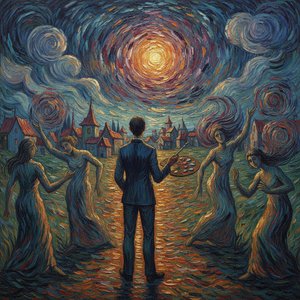
Beyond the Light: Capturing Emotion Through the Expressive Soul of Post-Impressionism
Explore the profound emotional depth of Post-Impressionism. Discover how masters like Van Gogh and Cézanne moved beyond light to capture raw feeling through color and texture. A journey into art history for the true connoisseur.