

Shown: · With its frame:
 Predogled v realnem okolju
 Pošlji
 Deli
Deli
 Podrobnosti o delu
 Priročnik

 Prenesi sliko
 Podobni izdelki
 Rentgenski posnetek
 Predvajaj diaporama
 Q&A
Q&A Statistika


€ 239
Ročno izdelana oljna reprodukcija
Ročno slikano olje na platnu v vaši izbiri velikosti in okvirja, izdelano po naročilu naših umetnikov. ( Preklop na tiskanine Preklop na digitalno sliko)
Size
·Standardna velikost
po meri
CM
INCH
Izberite eno od naših vnaprej določenih velikosti, ki ustrezajo prvotnim proporcijam umetničkega dela.
Loading sizes...

širina
višina
Vnesite širino in višino, ki jih potrebujete, da se slika prilega vašemu okviru ali steni. Ker je delo ročno slikano, lahko umetnik pri različnih oblikih slik pri robovih doda malo več barve ali pa jih malo odreže — izberite sami. Pred začetkom slikanja vam pošljemo digitalni predogled za potrditev. Slika, prikazana na tej strani, ni končni rezultat — le predogled prikazuje dejansko podobo.
 Preberi več
Finish
·
White €1

Blurside €1

Extended €1

P118B €10

P118H €10

P118W €10

P438Z €10

P508JH €12

P508YH €12

P805H €10

P805Z €10

P919BZ €10

P919G €10

P919XJ €10

P959ZH €10

P968JZ €12

W106C €8

W218G €10

W218JH €8

W218Y €10

W307PJ €10

W316G €10

W316PJ €8

W316Y €10

W398PJ €8

W4111J €10

W500HY €15

W500JH €15

W692G €12

W849H €8

W940BG €15

W953PJ €8

H24-GOLD €30

H24-SILVER €30

H36-GOLD €45

H36-SILVER €45
Shipped in a protective tube, ready for your own framer.
Above 105 cm the frame is shipped as a kit for a professional framer — read the details.
Extras
optionalWhat do the extras include?
Examples of what can be changed: Replace face with customer photo; Add pet (e.g., replace cat with dog); Include hidden message in background; Change background landscape or elements.
After order, TopImpressionists.com team will email client for instructions and provide a mockup preview
After order, TopImpressionists.com team will email client for instructions and provide a mockup preview
Mednarodna dostava () v 3/4 tednih namesto običajnih 5 tednov. (2 november). Brez kompromisov pri kakovosti.
Zaščitni lak
Značka z imenom
Podrobnosti o gravirani bronasti plošči
This elegant plaque features the artist's name and the title of the artwork, finely engraved for a timeless presentation.
It is made from bronze with a refined, elegant finish. The text is precisely laser-engraved for a sharp and permanent result. Measuring 9x2 cm, the plaque is compact yet easy to read. It's built to be durable and scratch-resistant, offering a professional, museum-quality look. Mounting is simple thanks to the included adhesive backing.
Podrobnosti o transparentni akrilni plošči
The plaque includes essential engraved details such as the artist's name, the title of the artwork, the date it was created, the type of media used-like oil on canvas or watercolor-a brief description of the piece, and a QR code that links to the complete artwork information.
It is crafted from clear acrylic, offering a sleek, modern appearance. The text is UV-engraved in black to ensure strong visual contrast. With a size of 10x15 cm, it ensures optimal readability. It comes equipped with two metal hooks for secure wall mounting. The plaque is designed to be weather-resistant, making it suitable for various environments, and it includes interactive features that work seamlessly with smartphone scanning.
Podrobnosti o črni akrilni plošči
This elegant plaque includes engraved information such as the artist's name, the title of the artwork, the date it was created, the type of media used (like oil on canvas or watercolor), a short description of the artwork, and a QR code for quick access to more information.
The plaque itself is made from refined black acrylic with a premium finish. The text is laser-engraved in white for high contrast and readability. Its size is 10x15 cm, designed to be easy to read. It comes with two metal hooks for professional mounting. The design is sleek and fits any interior style. It is also weather-resistant and durable, with built-in digital integration for mobile compatibility.
Možnost stekla je na voljo le za velikosti pod 110 cm
 Možnost stekla je na voljo le za velikosti pod 110 cm
- Brezplačna ekspresna dostava po vsem svetu
- Visokokakovostno laneno platno
- Popolno zavarovanje pošiljke
- Garancija povračila carine in uvoznih davkov
- Garancija popolnega barvnega ujemanja
- 100-dnevna politika vračil (le v primeru okvar)
- Garancija 100% povračila denarja
- Popust pri večjem naročilu


Opis zbirateljskega predmeta
Biografija umetnika
Odkrijte Hieronymusa Boscha (okoli 1450-1516), nizozemskega mojstra renesančnega slikarstva, znan po svojih surrealističnih in simboličnih delih. Raziščite njegove ikonične slike, verske teme in nočne more – trajen vpliv na zgodovino umetnosti.
About the painting
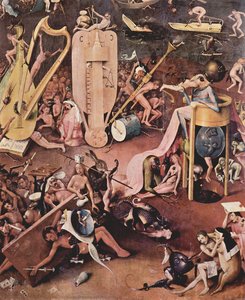
A Moment Frozen in Time: Exploring Hieronymus Bosch’s Ecce Homo Detail
The painting “Ecce Homo” – Latin for “Behold the Man” – is a haunting fragment from Hieronymus Bosch’s monumental triptych, completed around 1475. More than just a depiction of Jesus Christ’s crucifixion, it represents a profound meditation on human suffering and divine compassion, rendered with Bosch's signature blend of meticulous realism and fantastical imagination. This particular detail captures the palpable tension surrounding the figure of Jesus as he is presented to the crowd – a scene charged with religious significance and psychological complexity.The Artist’s Vision: Bosch’s Unique Style
Hieronymus Bosch (c. 1450-1516) stands apart from his contemporaries in Northern Renaissance art. Unlike many artists of his era who adhered to idealized depictions of biblical figures, Bosch embraced a disturbing vision rooted in medieval folklore and Christian mysticism. His style is characterized by an unsettling juxtaposition of naturalistic observation with grotesque imagery – animals transformed into monstrous hybrids, human figures distorted into expressions of agony and ecstasy. This deliberate dissonance wasn’t merely stylistic choice; it served as a powerful tool for conveying Bosch's anxieties about sin, mortality, and the corrupting influence of earthly desires. He meticulously crafted his paintings using oil paint on panel, achieving remarkable detail and luminosity—a technique that allowed him to capture both the physicality of his subjects and the ethereal quality of their spiritual torment.Historical Context: Faith Under Pressure
The triptych itself was commissioned by Willem Boreel, a wealthy Antwerp merchant who sought solace during a period of religious upheaval in Europe. The Protestant Reformation was gaining momentum, challenging papal authority and sparking intense debates about theological interpretation. Bosch’s depiction reflects this climate of uncertainty; the faces of those surrounding Jesus are etched with sorrow and apprehension, mirroring the anxieties felt by many devout Christians grappling with questions of faith and salvation. The inclusion of instruments like a sword and shield speaks to the political tensions of the time – symbols of military might juxtaposed against the vulnerability of Christ on the cross—underscoring Bosch’s awareness of the broader societal landscape.Symbolism: Layers of Meaning Beyond the Visible
Beyond its immediate depiction, “Ecce Homo” is replete with symbolic references that delve into deeper theological concerns. The cup held aloft by one figure represents divine grace – offering solace and redemption to those who acknowledge their failings. Conversely, the expressions on the faces of the onlookers convey a spectrum of emotions: pity, fear, disbelief, and perhaps even contempt. Bosch’s masterful use of color contributes to this symbolic richness; muted tones dominate the scene, emphasizing the solemnity of the occasion while highlighting the luminous glow emanating from Jesus's body—a visual representation of divine holiness amidst human suffering.Emotional Impact: A Portrait of Humanity’s Struggle
“Ecce Homo” continues to resonate with viewers centuries after its creation because it confronts us directly with the fundamental questions of existence. Bosch doesn’t offer easy answers; instead, he compels us to contemplate the horrors of human nature alongside the promise of divine mercy. The painting's unsettling realism combined with fantastical elements creates a visceral experience—one that lingers in the mind long after viewing. It serves as a timeless reminder of our shared vulnerability and the enduring power of faith to illuminate even the darkest corners of the human condition. This detail, like the entire triptych, remains an unforgettable testament to Bosch’s unparalleled artistic genius and his profound engagement with the spiritual anxieties of his time.Vprašanja in odgovori
Kako lahko "Ecce Homo (detail)" avtorja Jheronimus Bosch vključite v oblikovanje domačega interierja?
Za Accent se priporoča "Ecce Homo (detail)", priporočena prostorina pa je Living Room.
Kakšen je splošni čut dela "Ecce Homo (detail)" avtorja Jheronimus Bosch?
"Ecce Homo (detail)" avtorja Jheronimus Bosch je po vzduju opisan kot Dramatic. Ta razvrščitev lahko pomaga pri izbiri ustreznega okolja za delo.
Za kakšno vrsto umetniškega dela velja "Ecce Homo (detail)" avtorja Jheronimus Bosch?
"Ecce Homo (detail)" is a WallArt piece.
Quick facts and art quiz
About Jheronimus Bosch

Jheronimus Bosch
1450 - 1516, Nizozemska
Biografija umetnika
Nizozemska enigma: Življenje in umetnost Hieronymusa Boscha
Rojen okoli leta 1450 v živahnem, vročnem mestu ’s-Hertogenbosch na Nizozemskem — takratnem delu Brabanta — je Hieronymus Bosch, prvotno Jheronimus van Aken, ostal ena najbolj očarljivih in misterioznih postav v zgodovini umetnosti. Njegov svet je bil prežet z pozno srednjeveško religiozno vrlostjo, folklornim mitologijam in naraščajočim občutkom družbene negotovosti, kar bi globoko oblikovalo njegovo edinstveno in nemirno umetniško vizijo. Kot član družine z dolgo tradicijo slikarstva — njegov ded, Jan van Ame, in oče, Anthonius van Aken, sta bila oba umetnika — je Bosch verjetno svoje prve korake v umetnost naredil v družinski delavnici, kjer je spremljal tehnike in konvencije nizozemskega slikarstva. Vendar pa se je že v svojih oblikovalnih letih začel oddaljevati od uveljavljenih norm, s čimer je nakazoval izjemno domišljijo, ki bo kasneje definirala njegovo kariero. Biografske podrobnosti so žal izjemno redke; zapisi so razdrobljeni, kar mnoge stvari pusti podvržene špekulacijam in interpretacijam, kar le še povečuje mojo zavit v misterij, ki obdaja tako človeka kot njegovo delo. Pred letom 1481 se je poročil z Aleyt Goyaerts van den Meerveen, združanjem, ki mu je skozi njen družinski premoženje zagotovilo določeno finančno varnost, vendar o njuni osebni življenju ne vemo skoraj nič več.Fantastične vizije in simbolična globina
Boschov umetniški slog je takoj prepoznaven — očarljiva mešanina natančnih detajlov in divje domišljive podobe. Predvsem je delal z oljami na hrastovih ploščah, pri čemer je pokazal vrhunsko vladanje s sredstvom in dosegel svetlobne barve ter zapletene teksture. Čeprav njegova zgodnja dela kažejo vplive tradicionalnega nizozemskega slikarstva, predvsem v njihovem realizmu in pozornosti do detajlov, se je hitro premiknil dlje od same imitacije in razvil globoko originalno vizijo. Njegove slike niso le prikazi realnosti; so alegorijske pokrajine, zasedene z bizarnimi bitji, hibridnimi oblikami in nemirnimi scenami, ki se zdijo iztrgane iz sanj — ali nočnih mor$. Religijske teme tvorijo jedro njegovega dela, vendar to redko predstavljajo preproste prikaze biblijskih zgodb. Namesto tega Bosch uporablja simbolizem za raziskovanje kompleksnih moralnih in teoloških konceptov, pri čemer se pogosto osredotočajo na nevarnosti greha, krhkost zemeljskih užitkov in neizogibnost božjega obsojanja. Njegova bitja — groteski demoni, fantastične živali in nenavadno človeške figure — niso le dekorativni elementi; so personifikacije pohujstev, skušnje in duhovne korupcije. Združevanje svetega in profanega, lepega in grotesknega ustvarja edinstven nemirni učinek, ki še stoletja kasneje očarjuje gledalce.Slovna적이 alegorije morala
Med Boschovimi najslavnejšimi dosežki je Vrt zemeljskih radosti (okoli 1490–1510), triptih, ki ostaja eno najbolj enigmatičnih in sporne del v zgodovini umetnosti. Ob odpiranju predstavlja panoramsko vizijo raja, zemeljskega življenja in pekla — kompleksno alegorijsko predstavitev človekovega padca iz milosti. Levi panel prikazuje Eden, poln fantastičnih bitij in bujne vegetacije; srednji panel prikazuje svet, pohranjen v čulni užitku in neobremenjeni želji; desni panel pa ponuja grozljivo pogled v pekleni jezope. Triptih zadnjega obsoanja (okoli zględ 1480–1490) je še eden močnega primera njegove veščine pri prikazovanju tako nebesne blažnosti kot podzemne mučenosti, medtem ko Vzpon blaženih (okoli 1480–1490) kaže njegovo sposobnost ustvarjanja eteričnih in sanjnih scen. Tudi manjša dela, kot je Epifanija (okoli 1495), prikazujejo njegovo inovativno uporabo olja na lesu in kompleksni simbolizem, kar razkriva um, ki nenehno bojuje z globokimi vprašanji o veri, morali in človeški usodi.Dedstvo in trajni vpliv
Identifikacija Boschovih neposrednih vplivov je zahtevna naloga, glede na originalnost njegove vizije. Strokovnjaki nakazujejo možne povezave s srednjevečno folklorno mitologijo, religioznimi besedili — še posebej tistimi, ki poudarjajo apokaliptične teme — in prevladujočimi tesnobami tistega časa, vključno s strahom pred herezijami in družbenimi prevrati. Vendar je jasno, da je te elemente združil v nekaj popolnoma novega in edinstveno svojega. Njegov vpliv na naslednje umetnike je nepodvden. Pieter Bruegel starejši je neposredno sledil njegovim stopinjama in sprejel podobne teme ter kompozicijske tehnike, medtem ko so kasnejše gibanja, kot je surrealizem, črpala navdih iz Boschovih sanjnih slik in raziskovanja podzavesti. Umetniki, kot sta Salvador Dalí in Max Ernst, so odkrito priznali svoj dolg proti njegovim nemirnim vizijam. Še danes njegova dela fascinirajo in sproščajo debate, s čimer utrjujejo njegovo mesto mojstra nizozemskega slikarstva in vizionarskega umetnika, čiji vpliv sega daleč presega njegov lasten čas. Njegove slike ponujajo dragocen vpogled v religiozno, socialno in psihološko klimo konca 15. in začetka 16. stoletja, izzivajo družbene norme in utirajo pot novim oblikam umetniškega izražanja. Umrl je leta 1516 in za seboj pustil korpus del, ki še vedno navdušuje in navdihuje, ter zagotovil svojo trajno dediščino kot enega najenostnejših in nepozabljivih glasov zgodovine umetnosti.Quick facts about Jheronimus Bosch
- Artistic Movement Or Style: Surrealism, Symbolism
- Artists Or Movements Influenced By This Artist: ['Pieter Bruegel the Elder']
- Date Of Birth: c. 1450
- Date Of Death: 1516
- Full Name: Hieronymus Bosch
- Nationality: Dutch
- Notable Artworks:
- The Garden of Earthly Delights
- Last Judgement Triptych
- Place Of Birth: 's-Hertogenbosch, Netherlands
Raziščite umetniška dela, razvrščena po temah, slogih in značilnostih.




Jheronimus Bosch
Ecce Homo (detail)
() ·
With its frame: · Hand-painted in oil on linen
Total