Atelje — Brezplačna svetovna dostava — Dostava v 2–6 tednih
Lista želja Kočevje
PreviewPreview Naročite reprodukcijo Naročite reprodukcijoKupi digitalno sliko Kupi digitalno sliko PošljiPošlji
Podrobnosti o deluPodrobnosti o delu Dodaj v priljubljene Dodaj v priljubljene PrenesiPrenesi Podobni izdelkiPodobni izdelki Rentgenski posnetekRentgenski posnetek Predvajaj diaporamaPredvajaj diaporama

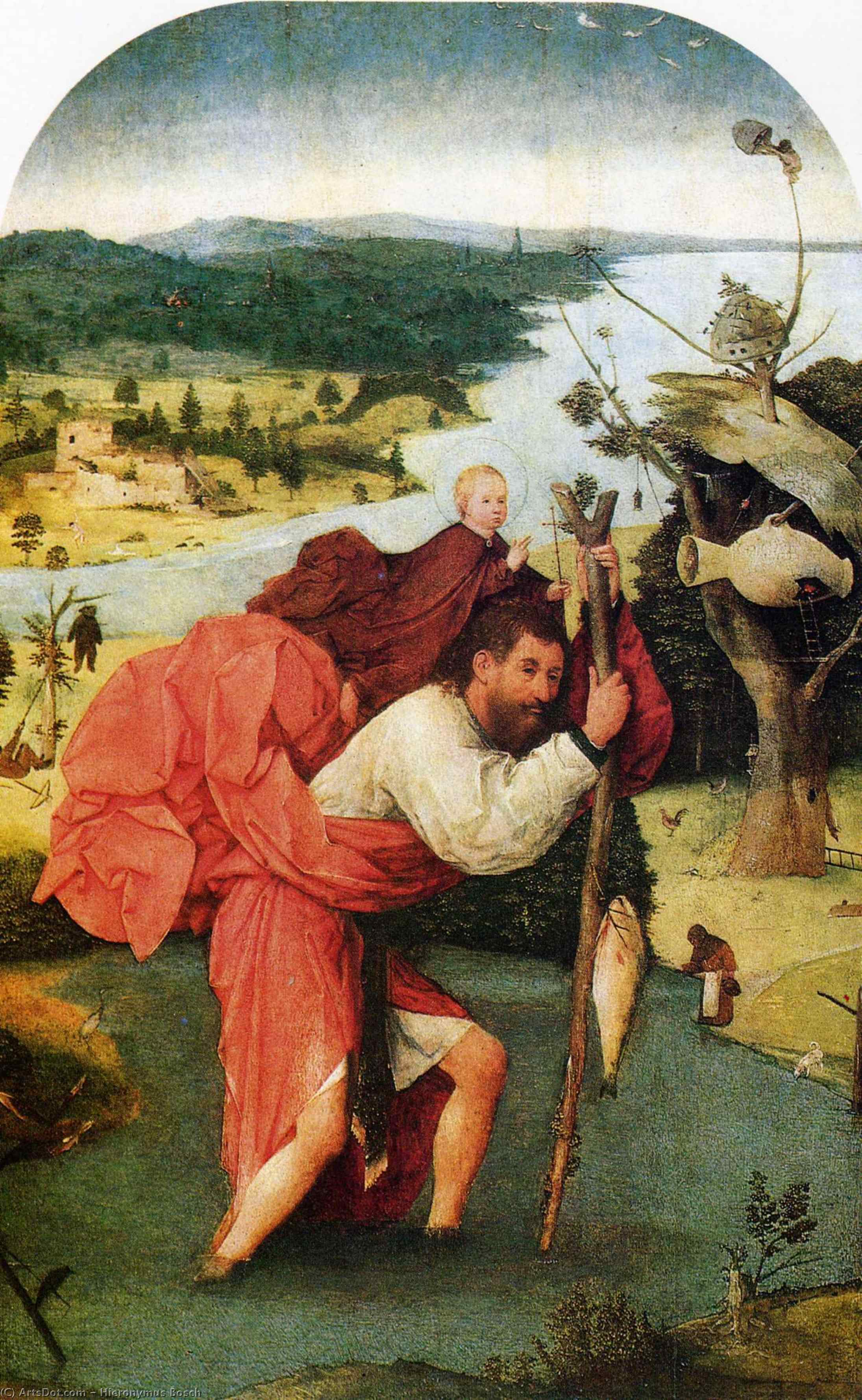
Saint Christopher

Odkrijte Hieronymusa Boscha (okoli 1450-1516), nizozemskega mojstra renesančnega slikarstva, znan po svojih surrealističnih in simboličnih delih. Raziščite njegove ikonične slike, verske teme in nočne more – trajen vpliv na zgodovino umetnosti.

Giclée tisk / Umetniški tisk

Giclée ali platnati odtis muzejske kakovosti z hitro proizvodnjo in prilagodljivimi možnostmi končne obdelave.

P118B $10
P118H $10
P118W $10
P438Z $10
P508JH $12
P508YH $12
P805H $10
P805Z $10
P919BZ $10
P919G $10
P919XJ $10
P959ZH $10
P968JZ $12
W106C $8
W218G $10
W218JH $8
W218Y $10
W307PJ $10
W316G $10
W316PJ $8
W316Y $10
W398PJ $8
W4111J $10
W500HY $15
W500JH $15
W692G $12
W849H $8
W940BG $15
W953PJ $8

Standard
custom
CM
INCH

Izberite eno od naših vnaprej določenih velikosti, ki ustrezajo prvotnim proporcijam umetničkega dela.

širina
višina

Svoje dimenzije lahko vnesete sami, da bodo ustrezne za določen okvir ali prostor. Če izbrana velikost ne bo skladna z razmerji izvirne slike, bomo umetniško delo orezali ali podaljšali s pomočjo ogledalnega odraza ali barvno polnega roba. Pred začetkom proizvodnje vam bomo poslali digitalni predogled za potrditev.
Upoštevajte, da predogled na zaslonu ne prikazuje dejanskega orezovanja ali podaljševanja. Le digitalni predogled bo natančno prikazal končno kompozicijo.
Čeprav so na voljo prilagojene velikosti, priporočamo izbiro dimenzije s predhodno določenega seznama, da ohranite prvotna razmerja.

Globalna dostava () v 2 tednih namesto standardnih 4/5 tednov. (23 julij)

why_choose_icon
Brezplačna ekspresna dostava po vsem svetu
why_choose_icon
Visokokakovostno laneno platno
why_choose_icon
Popolno zavarovanje pošiljke
why_choose_icon
Garancija povračila carine in uvoznih davkov
why_choose_icon
Garancija popolnega ujemanja barv
why_choose_icon
60-dnevna politika vračanja (le v primeru napak)
why_choose_icon
Garancija 100% povračila denarja
why_choose_icon
Popust pri večjem naročilu

Skupna cena

-

reproduction

Saint Christopher

Giclée tisk / Umetniški tisk

Velikost reprodukcije

-

Skupna končna cena

-

Ključni podatki

  • Location: Museum Boijmans Van Beuningen, Rotterdam
  • Artistic style: Fantastic realism
  • Medium: Oil on panel
  • Notable elements or techniques: Detailed depiction of biblical scene; Symbolism.
  • Title: Saint Christopher
  • Subject or theme: Religious iconography; Charity

Umetniški kviz

Pri vsakem vprašanju je na voljo le eden pravilen odgovor.

Vprašanje 1:
What biblical figure is depicted in Hieronymus Bosch’s Saint Christopher?
Vprašanje 2:
The painting portrays Saint Christopher carrying Jesus across what type of landscape?
Vprašanje 3:
How many birds are included in the composition of Saint Christopher?
Vprašanje 4:
Saint Christopher is depicted alongside other figures, including a man holding Jesus. What role does this figure likely represent?
Vprašanje 5:
Hieronymus Bosch’s Saint Christopher is considered a masterpiece of what artistic movement?

Opis zbirateljskega predmeta

Saint Christopher Carrying the Christ Child – A Vision of Faith and Suffering

Hieronymus Bosch’s “Saint Christopher Carrying the Christ Child” stands as a haunting testament to the anxieties of late medieval Europe, rendered in his signature style—a meticulously detailed depiction brimming with unsettling symbolism that continues to fascinate scholars and artists alike. Painted sometime between 1490 and 1516 during Bosch's prolific artistic output, this monumental artwork transcends mere religious iconography; it delves into profound psychological explorations of morality, temptation, and the human condition.

  • Subject Matter: The painting portrays Saint Christopher, venerated as a martyr who carried Jesus across the Jordan River, embodying selfless devotion and unwavering faith. Alongside him is the infant Jesus, symbolizing divine innocence and vulnerability – a juxtaposition that immediately establishes a tension between earthly duty and spiritual purity.
  • Style & Technique: Bosch’s distinctive style—characterized by fantastical imagery, grotesque figures, and meticulous realism—is evident throughout the composition. The artist employs hatching and cross-hatching techniques to create depth and texture, meticulously rendering every element of the scene with astonishing precision. This painstaking attention to detail contributes to the unsettling atmosphere of the artwork.
  • Historical Context: Bosch’s work emerged during a period marked by religious upheaval and societal anxieties surrounding papal authority and demonic influence. The painting reflects the pervasive preoccupation with sin, judgment, and the eternal afterlife prevalent in the intellectual climate of his time—a reflection of the broader artistic trends of the Northern Renaissance.

Symbolism: Layers of Meaning Beyond Appearances

Bosch’s genius lies not merely in his technical prowess but also in his masterful use of symbolism. The three birds circling above represent various aspects of human nature—one perched on a skull signifies mortality, another embodies temptation and deceit, while the third symbolizes divine grace. These avian figures are strategically positioned to dominate the visual field, emphasizing the omnipresent influence of spiritual forces.

  • The Boat: The humble boat traversing the river serves as a metaphor for humanity’s journey through life—a perilous voyage fraught with obstacles and uncertainties. Its weathered appearance underscores the hardships endured by pilgrims seeking salvation.
  • Detailed Figures: Bosch meticulously portrays each individual in the scene, imbuing them with psychological complexity. The figures are rendered with exaggerated proportions and expressions, conveying emotions of fear, compassion, and piety—reflecting the artist’s fascination with human psychology and his ability to capture inner turmoil.

Emotional Impact: A Disturbingly Beautiful Revelation

"Saint Christopher Carrying the Christ Child" compels viewers to confront uncomfortable truths about human morality and spiritual aspiration. Bosch's unsettling depiction evokes a visceral reaction—a blend of fascination, apprehension, and profound contemplation. The artwork’s beauty resides precisely in its disturbing quality, prompting reflection on themes of suffering, redemption, and the eternal struggle between good and evil.

This extraordinary piece continues to inspire artists and scholars alike, cementing Bosch's place as one of the most influential figures in European art history. Its enduring power stems from Bosch’s ability to distill complex theological concepts into unforgettable visual imagery—a testament to his unparalleled artistic vision.


Biografija umetnika

Hieronymus Bosch - Jheronimus van Aken

Bosch was born around 1450 in the vibrant, bustling town of ’s-Hertogenbosch in the Netherlands—then part of Brabant—Hieronymus Bosch, originally Jheronimus van Aken, remains one of art history’s most compelling and mysterious figures. His world was steeped in late medieval religious fervor, folklore, and a growing sense of societal unease, all of which would profoundly shape his uniquely unsettling artistic vision. Coming from a family with a long tradition of painting—his grandfather, Jan van Aken, and father, Anthonius van Aken, were both artists—Bosch likely received his earliest training within the family workshop, absorbing the techniques and conventions of Netherlandish painting. However, even in his formative years, he began to diverge from established norms, hinting at the extraordinary imagination that would define his career. Biographical details are frustratingly scarce; records are fragmented, leaving much open to speculation and interpretation, adding to the aura of mystique surrounding both the man and his work. He married Aleyt Goyaerts van den Meerveen sometime before 1481, a union that provided him with some financial security through her family’s holdings, but little else is known about their personal life. Bosch's artistic style is instantly recognizable—a captivating blend of meticulous detail and wildly imaginative imagery. He primarily worked with oil on oak panels, demonstrating a masterful command of the medium, achieving luminous colors and intricate textures. While his early works show influences from traditional Netherlandish painting, particularly in their realism and attention to detail, he quickly moved beyond mere imitation, developing a profoundly original vision. His paintings are not simply representations of reality; they are allegorical landscapes populated by bizarre creatures, hybrid beings, and unsettling scenes that seem plucked from dreams—or nightmares. Religious themes form the core of much of his work, but these are rarely straightforward depictions of biblical stories. Instead, Bosch uses symbolism to explore complex moral and theological concepts, often focusing on the dangers of sin, the fragility of earthly pleasures, and the inevitability of divine judgment. His creatures—grotesque demons, fantastical animals, and strangely human figures—are not merely decorative elements; they are embodiments of vice, temptation, and spiritual corruption. The blending of the sacred and the profane, the beautiful and the grotesque, creates a uniquely unsettling effect that continues to captivate viewers centuries later. Bosch’s most acclaimed works consist of three triptychs, particularly *The Garden of Earthly Delights* (c. 1490-1510), which remains one of the most enigmatic and debated works in art history. When opened, it presents a panoramic vision of paradise, earthly life, and hell—a complex allegorical representation of humanity’s fall from grace. The left panel depicts the Garden of Eden, teeming with fantastical creatures and lush vegetation; the central panel portrays a world consumed by sensual pleasure and unrestrained desire; and the right panel offers a terrifying glimpse into the torments of hell. The Last Judgement (c. 1480-1490) is another powerful example of his skill in portraying both heavenly bliss and infernal torment, while *Ascent of the Blessed* (c. 1480-1490) demonstrates his ability to create ethereal and dreamlike scenes. These paintings are characterized by a rough surface from the application of paint; this contrasts with the traditional Flemish style of paintings, where the smooth surface attempts to hide the fact that the painting is man-made. Little is known about Bosch's life or training. He spent most of it in and near ‘s-Hertogenbosch, where he was born in his grandfather’s house. The roots of his forefathers are in Nijmegen and Aachen (which is visible in his surname: Van Aken). His father, Anthonius van Aken (died c. 1478) acted as artistic adviser to the Brotherhood of Our Lady. It is generally assumed that either Bosch's father or one of his uncles taught the artist to paint, however none of their works survive. Bosch joined the Illustrious Brotherhood of Our Lady in 1486/87 (fol. 42v), and he received many requests to make paintings for noblemen and clergymen, which made him a well known and respected name during his lifetime. He died in 1516, leaving behind a body of work that continues to fascinate and provoke debate, solidifying his place as one of art history’s most singular and unforgettable voices. ## Notable Artworks * **The Garden of Earthly Delights:** This masterpiece depicts paradise with Adam and Eve and many wondrous animals on the left panel, the earthly delights with numerous nude figures and tremendous fruit and birds on the middle panel, and hell with depictions of fantastic punishments of the various types of sinners on the right panel. * **Last Judgement Triptych:** A monumental depiction of divine judgment, showcasing angels and saints overseeing the souls of the righteous and damned. * **Ascent of the Blessed:** An ethereal scene portraying the soul’s journey to heaven—characterized by luminous colors and intricate textures. ## Influences & Legacy Bosch's work profoundly impacted subsequent artists, notably Pieter Bruegel the Elder, who adopted similar themes and compositional techniques. His unsettling visions continue to inspire debate and fascination today, cementing his place as a master of Netherlandish painting and a visionary artist whose influence transcends time.

Jheronimus Bosch

Jheronimus Bosch

1450 - 1516 , Nizozemska

Hitri podatki

  • Artistic Movement Or Style: Surrealism, Symbolism
  • Artists Or Movements Influenced By This Artist: ['Pieter Bruegel the Elder']
  • Date Of Birth: c. 1450
  • Date Of Death: 1516
  • Full Name: Hieronymus Bosch
  • Nationality: Dutch
  • Notable Artworks:
    • The Garden of Earthly Delights
    • Last Judgement Triptych
  • Place Of Birth: 's-Hertogenbosch, Netherlands
Raziščite umetniška dela, razvrščena po temah, slogih in značilnostih.
© TopImpressionists.com — Vse pravice pridržane  ·  100% ročno slikano · zagotovljeno zadovoljstvo · brezplačna svetovna dostava
VISA MASTERCARD