

 Predogled v realnem okolju
 Pošlji
 Deli
Deli
 Podrobnosti o delu
 Priročnik

 Prenesi sliko
 Podobni izdelki
 Rentgenski posnetek
 Predvajaj diaporama
 Q&A
Q&A Statistika
Hubert Schmalix - I’m having a Bad Time


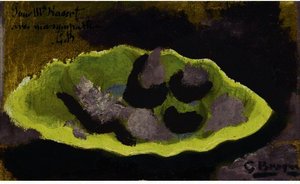
A bleak watercolor by Hubert Schmalix depicting a desolate winter landscape. Explore this unfinished sketch’s realism & impressionistic brushwork – a poignant study in isolation.
Discover Hubert Schmalix's vibrant, expressive paintings! Part of the junge wilde movement, his work explores themes of identity & Berlin art scene. See his impactful art now.
 Preberi več
Umetniška dela, prikazana na tej strani, so zaščitena z avtorskimi pravicami, kar pomeni, da po zakonu ne moremo ustvarjati ali prodajati identičnih reprodukcij. Ta zaščita se izvaja v skladu z mednarodnimi sporazumi, kot so Bernska konvencija in po nacionalnih zakonih, vključno s tistimi, ki jih določa Zakon o avtorskih pravicah ZDA – naslov 17.
Ta način v celoti upošteva zakonodajo o avtorskih pravicah, saj ne vključuje kopiranja ali podvajanja zaščitenga umetniškega dela. Namesto tega gre za kreativno preinterpretacijo – novo sliko, ki je navdihnjen rezultat originala, vendar ni z njim identična.
Giclée tisk / Umetniški tisk
Giclée ali platnati odtis muzejske kakovosti z hitro proizvodnjo in prilagodljivimi možnostmi končne obdelave. ( Kupite ročno slikano delo Preklop na digitalno sliko)




































Standardna velikost
po meri
CM
INCH
Izberite eno od naših vnaprej določenih velikosti, ki ustrezajo prvotnim proporcijam umetničkega dela.
Loading sizes...

širina
višina
Vnesite širino in višino, ki jih potrebujete za svoj okvir ali steno. Tiskanje se lahko le odreže, vendar ga ni mogoče narediti večjega od slike, zato format z drugačno obliko pomeni izgubo dela slike. Pred tiskanjem vam pošljemo digitalni predogled za potrditev. Slika, prikazana na tej strani, ne prikazuje dejanskega izrezka — le predogled to omogoča.
Globalna dostava () v 2 tednih namesto standardnih 4/5 tednov. (1 november)

Brezplačna ekspresna dostava po vsem svetu

Visokokakovostno laneno platno

Popolno zavarovanje pošiljke

Garancija povračila carine in uvoznih davkov

Garancija popolnega barvnega ujemanja

100-dnevna politika vračil (le v primeru okvar)

Garancija 100% povračila denarja

Popust pri večjem naročilu
 Možnost stekla je na voljo le za velikosti pod 110 cm

Hubert Schmalix - I’m having a Bad Time
Giclée tisk / Umetniški tisk
Velikost reprodukcije
-


Skupna cena
€ 61
Sorodna umetniška dela


Biografija umetnika
The Vibrant Legacy of Hubert Schmalix
Hubert Schmalix emerged as a pivotal figure in the landscape of Austrian art, serving as one of the most influential voices during the electric era of the junge wilde movement. Born in Graz on December 17, 1952, his artistic journey was forged amidst the burgeoning countercultural fervor of the late 1970s. This period was defined by a spirited reaction against the prevailing intellectual detachment of minimalist and conceptual art, seeking instead to reclaim the raw power of the brushstroke. Schmalix’s formative years were deeply rooted in the traditions of Austrian Expressionism, drawing profound inspiration from masters such as Ernst Fuchs and Viktor Mischiek. These early influences instilled in him a lifelong conviction that painting should serve as a visceral instrument for conveying human emotion and lived experience.
The trajectory of Schmalalix’s career was marked by a relentless pursuit of color and gesture. In 1978, he became a central participant in the junge wilde collective, standing alongside contemporaries like Siegfried Anzinger and Herbert Brandl. This movement sought to revitalize the medium through bold, rapid brushwork and a renewed focus on the immediacy of perception. His stylistic development was further refined by his studies at the Academy of Fine Arts Vienna under Maximilian Melcher, and later shaped by the academic rigor of Karl Horst Hödicke. Schmalix’s unique ability to fuse realism with impressionistic techniques allowed him to capture the essence of his subjects—whether they were the luminous, sweeping vistas of the Austrian Alps or intimate figurative studies exploring the complexities of psychological introspection.
A Global Journey and Academic Influence
While his roots remained firmly planted in the European tradition, Schmalix’s artistic horizons expanded far beyond the borders of Austria. His travels to Australia and the Philippines in the early 1980s brought new perspectives to his work, enriching his palette and thematic depth. A significant turning point occurred in 1987 when he relocated to Los Angeles, a move that would redefine his professional life and introduce his expressive style to a much broader, international audience. This transition from the historic art centers of Europe to the sprawling energy of Southern California allowed his work to resonate with a new sense of light and scale.
Beyond the canvas, Schmalix left an indelible mark on the next generation of artists through his dedication to pedagogy. From 1997 to 2006, he shared his profound technical knowledge and philosophical approach to painting while teaching at both the Academy of Fine Arts Vienna and the University of California, Los Angeles (UCLA). His career was punctuated by prestigious recognitions that honored both his creative output and his contributions to the cultural fabric of his homeland, including:
- City of Vienna Prize for Fine Arts (1998)
- Medal of Honor of the State of Styria for Science, Research and Art (2024)
As we reflect on the life of Hubert Schmalix, who passed away in Los Angeles on March 23, 2025, we see an artist who never wavered from his commitment to the palpable energy of paint. His oeuvre remains a testament to the power of color to evoke memory and emotion, ensuring his place as a cornerstone of contemporary expressionism.

Hubert Schmalix
1952 - , Austria
Hitri podatki
- Full Name: Hubert Schmalix
- Nationality: Austrian
- Date Of Birth: 1952
- Date Of Death: March 23, 2025
- Place Of Birth: Vienna, Austria
- Notable Artworks: ['I’m having a Bad Time']
- Artistic Movement Or Style: Junge Wilde Movement
- Artists Who Influenced This Artist: Karl Horst Hödicke
- Artists Or Movements Influenced By This Artist: Young Wild Ones
Sorodni članki

Capturing the Soul: The Most Emotionally Moving Impressionist and Post-Impressionist Masterpieces
Discover the profound emotional depth of Impressionist and Post-Impressionist masterpieces. Explore how legends like Monet, Van Gogh, and Gauguin captured light and soul through evocative landscapes and vibrant brushwork for a timeless connection to art history.
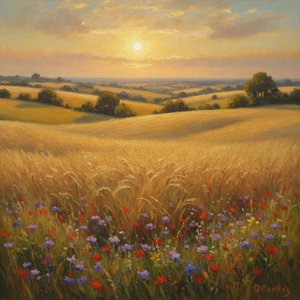
Golden Fields & Sun-Drenched Meadows: Capturing the Soul of Impressionist Landscapes
Immerse yourself in the luminous world of Impressionist landscapes. Discover how masters like Monet and Gauguin captured ephemeral light through plein air painting, and learn to bring the soul of sun-drenched meadows into your home with exquisite, hand-painted oil reproductions.

Beyond the Light: Capturing Raw Emotion and Subjective Vision in Post-Impressionist Landscapes
Explore the profound emotional depth of Post-Impressionist landscapes. Discover how masters like Van Gogh moved beyond light to capture raw human feeling through vibrant color and expressive texture in this expert art history retrospective.

The Beauty of Impermanence: Capturing Decay through Impressionist Eyes
Explore the profound beauty of impermanence through Impressionist and Post-Impressionist eyes. Discover how masters like Monet and Van Gogh captured fleeting light and the poetic essence of nature's transitions in our deep dive into art history and emotional landscapes.

Capturing Light: The Ethereal Beauty and Timeless Legacy of Watercolor Landscapes
Embark on a visual journey through the ethereal beauty of watercolor landscapes. Discover how Impressionist masters captured light and emotion, and learn to bring this timeless, luminous elegance into your home with expert art curation and hand-painted reproductions.