


 Preverite v realnem okolju
 Pošlji kot čestitko
 Deli
Deli
 Podrobnosti
 Priročnik

 Prenesi
 Podobni artefakti
 Rentgenski posnetek
 Predvajaj diaporama
 Statistika
William Blake
 Impressionism
 1997
1997 133.0 x 245.0 cm
 British Council Collection
Explore Humphrey Ocean’s ‘William Blake’ – an impressionistic cityscape painting in muted tones. Discover its realism & expressive brushwork. A captivating piece for art collectors.
A contemporary British painter known for his textured realism and Royal Academy Professorship, Humphrey Ocean captures profound human moments in works like The First of England, inviting you to discover his evocative world.
 Preberi več
Umetniška dela, prikazana na tej strani, so zaščitena z avtorskimi pravicami, kar pomeni, da po zakonu ne moremo ustvarjati ali prodajati identičnih reprodukcij. Ta zaščita se izvaja v skladu z mednarodnimi sporazumi, kot so Bernska konvencija in po nacionalnih zakonih, vključno s tistimi, ki jih določa Zakon o avtorskih pravicah ZDA – naslov 17.
Ta način v celoti upošteva zakonodajo o avtorskih pravicah, saj ne vključuje kopiranja ali podvajanja zaščitena umetniškega dela. Namesto tega gre za kreativno preinterpretacijo – novo sliko, ki je navdihnjen rezultat originala, vendar ni z njim identična.
Giclée tisk / Umetniški tisk
Giclée ali platnati odtis muzejske kakovosti z hitro proizvodnjo in prilagodljivimi možnostmi končne obdelave. ( Naročite ročno slikano reprodukcijo Preklop na digitalno sliko)




































Standardna velikost
po meri
CM
INCH
Izberite eno od naših vnaprej določenih velikosti, ki ustrezajo prvotnim proporcijam umetničkega dela.
Loading sizes...

širina
višina
Vnesite širino in višino, ki jih potrebujete za svoj okvir ali steno. Tiskanje se lahko le odreže, vendar ga ni mogoče narediti večjega od slike, zato format z drugačno obliko pomeni izgubo dela slike. Pred tiskanjem vam pošljemo digitalni predogled za potrditev. Slika, prikazana na tej strani, ne prikazuje dejanskega izrezkov — le predogled to omogoča.
Globalna dostava () v 2 tednih namesto standardnih 4/5 tednov. (24 oktober)

Brezplačna ekspresna dostava po vsem svetu

Visokokakovostno laneno platno

Popolno zavarovanje pošiljke

Garancija povračila carine in uvoznih davkov

Garancija popolnega barvnega ujemanja

Politika vračila v 100 dneh (le v primeru okvar)

Garancija 100% povračila denarja

Popust pri večjem naročilu
 Možnost stekla je na voljo le za velikosti pod 110 cm

William Blake
Giclée tisk / Umetniški tisk
Velikost reprodukcije
-


Skupna cena
€ 61
Sorodna umetniška dela


Biografija umetnika
The Painterly Journey of Humphrey Ocean
Born Humphrey Anthony Erdeswick Butler-Bowdon in Pulborough, United Kingdom, the contemporary British painter known as Humphrey Ocean has cultivated a career defined by profound texture and thoughtful composition. His early life and education laid a rigorous foundation for his artistic evolution, beginning with studies at Ampleforth College before moving into the specialized world of art instruction. His formative years in the late 1960s and early 1970s saw him traversing several esteemed institutions, including the Tunbridge Wells School of Art, a Foundation Course at Brighton College of Art, and ultimately earning his DipAD Painting at Canterbury College of Art. It was during his time at Canterbury that he encountered influential figures such as Ian Dury, an experience that coincided with a period of musical exploration where Ocean served as the bass player for the band Kilburn and the High Roads.
The work of Humphrey Ocean is often characterized by its ability to evoke deep contemplation through a blend of realism and impressionistic sensibilities. His paintings frequently navigate the delicate balance between the tangible world and emotional resonance. Whether capturing the nostalgic, vibrant textures of a vintage radio in Static or the complex, crowded maritime scenes found in The First of England, Ocean demonstrates a mastery over medium and light. His portraits, such as the 1994 depiction of Sir Julian Bullard, utilize a muted palette and rich textures to offer intimate glimpses into the character of his subjects, proving that his technique is as much about psychological depth as it is about visual accuracy.
Artistic Legacy and Recognition
Throughout his prolific career, Ocean has achieved significant milestones within the British art establishment. His election as a Royal Academician in 2004 stands as a testament to his enduring contribution to contemporary painting. Beyond his personal practice, his role as a Royal Academy Professor of Perspective highlights his deep understanding of the structural and optical complexities of the visual field. His notable works span a diverse range of subjects, from the evocative Philip Larkin to more recent explorations like Randy Lerner, showcasing a versatility that allows him to move between portraiture, still life, and larger-scale narrative compositions.
The significance of Ocean's work is further cemented by its presence in prestigious collections. His ability to capture the essence of both the human figure and the atmospheric qualities of maritime scenes has earned his pieces a place in institutions such as the National Maritime Museum. Through his unique lens, the viewer is invited to experience the world not just as a collection of objects, but as a series of textured, emotive encounters that bridge the gap between the seen and the felt.

Humphrey Ocean
1951 - , United Kingdom
Ključne informacije
- Artistic Movement Or Style: Contemporary painter
- Full Name: Humphrey Anthony Erdeswick Butler-Bowdon
- Nationality: British
- Notable Artworks:
- The First of England
- Static
- Sir Julian Bullard
- Lord Volvo and his Estate
- Paul McCartney
- Philip Larkin
- Black Love Chair
- Randy Lerner
- Place Of Birth: Pulborough, United Kingdom
- Date Of Birth: 1951
Sorodni članki
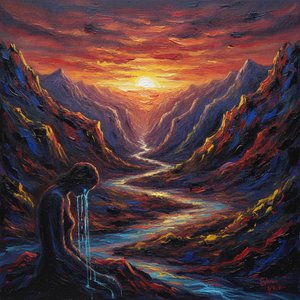
Capturing Emotion: A Journey Through the Soul of Expressionist Landscapes
Explore the profound emotional depth of Expressionist landscapes. Discover how Post-Impressionist masters moved beyond light to capture the soul through vibrant color and form. A curated journey for true art lovers seeking the beauty of expressive mastery.
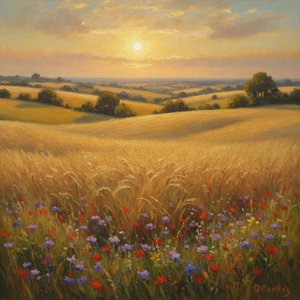
Golden Fields & Sun-Drenched Meadows: Capturing the Soul of Impressionist Landscapes
Immerse yourself in the luminous world of Impressionist landscapes. Discover how masters like Monet and Gauguin captured ephemeral light through plein air painting, and learn to bring the soul of sun-drenched meadows into your home with exquisite, hand-painted oil reproductions.

Capturing the Soul: The Most Emotionally Moving Impressionist and Post-Impressionist Masterpieces
Discover the profound emotional depth of Impressionist and Post-Impressionist masterpieces. Explore how legends like Monet, Van Gogh, and Gauguin captured light and soul through evocative landscapes and vibrant brushwork for a timeless connection to art history.

The Beauty of Impermanence: Capturing Decay through Impressionist Eyes
Explore the profound beauty of impermanence through Impressionist and Post-Impressionist eyes. Discover how masters like Monet and Van Gogh captured fleeting light and the poetic essence of nature's transitions in our deep dive into art history and emotional landscapes.

Beyond the Light: Capturing Raw Emotion and Subjective Vision in Post-Impressionist Landscapes
Explore the profound emotional depth of Post-Impressionist landscapes. Discover how masters like Van Gogh moved beyond light to capture raw human feeling through vibrant color and expressive texture in this expert art history retrospective.