

Prikazano: · Vključno z okvirjem:
 Predogled v realnem okolju
 Pošlji
 Deli
Deli
 Podrobnosti o delu
 Priročnik

 Prenesi sliko
 Podobni izdelki
 Rentgenski posnetek
 Predvajaj diaporama
 Vprašanja in odgovori
 Statistika
€ 240
Ročno izdelana oljna reprodukcija
Ročno slikano olje na platnu v vaši izbiri velikosti in okvirja, izdelano po naročilu naših umetnikov. ( Preklop na tiskanine Preklop na digitalno sliko)
Velikost
·Standardna velikost
po meri
CM
INCH
Izberite eno od naših vnaprej določenih velikosti, ki ustrezajo prvotnim proporcijam umetničkega dela.
Nalagovanje velikosti...

širina
višina
Vnesite širino in višino, ki jih potrebujete, da se slika prilega vašemu okviru ali steni. Ker je delo ročno slikano, lahko umetnik pri različnih oblikih slik pri robovih doda malo več barve ali pa jih malo odreže — izberite sami. Pred začetkom slikanja vam pošljemo digitalni predogled za potrditev. Slika, prikazana na tej strani, ni končni rezultat — le predogled prikazuje dejansko podobo.
 Preberi več
Zaključek
·
Beli rob €1

zamegljen rob €1

Razširjen rob €1

P118B €10

P118H €10

P118W €10

P438Z €10

P508JH €12

P508YH €12

P805H €10

P805Z €10

P919BZ €10

P919G €10

P919XJ €10

P959ZH €10

P968JZ €12

W106C €8

W218G €10

W218JH €8

W218Y €10

W307PJ €10

W316G €10

W316PJ €8

W316Y €10

W398PJ €8

W4111J €10

W500HY €15

W500JH €15

W692G €12

W849H €8

W940BG €15

W953PJ €8

H24-GOLD €30

H24-SILVER €30

H36-GOLD €45

H36-SILVER €45
Pošiljanje v zaščitni tubi, pripravljeno za vaš lastni okvir.
Nad 105 cm se okvir pošlje v obliki kompleta za profesionalnega okvirja — preberite podrobnosti.
Dodatne storitve
po izbogiKaj vse vključujejo dodatki?
Primeri sprememb, ki jih je mogoče izvesti: zamenjava obraza s fotografijo stranke; dodajanje hišnega ljubljenčka (npr. zamenjava mačke s psom); vključitev skritega sporočila v ozadje; sprememba krajine ali elementov v ozadju.
Po oddaji naročila bo ekipa TopImpressionists.com stranki po e-pošti poslala navodila in zagotovila predogled makete
Po oddaji naročila bo ekipa TopImpressionists.com stranki po e-pošti poslala navodila in zagotovila predogled makete
Mednarodna dostava () v 3/4 tednih namesto običajnih 5 tednov. (8 november). Brez kompromisov pri kakovosti.
Zaščitni lak
Značka z imenom
Podrobnosti o gravirani bronasti plošči
This elegant plaque features the artist's name and the title of the artwork, finely engraved for a timeless presentation.
It is made from bronze with a refined, elegant finish. The text is precisely laser-engraved for a sharp and permanent result. Measuring 9x2 cm, the plaque is compact yet easy to read. It's built to be durable and scratch-resistant, offering a professional, museum-quality look. Mounting is simple thanks to the included adhesive backing.
Podrobnosti o transparentni akrilni plošči
The plaque includes essential engraved details such as the artist's name, the title of the artwork, the date it was created, the type of media used-like oil on canvas or watercolor-a brief description of the piece, and a QR code that links to the complete artwork information.
It is crafted from clear acrylic, offering a sleek, modern appearance. The text is UV-engraved in black to ensure strong visual contrast. With a size of 10x15 cm, it ensures optimal readability. It comes equipped with two metal hooks for secure wall mounting. The plaque is designed to be weather-resistant, making it suitable for various environments, and it includes interactive features that work seamlessly with smartphone scanning.
Podrobnosti o črni akrilni plošči
This elegant plaque includes engraved information such as the artist's name, the title of the artwork, the date it was created, the type of media used (like oil on canvas or watercolor), a short description of the artwork, and a QR code for quick access to more information.
The plaque itself is made from refined black acrylic with a premium finish. The text is laser-engraved in white for high contrast and readability. Its size is 10x15 cm, designed to be easy to read. It comes with two metal hooks for professional mounting. The design is sleek and fits any interior style. It is also weather-resistant and durable, with built-in digital integration for mobile compatibility.
Možnost stekla je na voljo le za velikosti pod 110 cm
 Možnost stekla je na voljo le za velikosti pod 110 cm
- Brezplačna ekspresna dostava po vsem svetu
- Visokokakovostno laneno platno
- Popolno zavarovanje pošiljke
- Garancija povračila carine in uvoznih davkov
- Garancija popolnega barvnega ujemanja
- 100-dnevna politika vračil (le v primeru okvar)
- Garancija 100% povračila denarja
- Popust pri večjem naročilu


Opis zbirateljskega predmeta
This painting showcases Ensor's ability to convey movement and energy through his compositions. It’s a prime example of Expressionism, utilizing distorted forms and exaggerated features to express intense emotions.
Biografija umetnika
James Ensor je belgijski mojster ekspresionizma in surrealizma znan po svojih brezobličnih slikah, karnevalskih motivih ter groteskni estetiki. Pogosto je prikazoval smrt, družbeno kritiko in religiozno satiro.
O sliki
A World Distorted – James Ensor’s *Les Ballerines*
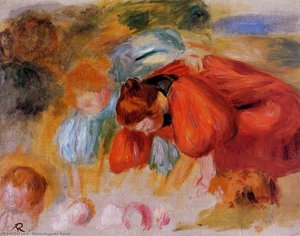
James Ensor's *Les Ballerines*, painted in the late 19th century, isn’t merely a depiction of dancers; it’s an immersion into a fever dream, a carefully constructed tableau of unsettling energy and psychological depth. This work, a cornerstone of Expressionism, pulsates with a raw emotionality rarely found in academic art of its time. Ensor, born in Ostend, Belgium – a city steeped in maritime history and cultural exchange between England and France – was profoundly shaped by his upbringing amidst the vibrant chaos of a seaside resort town. His parents’ souvenir shop, overflowing with exotic masks, shells, and curiosities, provided an unparalleled visual feast, fueling a lifelong fascination with disguise, performance, and the hidden anxieties beneath the surface of everyday life. *Les Ballerines* is a direct manifestation of this preoccupation, a deliberate fracturing of reality to expose the unsettling truths it conceals.
The Dance of Distortion: Style and Technique
Ensor’s approach to composition is deliberately disorienting. The scene unfolds with a frenetic energy, populated by figures caught in various states of movement – dancers frozen mid-step, horses straining at their harnesses, and women observing the spectacle from different vantage points. Bold brushstrokes dominate the canvas, creating a sense of immediacy and urgency. Colors are applied with an almost violent intensity; reds, yellows, and greens clash and vibrate, contributing to the painting’s overall feeling of unease. Notice how Ensor employs a flattened perspective, pushing figures forward and blurring spatial relationships – a technique that further intensifies the sense of claustrophobia and disorientation. The use of impasto, applying paint thickly to the surface, adds texture and physicality, as if the scene itself is struggling to contain its own turbulent energy. It’s a masterful demonstration of how color, brushwork, and composition can be used to evoke powerful emotional responses.
Symbolism Within the Spectacle
*Les Ballerines* is rich in symbolic layers, inviting multiple interpretations. The dancers themselves represent not just performers but also figures trapped within societal expectations – their movements constrained by the demands of the stage and the watchful eyes of the audience. The horses, often associated with power and movement, here seem restless and agitated, mirroring the underlying tension of the scene. The presence of a chair, positioned as a point of relative stability amidst the chaos, suggests a fleeting moment of respite or perhaps an acknowledgement of the fragility of order. Even the setting – a dimly lit interior – contributes to the painting’s atmosphere of mystery and foreboding. The inclusion of masks, so central to Ensor's artistic vocabulary, hints at the idea that appearances are deceptive and that individuals often conceal their true selves behind carefully constructed facades.
A Bridge Between Eras: Expressionism and Beyond
*Les Ballerines* stands as a pivotal work in the development of Expressionism, anticipating the movements of artists like Edvard Munch and Wassily Kandinsky. Ensor’s deliberate distortion of form and his focus on conveying intense emotions – fear, anxiety, and alienation – paved the way for later avant-garde styles. His exploration of psychological themes and his willingness to challenge conventional artistic norms were revolutionary for his time. The painting's influence can be seen in the works of Surrealists like Salvador Dalí and even in the vibrant color palettes of Fauvist painters. Studying *Les Ballerines* offers a valuable window into the origins of these influential movements, demonstrating how Ensor’s unique vision laid the groundwork for future generations of artists to explore the darker corners of the human psyche.
Bringing *Les Ballerines* Home: A Reproduction for Your Space
TopImpressionists.com offers meticulously crafted hand-painted reproductions of James Ensor's *Les Ballerines*, allowing you to experience the power and intensity of this iconic artwork in your own home or office. Our skilled artisans replicate Ensor’s distinctive style with exceptional accuracy, capturing the painting’s dynamic composition, vibrant colors, and unsettling atmosphere. Whether you are an art enthusiast, a collector seeking a unique addition to your collection, or simply someone drawn to the beauty of Expressionist art, our reproductions provide a stunning and authentic representation of this remarkable masterpiece. Explore the full range of sizes and canvas options available on TopImpressionists.com – and bring the captivating world of *Les Ballerines* into your space.
Vprašanja in odgovori
Za kakšno uporabo se priporoča tiskanina dela "Les Ballerines"?
Reprodukcija dela "Les Ballerines" avtorja James Ensor je priporočljiva za Statement. Ta predlog temelji na tematiki, vzdušju in barvni paleti dela.
Priporočena so v katero sobo, glede na barvno paleto dela "Les Ballerines" avtorja James Ensor?
Z raznobojno paleto Dark je delo "Les Ballerines" avtorja James Ensor priporočljivo za Living Room, pri čemer so ključni vlož v ta predlog prav barvne tonine.
Kateri umetniški slog pripada "Les Ballerines"?
"Les Ballerines" avtorja James Ensor pripada gibanju Expressionist Style. To gibanje zagotavlja slogovni kontekst dela.
Hitri podatki in kviz o umetnosti
O James Ensor

James Ensor
1860 - 1949, Belgija
Biografija umetnika
James Ensor: A Pioneer of Expressionism and Surrealism
James Sidney Edouard Ensor (Ostend, 13 April 1860-19 November 1949) was a Belgian painter and printmaker who stands as one of the most influential figures in the development of Expressionism and Surrealism. Born into an English father and Belgian mother—a duality that profoundly shaped his artistic worldview—Ensor defied convention from the outset, rejecting academic formalism and embracing unsettling imagery rooted in psychological exploration.
Early Influences and Artistic Training
His formative years were marked by exposure to Ostend’s vibrant seaside atmosphere and his parents’ souvenir shop, which stocked exotic objects and carnival masks – stimuli that ignited his imagination and instilled a lifelong fascination with disguise. Ensor pursued formal artistic training at the Académie Royale des Beaux-Arts in Brussels, where he encountered fellow artists like Fernand Khnopff and Theo Van Rysselberghe—connections that fostered intellectual debate and propelled him beyond traditional boundaries.
A Shift Towards Grotesque Visionary Art
Around 1886-1889 Ensor embarked on a transformative stylistic journey, abandoning Impressionistic ideals for Expressionist techniques characterized by bold brushwork and vibrant color palettes. Influenced by Rembrandt’s masterful use of chiaroscuro, Francisco Goya’s unflinching depictions of human suffering, and Japanese woodcuts—a fascination with visual symbolism—Ensor developed a distinctive iconography focused on grotesque figures and unsettling narratives.
Key Masterpieces and Recurring Themes
His most celebrated works – including *Christ's Entry into Brussels* (1888-1889), *The Scandalized Masks* (1883) and *Skeletons Fighting over a Hanged Man* (1891) – exemplify Ensor’s commitment to confronting uncomfortable truths about human psychology and societal hypocrisy. Recurring themes throughout his oeuvre include death, decay, social critique, religious satire, and the boundless potential of imagination—elements that continue to resonate with audiences today.
Legacy and Influence
James Ensor's uncompromising artistic vision solidified his position as a pivotal innovator in modern art, paving the way for Expressionist artists like Edvard Munch and Surrealists like René Magritte. His rejection of academic conventions and embrace of psychological depth profoundly impacted subsequent generations of painters—establishing him as an enduring symbol of artistic rebellion and intellectual courage.
Kratek pregled o James Ensor
- Artistic Movement Or Style: Expressionism, Surrealism
- Artists Who Influenced This Artist:
- Pieter Bruegel the Elder
- Francisco Goya
- Whistler
- Date Of Birth: April 13, 1860
- Date Of Death: November 19, 1949
- Full Name: James Sidney Edouard Ensor
- Nationality: Belgian
- Notable Artworks:
- The Scandalized Masks
- Skeletons Fighting...
- Christ's Entry into Brussels
- Place Of Birth: Ostend, Belgium
Sorodna umetniška dela



Raziščite umetniška dela, razvrščena po temah, slogih in značilnostih.


James Ensor
Les Ballerines
() ·
Vključno z okvirjem: · Ročno slikano z oljem na platnu
Skupni znesek