


 Predogled v realnem okolju
 Pošlji
 Deli
Deli
 Podrobnosti o delu
 Priročnik

 Prenesi sliko
 Podobni izdelki
 Rentgenski posnetek
 Predvajaj diaporama
 Q&A
Q&A Statistika
Cat and Lobster
 Indian Modernism
 1900
1900- Modern
 397.0 x 275.0 cm
 National Gallery of Modern Art
A bold and charming white cat holds a lobster in its jaws in this vibrant folk-inspired masterpiece by Jamini Nath Roy from 1900, inviting you to explore the essence of Indian modern art for your collection.
 Preberi več
Odkrijte Jaminiya Roya (1887–1972), ključnega indijskega modernistega slikarja. Raziskujte njegov drzen slog, navdihnjen s folk artom, živahne barve ter teme ruralnega življenja, mitologije in portretov.
Umetniška dela, prikazana na tej strani, so zaščitena z avtorskimi pravicami, kar pomeni, da po zakonu ne moremo ustvarjati ali prodajati identičnih reprodukcij. Ta zaščita se izvaja v skladu z mednarodnimi sporazumi, kot so Bernska konvencija in po nacionalnih zakonih, vključno s tistimi, ki jih določa Zakon o avtorskih pravicah ZDA – naslov 17.
Ta način v celoti upošteva zakonodajo o avtorskih pravicah, saj ne vključuje kopiranja ali podvajanja zaščitenga umetniškega dela. Namesto tega gre za kreativno preinterpretacijo – novo sliko, ki je navdihnjen rezultat originala, vendar ni z njim identična.
Giclée tisk / Umetniški tisk
Giclée ali platnati odtis muzejske kakovosti z hitro proizvodnjo in prilagodljivimi možnostmi končne obdelave. ( Kupite ročno slikano delo Preklop na digitalno sliko)




P118B €10

P118H €10

P118W €10

P438Z €10

P508JH €12

P508YH €12

P805H €10

P805Z €10

P919BZ €10

P919G €10

P919XJ €10

P959ZH €10

P968JZ €12

W106C €8

W218G €10

W218JH €8

W218Y €10

W307PJ €10

W316G €10

W316PJ €8

W316Y €10

W398PJ €8

W4111J €10

W500HY €15

W500JH €15

W692G €12

W849H €8

W940BG €15

W953PJ €8




Standardna velikost
po meri
CM
INCH
Izberite eno od naših vnaprej določenih velikosti, ki ustrezajo prvotnim proporcijam umetničkega dela.
Loading sizes...

širina
višina
Vnesite širino in višino, ki jih potrebujete za svoj okvir ali steno. Tiskanje se lahko le odreže, vendar ga ni mogoče narediti večjega od slike, zato format z drugačno obliko pomeni izgubo dela slike. Pred tiskanjem vam pošljemo digitalni predogled za potrditev. Slika, prikazana na tej strani, ne prikazuje dejanskega izrezka — le predogled to omogoča.
Globalna dostava () v 2 tednih namesto standardnih 4/5 tednov. (29 oktober)

Brezplačna ekspresna dostava po vsem svetu

Visokokakovostno laneno platno

Popolno zavarovanje pošiljke

Garancija povračila carine in uvoznih davkov

Garancija popolnega barvnega ujemanja

100-dnevna politika vračil (le v primeru okvar)

Garancija 100% povračila denarja

Popust pri večjem naročilu
 Možnost stekla je na voljo le za velikosti pod 110 cm

Cat and Lobster
Giclée tisk / Umetniški tisk
Velikost reprodukcije
-


Skupna cena
€ 61
A Vision of Folk Modernism
In the captivating realm of Indian modernism, few works resonate with as much playful charm and cultural defiance as Jamini Nath Roy’s Cat and Lobster. This masterpiece serves as a profound testament to an artist who dared to turn his back on the polished traditions of European Academic Realism to embrace the raw, rhythmic soul of Bengal. The painting presents a striking, stylized feline, rendered with bold, and sweeping lines that eschew naturalistic detail in favor of a universal essence. As the cat holds its prize—a vibrant lobster—within its jaws, the viewer is transported into a world where simplicity is not merely a technique, but a powerful statement of identity. The composition, characterized by its flat planes and energetic contours, captures a moment of pure, unadulterated glee, making it an irresistible centerpiece for any collection that values character and narrative depth.
The stylistic lineage of this work is deeply rooted in the Kalighat patua tradition, a folk art form that inspired Roy to strip away the unnecessary and focus on the fundamental geometry of life. By drawing inspiration from the terracotta reliefs of ancient Bengal temples and the rhythmic patterns of village scrolls, Roy achieved a visual language that feels both ancient and strikingly contemporary. The technique, executed in tempera on canvas, allows for a saturated, matte finish that emphasizes the bold color palette. The stark contrast between the white form of the cat and its deep blue background creates a luminous effect, ensuring that the subject commands attention from across a room. For the discerning interior designer, this piece offers a sophisticated way to introduce a sense of movement and cultural heritage into a modern space.
The Spirit of Rebellion and Identity
Beyond its aesthetic brilliance, Cat and Lobster carries a weight of historical significance that elevates it from a charming animal study to a symbol of decolonization. Created during an era when Indian artists were navigating the complexities of colonial influence, Roy’s evolution represents one of the most profound transformations in twentieth-century art. Initially trained in the sophisticated traditions of the Bengal School under Abanindranath Tagore, Roy eventually underwent a radical aesthetic rebellion. He turned his gaze away from Western conventions, finding a deeper truth in the local craftsmanship of his homeland. This departure was not merely a stylistic choice but a spiritual homecoming, as he sought to reclaim the artistic identity of his nation through the celebration of the common man and the village life that forms the heartbeat of Indian culture.
To gaze upon this masterpiece is to witness a masterful command over simplicity and rhythm. The cat is devoid of all traces of naturalism; instead, it is painted in a bold, charming way, portraying an energetic creature that holds its lobster with great glee. This deliberate rejection of three-dimensional shading in favor of flat, impactful shapes allows the emotional resonance of the piece to shine through. For collectors and enthusiasts, owning a reproduction of such a work means bringing into one's home a fragment of a larger movement—a movement that sought to find beauty in the essential and strength in the ancestral.
Vprašanja in odgovori
Kje lahko prenesem "Cat and Lobster" avtorja Jamini Nath Roy?
Digitalno sliko za "Cat and Lobster" lahko prenesete na strani Prenos digitalne slike, kjer je na voljo možnost prenos digitalne slike visoke ločljivosti.
V kateri letnici in v katerem umetnostnem slogu je nastalo "Cat and Lobster"?
"Cat and Lobster" avtorja Jamini Nath Roy datira v 1900 in pripada obdobju Indian Modernism.
V katero obdobje umetnostnega razvoja Jamini Nath Roy pripada delo "Cat and Lobster"?
V okviru kariere umetnika Jamini Nath Roy delo "Cat and Lobster" pripada obdobju Mature Period, kar omogoča primerjavo z ostalimi umetnikovimi deli.
Biografija umetnika
Jamini Roy je bil znamenit indijski slikar, rojen 11. aprila 1887 v Beliatoreju v Zgodni Bengalski. Velja za eno najpomembnejših osebnosti v indijski moderni umetnosti, saj je njegov slog zaznamovala preprostost, eleganca in globoka povezanost z indijsko narodno umetnostjo.
Zgodnje življenje in izobraževanje
Roy je bil rojen v zmerno prosperousni družini lastnikov zemlje. Odrasli je v srednjoobrazovanem gospodinjstvu, ki je bilo navadjeno na uživanje v umetnosti, kar je močno vplivalo na njegove prihodnje odločitve. Ob age 16 se je preselil v Kolkato, da bi študiral na Državnem kolodiju za umetnost, kjer ga je poučeval Abanindranath Tagore, izstopajoč indijski umetnik in pedagog.Umetnični slog in vplivi
Royev umetniški slog je bil močno oblikovan pod vplivom slik Kalighat, posebne vrste indijske narodne umetnosti. Čeprav je bil navdušen nad evropsko moderno umetnostjo, je sčasoma zavrnil zahodne tradicije, da bi se posvetil svoji lastni kulturni dediščini. Njegove slike odlikuje preprostost, plošnost in uporaba drznih barv. Nekrat bolj izstopajoča njegova dela vključujejo:- Portret mladega dekleta, ki prikazuje njegovo sposobnost zajema bistva indijske narodne umetnosti.
- Bust Françoise, slika, ki dokazuje njegovo vrhunsko znanje v portretiranju.
- Slikar in njegova model, del, ki izpostavlja njegovo zanimanje za raziskovanje odnosa med umetnikom in motivom.
Nagrade in priznanja
Leta 1954 je Roy prejel Padma Bhushan, eno najvišjih civilnih priznanj v Indiji. Bil je tudi član prestižne umetniške institucije v Indiji, Lalit Kala Akademi.Dediščina in vpliv
Royev prispevek k indijski moderni umetnosti je neizmeren. Njegova predanost ohranjanju tradicij indijske narodne umetnosti je navdihnila generacije umetnikov. Danes se njegove slike nahajajo v muzejih in zasebnih zbirkah po vsem svetu, vključno z Narodnim museumom v Koreji in Državnim kolodijem za umetnost. Za več informacij o življenju in delu Jaminija Roya obiščite TopImpressionists.com ali Wikipedia. Njegova dela še vedno navdihujejo ljubitelje umetnosti in strokovnjake, saj ponujajo edinstven vpogled v svet indijske moderne umetnosti.
Jamini Nath Roy
1887 - 1972 , Indija
Hitri podatki
- Artistic Movement Or Style: Bengalska ljudska umetnost
- Artists Or Movements Influenced By This Artist: ['Kalighat slikarstvo']
- Artists Who Influenced This Artist: ['Abanindranath Tagore']
- Date Of Birth: 11. april 1887
- Date Of Death: 1972
- Full Name: Jamini Roy
- Nationality: Indijski
- Notable Artworks:
- Portret mladega dekleta
- Buste de Françoise
- Slikar in njegov model
- Place Of Birth: Belaitore, Indija
Sorodni članki

White on Canvas: 10 Masterpieces & Timeless Elegance for Your Home Decor
Explore 10 iconic white paintings by Monet, Whistler & Rothko! Discover the stories behind these serene masterpieces and their impact on art history. Find museum-quality reproductions for your home decor at .

Roy Lichtenstein: 25 ikoničnih del pop arta za vaš dom | TopImpressionists
Odkrijte 25 najbolj znanih del Roya Lichtensteina! Pop art ikone, barvite slike & stripovska umetnost. Kupite reprodukcije slik visoke kakovosti za vaš dom na TopImpressionists.com. Navdihnite se in preoblikujte svoj prostor z edinstvenimi deli tega ameriškega likovnika.

Slate Blue Masterpieces: 10 Iconic Paintings & Timeless Home Decor Ideas
Immerse yourself in the captivating world of slate blue! Explore 10 iconic paintings by Monet, Van Gogh & Renoir. Discover their stories, techniques & find museum-quality art reproductions for your home at .
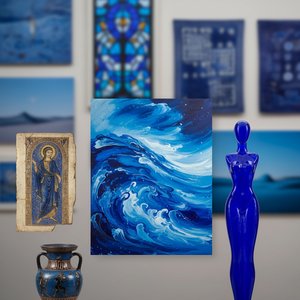
The Allure of Azure: Exploring the Symbolic & Aesthetic Depths of Blue in Art History
Explore the rich history of blue in art! Discover its symbolism, from ancient pigments to modern masterpieces by Kandinsky & Seurat. Uncover the psychological impact and cultural meanings behind this captivating hue.

Bold Strokes & Powerful Visions: 10 Artworks That Command Attention | TopImpressionists
Experience art's raw power! Explore 10 iconic paintings – Van Gogh, Kahlo & more – that define 'bold'. Discover the stories behind these expressive masterpieces and find museum-quality reproductions for your home at TopImpressionists.com.