

Shown: · With its frame:
 Predogled v realnem okolju
 Pošlji
 Deli
Deli
 Podrobnosti o delu
 Priročnik

 Prenesi sliko
 Podobni izdelki
 Rentgenski posnetek
 Predvajaj diaporama
 Q&A
Q&A Statistika
 Oil On Canvas
- WallArt
- Les Nabis
 1894
1894- 19th Century
 26.0 x 22.0 cm
€ 239
Ročno izdelana oljna reprodukcija
Ročno slikano olje na platnu v vaši izbiri velikosti in okvirja, izdelano po naročilu naših umetnikov. ( Preklop na tiskanine Preklop na digitalno sliko)
Size
·Standardna velikost
po meri
CM
INCH
Izberite eno od naših vnaprej določenih velikosti, ki ustrezajo prvotnim proporcijam umetničkega dela.
Loading sizes...

širina
višina
Vnesite širino in višino, ki jih potrebujete, da se slika prilega vašemu okviru ali steni. Ker je delo ročno slikano, lahko umetnik pri različnih oblikih slik pri robovih doda malo več barve ali pa jih malo odreže — izberite sami. Pred začetkom slikanja vam pošljemo digitalni predogled za potrditev. Slika, prikazana na tej strani, ni končni rezultat — le predogled prikazuje dejansko podobo.
 Preberi več
Finish
·
White €1

Blurside €1

Extended €1

P118B €10

P118H €10

P118W €10

P438Z €10

P508JH €12

P508YH €12

P805H €10

P805Z €10

P919BZ €10

P919G €10

P919XJ €10

P959ZH €10

P968JZ €12

W106C €8

W218G €10

W218JH €8

W218Y €10

W307PJ €10

W316G €10

W316PJ €8

W316Y €10

W398PJ €8

W4111J €10

W500HY €15

W500JH €15

W692G €12

W849H €8

W940BG €15

W953PJ €8

H24-GOLD €30

H24-SILVER €30

H36-GOLD €45

H36-SILVER €45
Shipped in a protective tube, ready for your own framer.
Above 105 cm the frame is shipped as a kit for a professional framer — read the details.
Extras
optionalWhat do the extras include?
Examples of what can be changed: Replace face with customer photo; Add pet (e.g., replace cat with dog); Include hidden message in background; Change background landscape or elements.
After order, TopImpressionists.com team will email client for instructions and provide a mockup preview
After order, TopImpressionists.com team will email client for instructions and provide a mockup preview
Mednarodna dostava () v 3/4 tednih namesto običajnih 5 tednov. (30 oktober). Brez kompromisov pri kakovosti.
Zaščitni lak
Značka z imenom
Podrobnosti o gravirani bronasti plošči
This elegant plaque features the artist's name and the title of the artwork, finely engraved for a timeless presentation.
It is made from bronze with a refined, elegant finish. The text is precisely laser-engraved for a sharp and permanent result. Measuring 9x2 cm, the plaque is compact yet easy to read. It's built to be durable and scratch-resistant, offering a professional, museum-quality look. Mounting is simple thanks to the included adhesive backing.
Podrobnosti o transparentni akrilni plošči
The plaque includes essential engraved details such as the artist's name, the title of the artwork, the date it was created, the type of media used-like oil on canvas or watercolor-a brief description of the piece, and a QR code that links to the complete artwork information.
It is crafted from clear acrylic, offering a sleek, modern appearance. The text is UV-engraved in black to ensure strong visual contrast. With a size of 10x15 cm, it ensures optimal readability. It comes equipped with two metal hooks for secure wall mounting. The plaque is designed to be weather-resistant, making it suitable for various environments, and it includes interactive features that work seamlessly with smartphone scanning.
Podrobnosti o črni akrilni plošči
This elegant plaque includes engraved information such as the artist's name, the title of the artwork, the date it was created, the type of media used (like oil on canvas or watercolor), a short description of the artwork, and a QR code for quick access to more information.
The plaque itself is made from refined black acrylic with a premium finish. The text is laser-engraved in white for high contrast and readability. Its size is 10x15 cm, designed to be easy to read. It comes with two metal hooks for professional mounting. The design is sleek and fits any interior style. It is also weather-resistant and durable, with built-in digital integration for mobile compatibility.
Možnost stekla je na voljo le za velikosti pod 110 cm
 Možnost stekla je na voljo le za velikosti pod 110 cm
- Brezplačna ekspresna dostava po vsem svetu
- Visokokakovostno laneno platno
- Popolno zavarovanje pošiljke
- Garancija povračila carine in uvoznih davkov
- Garancija popolnega barvnega ujemanja
- 100-dnevna politika vračil (le v primeru okvar)
- Garancija 100% povračila denarja
- Popust pri večjem naročilu


Opis zbirateljskega predmeta
Vibrant early 20th-century scene of a social meal by Jean-Édouard Vuillard; explore the rich color and intimate atmosphere of this masterpiece today.
Biografija umetnika
Jean-Édouard Vuillard (1868–1940) je bil francoski slikar, član skupine Nabis, znan po intimnih prizorih notranjosti, dekorativnem stilu in vplivu na zgodnji modernizem, kot je kubizem. Raziščite njegovo umetnost!
About the painting
A Moment Captured at the Table
Jean-Édouard Vuillard’s Breakfast, dating from 1894, invites us into an intimate tableau of domestic life. It is more than just a depiction of a meal; it is a carefully composed study in human connection and quiet afternoon ritual. The scene unfolds around a richly appointed dining table, laden with the artifacts of conviviality—cups, bowls, and two inviting cakes rest upon its surface. At the heart of this gathering sits the central female figure, her presence anchoring the composition while surrounding figures complete the sense of shared experience. The arrangement suggests a pause in time, a moment suspended between conversation and consumption.
The Influence of Les Nabis
To understand Breakfast, one must appreciate its context within the vibrant artistic ferment of late 19th-century Paris. Vuillard was a key member of Les Nabis, a group whose vision sought to infuse everyday subjects with spiritual resonance and decorative pattern. This movement steered art away from grand historical narratives toward the intimate, the domestic, and the subjective experience. In this painting, we see the Nabis influence manifest not through overt symbolism alone, but through the very structure of the space. Vuillard masterfully flattens planes of color and form, giving the interior a decorative rhythm that is both modern and deeply personal.
Technique and Atmosphere
Vuillard’s technique here is characterized by an almost tapestry-like richness. His application of paint emphasizes pattern—the patterns on the chairs, the textiles, and even the interplay of light across the table suggest a meticulous attention to surface detail. While the subject matter appears straightforward—a family or group enjoying breakfast—the emotional resonance comes from the way he handles shadow and light. The atmosphere is one of warm enclosure; the viewer feels as if they have slipped through an unseen doorway into this private gathering. It speaks to the quiet luxury of shared time, a feeling that transcends mere depiction.
A Touch for the Modern Collector
For those who appreciate art that whispers rather than shouts, Breakfast offers profound depth. Whether adorning a formal drawing-room or lending an intellectual patina to a contemporary space, this piece brings with it the sophisticated elegance of early modernism. It appeals equally to the collector seeking a tangible link to the avant-garde spirit and the designer who values art that enhances lived experience. Reproducing this work allows one to bring home not just paint on canvas, but a carefully curated echo of Parisian intellectual life at the turn of the century.
Vprašanja in odgovori
Katera paleta in katera prevladujoča barva definirata "Breakfast"?
"Breakfast" avtorja Jean-Édouard Vuillard uporablja paleto Dark, kjer prevladuje barva Rosy Brown (#d2a26f).
Ali so barve v delu "Breakfast" avtorja Jean-Édouard Vuillard nasičene ali utemeljene?
Zasičenost barvne palete dela "Breakfast" je Clear Color Presence.
Kje lahko najdem umetniška dela, podobna delu "Breakfast" avtorja Jean-Édouard Vuillard?
Stran Podobna dela za delo "Breakfast" avtorja Jean-Édouard Vuillard prikazuje sorodna umetniška dela.
Quick facts and art quiz
About Jean-Édouard Vuillard
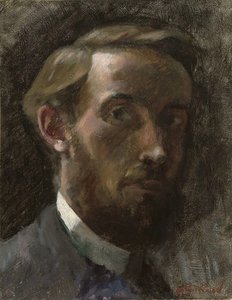
Jean-Édouard Vuillard
1868 - 1940, Francija
Biografija umetnika
Zgodnje življenje in umetniški začetki
Jean-Édouard Vuillard, francoski slikar, dekorater in grafik, se je rodil 11. novembra 1868 v Cuiseuxu, Francija. Njegovo življenje in delo sta postala temeljni kamen avantgardne umetniške skupine Les Nabis, skupaj s kolegi vizionarji kot Maurice Denis in Édouard Vuillard. Ta skupnost je revolucionirala svet umetnosti s svojim inovativnim pristopom k barvi in obliki. Že v zgodnji mladosti se je Vuillard izkazal za talentiranega risarja, ki ga je privlačila subtilna lepota vsakdanjih prizorov. Njegova družina ga je podprla pri umetniških prizadevanjih in mu omogočila študij na École des Beaux-Arts v Parizu.
Les Nabis in njihov vpliv
Kot vodilna osebnost Les Nabis je Vuillardove slike sestavljal prostore čistih barv, ki so jih navdihnili japonski tiskarski odtisi. Njegovi notranji prizori so raziskovali prostorske učinke sploščenih ravnin barve, vzorca in oblike. Ta pristop je kasneje vplival na razvoj kubizma, fauvizma in abstraktne umetnosti. Les Nabis, skupina mladih francoskih umetnikov, aktivnih v Parizu med letoma 1888 in 1900, je imela pomembno vlogo pri prehodu iz impresionizma in akademske umetnosti k abstraktni umetnosti, simbolizmu in drugim zgodnjim gibanjem modernizma. Njihova filozofija je temeljila na pozitivizmu in spisih Augusta Comta in Hippolyta Taina.
Razvoj sloga in intimistična estetika
Vuillardov slog se je v začetku osredotočal na notranje prizore, ki so odražali intimen pogled na družbeno življenje. Njegova dela so bila prežeta s subtilno atmosfero in poudarkom na dekorativnih elementih. Sčasoma je razvil edinstven pristop k barvi, kjer je uporabljal harmonične kombinacije in nežne odtenke za ustvarjanje občutka miru in sprostitve. Njegova tehnika je bila značilna po uporabi tempera barv na kartonu, kar mu je omogočilo doseči bogate teksture in subtilen sijaj. Ta pristop se je imenoval intimizem, ki je poudarjal osebne trenutke in vsakodnevno življenje.
Kasnejše delo in zapuščina
Po letu 1900, ko so se Les Nabis razšli, je Vuillard sprejel bolj realističen slog, pri čemer se je pokrajinam in notranjim prostorom približal z večjo podrobnostjo in živimi barvami. V dvajsetih in tridesetih letih 20. stoletja je portretiral pomembne osebnosti francoske industrije in umetnosti v njihovih običajnih okoljih. Njegova dela so odražala spoštovanje do tradicije, hkrati pa so bila prežeta z modernim občutkom za barvo in obliko. Vuillard je umrl leta 1940, zapustil pa je bogato umetniško dediščino, ki še danes navdihuje umetnike po vsem svetu.
Ključna dela in razstave
Slikovine Jean-Édouarda Vuillarda so razstavljene v različnih muzejih, med drugim v Musée de la Révolution Française (Francija), ki se ponaša z bogato zbirko umetnin, dokumentov in predmetov, povezanih s revolucionarnim obdobjem. Med njegova pomembnejša dela spadajo "La Patrie en Danger" Guillaume Lethièreja in "Jean de la Barre" Jean Cloueta, ki prikazujeta mladega moškega obsojenega na smrt zaradi bogokletstva v obdobju starega režima. Njegova kasnejša dela, kot so portreti francoskih industrijskih in umetniških osebnosti, si lahko ogledate v različnih galerijah, vključno s tistimi na TopImpressionists.
- Intimizem: Vuillardov prispevek k intimističnemu gibanju je pomembno oblikoval razvoj moderne umetnosti.
- Vpliv japonske estetike: Njegova fascinacija z japonskim tiskom se je odražala v uporabi barve, vzorcev in kompozicije.
- Barvna paleta: Vuillardove harmonične kombinacije barv so ustvarjale občutek miru in sprostitve.
Quick facts about Jean-Édouard Vuillard
- Datum Rojstva: 11. november 1868
- Datum Smrti: 21. junij 1940
- Državljanstvo: Francoz
- Kraj Rojstva: Cuiseaux, Francija
- Polno Ime: Jean-Édouard Vuillard
- Pomembna Dela:
- Ženska pomete
- Sončna notranjost
- Umetniki/Smeri Vplivani:
- Kubizem
- Fovizem
- Umetniški Smer: Nabis
- Vplivi Umetnikov: ['Paul Gauguin']
Sorodna umetniška dela



Raziščite umetniška dela, razvrščena po temah, slogih in značilnostih.


Jean-Édouard Vuillard
Breakfast
() ·
With its frame: · Hand-painted in oil on linen
Total