


 Preverite v realnem okolju
 Pošlji kot čestitko
 Deli
Deli
 Podrobnosti
 Priročnik

 Prenesi
 Podobni artefakti
 Rentgenski posnetek
 Predvajaj diaporama
 Statistika
Small head
 Painting
- Tachisme
 1956
1956- Modern
 22.0 x 27.0 cm
 Museu do Caramulo
A textured pink clay-like head emerges against a striking red background in this 1956 masterpiece by Jean Fautrier, offering a profound tactile experience for collectors seeking unique mid-century modern art.
 Preberi več
A pioneer of Tachisme and Art Informel, Jean Fautrier used thick impasto to create visceral works like Les Otages and Small head, inviting you to experience the profound emotional depth of his textured abstractions.
Umetniška dela, prikazana na tej strani, so zaščitena z avtorskimi pravicami, kar pomeni, da po zakonu ne moremo ustvarjati ali prodajati identičnih reprodukcij. Ta zaščita se izvaja v skladu z mednarodnimi sporazumi, kot so Bernska konvencija in po nacionalnih zakonih, vključno s tistimi, ki jih določa Zakon o avtorskih pravicah ZDA – naslov 17.
Kot spoštljiva in zakonita alternativa ponujamo prilagojena, ročno slikana umetniška dela, navzornena na original. Naši sposobni in profesionalni umetniki skrbno preučijo stil, vzdušje in umetniško bistvo originala, da ustvarijo novo, edinstveno delo, ki vzbudi enak občutek – pri čemer ostaja popolnoma nova, samostojna izvirna stvar.
Ta način v celoti upošteva zakonodajo o avtorskih pravicah, saj ne vključuje kopiranja ali podvajanja zaščitena umetniškega dela. Namesto tega gre za kreativno preinterpretacijo – novo sliko, ki je navdihnjen rezultat originala, vendar ni z njim identična.
Ročno izdelana oljna reprodukcija
Ročno slikano olje na platnu v vaši izbiri velikosti in okvirja, izdelano po naročilu naših umetnikov. ( Preklop na tiskanine Preklop na digitalno sliko)




































Standardna velikost
po meri
CM
INCH
Izberite eno od naših vnaprej določenih velikosti, ki ustrezajo prvotnim proporcijam umetničkega dela.
Loading sizes...

širina
višina
Vnesite širino in višino, ki jih potrebujete, da se slika prilega vašemu okviru ali steni. Ker je delo ročno slikano, lahko umetnik pri različnih oblikih slik pri robovih doda malo več barve ali pa jih malo odreže — izberite sami. Pred začetkom slikanja vam pošljemo digitalni predogled za potrditev. Slika, prikazana na tej strani, ni končni rezultat — le predogled prikazuje dejansko podobo.
Primeri možnih sprememb: Zamenjava obraza s fotografijo stranke; Dodajanje hišnega ljubljenčka (npr. zamenjava mačke s psom); Vključitev skritega sporočila v ozadje; Sprememba pokrajine ali elementov v ozadju.
Po oddaji naročila bo ekipa TopImpressionists.com stranki po e-pošti poslala navodila in predogled digitalnega predogleda.
Po oddaji naročila bo ekipa TopImpressionists.com stranki po e-pošti poslala navodila in predogled digitalnega predogleda.
Mednarodna dostava () v 3/4 tednih namesto običajnih 5 tednov. (21 oktober). Brez kompromisov pri kakovosti.

Brezplačna ekspresna dostava po vsem svetu

Visokokakovostno laneno platno

Popolno zavarovanje pošiljke

Garancija povračila carine in uvoznih davkov

Garancija popolnega barvnega ujemanja

Politika vračila v 100 dneh (le v primeru okvar)

Garancija 100% povračila denarja

Popust pri večjem naročilu
 Možnost stekla je na voljo le za velikosti pod 110 cm

Small head
Tehnika reprodukcije
Velikost reprodukcije
-


Skupna cena
€ 235
A Tactile Encounter with Form and Color
In the evocative realm of mid-century abstraction, Jean Fautrier’s Small head stands as a profound testament to the power of texture and the visceral nature of paint. Created in 1956, this intimate work invites the viewer into a sensory dialogue where the boundaries between subject and medium begin to dissolve. At first glance, the eye is drawn to the central figure—a singular, small head that emerges from the canvas with an almost sculptural presence. The piece is characterized by its remarkable impasto technique, where the paint is applied with such density that it mimics the qualities of clay or earth. This tactile approach transforms the two-dimensional surface into a three-dimensional landscape, making the artwork not just something to be seen, but something to be felt through the eyes.
The color palette of this masterpiece is a study in striking contrasts and emotional depth. The head itself is rendered in soft, fleshy pink tones, suggesting a vulnerability and organic life. This delicate hue is set against a backdrop of deep, pulsating reds that envelop the central form. This juxtaposition creates a rhythmic tension; the warmth of the red background pushes the pink subject forward, creating a sense of emergence or perhaps even an emergence from a primal, elemental state. The interplay between these warm tones evokes a feeling of heat and vitality, yet there is an underlying stillness to the composition that commands a quiet, contemplative respect.
The Mastery of Materiality and Emotion
To understand Small head, one must delve into Fautrier’s unique approach to the materiality of art. As a key figure in the post-war European art scene, Fautrier moved away from traditional representation toward a more "informel" style, where the physical substance of the paint carries as much meaning as the image itself. In this work, the texture is not merely a decorative element; it is the very soul of the piece. The rugged, uneven surface captures light and shadow in a way that changes depending on the viewer's perspective, lending the artwork a living, breathing quality. For the collector or interior designer, this provides an unparalleled level of visual interest, as the painting offers new discoveries with every glance.
Beyond its technical brilliance, the piece carries a profound emotional weight. The isolation of the small head within the vast, crimson expanse can be interpreted as a symbol of the individual's existence within the broader, often overwhelming, universe. It speaks to themes of solitude, resilience, and the fundamental essence of being. This duality—the fragility of the pink form against the intensity of the red void—makes it an incredibly evocative piece for any curated space. Whether placed in a minimalist modern gallery or as a bold focal point in a sophisticated residential interior, Small head serves as a conversation starter, bridging the gap between historical abstraction and contemporary emotional resonance.
Vprašanja in odgovori
Kako se srečata umetniška smer in dobo v delu "Small head" avtorja Jean Fautrier?
"Small head" pripada slogu Tachisme, njegov ustvarjalec pa je deloval v obdobju Modern."
Katera paleta in katera prevladujoča barva definirata "Small head"?
"Small head" zaznamja barvna paleta Neutrals, ki ji prevladuje Rosy Brown (#d3b992)."
Ali lahko "Small head" ogledam kot diaporama v celotnem zaslonu?
Diaporama dela "Small head" si lahko ogledate na strani Diaporama za to umetniško delo.
Biografija umetnika
The Tactile Soul of Abstraction
Jean Fautrier stands as a monumental figure in the landscape of mid-century abstraction, a painter whose work transcends mere visual representation to become a visceral, sensory experience. Born in Paris, France, his early life was marked by profound personal loss, having lost both his father and grandmother in 1908. This early encounter with fragility perhaps foreshadowed the emotional depth found in his later masterpieces. Seeking new horizons, he moved to London, where he began his formal artistic journey at the Royal Academy of Arts. However, finding the traditional instruction too rigid for his burgeoning spirit, he briefly turned to the Slade School before deciding to embark on the path of a self-taught master, finding far greater inspiration in the evocative works housed within the Tate Gallery.
His artistic evolution is a journey from the structured world of classical training toward the raw, unbridled energy of Tachisme and Art Informel. Fautrier’s work is famously characterized by his invention of haute pâte, or high paste, a technique that replaced traditional oil methods with thick, sculptural constructions. In this approach, the paint is not merely a medium for color but a physical substance—a dense, impasto layer that mimics the qualities of clay or earth. This tactile mastery transforms the canvas into a three-dimensional landscape where the boundaries between subject and material dissolve, inviting the viewer to feel the artwork through their eyes.
Shadows of History and the Human Condition
The historical weight of the twentieth century is deeply embedded in Fautrier’s oeuvre. During the tumultuous years of World War II, Fautrier participated in the French Resistance alongside figures like André Malraux, an experience that profoundly shaped his creative output. His celebrated Otages series serves as a haunting response to the atrocities of the era, utilizing dark, evocative tones to process themes of violence and suffering. In these works, he moved away from traditional representation toward a style where the physical substance of the paint carries the weight of human tragedy.
Beyond the darkness of war, Fautrier’s later works explored a different kind of intensity through light, form, and color. His ability to balance the macabre with the beautiful is evident in his diverse range of subjects:
- The Otages Series: A powerful exploration of duality and emotion, often utilizing black and white palettes to evoke the gravity of wartime experience.
- Nature and Form: Landscapes, nudes, and even animal carcasses were rendered with a focus on organic life and vulnerability.
- Late Abstractions: Works such as Small head demonstrate his mastery of color, using fleshy pinks and pulsating reds to create a sense of emergence from a primal state.
Fautrier’s legacy remains that of a pioneer who challenged the very concept of the unique art object through his Originaux multiples—hand-painted lithographs that blurred the lines between original and reproduction. Through his dedication to the materiality of paint, he ensured that his place in the history of modernism would be defined by an enduring, tactile connection to the human experience.

Jean Fautrier
1898 - 1964 , France
Ključne informacije
- Artistic Movement Or Style: Tachisme, Art Informel
- Artists Who Influenced This Artist: ['J. M. W. Turner']
- Full Name: Jean Fautrier
- Nationality: French
- Notable Artworks:
- Small head
- Otages fond noir
- Dépouille
- Place Of Birth: Paris, France
- Date Of Birth: 1898
- Date Of Death: 1964
Sorodni članki
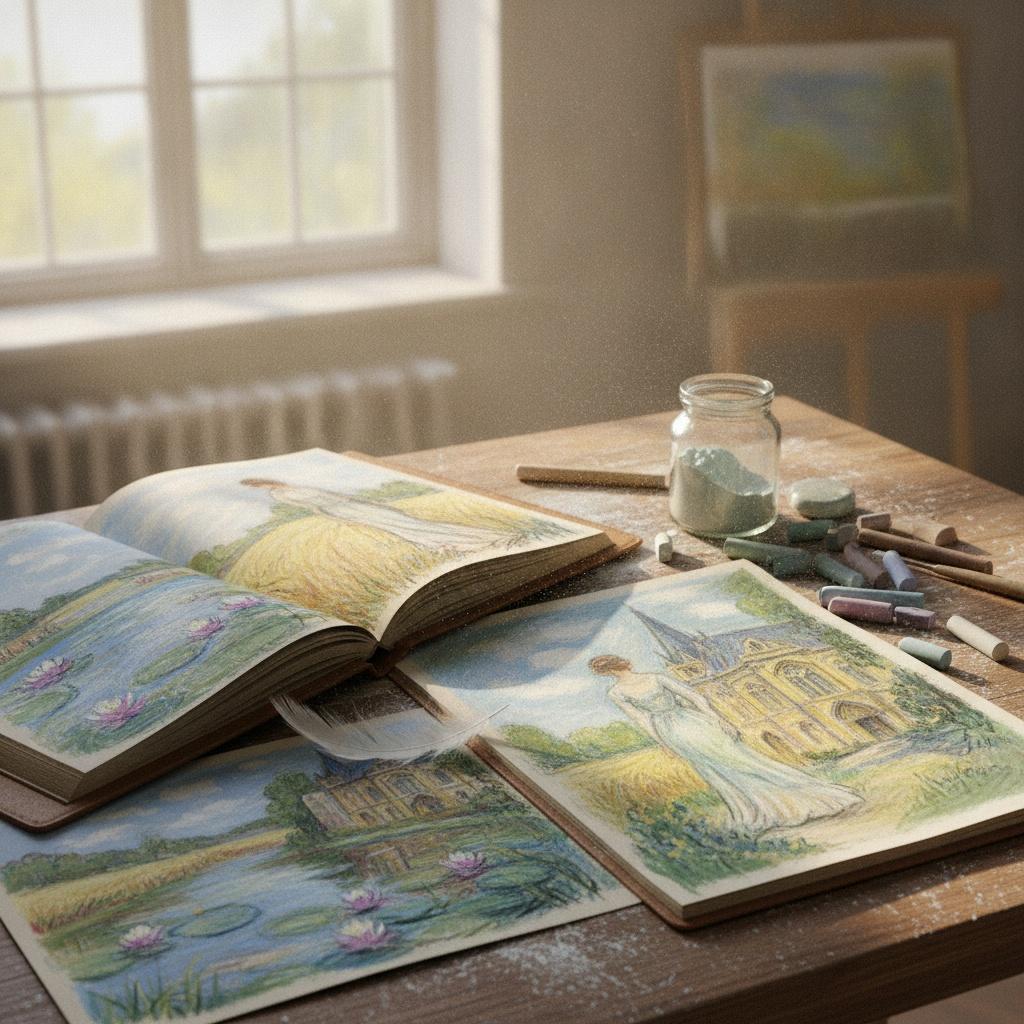
The Soft Magic of Chalk: Capturing Light, Texture, and the Ethereal Soul of Impressionist Masterpieces
Discover the ethereal beauty of pastel and chalk art. Explore how Impressionist masters like Van Gogh and Degas captured light and texture to create timeless, soulful masterpieces for the discerning collector.