

 Predogled v realnem okolju
 Pošlji
 Deli
Deli
 Podrobnosti o delu
 Priročnik

 Prenesi sliko
 Podobni izdelki
 Rentgenski posnetek
 Predvajaj diaporama
 Vprašanja in odgovori
 Statistika
Smrt Kleopatře

- 97.0 x 85.0 cm


Smrt Kleopatře od Johanna Lissa je izjemno lep obrazek, ki prikazuje smrt egipetskega vladarja Kleopatre v zadnjih trenutkih življenja. Maestorna svetlobna igra in subtilni detalji pričujo umetnost štipanja.
 Preberi več
A leading German Baroque painter known for his vibrant Venetian style, Johann Liss captured dramatic scenes like The Sacrifice of Isaac and Venus and Adonis with a mastery of light that invites you to discover his legacy.
Giclée tisk / Umetniški tisk
Giclée ali platnati odtis muzejske kakovosti z hitro proizvodnjo in prilagodljivimi možnostmi končne obdelave. ( Kupite ročno slikano delo Preklop na digitalno sliko)




P118B €10

P118H €10

P118W €10

P438Z €10

P508JH €12

P508YH €12

P805H €10

P805Z €10

P919BZ €10

P919G €10

P919XJ €10

P959ZH €10

P968JZ €12

W106C €8

W218G €10

W218JH €8

W218Y €10

W307PJ €10

W316G €10

W316PJ €8

W316Y €10

W398PJ €8

W4111J €10

W500HY €15

W500JH €15

W692G €12

W849H €8

W940BG €15

W953PJ €8




Standardna velikost
po meri
CM
INCH
Izberite eno od naših vnaprej določenih velikosti, ki ustrezajo prvotnim proporcijam umetničkega dela.
Loading sizes...

širina
višina
Vnesite širino in višino, ki jih potrebujete za svoj okvir ali steno. Tiskanje se lahko le odreže, vendar ga ni mogoče narediti večjega od slike, zato format z drugačno obliko pomeni izgubo dela slike. Pred tiskanjem vam pošljemo digitalni predogled za potrditev. Slika, prikazana na tej strani, ne prikazuje dejanskega izrezka — le predogled to omogoča.
Globalna dostava () v 2 tednih namesto standardnih 4/5 tednov. (6 november)

Brezplačna ekspresna dostava po vsem svetu

Visokokakovostno laneno platno

Popolno zavarovanje pošiljke

Garancija povračila carine in uvoznih davkov

Garancija popolnega barvnega ujemanja

100-dnevna politika vračil (le v primeru okvar)

Garancija 100% povračila denarja

Popust pri večjem naročilu
 Možnost stekla je na voljo le za velikosti pod 110 cm

Smrt Kleopatře
Giclée tisk / Umetniški tisk
Velikost reprodukcije
-


Skupna cena
€ 63
The Death of Cleopatra – A Silent Drama in Light
Johann Liss’s “The Death of Cleopatra,” painted in 1624–1625, isn't a grand spectacle of tragedy; rather, it’s a masterful distillation of sorrow into a deceptively tranquil tableau. This artwork resides within the Alte Pinakothek museum in Munich, Germany, and exemplifies Liss’s signature approach – quiet observation coupled with an unparalleled sensitivity to light and texture—a style that distinguishes him from his contemporaries like Rembrandt and Vermeer. The painting captures the poignant moment following Cleopatra's suicide, focusing not on the dramatic act itself but on its aftermath: the lingering stillness of grief and the subtle interplay of emotions within a confined space.A Study in Light and Shadow – Liss’s Technique
Liss’s technique is remarkable for its restraint. Executed in oil on canvas, he employs a chiaroscuro style—a dramatic contrast between light and dark—to sculpt the figures and create an atmosphere of profound melancholy. The dominant illumination emanates from above, bathing Cleopatra's body in warm hues, suggesting not merely physical warmth but also the ethereal glow of immortality – a concept central to Egyptian beliefs about death. Liss meticulously renders every detail with painstaking precision, capturing the delicate folds of fabric and the subtle sheen of skin, demonstrating an unwavering commitment to realism tempered by artistic vision. The artist skillfully uses tonal gradations to convey depth and emotion, guiding the viewer’s eye towards the focal point: Cleopatra herself.Symbolism Within Stillness – Interpreting the Scene
The composition is deceptively simple yet laden with symbolic significance. Liss deliberately avoids depicting the suicide itself or even the serpent bite—the method of Cleopatra's demise—instead opting for a moment of quiet contemplation. The young black servant boy, clutching a basket overflowing with flowers—a traditional symbol of mourning and remembrance—gazes upwards with terror-struck eyes at the snake coiled around its base. This gesture powerfully communicates fear and vulnerability, mirroring Cleopatra’s final moments. Simultaneously, the woman supporting Cleopatra embodies compassion and sorrow, her hand outstretched in an expression of profound empathy. Liss's careful positioning of these figures underscores the universality of grief and highlights the transformative power of stillness.Historical Context – The Legacy of Antony and Cleopatra
“The Death of Cleopatra” reflects the turbulent political landscape of its time—the aftermath of the Roman conquest of Egypt following the defeat of Mark Anthony and Cleopatra’s alliance with Julius Caesar. Plutarch recounts that Cleopatra wished to die by a serpent's bite, believing it ensured eternal life – a belief deeply rooted in Egyptian mythology. Liss’s depiction captures not just the factual event but also its psychological impact on those involved. The painting speaks to broader themes of mortality and remembrance, inviting viewers to contemplate the fragility of human existence against the backdrop of historical grandeur.Emotional Resonance – A Portrait of Quiet Desolation
Ultimately, Liss achieves an extraordinary feat: he conveys immense emotion through understated visual elements. The painting’s beauty lies in its ability to evoke a feeling of profound sadness without resorting to melodrama. It's a testament to Liss’s artistic genius that he manages to capture the essence of grief—the quiet despair and lingering sorrow—within a single frame. “The Death of Cleopatra” remains an enduring masterpiece, demonstrating Liss’s mastery of light, texture, and composition, cementing his place as one of the most poignant voices in Baroque art.Vprašanja in odgovori
Kako lahko kupim tiskano kopijo dela "Smrt Kleopatře" avtorja Johann Liss?
"Smrt Kleopatře" je na voljo kot umetniška grafika na bombažnem platnu ali arhivskem papirju za platno. Naročila lahko oddate na strani Kakovostna umetniška tiskanina v izbrani velikosti.
Pri katerih letih je Johann Liss ustvaril/a "Smrt Kleopatře"?
Ko je bilo delo "Smrt Kleopatře" ustvarjeno leta 1622, je bil Johann Liss – rojen leta 1597 – star 25 let.
Za katero so "Smrt Kleopatře" avtorja Johann Liss priporočena?
Za Dnevna soba priporočamo "Smrt Kleopatře" avtorja Johann Liss. Ta predlog temelji na tematiki, barvah in vzdušju dela.
Sorodni članki

Silent Narratives: Exploring the Enduring Appeal of Still Life Painting Across Centuries
Explore the rich history of still life painting with TopImpressionists. Discover Dutch Masters, decode vanitas symbolism & learn about collecting timeless art. Expert insights and museum-quality reproductions.

Razkodiranje baroknega veličastja: Drama, svetloba in čustva 17. stoletja
Odkrijte moč barokne drame, svetlobe in tehnik mojstrov kot Caravaggio. Spoznajte zgodovino umetnosti še danes.

The Dramatic Flourish: Exploring the Baroque Movement's Enduring Legacy in Art History
Explore the dramatic world of Baroque art! Discover iconic artists like Caravaggio & Rubens, defining techniques, and its lasting impact on art history. Expert insights for collectors & enthusiasts at TopImpressionists.

Baročna Drama: Uvedba Velikosti in Čustvenosti v Sodobne Interierje
Odkrijte veličino baročne umetnosti! Nasveti za integracijo dramatičnosti in čustvenosti v vaš dom. Kvalitetne reprodukcije, naročila po meri pri TopImpressionists.com – strokovno posvetovanje in vrhunska kakovost.
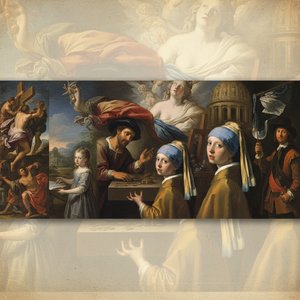
Baročne mojstrovine: 10 umetnin, ki so definirale obdobje | TopImpressionists
Odkrijte 10 baročnih mojstrovine, ki so zaznamovale umetnost! Karavaggio, Bernini & Rubensovi deli v zgodovinskem kontekstu. Navdih za notranjost in reprodukcije slik na TopImpressionists.com. Raziskujte polno zbirko online!
Raziščite umetniška dela, razvrščena po temah, slogih in značilnostih.

