

 Predogled v realnem okolju
 Pošlji
 Deli
Deli
 Podrobnosti o delu
 Priročnik

 Prenesi sliko
 Podobni izdelki
 Rentgenski posnetek
 Predvajaj diaporama
 Vprašanja in odgovori
 Statistika
COUPE DE CERISES, PRUNES ET MELON


Discover Louise Moillon’s "COUPE DE CERISES" – a stunning Baroque still life painting. Admire its classical detail, dramatic lighting & rich fruit arrangement. A timeless piece of French art.
 Preberi več
Spoznajte Louise Moillon: barokno slikarico mrtve narave, znano po nežni podrobnosti in svetlobnih kompozicijah sadja. Raziskujte njene elegantne slike iz 17. stoletja iz Francije.
Giclée tisk / Umetniški tisk
Giclée ali platnati odtis muzejske kakovosti z hitro proizvodnjo in prilagodljivimi možnostmi končne obdelave. ( Kupite ročno slikano delo Preklop na digitalno sliko)




P118B €10

P118H €10

P118W €10

P438Z €10

P508JH €12

P508YH €12

P805H €10

P805Z €10

P919BZ €10

P919G €10

P919XJ €10

P959ZH €10

P968JZ €12

W106C €8

W218G €10

W218JH €8

W218Y €10

W307PJ €10

W316G €10

W316PJ €8

W316Y €10

W398PJ €8

W4111J €10

W500HY €15

W500JH €15

W692G €12

W849H €8

W940BG €15

W953PJ €8




Standardna velikost
po meri
CM
INCH
Izberite eno od naših vnaprej določenih velikosti, ki ustrezajo prvotnim proporcijam umetničkega dela.
Loading sizes...

širina
višina
Vnesite širino in višino, ki jih potrebujete za svoj okvir ali steno. Tiskanje se lahko le odreže, vendar ga ni mogoče narediti večjega od slike, zato format z drugačno obliko pomeni izgubo dela slike. Pred tiskanjem vam pošljemo digitalni predogled za potrditev. Slika, prikazana na tej strani, ne prikazuje dejanskega izrezka — le predogled to omogoča.
Globalna dostava () v 2 tednih namesto standardnih 4/5 tednov. (5 november)

Brezplačna ekspresna dostava po vsem svetu

Visokokakovostno laneno platno

Popolno zavarovanje pošiljke

Garancija povračila carine in uvoznih davkov

Garancija popolnega barvnega ujemanja

100-dnevna politika vračil (le v primeru okvar)

Garancija 100% povračila denarja

Popust pri večjem naročilu
 Možnost stekla je na voljo le za velikosti pod 110 cm

COUPE DE CERISES, PRUNES ET MELON
Giclée tisk / Umetniški tisk
Velikost reprodukcije
-


Skupna cena
€ 62
Louise Moillon’s “Coupe de Cerises, Prunes et Melon”: A Baroque Still Life of Quiet Abundance
The painting "Coupe de cerises, prunes et melon" by Louise Moillon, completed around 1633, is more than just a depiction of fruit; it's a meticulously crafted meditation on beauty, abundance, and the fleeting nature of pleasure. Within its deceptively simple composition lies a wealth of Baroque artistry – a masterful blend of Flemish realism, French elegance, and subtle symbolism that continues to captivate viewers centuries later. This intimate still life, now residing within the hallowed halls of the Louvre Museum in Paris, offers a rare glimpse into the world of a pioneering female artist operating within a traditionally male-dominated field.
Moillon’s artistic journey unfolded against the backdrop of 17th-century France, a period marked by religious upheaval and burgeoning artistic innovation. Born into a Huguenot family – refugees fleeing persecution in Holland – her upbringing instilled a deep appreciation for naturalism and symbolic representation, qualities that profoundly shaped her distinctive style. Unlike many of her contemporaries who favored grand historical or mythological scenes, Moillon focused on the quiet beauty of everyday objects, elevating them to an almost sacred level through her painstaking attention to detail and masterful use of light and shadow.
A Symphony of Color and Texture
The painting’s immediate impact is one of serene elegance. Moillon employs a carefully orchestrated palette – a harmonious blend of deep browns, rich reds, vibrant yellows, and muted greens – that draws the eye into the heart of the composition: a gleaming porcelain bowl overflowing with an array of fruits. The cerises, bursting with juicy red color, are strategically placed to command attention, their brightness contrasted against the darker tones of the plums and melon. Moillon’s technique is characterized by an extraordinary level of detail; each fruit – from the velvety texture of the melon rind to the delicate veins on a plum leaf – is rendered with astonishing precision.
The artist's mastery extends beyond mere representation. Moillon skillfully manipulates light and shadow, creating a dramatic chiaroscuro effect that adds depth and volume to the scene. The strong directional lighting, originating from an unseen source above and slightly to the left, casts long, elegant shadows that define the forms of each object, lending them a tangible presence. This masterful use of light not only enhances the visual impact but also evokes a sense of stillness and contemplation – inviting the viewer to linger and appreciate the beauty before them.
Symbolism and Context
Still lifes during the Renaissance and Baroque periods were often imbued with symbolic meaning, representing concepts such as wealth, prosperity, and mortality. In "Coupe de cerises," the abundance of fruit can be interpreted as a symbol of earthly delights – a reminder of the pleasures of life but also a poignant acknowledgment of their transient nature. The carefully arranged composition itself suggests an order and harmony that reflects the ideals of classical art and Renaissance thought.
Furthermore, Moillon’s work is rooted in the artistic traditions of the Netherlands, particularly the Flemish school of painting, which was highly influential in France during this period. The use of trompe l'oeil – a technique designed to create an illusion of three-dimensionality – is evident in the subtle details and realistic textures that contribute to the painting’s overall sense of depth and realism. The placement of the bowl on a dark wooden table, extending into the background, further enhances this effect, blurring the boundaries between the painted world and the viewer's perception.
A Timeless Masterpiece
"Coupe de cerises, prunes et melon" stands as a testament to Louise Moillon’s artistic skill and her ability to capture the essence of beauty in a single image. It is a painting that rewards repeated viewing, revealing new details and nuances with each encounter. More than just a still life, it's a profound meditation on art, nature, and the human experience – a timeless masterpiece that continues to inspire and delight viewers today. Reproductions of this iconic work offer an accessible way to bring its serene elegance into any space, allowing one to appreciate the artistry and symbolism within.
Vprašanja in odgovori
Za kakšno uporabo se priporoča "COUPE DE CERISES, PRUNES ET MELON" avtorja Louise Moillon?
Reprodukcija dela "COUPE DE CERISES, PRUNES ET MELON" avtorja Louise Moillon je priporočljiva za Statement. Ta predlog temelji na tematiki, vzdušju in barvni paleti dela.
V katero obdobje kariere Louise Moillon pripada delo "COUPE DE CERISES, PRUNES ET MELON"?
"COUPE DE CERISES, PRUNES ET MELON" pripada Mature Period v karieri umetnika Louise Moillon. Ta razvrstitev povezuje delo z umetnikovim razvojnim obdobjem.
Ali je "COUPE DE CERISES, PRUNES ET MELON" eden najbolj priljubljenih del umetnika Louise Moillon?
"COUPE DE CERISES, PRUNES ET MELON" je razvrščeno kot Recognized.
Biografija umetnika
Tiha briljantnost Louise Moillon
V veličastnih, razlegjenih pripovedih barokne dobe, kjer drama in gibanje pogosto prevladujeta na platnu, delo Louise Moillon ponuja globoko in meditativno alternativo. Moillon, rojena v Parizu leta 1610, se je pojavila v svetu, ki so ga oblikirale intense religiozne in kulturne spremembe 1tov centrifugalne Francije. Njen sam zrod izvaja zgodbo o odpornosti in umetniški dediščini; kot potomka hugenotskih beguncev iz Holandije je bila potopljena v tradicijo, ki je cenila natančno opazovanje naravnega sveta. Ta ozadnina ni predstavljala le družinske zgodovine – ponudila je slogovni jezik, koreninjen v nizozemskem mojstrastvu svetlobe, teksture in simboličnega realizma.
Moillonino zgodnje življenje sta zaznamovali tako izguba kot globoko umetniško mentorstvo. Smrt njenega očeta, pejzažnika in trgovca Nicolas Moillon, ko je bila stara le deset let, bi lahko spremenila njeno pot, vendar je ostala njena vzgoja globoko utopljena v umetnosti. Pod vodstvom svojega očeta, François Garnier, izobraženega umetnika in trgovca, je izpilila tehniko, ki bo postala njen znakovni slog. Njena izobrazba ni bila le v prilagajanju pigmenov platnu, temveč v potopitvi v humanistične vrednote njenega časa, kjer se je naučila opaziti božanstvo v drobnih detajli dojretnega sadja ali nežni krivini petalnega lističa.
Mojstristvo teksture in svetlobe
Resnični genij Moillonove se skriva v njeni sposobnosti, da predmete vsakdana spremeni v nekaj izjemnega. Njene kompozicije odlikuje mirna nepremičnost, tišina, ki gledalca vabi k zastajanju in opazovanju. Imela je skoraj nadnaravno sposobnost zajeti taktilne lastnosti svojih motivov – voskasto kožico citrona, mehko dlačico nektarin ali prosočen sok iz zdrubljene jagode. V delih, kot je Still Life of Citrons and Curaçao Oranges in a White Polylobed Dish, lahko začutimo hladno vlažnost sadja proti trdi, glazedini porcelana, kar ustvarja čutni izkušnjo, ki presega dvodimenzionalno ravnino.
Njena tehnika je bila močno vplivana na naturalistične tradicije protestantskih krogov, v katerih se je gibala. Ta pristop je pred teatralnimi senčami bolj ekstravagantnih baroknih mojstrov predlagal jasnost in natančnost. Namesto tega je Moillon uporabljala svetlobo za oblikovanje svojih motivov, s subtilnimi gradacijami tonov ustvarjala voluminoznost in globino. Njena paleta, čeprav pogosto osredotočena na živahne barve narave, je bila uporabljena z tako zbranostjo, da se je vsaka barva zdela svetlobna, kot da izžareva svetlobo iz notranjosti. To mojstristvo ji je omogočilo premostitev vprašanja med zgolj botanično ilustracijo in visoko umetnostjo, s čim je vsako delo prepletla z občutkom življenja in vitalnosti.
Dediščina in zgodovinski pomen
skozi svoje dolgotrajno življenje, ki je trajalo skoraj devet desetletij, je Moillon dosegla stopnjo slavi, ki je bila za umetnice njenega obdobja redka. Njena sposobnost pridobivanja naročil od prestižnih pok patronskih, vključno z družini kraljice, govori o nepodvdeni kakovosti in sofisticiranosti njenega dela. Čeprav se je njeno delo pogosto osredotočalo na intimen obseg mrtve narave, je bil njegov učinek obsežen in je pomembno prispevalo k razvoju francoske tradicije slik mrtve narave.
Zgodovinski pomen Louise Moillon presega njeno tehnično znanost; ona predstavlja vitalno povezavo med nizozemsko naturalistično tradicijo in vzrastajočo francosko estetiko 17. stoletja. Njene slike služijo kot okna v izgubljeni svet parizskih trgov in zasebnih vrtov, zajemajoč občutek obilja in prehodne lepote. Danes so njena dela dragoceni zakladi v institucijah, kot je Louvre, in stojijo kot trajni spomeniki življenju, posvečenemu iskanju izjemnega v običajnem. Njena dediščina se skriva v vsakem potezu črte, ki slavi tiho, zapira oči, osupljivo veličastnost naravnega sveta.

Louise Moillon
1610 - 1696 , Francija
Hitri podatki
- Artistic Movement Or Style: Barokna mrtva naravina
- Artists Or Movements Influenced By This Artist:
- Michelangelo
- Raphael
- Titian
- Artists Who Influenced This Artist:
- Isaac Moillon
- François Garnier
- Date Of Birth: Pariz, Francija (1610)
- Date Of Death: 1696
- Full Name: Louise Moillon
- Nationality: Francija
- Notable Artworks:
- košara kajsič
- ČAŠA S KOSTENICAMI, SLIVAMI IN MELONOM
- Košara nektarin z grobokovci in slivami
- Place Of Birth: Pariz
Sorodni članki
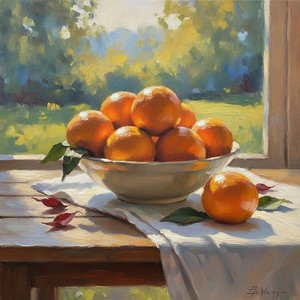
Sun-Drenched Citrus: The Vibrant Beauty of Oranges in Impressionist Masterpieces
Embark on a sensory journey through Impressionist masterpieces. Discover how Renoir and Cézanne captured the vibrant light and luscious textures of sun-drenched oranges in exquisite still life paintings designed to inspire and transform your home.

Chiaroscuro & Emotion: Capturing the Dramatic Soul of Baroque Art
Explore the profound drama of Baroque art. Discover how masters used chiaroscuro and intense emotion to capture the soul of the 17th century through light, shadow, and spiritual grandeur in this expert art history guide.

Decoding Baroque Grandeur: A Masterclass in Drama, Movement, and Emotion in 17th-Century Art
Explore the breathtaking drama of 17th-century Baroque art. Discover how masters used chiaroscuro, movement, and intense emotion to create timeless grandeur in this expert guide for fine art enthusiasts.