

Prikazano: · Vključno z okvirjem:
 Predogled v realnem okolju

 Pošlji
 Deli
 Podrobnosti o delu
 Informacijski list za tjači


 Prenesi sliko
 Podobni izdelki
 Rentgenski posnetek
 Predvajaj diaporama
 Vprašanja in odgovori

 Statistika
Found (Max Klinger)


Platna in umetniški tisk že od €45 za 36 x 28 cm
Ročno slikana oljna reprodukcija že od €224
- Brezplačna svetovna dostava v 3 do 4 tednih
- Tiskani izprihati v roli, dostava v 3 do 4 tednih
- 100-dnevno vračilo denarja
- Ocena 4.9/5 na podlagi 241 mnenj kupcev na ArtShopReviews.com
€ 70
Giclée tisk / Umetniški tisk
Giclée ali platnati odtis muzejske kakovosti z hitro proizvodnjo in prilagodljivimi možnostmi končne obdelave. ( Impressionistična oljna slika Digitalna kopija
)
Tehnika in material
 Preberi več
Naša budžetna tiskanina: ista slika, natiskan na poliesterskem platnu z težo 260 g/m² namesto na bombažnem platnu, dostavljena v roli v tubi po običajni pošti v 3 do 4 tednih. Le v roli (brez podložine in okvirja) in brez nujne proizvodnje, za velikosti, kjer je vsaj ena stran viška 80 cm ali manj. Približno 30% cenejša od tiskanja na bombažnem platnu.
Za to velikost ni na voljo: vsaj ena stran mora imeti 80 cm ali manj.
Le v roli: za izbiro tega tiska izberite platno v tubi.
Na voljo za dimenzije, kjer sta obe strani ne longer 110 cm. Za večje dimenzije se tisk izvaja na matenem bombažnem platnu.
Matni arhivni platno ni na voljo za to velikost: obe strani morata imeti 110 cm ali manj. Vaš tisk je namesto tega izdelan na matnem bombažnem platnu.
Možnost stekla je na voljo le za velikosti pod 110 cm
Velikost
·Izberite eno od naših vnaprej določenih velikosti, ki ustrezajo prvotnim proporcijam umetničkega dela.
Nalagovanje velikosti...

širina
višina
Vnesite širino in višino, ki jih potrebujete za svoj okvir ali steno. Tiskanje se lahko le odreže, vendar ga ni mogoče narediti večjega od slike, zato format z drugačno obliko pomeni izgubo dela slike. Pred tiskanjem vam pošljemo digitalni predogled za potrditev. Slika, prikazana na tej strani, ne prikazuje dejanskega izrezka — le predogled to omogoča.
Standardna velikost
po meri
CM
INČI
Zaključek
·
Beli rob €1

zamegljen rob €1

Razširjen rob €1

P118B €10

P118H €10

P118W €10

P438Z €10

P508JH €12

P508YH €12

P805H €10

P805Z €10

P919BZ €10

P919G €10

P919XJ €10

P959ZH €10

P968JZ €12

W106C €8

W218G €10

W218JH €8

W218Y €10

W307PJ €10

W316G €10

W316PJ €8

W316Y €10

W398PJ €8

W4111J €10

W500HY €15

W500JH €15

W692G €12

W849H €8

W940BG €15

W953PJ €8
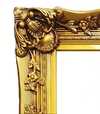
H24-GOLD €30
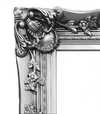
H24-SILVER €30
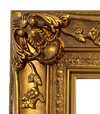
H36-GOLD €70
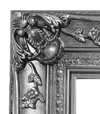
H36-SILVER €70
Pošiljanje v zaščitni tubi, pripravljeno za vaš lastni okvir.
Nad 105 cm se okvir pošlje v obliki kompleta za profesionalnega okvirja — preberite podrobnosti.
Dodatne storitve
po izbogiKaj vse vključujejo dodatki?
Globalna dostava () v 2 tednih namesto standardnih 4/5 tednov. (23 december)
Pri tisku na ekonomičnem polipoli-platnu, ki se pošilja z običajno pošto, nista na voljo nujna proizvodnja ali ekspresna kurirska dostava.
Zaščitni lak
Značka z imenom
Podrobnosti o gravirani bronasti plošči
Ta elegantna plaketa vsebuje ime umetnika in naslov dela, ki sta nežno gravirana za brezčasno predstavitev.
Izdelana je iz bronze z rafiniranim, elegantnim zgledom. Besedilo je natančno laserjsko gravirano za oster in trajen rezultat. Plaketa dimenzij 9x2 cm je kompaktnih dimenzij, vendar zelo berljiva. Je trpežna in odporna na poškodbe, kar zagotavlja profesionalen videz kakovosti muzejskih predmetov. Montaža je preprosta dzięki priloženi lepilni podlagi.
Podrobnosti o transparentni akrilni plošči
Plaketa vključuje ključne gravirane podrobnosti, kot so ime umetnika, naslov dela, datum nastanka, vrsta uporabljenih materialov – na primer olje na platnu ali akvarel –, kratek opis dela in QR kodo, ki vodi do celovitih informacij o umetninah.
Izdelana je iz prozornega akrila, ki omogoča eleganten in sodoben videz. Besedilo je UV-gravirano v črni barvi, da zagotova močan vizualni kontrast. S dimenzijami 10x15 cm zagotavlja optimalno berljivost. Za varno montažo na dindinga je opremljena z dvema kovinskoma kaveljema. Plakača je zasnovana tako, da je odporna na vremenske vplive, kar jo naredi primerno za različna okolja, poleg tega pa vključuje interaktivne funkcije, ki delujejo brezhibno s skeniranjem pametnega telefona.
Podrobnosti o črni akrilni plošči
Ta elegantna plaketa vključuje gravirane podatke, kot so ime umetnika, naslov dela, datum nastanka, vrsta uporabljenih materialov (npr. oljna barva na platnu ali akvarel), kratek opis dela in QR kodo za hiter dostop do dodatnih informacij.
Sama plaketa je izdelana iz izpopolnjenega črnega akrila vrhunski kakovosti. Besedilo je laserjsko gravirano v belo barvo za visoko stopnjo kontrasta in berljivosti. Njena velikost je 10x15 cm, zasnovana tako, da je enostavna za branje. Priloženi sta dva kovinska krogelja za profesionalno montažo. Oblika je elegantna in se prilagaja vsakemu slogu opremljanja notranjih prostorov. Je tudi odporna na vremenske vplive in trpežna, z vgrajeno digitalno integracijo za mobilno združljivost.
Možnost stekla je na voljo le za velikosti pod 110 cm
 Možnost stekla je na voljo le za velikosti pod 110 cm
- Brezplačna svetovna dostava v 3 do 4 tednih
- Visokokakovostno laneno platno
- Popolno zavarovanje pošiljke
- Garancija povračila carine in uvoznih davkov
- Garancija popolnega barvnega ujemanja
- 100-dnevno vračilo denarja
- Garancija 100% povračila denarja
- Popust pri večjem naročilu


Found: Max Klinger in trenutek sloga Symbolism
Two figures kneel in despair beneath a suspended form in this dramatic monochromatic etching filled with dense, swirling cross-hatching.
Max Klinger: biografija
Njegova Parafraza o nalenju je bila navzoz san: preučutite, kako se roka pojavlja na vsaki plati.
O umetninah
The Artwork Found by Max Klinger
In the quiet tension of Found, the viewer encounters a scene of profound emotional distress. Max Klinger, born in 1857 in Leipzig, Germany, presents a vision that feels caught in a moment of sudden, sharp anguish. The composition draws the eye upward through a pyramidal arrangement, where two figures kneel in supplication at the base. Above them, a third figure remains suspended on a rigid rectangular plane, creating a sense of unsettling verticality. The atmosphere is heavy with a feeling of helplessness, as if the figures are trapped within a swirling chaos of lines that refuse to settle.
The imagery suggests a narrative of torment or judgment, though the exact nature of the suffering remains a mystery. Shadows and highlights dance across the forms, emphasizing the intensity of the facial expressions and the physical strain of the subjects. There is a palpable sense of unease in the way the figures interact with the space around them. The scene does not offer the comfort of a clear light source, leaving the viewer to navigate the deep shadows and the turbulent, textured background that seems to pulse with internal turmoil.
Composition and Visual Elements
A heavy, pyramidal structure dictates the movement of the scene, pulling the eye upward through a tense arrangement of forms. At the base, two figures kneel in a state of supplication, their bodies anchoring the bottom of the triangle. Above them, a third figure remains suspended on a rigid, rectangular plane, creating a jarring contrast between the organic curves of the human forms and the unyielding geometry of the platform. This vertical tension holds the viewer in a state of suspended animation, caught between the grounded suffering below and the hovering presence above.
The background refuses to remain still. Dense, swirling lines churn through the space, suggesting a world in a state of constant, chaotic turmoil. These lines wrap around the figures, blurring the distinction between the subjects and the atmosphere surrounding them. Light and shadow dance unevenly across the scene, with deep, heavy blacks clashing against pale highlights to emphasize the emotional weight of the figures. The perspective feels strangely flattened, yet the layering of these dark, textured shapes creates a sense of depth that pulls the viewer into the center of the struggle.
Technique and Artistic Materials
The scene emerges from a monochromatic world, where every shadow and highlight relies on a careful dance of gray tones. This is the result of a meticulous printmaking process, likely an etching or an engraving. One can almost feel the physical resistance of the metal plate as the artist uses sharp etching needles to incise deep, deliberate lines into the surface. These marks do not merely outline forms; they build a dense, textured landscape through heavy cross-hatching that catches the light and holds the darkness in place.
The materials used in this creation speak to a tactile, hands-on labor. A metal plate, perhaps zinc or copper, receives the initial wounding of the needle, creating the channels that will eventually hold the ink. Once the incised lines are ready, ink is pressed into these grooves, transferring the soul of the plate onto paper. This method allows for a staggering level of detail, where the swirling, chaotic lines of the background and the sharp, angular contours of the figures emerge from the interplay of ink and fiber.
Style and Artistic Movement
The work breathes with the heavy, restless energy of late 19th-century Expressionism. Every line seems to vibrate with an internal tension, pushing beyond mere representation to capture a raw, psychological state. This approach finds a striking kinship with the visual language of Edvard Munch, where the external world bends and twists to mirror the turbulence of the human spirit. The figures do not simply exist in space; they appear caught in a moment of profound emotional upheaval, their forms shaped by the weight of what they feel rather than the strict rules of anatomy.
At its core, the piece is deeply rooted in the Symbolist movement. It moves away from the literalism of the natural world to explore the shadowy, subjective realms of the subconscious. Rather than depicting a clear, objective reality, the imagery functions through a language of signs and metaphors that point toward deeper, unseen truths. The atmosphere is thick with the sense of a dream or a nightmare, where the boundaries between the physical self and the internal psyche begin to dissolve into a swirl of dark, textured lines.
Emotional and Symbolic Themes
Anguish and fear pulse through the scene, casting a heavy shadow over the figures. A profound sense of desperation grips the viewer as the subject matter unfolds, depicting a moment of intense emotional distress and torment. The two kneeling figures at the base of the composition seem trapped in a state of supplication, their bodies conveying a deep-seated helplessness. Above them, a third figure remains suspended on a rigid rectangular plane, watching the suffering below. This triangular arrangement creates a palpable tension, suggesting a heavy power dynamic or the weight of an inevitable judgment.
Chaos swirls in the background, where dense, agitated lines churn like a storm. These movements suggest a state of inner turmoil or perhaps the presence of overwhelming external forces acting upon the souls depicted. The darkness and light do not merely define form; they heighten the psychological weight of the moment. Every line contributes to an atmosphere of unease, as if the very air around the figures is thick with their collective despair. The struggle feels immediate, caught in a perpetual state of spiritual or emotional crisis.
Related Works by Max Klinger
The shadows of the artist's imagination stretch into other graphic cycles, where the boundaries between reality and the subconscious continue to blur. In the series Paraphrase on the Finding of a Glove, a single lost object transforms into a potent fetish, triggering a sequence of dreamlike visions and unsettling encounters. This narrative exploration of desire and loss finds a musical counterpart in the Brahms Fantasies from 1894, where the artist translates the spirit of composition into visual form. These works reveal a mind preoccupied with the hidden currents of human longing and the irrational forces that govern our inner lives.
Other explorations move through the realms of myth and movement. The artist's hand traces the tension found in The Rape of Prometheus and the rhythmic energy of Preparation for the dance. Each piece acts as a window into a world where the physical and the psychological are inseparable. Whether through the meticulous lines of an etching or the heavy presence of a sculpture, the artist's vision remains fixed on the tension between the seen world and the unseen impulses that drive it.
Vprašanja in odgovori
Je ta reprodukcija dela Found ročno slikana ali natisana?
Tiskano: Found je reproducirana kot giclée tiskanec na bombažnem platnu ali na arhivskem papirju Epson.
Kakšno velikost naj izberem za Found?
Velikosti so od 36.3 x 27.5 cm (€45) do 248.4 x 188.4 cm (€407); v tabeli na tej strani so navedeni ključni koraki in njihove cene.
Koliko časa traja dostava?
Tisk v roli, ki se pošilja v tubi, je brezplačen in potuje z običajno pošto v 3 do 4 tednih; tisk na platnu ali v okvirju zahteva 4 do 5 tednov. Dostava s kurirjem je mogoča le z plačano možnostjo ekspresne dostave, ki je na voljo na tej strani. Izdelek lahko vrnete v 100 dneh za popoln povračilo denarja, brez kakršnihkoli pogojev.
Katero tehniko je Max Klinger uporjal/a za delo Found?
Etching
Hitri podatki in kviz o umetnosti
O Max Klinger

Max Klinger
1857 - 1920, Nemčija
O Max Klinger: življenje, dela in biografija
Kratek pregled o Max Klinger
- Datum Rojstva: 1857
- Datum Smrti: 1920
- Državljanstvo: Nemec
- Kraj Rojstva: Leipzig, Nemčija
- Polno Ime: Max Klinger
- Pomembna Dela:
- Pariščica z rokavico
- Beethovenova skulptura
- Umetniški Smer: Simbolizem
- Vpliv Na Umetnost: ['Medicinska hermenevtika']
- Vplivi Umetnikov:
- Menzel
- Goya
Raziščite umetniška dela, razvrščena po temah, slogih in značilnostih.


Max Klinger
Found
() ·
Vključno z okvirjem: ·
Skupni znesek