


 Preverite v realnem okolju
 Pošlji kot čestitko
 Deli
Deli
 Podrobnosti
 Priročnik

 Prenesi
 Podobni artefakti
 Rentgenski posnetek
 Predvajaj diaporama
 Statistika
The wine bottle


Explore Pablo Picasso's 'The Wine Bottle,' a groundbreaking Cubist masterpiece from 1912! Discover how it fragments reality, challenges perspective & symbolizes the everyday. A pivotal work in art history – available as a hand-painted reproduction at TopImpressionists.
 Preberi več
Pablo Picasso (1881-1973) je bil revolucionarni španski slikar in kipar, soustanovitelj kubizma ter mojster različnih stilov. Njegova dela, kot sta Guernica in Les Demoiselles d'Avignon, še vedno navdihujejo svet.
Umetniška dela, prikazana na tej strani, so zaščitena z avtorskimi pravicami, kar pomeni, da po zakonu ne moremo ustvarjati ali prodajati identičnih reprodukcij. Ta zaščita se izvaja v skladu z mednarodnimi sporazumi, kot so Bernska konvencija in po nacionalnih zakonih, vključno s tistimi, ki jih določa Zakon o avtorskih pravicah ZDA – naslov 17.
Kot spoštljiva in zakonita alternativa ponujamo prilagojena, ročno slikana umetniška dela, navzornena na original. Naši sposobni in profesionalni umetniki skrbno preučijo stil, vzdušje in umetniško bistvo originala, da ustvarijo novo, edinstveno delo, ki vzbudi enak občutek – pri čemer ostaja popolnoma nova, samostojna izvirna stvar.
Ta način v celoti upošteva zakonodajo o avtorskih pravicah, saj ne vključuje kopiranja ali podvajanja zaščitena umetniškega dela. Namesto tega gre za kreativno preinterpretacijo – novo sliko, ki je navdihnjen rezultat originala, vendar ni z njim identična.
Ročno izdelana oljna reprodukcija
Ročno slikano olje na platnu v vaši izbiri velikosti in okvirja, izdelano po naročilu naših umetnikov. ( Preklop na tiskanine Preklop na digitalno sliko)




P118B €10

P118H €10

P118W €10

P438Z €10

P508JH €12

P508YH €12

P805H €10

P805Z €10

P919BZ €10

P919G €10

P919XJ €10

P959ZH €10

P968JZ €12

W106C €8

W218G €10

W218JH €8

W218Y €10

W307PJ €10

W316G €10

W316PJ €8

W316Y €10

W398PJ €8

W4111J €10

W500HY €15

W500JH €15

W692G €12

W849H €8

W940BG €15

W953PJ €8




Standardna velikost
po meri
CM
INCH
Izberite eno od naših vnaprej določenih velikosti, ki ustrezajo prvotnim proporcijam umetničkega dela.
Loading sizes...

širina
višina
Vnesite širino in višino, ki jih potrebujete, da se slika prilega vašemu okviru ali steni. Ker je delo ročno slikano, lahko umetnik pri različnih oblikih slik pri robovih doda malo več barve ali pa jih malo odreže — izberite sami. Pred začetkom slikanja vam pošljemo digitalni predogled za potrditev. Slika, prikazana na tej strani, ni končni rezultat — le predogled prikazuje dejansko podobo.
Primeri možnih sprememb: Zamenjava obraza s fotografijo stranke; Dodajanje hišnega ljubljenčka (npr. zamenjava mačke s psom); Vključitev skritega sporočila v ozadje; Sprememba pokrajine ali elementov v ozadju.
Po oddaji naročila bo ekipa TopImpressionists.com stranki po e-pošti poslala navodila in predogled digitalnega predogleda.
Po oddaji naročila bo ekipa TopImpressionists.com stranki po e-pošti poslala navodila in predogled digitalnega predogleda.
Mednarodna dostava () v 3/4 tednih namesto običajnih 5 tednov. (23 oktober). Brez kompromisov pri kakovosti.

Brezplačna ekspresna dostava po vsem svetu

Visokokakovostno laneno platno

Popolno zavarovanje pošiljke

Garancija povračila carine in uvoznih davkov

Garancija popolnega barvnega ujemanja

Politika vračila v 100 dneh (le v primeru okvar)

Garancija 100% povračila denarja

Popust pri večjem naročilu
 Možnost stekla je na voljo le za velikosti pod 110 cm

The wine bottle
Tehnika reprodukcije
Velikost reprodukcije
-


Skupna cena
€ 236
Introduction to a Fragmented World
Pablo Picasso’s “The Wine Bottle,” painted in 1912 during the analytical phase of Cubism, isn't merely a depiction of everyday objects; it’s an invitation into a radically new way of seeing. This unassuming still life—a bottle of wine, a glass, a carafe, and a scattering of fruit – becomes a complex puzzle when viewed through the lens of this revolutionary movement. Rather than presenting a single, unified reality, Picasso dismantles the familiar, fracturing the forms and reassembling them in an abstract composition that challenges our perception of space and form. It’s a deliberate rejection of traditional perspective, a move away from mimicking the world as it appears to the eye, and instead, offering a simultaneous representation of multiple viewpoints – a core tenet of Cubism's groundbreaking approach.
The Analytical Phase: Deconstructing Reality
Created during a period of intense experimentation within the Cubist movement, “The Wine Bottle” exemplifies the analytical phase. This stage, co-developed by Picasso and Georges Braque, involved a painstaking process of breaking down objects into their fundamental geometric components – cubes, cones, cylinders – before reconstructing them on the canvas. The muted palette—primarily browns, greens, and grays—further emphasizes this deconstruction. Colors are not used to create illusion or depth but rather as tonal markers within the fragmented forms. Notice how the bottle is presented from several angles at once; we see its profile, side view, and even a suggestion of its top simultaneously. The glass appears to shimmer with reflected light, while the fruit seems to float in an ambiguous space, all contributing to the sense of disorientation and multiple perspectives.
Symbolism and the Everyday
While often perceived as purely formal experimentation, “The Wine Bottle” also carries a subtle layer of symbolism. The wine itself, a recurring motif in Picasso’s work, can be interpreted as representing pleasure, conviviality, or even mortality – themes frequently explored by the artist. The inclusion of simple objects like a bottle and fruit elevates the scene to a level beyond mere representation; it becomes a meditation on the nature of perception and the relationship between the object and its observer. The banana, in particular, is intriguing, hinting at the burgeoning interest in non-Western cultures and artistic traditions that influenced Picasso’s thinking during this period – a connection visible in his exploration of African masks and sculptures.
Picasso's Legacy: A Revolution in Art
“The Wine Bottle” stands as a pivotal work in Picasso’s oeuvre and a cornerstone of Cubism. It demonstrates the artist’s willingness to push boundaries, challenging established artistic conventions and paving the way for future generations of avant-garde artists. His exploration of multiple viewpoints, fragmented forms, and abstract representation profoundly impacted the course of 20th-century art, influencing movements like Futurism and Constructivism. Studying this painting offers a fascinating glimpse into Picasso’s creative process and his profound contribution to our understanding of visual language. The work's enduring appeal lies in its ability to simultaneously challenge and intrigue, inviting viewers to engage with the complexities of perception and representation.
Vprašanja in odgovori
Kako priljubljeno je delo "The wine bottle" znotraj gibanja Cubism?
"The wine bottle" je v katalogu zabeležen kot Legendarno med deli iz obdobja Cubism.
Ali ima "The wine bottle" predogled v augmented reality?
Stran AR predogled za delo "The wine bottle" avtorja Pablo Picasso uporablja augmented reality (prošir reality), da na vaši napravi, ki podpira to tehnologijo, prikaže umetniško del v vašem lastnem prostoru.
Kje lahko kupim tiskanino dela "The wine bottle" avtorja Pablo Picasso?
Če želite naročiti tiskanino dela "The wine bottle" avtorja Pablo Picasso, jo preprosto naročite na njegovi strani Kakovostna tiskanina: umjetnička grafika na bombažnem platnu ali arhivskem papirju za platno.
Biografija umetnika
Pablo Picasso: Revolucija v umetnosti in neusahljiv vir navdiha
Pablo Ruiz y Picasso, ime, ki je sinonimno za umetniško revolucijo, se je rodil v Málagi, Španiji, 25. oktobra 1881. Že njegovo rojstvo je kazalo na usodo ustvarjalnega genija; legenda pravi, da so bile njegove prve izgovorjene besede “piz, piz,” poskus reči ‘svinčnik’. Ta zgodnja nagnjenost je gojil njegov oče, José Ruiz y Blasco, slikar in učitelj risanja, ki je mlademu Pablu nudil osnovno usposabljanje. A učenec je hitro presegel mojstra, pokazal pa je izjemno nadarjenost za naravnost prikazovanje, kar je napovedovalo izjemen talent v njem. Družinina kasnejša preselitev – najprej v A Coruño, nato v Barcelono – sta bila zaznamovana z osebno tragedijo, izgubo sestre, doživetji, ki so subtilno preželi njegovo poznejše delo s temami melanholije in smrtnosti. Že med formalnim študijem na Šoli za lepe umetnosti v Barceloni in kratkim obiskom Kraljeve akademije San Fernando v Madridu se je Picasso upiral strogim akademskim omejitvam, raje pa se je potapljal v dela mojstrov, kot sta Velázquez in Goya, koval svojo lastno pot umetniške inovacije.Od modrih žalosti do rožnatega optimizma
Zgodnja leta 20. stoletja sta priča nastanku dveh izrazitih obdobij v Picassojevem opusu: Modre dobe (približno 1901-1904) in Rožnate dobe (1904-1906). Modra doba, rojena iz osebne stiske in zavedanja družbenih trpljenj, je zaznamovana s slikami, prepojenimi s temnimi odtenki modre in modro-zelene barve. Te slike so poseljene z marginaliziranimi figurami – prosjakov, slepih, prostitutk – upodobljenimi z strahospolnim empatijem, ki govori o temah izolacije in obupa. La Vie (1903) in Stari kitarist (1903-1904) sta ganljiva primera te čustveno nabojene faze. Prehod v Picassojevem osebnem življenju, skupaj s preselitvijo v Pariz, je napovedal prihod Rožnate dobe. Paleta se je znatno ogrela, sprejela roza, oranžne in rdeče barve, kar odraža bolj optimističen pogled na svet. V tem obdobju je vladala fascinacija cirkuskimi izvajalci – klauni, akrobati in družinskimi skupinami – figurami, ki utelešajo krhkost in odpornost. Družina saltimbanques (1905) lepo zajame ta prehod, nakazuje pa tudi na stilistične raziskave, ki so bile pred njim.Razbitje perspektive: Kubizem in naprej
Leto 1907 je zaznamovalo ključni trenutek v zgodovini umetnosti z nastankom Les Demoiselles d'Avignon (Gospodične iz Avignona). Pod vplivom iberijske skulpture in afriških mask Picasso s tem revolucionarnim delom razbija tradicionalne poglede na perspektivo in predstavitev. To je bila radikalna odstopanja, namenjena zavrženju stoječih konvencij, ki je utrla pot kubizmu. V tesnem sodelovanju z Georgesom Braquom je Picasso soustanovil to revolucionarno smer, ki je temeljito spremenila način, na katerega umetniki dojemajo in prikazujejo realnost. Analitični kubizem (1909-1912) je vključeval fragmentacijo predmetov v geometrijske oblike, upodabljene v umirjenih barvah, kot da bi razčlenili samo obliko. To se je razvilo v sintetični kubizem (1912-1919), ki je vključeval elemente kolaža – izrezke časopisov, kosce tkanin – dodal teksturo in nove vizualne sloje kompleksnosti. Picasso ni želel le predstaviti sveta; hotel ga je dekonstruirati in rekonstruirati po svojih pravilih.Neusahljiv raziskovalec: Neoklasicizem, surrealizem in vojna
Dvadeseta leta so prinesle kratko obdobje, ko se je Picasso ukvarjal s neoklasičnimi slogi, ustvaril pa je monumentalne figure, ki so odsevljale klasične oblike, hkrati pa ohranjale izrazito moderno občutljivost. Hkrati se je spoprijateljil z nastajajočo surrealistično gibanjem, čeprav se ni nikoli popolnoma ujedinil z njegovimi načeli. Njegovo delo v tem obdobju je združevalo zgodnje stilistične vplive s surrealističnimi podobe in izkrenimi perspektivami, kar je dokazovalo njegovo neusahljivo raziskovanje. Groza španske državljanske vojne je globoko prizadel Picassa, ki je ustvaril Guernico (1937), visceralno in čustveno uničujočo odziv na bombardiranje Guernice. To monumentalno delo je postalo trajno znamenje grozot vojne, s katerim je Picasso utrdil svojo vlogo ne le kot umetnika, temveč tudi kot močnega glasa za mir in družbeno pravičnost. V petdesetih in šestdesetih letih prejšnjega stoletja je še naprej izzival meje, raziskoval keramiko, kiparstvo in grafike z neomajno radovednostjo in spretnostjo. Poroka z Jacqueline Roque leta 1961 je prinesla novo dimenzijo v njegovo osebno življenje in umetniško ustvarjanje.Neizmerljiv vpliv
Pablo Picasso je umrl 8. aprila 1973 v Mouginsu, Franciji, za seboj pustil osupljivo količino dela – ocenjeno na več kot 50.000 del - ki še naprej očara in navdihuje. Njegovo umetniško razvijanje je oblikovalo pestra paleta vplivov, od španskih mojstrov, kot sta Velázquez in Goya, do iberijske skulpture, afriške umetnosti in živahnih barvnih palet Henrija Matissa. Njegov vpliv na umetnost 20. stoletja je neizmeren. Soustanoval je kubizem, pionirsko ustvaril kolaž in konstruktivno skulpturo ter dosledno izzival umetniške konvencije. Picassojeva neusahljiva raziskovanja so ponovno definirala moderno umetnost, pustila pa neizbrisov pečat na generacije umetnikov in utrdili njegovo mesto kot enega najpomembnejših in najbolj vplivnih likov v zgodovini. Njegova zapuščina sega onkraj platna, odziva pa se v neshlačnem številu vidikov sodobne kulture in nas spominja na transformativno moč umetniškega vida.
Pablo Picasso
1881 - 1973 , Španija
Ključne informacije
- Datum Rojstva: 25. oktober 1881
- Datum Smrti: 8. april 1973
- Kraj Rojstva: Málaga, Španija
- Nacionalnost: Španski
- Pod Vplivom:
- Kubizem
- Sodobna umetnost
- Polno Ime: Pablo Diego José Ruiz Picasso
- Umetniški Slog: Kubizem, Dadaizem, Surlrealizem
- Vplivneži:
- Velázquez
- Goya
- Matisse
- Znani Dela:
- Les Demoiselles d'Avignon
- Guernica
- Stari kitarist
Sorodni članki

Mastering Cubism: An Essential Guide to the Revolutionary Artworks of Pablo Picasso
Explore the profound evolution of Cubism through an expert analysis of Pablo Picasso's revolutionary works. From Analytical to Synthetic Cubism, discover the techniques that redefined modern art and learn how to curate these iconic masterpieces for your private collection.

Cubist Portraits: 10 Masterpieces That Revolutionized Art | TopImpressionists
Explore 10 revolutionary Cubist portraits by Picasso, Braque & more! Discover the stories behind these iconic paintings and how they shaped modern art. Find museum-quality reproductions to elevate your home decor on TopImpressionists.com.

Cubism Unveiled: How Picasso and Braque Redefined Reality Through Geometric Abstraction
Explore the revolutionary world of Cubism. Discover how masters Pablo Picasso and Georges Braque dismantled reality through geometric abstraction to redefine modern art history.

Cubist Expression: 10 Masterpieces That Revolutionized Modern Art | TopImpressionists
Explore 10 Cubist masterpieces by Picasso, Braque & more! Discover the stories behind these revolutionary paintings and their impact on modern art. Find museum-quality reproductions for your home at TopImpressionists.com – where art comes to life.
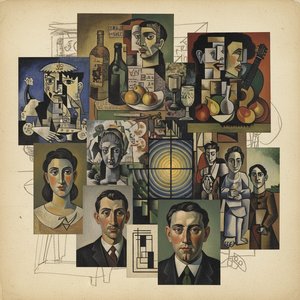
Cubism's Revolution: 10 Masterpieces That Redefined Modern Art | TopImpressionists
Explore 10 Cubist masterpieces by Picasso, Braque & more! Delve into the history of this revolutionary art movement. Find museum-quality reproductions and elevate your home decor with TopImpressionists. Discover all masterpieces on TopImpressionists.com
Raziščite umetniška dela, razvrščena po temah, slogih in značilnostih.


