

 Predogled v realnem okolju
 Pošlji
 Deli
Deli
 Podrobnosti o delu
 Priročnik

 Prenesi sliko
 Podobni izdelki
 Rentgenski posnetek
 Predvajaj diaporama
 Vprašanja in odgovori
 Statistika
INTERIEUR DE FORET (COMPIEGNE)


Discover 'Interieur de Foret (Compiegne)' by Paul Huet – a captivating Romantic landscape painting. Explore its atmospheric brushstrokes, forest scene & human element. #art #landscapepainting #frenchart
 Preberi več
Paul Huet (1803-1869) je bil francuski pejzažnik, znan po romantičnem slogu in vplivu na Barbizonsko šolo ter impresioniste. Odkrijte njegove evokativne akvarele in oljne slike.
Giclée tisk / Umetniški tisk
Giclée ali platnati odtis muzejske kakovosti z hitro proizvodnjo in prilagodljivimi možnostmi končne obdelave. ( Kupite ročno slikano delo Preklop na digitalno sliko)




P118B €10

P118H €10

P118W €10

P438Z €10

P508JH €12

P508YH €12

P805H €10

P805Z €10

P919BZ €10

P919G €10

P919XJ €10

P959ZH €10

P968JZ €12

W106C €8

W218G €10

W218JH €8

W218Y €10

W307PJ €10

W316G €10

W316PJ €8

W316Y €10

W398PJ €8

W4111J €10

W500HY €15

W500JH €15

W692G €12

W849H €8

W940BG €15

W953PJ €8




Standardna velikost
po meri
CM
INCH
Izberite eno od naših vnaprej določenih velikosti, ki ustrezajo prvotnim proporcijam umetničkega dela.
Loading sizes...

širina
višina
Vnesite širino in višino, ki jih potrebujete za svoj okvir ali steno. Tiskanje se lahko le odreže, vendar ga ni mogoče narediti večjega od slike, zato format z drugačno obliko pomeni izgubo dela slike. Pred tiskanjem vam pošljemo digitalni predogled za potrditev. Slika, prikazana na tej strani, ne prikazuje dejanskega izrezka — le predogled to omogoča.
Globalna dostava () v 2 tednih namesto standardnih 4/5 tednov. (3 november)

Brezplačna ekspresna dostava po vsem svetu

Visokokakovostno laneno platno

Popolno zavarovanje pošiljke

Garancija povračila carine in uvoznih davkov

Garancija popolnega barvnega ujemanja

100-dnevna politika vračil (le v primeru okvar)

Garancija 100% povračila denarja

Popust pri večjem naročilu
 Možnost stekla je na voljo le za velikosti pod 110 cm

INTERIEUR DE FORET (COMPIEGNE)
Giclée tisk / Umetniški tisk
Velikost reprodukcije
-


Skupna cena
€ 62
The Enveloping Mystery of the Woodland
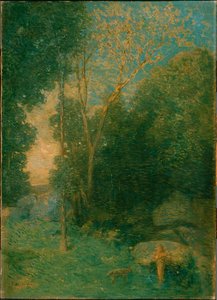
To stand before Paul Huet’s depiction of an interior forest—Intérieur de Forêt (Compiègne)—is not merely to observe a landscape; it is to step through a veil into a moment suspended between light and shadow. The painting immerses the viewer in the profound, almost palpable atmosphere of a dense woodland. Huet masterfully captures the overwhelming presence of nature, where the vertical thrust of countless tree trunks creates an architectural rhythm, guiding the eye deep into the cool embrace of the woods. This is a scene steeped in the Romantic sensibility, suggesting that the forest itself is a character, whispering secrets only to those who listen closely.
A Study in Light and Atmosphere
Technically, Huet’s handling of oil paint is breathtakingly evocative. One can almost feel the texture beneath the surface; the visible brushstrokes speak to an artist deeply engaged with his medium, prioritizing feeling over flawless polish. The light here is not direct but diffused—a celestial curtain filtering through a thick canopy overhead. This dappled illumination creates pockets of ethereal brightness on the forest floor and catches the edges of foliage, giving the scene a luminous quality despite its deep shadows. The palette relies heavily on earthy greens and rich browns, punctuated by those brilliant, almost accidental touches of yellow and white that suggest hope or revelation within the gloom.
Romantic Echoes and Human Presence
Historically, this work situates itself perfectly within the currents of 19th-century Romanticism. Huet, a pioneer whose vision bridged the gap between academic training and the burgeoning spirit of Impressionism, understood that nature was a mirror for the human soul. The inclusion of a small figure, subtly placed near the lower right corner, is crucial. This solitary presence acts as an anchor, providing scale and narrative focus against the immensity of the woods. It suggests contemplation—a moment where humanity pauses before the sublime power of the natural world, finding both solitude and companionship within its embrace.
Symbolism for the Modern Sanctuary
For the contemporary collector or designer, this piece transcends mere decoration; it functions as an emotional conduit. The forest setting symbolizes retreat, introspection, and the enduring connection to something wild and untamed. It speaks to a modern yearning for sanctuary—a place away from the clamor of urban life. Reproducing Intérieur de Forêt allows one to bring that sense of hushed tranquility into a formal interior space, transforming a room into a contemplative haven. The artwork doesn't shout its beauty; it whispers it, inviting quiet reflection upon its textured, deeply atmospheric surface.
Vprašanja in odgovori
Z kakšno tehniko je izdelano "INTERIEUR DE FORET (COMPIEGNE)"?
"INTERIEUR DE FORET (COMPIEGNE)" je izdelano z uporabo tehnike Oil On Canvas.
Kje lahko vidim originalno delo "INTERIEUR DE FORET (COMPIEGNE)" avtorja Paul Huet?
Del "INTERIEUR DE FORET (COMPIEGNE)" avtorja Paul Huet je razstavljen v muzeju Louvre, Pariz, Francija. Navedba muzeja se nanaša na originalno delo, ne pa na reprodukcije.
Ali je "INTERIEUR DE FORET (COMPIEGNE)" tipično za dela, ki jih je Paul Huet običajno ustvarjal?
"INTERIEUR DE FORET (COMPIEGNE)" prikazuje forest landscape, romantic art, natural scene, atmospheric view, tree silhouettes, human figure, tranquil nature, dark woods, medtem ko so v key work in huet's career, demonstrates romantic vision, influential on impressionists, romantic landscape tradition, french barbizon school style, emphasis on atmospheric mood, connection to nature's power, solitude and reflection zabeležene teme umetnika Paul Huet. Primerjava obeh razkriva, kako se to delo povezuje z običajnimi motivi umetnika.
Sorodna umetniška dela



Biografija umetnika
Paul Huet: Pionir romantične krajine
Paul Huet (1803–1869) predstavlja ključno, a pogosto podcenjeno obrazje francijske umetnosti 19. stoletja – krajinarski slikar, ki je globoko vplival tako na Barbizonsko šolo kot na prihajajoče impresioniste. Rod in odrastel v Parizu, v središču takratnega umetniškega vzema, je svojo pot oblikoval skozi neustrašno opazovanje, globoko povezanost z naravo in zavestno zavračanje prevladujočih neoklasicističnih trendov. Njegovo del ni bilo le prikazovanje prizorov; bila je poskus zajeti samo bistvo svetlobe, atmosfere in prehodne lepote naravnega sveta, kar je utrdilo njegovo mesto ključnega inovatorja v francijski slikarstvu.Zgodnji vplivi in umetniška izobrazba
Huetov umetniški razvoj se je začel z utrjenimi zámedniki v tradicionalnih tehnikah. Prvi pouk je prejel od Jeana-Juliena Deltila, nekdašnjega učenca Jacquesa-Louisa Davida, nato pa so sledile študije na École des Beaux-Arts pod vodstvom Pierre Guerina in Antoine-Jeana Grosa. Ključni trenutek v njegovi poti je bil srečanje z Richardom Parkesom Boningtonom, s compañonom študentom v Grosovem studiu. Ta srečanje se je izkazalo za preobrazbno. Boningtonov pristop k slikanju na prostem – delu neposredno v naravi – je očarral Hueta, zaradi česa je zapustil rigidno formalnost neoklasicizma in sprejel bolj spontanen ter opazovalni slog. Britanska krajinarska slika, prikazana na Salonu leta pred letom 1824, je delovala kot razkritje; sposobnost Johna Constableja, da je prikazal svežino in zelen temelj narave brez uporabe temnih senc ali umetnosti, je globoko odjeknila v Huetu in oblikovala njegovo lastno umetniško filozofijo. Slavno je opisal Constablejevo delo kot „morda prvič, ko je človek začutil svežino, ko je videl bujno, zeleno naravo, brez črnih tonov, grobosti ali manierizma.“Barbizonski slog in nizki mojstri
Huetov slog se je razvijal skozi fascinantno sintezo vplivov. Sprva je posnemal Boningtonovo tehniko akvarela, vendar so njegove umetniške občutljivosti segale daleč dlje od same imitacije. Navdih je črpal iz atmosferičnih krajin nizkih mojstrov, kot sta Jacob van Ruysdael in Meindert Hobbema, še posebej iz njihove vrhunske uporabe svetlobe in barv za prenosenje vzdušja in razpoloženja. To občudovanje starih mojstrov je oblikovalo njegov lastni pristop, kar je privedlo do slik, ki so imele tiho dostojnost in izjemno občutek realizma – ne fotografičnega, temveže globoko čutnega. Njegovo del v tem obdobju je zaznamalo zavračanje akademskih konvencij, s poudarkom na svobodnih potezah črteč, živahnih barvah in zajemanju takojšnjega vtiska narave.Spoznavanje na Salonu in politična vključenost
Huetova umetniška kariera je dobila moč z njegovo predstavitvijo na Salonu leta 1827, kjer je bila sprejeta ena od njegovih osmih predloženih slik. Skozi leta 30. in 40. je redno izlagal na Salonu in s tem vztrajno gradil ugled med kritiki in zbiratelji. Eugène Delacroix, so umetnik in tesen prijatelj, je zagovarjal Huetovo delo, saj je prepoznal njegove edinstvene kvalitete. Vendar pa je Étienne-Jean Delécluze ponudil bolj kritično perspektivo, saj je videl v Huetu nekoga, ki je bil preveč predan Constableju in Turnerju, ob čemer je včasih zanemarjal temeljite načrte kompozicije. Poleg svojih umetniških prizadevanj je bil Huet tudi aktiven udeležence julijske revolucije leta 1830 in kasneje vključen v republikanski politika, kar odraža turbulentno družbeno in politično klimo takratne Francije. Njegova predanost tem idealom mu je prinesla priznanje kralja Ludvika Filipa, ki mu je leta 1844 podelil par porcelanskih vaz iz Sèvres, ter zlato medaljo na Salonu leta 1848.Dediščina in umetniški pomen
Vpliv Paula Hueta na francijsko krajinarsko slikarstvo je neizmeren. Njegova inovativna uporaba akvarela – ne le za skice, temveč kot primarno sredstvo za dokončana dela – je pokazala potencial za doseganje izjemne globine in bogastva, ki pogosto prideni na raven oljne slike. Bil je eden izmed prvih zagovornikov slikanja na prostem, kjer je prednostno dajal neposredno opazovanje narave pred delom v studiu. Še pomembneje pa je to, da je Huetov poudarek na zajemanju prehodnih učinkov svetlobe in atmosfere globoko vplival na Barbizonsko šolo in kasneje na impresioniste. Umetniki, kot sta Théodore Rousseau in Jean-François Millet, ki so želeli slikati neposredno iz narave s poudarkom na podeželskem življenju in krajinah, so dolžni svojo pot Huetovem pionirskemu pristopu. Njegovo del stoji kot spomenik moči opazovanja, lepoti preprostosti in trajne privlačnosti zajemanja bistva naravnega sveta. Umrl je v Parizu leta 1869, za pustil pa je obsežno delo, ki še danes očarava gledalce s svojim evokativnim vzdušjem in globoko povezanostjo z naravo.
Paul Huet
1803 - 1869 , Francija
Hitri podatki
- Artistic Movement Or Style: Romantični pejzaž
- Artists Or Movements Influenced By This Artist:
- Barbizonka šola
- Impresionisti
- Artists Who Influenced This Artist:
- Rembrandt
- John Constable
- Eugène Delacroix
- Date Of Birth: 1803-10-03
- Date Of Death: 1869-01-08
- Full Name: Paul Huet
- Nationality: Francoz
- Notable Artworks:
- Villa blizu Rima
- Effet du Soir
- Sous bois avec un étang
- Place Of Birth: Pariz, Francija
Sorodni članki

Capturing the Soul: The Emotional Magic and Sublime Grandeur of Romantic Landscape Painting
Explore the profound emotional depth of Romantic landscape painting. Discover how masters like Friedrich and Turner captured the sublime through light, shadow, and nature's power in this expert art history retrospective for discerning collectors.
Capturing the Soul: The Emotional Majesty and Sublime Power of Romantic Landscape Painting
Explore the profound emotional depth of Romantic landscape painting. Discover how masters like Turner and Friedrich captured the sublime power of nature through intuition and imagination in this expert art history retrospective.