


 Preverite v realnem okolju
 Pošlji kot čestitko
 Deli
Deli
 Podrobnosti
 Priročnik

 Prenesi
 Podobni artefakti
 Rentgenski posnetek
 Predvajaj diaporama
 Statistika
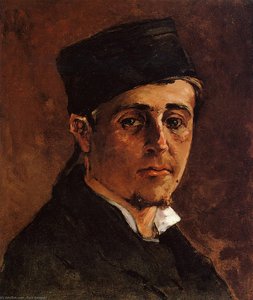
Self Portrait
 Acrylic On Canvas
- WallArt
- British Impressionism
 1920
1920 74.0 x 59.0 cm
 Fitzwilliam College
Philip Wilson Steer's "The President Woodrow Wilson House" captures a contemplative man in a suit, showcasing his signature Impressionistic style and masterful use of light & shadow. Explore this evocative portrait.
 Preberi več
Odkrijte Philipa Wilsona Steerja (1860-1942), pomembnega britanskega impresionista, znanega po svetlobnih krajinah in morskih prizorih. Navdihnjen z Manetom in Whistlerjem, dela hranijo Tate in Uffizi.
Ročno izdelana oljna reprodukcija
Ročno slikano olje na platnu v vaši izbiri velikosti in okvirja, izdelano po naročilu naših umetnikov. ( Preklop na tiskanine Preklop na digitalno sliko)




P118B €10

P118H €10

P118W €10

P438Z €10

P508JH €12

P508YH €12

P805H €10

P805Z €10

P919BZ €10

P919G €10

P919XJ €10

P959ZH €10

P968JZ €12

W106C €8

W218G €10

W218JH €8

W218Y €10

W307PJ €10

W316G €10

W316PJ €8

W316Y €10

W398PJ €8

W4111J €10

W500HY €15

W500JH €15

W692G €12

W849H €8

W940BG €15

W953PJ €8




Standardna velikost
po meri
CM
INCH
Izberite eno od naših vnaprej določenih velikosti, ki ustrezajo prvotnim proporcijam umetničkega dela.
Loading sizes...

širina
višina
Svoje dimenzije lahko vnesete tako, da se prilagodite določenemu okvirju ali prostoru. Če izbrana velikost ne ustreza razmerjem originalne slike, bomo umetniško delo obrezali ali sliko dopolnili z dodatnimi ročno naslikanimi elementi. Pred začetkom proizvodnje vam bo poslan digitalni osnutek v odobritev.
Upoštevajte, da predogled na zaslonu ne odraža dejanskega obrezovanja ali podaljšanja. Le osnutek bo natančno prikazal končno kompozicijo.
Čeprav so na voljo velikosti po meri, priporočamo izbiro dimenzije s preddefiniranega seznama, da ohranimo originalne razmere.
Primeri možnih sprememb: Zamenjava obraza s fotografijo stranke; Dodajanje hišnega ljubljenčka (npr. zamenjava mačke s psom); Vključitev skritega sporočila v ozadje; Sprememba pokrajine ali elementov v ozadju.
Po oddaji naročila bo ekipa TopImpressionists.com stranki po e-pošti poslala navodila in predogled digitalnega predogleda.
Po oddaji naročila bo ekipa TopImpressionists.com stranki po e-pošti poslala navodila in predogled digitalnega predogleda.
Mednarodna dostava () v 3/4 tednih namesto običajnih 5 tednov. (7 oktober). Brez kompromisov pri kakovosti.

Brezplačna ekspresna dostava po vsem svetu

Visokokakovostno laneno platno

Popolno zavarovanje pošiljke

Garancija povračila carine in uvoznih davkov

Garancija popolnega barvnega ujemanja

Politika vračila v 100 dneh (le v primeru okvar)

Garancija 100% povračila denarja

Popust pri večjem naročilu
 Možnost stekla je na voljo le za velikosti pod 110 cm

Self Portrait
Tehnika reprodukcije
Velikost reprodukcije
-


Skupna cena
€ 231
A Portrait of Quiet Intensity: Philip Wilson Steer’s “The President Woodrow Wilson House”
Philip Wilson Steer's "The President Woodrow Wilson House," painted in 1920, isn’t merely a depiction of a building; it’s a carefully constructed tableau brimming with subtle symbolism and imbued with the melancholic beauty characteristic of the artist. This oil-on-canvas work, measuring 74 x 59 cm, transports us to a moment suspended between formality and introspection – a visual poem reflecting on leadership, memory, and the quiet dignity of American history. Steer, a pivotal figure in British Impressionism, masterfully employs a muted palette dominated by greys, blues, and browns, creating an atmosphere of subdued light and contemplative stillness. The composition itself is deliberately restrained, focusing intently on the imposing façade of the Wilson House in Washington D.C., rendered with a remarkable sensitivity to texture and light.
The Impressionist’s Lens: Technique and Style
Steer's approach aligns closely with the tenets of Impressionism, yet he transcends simple replication. He doesn’t strive for photographic accuracy but rather captures an *impression* – a fleeting moment imbued with feeling. Notice how he utilizes broken brushstrokes to suggest the play of light on the stone walls and the subtle shifts in shadow. The artist's layering technique is particularly evident in the rendering of the building’s surface, where individual strokes coalesce to create a sense of depth and volume. Steer was deeply influenced by John Constable and J.M.W. Turner, artists known for their atmospheric landscapes and masterful use of light and color. This influence is palpable in Steer's ability to evoke a specific mood through his manipulation of tone and texture – a feeling of quiet contemplation and perhaps even a touch of wistful nostalgia.
Symbolism Within the Frame: Leadership and Reflection
The choice of subject matter—the Wilson House—is rich in symbolic potential. Woodrow Wilson, the 28th President of the United States, was a complex figure – lauded for his leadership during World War I but also criticized for his handling of racial issues at home. Steer’s painting doesn't offer a straightforward portrait of Wilson himself, instead focusing on the building that housed him and, by extension, representing the weight of responsibility and the enduring legacy of power. The muted colors and the solitary nature of the scene suggest a reflection on leadership itself – its burdens, its triumphs, and its inevitable passage of time. The composition’s stillness invites viewers to contemplate the unseen narratives contained within those walls.
A Legacy of Light: Steer's Influence and Artistic Context
Philip Wilson Steer was a significant figure in British art, bridging the gap between Impressionism and a more traditional English style. His work gained recognition during his time as a painting tutor at the Slade School of Fine Art, where he profoundly influenced generations of young artists. His exploration of coastal scenes, particularly those along the Suffolk coast, cemented his reputation for capturing the ethereal beauty of the British landscape. “The President Woodrow Wilson House” stands as a testament to Steer’s ability to imbue seemingly simple subjects with profound emotional resonance. It's a poignant reminder that even in grand architectural settings, moments of quiet contemplation and subtle symbolism can hold immense artistic value. Reproductions of this piece offer a captivating glimpse into the artist’s world and invite viewers to engage with the complexities of American history through the lens of Impressionist artistry.
Vprašanja in odgovori
V katero obdobje kariere Philip Wilson Steer pripada delo "Self Portrait" (1920)?
Datum 1920 situira "Self Portrait" v Late Period razvoja umetnika Philip Wilson Steer.
Koliko je bil star/a Philip Wilson Steer, ko je ustvaril/a "Self Portrait"?
Ko je bilo delo "Self Portrait" ustvarjeno leta 1920, je bil Philip Wilson Steer – rojen leta 1860 – star 60 let.
Katero tehniko in slog značilni "Self Portrait" avtorja Philip Wilson Steer?
"Self Portrait" je izdelano z uporabo Acrylic On Canvas v slogu British Impressionism.
Kakšno vzdušje izraža "Self Portrait" avtorja Philip Wilson Steer znotraj sloga British Impressionism?
Reflective čustvo dela "Self Portrait" spremlja njegov British Impressionism slog.
V letu katerega je bilo ustvarjeno delo "Self Portrait" avtorja Philip Wilson Steer?
"Self Portrait" avtorja Philip Wilson Steer je nastalo leta 1920.
Kdaj je "Self Portrait" pripisano kateremu umetniku?
Avtor dela "Self Portrait" je Philip Wilson Steer. Del je katalogiran pod imenom Philip Wilson Steer.
Kateri umetniški smer je "Self Portrait" avtorja Philip Wilson Steer?
"Self Portrait" je del British Impressionism. Ta smer gibanja označuje umetniško tradicijo, v katero je delo vključeno.
Sorodna umetniška dela


Biografija umetnika
Zgodnje življenje in umetniški temelji
Philip Wilson Steer, rojen leta 1860 v Birkenheadu, je izhajal iz družine globoko ukoreninjene v umetnost—njegov oče je bil portretist in predan učitelj slikanja. Ta zgodnji stik se je izkazal za ključnega pomena, negoval pa je občutljivost, ki bo definirala njegovo življenjsko pot. Selitev v Whitchurch blizu Monmoutha, ko je bil star komaj tri leta, mu je vlila ljubezen do britanske podeželije, ki se bo odražala skozi celotno njegovo delo. Formalno izobraževanje se je začelo na Hereford Cathedral School, kjer je pridobil osnovne temelje, preden se je v polni meri posvetil svojim umetniškim ambicijam. Steerjeva izobrazba se je nadaljevala na Gloucester School of Art in South Kensington Drawing Schools, a je bilo njegovo bivanje v Parizu med letoma 1880 in 1884 resnično prelomno. Študij na Académie Julianu in kasneje pod Alexandre Cabanelom na École des Beaux Arts ga je popeljal v svet, poln novih idej in pristopov k slikanju.Sprejem impresionizma in značilen slog
Pariz je postal žarišče Steerjeve umetniške rasti. Globoko ga je pretreslo delo Édouarda Maneta in Jamesa McNeilla Whistlerja, iz katerih je absorbiral inovativne tehnike ujemanja svetlobe, barve in atmosfere. Ta stik je v njem sprožil strast do impresionizma, vendar ga nikoli ni slepo posnemal. Steer je spretno prepletel te francoske vplive s svojimi inherentnimi angleškimi občutljivostmi in ustvaril slog, edinstven za sebe. Njegova dela so značilna po izjemni sposobnosti ujemanja minljivih trenutkov—igre sončne svetlobe na vodi, efemernosti obalnega zraka. Uporabil je proste poteze čopiča in živahne barve ne le za upodabljanje prizorov, temveč tudi za izklic emocij in ustvarjanje vznemirjujočega občutka neposrednosti. Pogoste teme v njegovem delu so prizori s plaže in morske krajine, pogosto prežete srebrno prosojno svetlobo, kar dokazuje mojstvo upodabljanja svežine in svetlobe teh okolij. Dela kot The Music Room, zgodaj v njegovi karieri, prikazujejo njegov naraščajoči talent pri kompoziciji in svetlobi, dela pa, kot je Girls Running: Walberswick Pier, izbruhnejo z energijo in živahnostjo obalnega mesta Suffolk.Prvak moderne umetnosti in vpliv Etaplesa
Steer se ni zadovoljil samo s slikanjem; aktivno je oblikoval umetniški prostor Velike Britanije. Igrial je ključno vlogo pri ustanovitvi New English Art Cluba, organizacije, namenjene promoviranju moderne umetniške ekspresije—drzen korak v času, ko so tradicionalni okusi še vedno prevladovali. S to platformo in rednimi razstavami na Royal Academy, vključno z udeležbo na prelomni londonski impresionistični razstavi leta 1889, je pomagal uvajati nove ideje in izzivati konvencionalne norme. Čas, ki ga je preživel v umetniški koloniji Etaples leta 1887, je dodatno oplemenil njegovo umetniško vizijo. Ta živahna skupnost umetnikov mu je zagotovila spodbudno okolje za eksperimentiranje in sodelovanje ter utrdilo njegovo sposobnost ujemanja svetlobe in atmosfere z vedno večjo natančnostjo in spretnostjo. Steer se je navdihoval iz različnih mojstrov—Johna Constablea, J.M.W. Turnerja in celo Françoisa Bouchera—vendar je te vplive vedno filtriral skozi lastno edinstveno perspektivo.Zapuščina, priznanje in trajni vpliv
Philip Wilson Steer je ustvarjal plodovito vse do zdravstvenih težav, ki so ga leta 1940 prisilile k prekinitvi dela, umrl pa je dve leti kasneje pri starosti 81 let. Njegovi dosežki so bili priznani že za njegovega življenja, kar se je odrazilo v Order of Merit. Danes so njegova dela hranjena v prestižnih zbirkah po vsem svetu, vključno z Tate Gallery in celo Uffizi Gallery—potrditev njegove mednarodne slave. Poleg samih slik pa Steerjeva zapuščina poteka skozi njegovo dolgo službo kot učitelja slikanja na Slade School of Art. Dolga leta je globoko vplival na generacije mladih umetnikov in jih poučeval ne le tehničnih spretnosti, temveč tudi globoko spoštovanje do opazovanja in umetniške integritete. Njegov prispevek k razvoju in sprejemanju impresionizma v Veliki Britaniji je nesporno potrdil njegov položaj kot pomembne figure v britanski umetnosti—slikarja, ki je uspešno premostil vrzel med tradicijo in modernostjo ter pustil trajen pečat na pokrajini britanske umetnosti. Dela, kot so Convalescent z bogato teksturo in izraznim pogledom, in The Teme at Ludlow s poudarkom na mirni lepoti in mojstrskem čopiču, še danes očarajo občinstvo in dokazujejo brezčasno kakovost njegove umetniške vizije.
Philip Wilson Steer
1860 - 1942 , Združeno kraljestvo
Ključne informacije
- Datum Rojstva: 1860
- Datum Smrti: 1942
- Državljanstvo: Britanski
- Kraj Rojstva: Birkenhead, Združeno kraljestvo
- Polno Ime: Philip Wilson Steer
- Pomembna Dela:
- The Music Room
- Girls Running
- Convalescent
- Umetniki Vplivani: ['Britanski impresionizem']
- Umetniški Smer: Impresionizem
- Vplivi Umetnikov:
- Manet
- Whistler
- Constable
Sorodni članki

Beyond the Light: Discovering the Soul and Emotional Depth of Post-Impressionism
Embark on a cultural journey through Post-Impressionism. Discover the profound emotional depth of masters like Van Gogh and Cézanne, exploring how they moved beyond light to capture the very soul of human experience through vibrant color and symbolic form.

Capturing the Light: A Journey Through the Ethereal Magic of Impressionism and Post-Impressionism
Embark on a cultural journey through the luminous world of Impressionism. Discover the profound beauty of Monet, Van Gogh, and Cézanne through expert art history insights and explore how to bring these timeless masterpieces into your home with museum-quality hand-painted reproductions.
Raziščite umetniška dela, razvrščena po temah, slogih in značilnostih.
