


 Preverite v realnem okolju
 Pošlji kot čestitko
 Deli
Deli
 Podrobnosti
 Priročnik

 Prenesi
 Podobni artefakti
 Rentgenski posnetek
 Predvajaj diaporama
 Statistika
Suzanne Valadon


Explore Pierre-Auguste Renoir's captivating Suzanne Valadon portrait (1885), capturing elegance and intimacy with loose brushstrokes and vibrant colors—a masterpiece of Impressionist style.
 Preberi več
Odkrijte Pierre-Auguste Renoirja (1841–1919), mojstra impresionizma! Raziščite njegove svetle slike pariškega življenja, portrete in čutne upodobitve ženske lepote – ikonične umetnine, ki praznujejo življenje.
Giclée tisk / Umetniški tisk
Giclée ali platnati odtis muzejske kakovosti z hitro proizvodnjo in prilagodljivimi možnostmi končne obdelave. ( Naročite ročno slikano reprodukcijo Preklop na digitalno sliko)




P118B €10

P118H €10

P118W €10

P438Z €10

P508JH €12

P508YH €12

P805H €10

P805Z €10

P919BZ €10

P919G €10

P919XJ €10

P959ZH €10

P968JZ €12

W106C €8

W218G €10

W218JH €8

W218Y €10

W307PJ €10

W316G €10

W316PJ €8

W316Y €10

W398PJ €8

W4111J €10

W500HY €15

W500JH €15

W692G €12

W849H €8

W940BG €15

W953PJ €8




Standardna velikost
po meri
CM
INCH
Izberite eno od naših vnaprej določenih velikosti, ki ustrezajo prvotnim proporcijam umetničkega dela.
Loading sizes...

širina
višina
Vnesite širino in višino, ki jih potrebujete za svoj okvir ali steno. Tiskanje se lahko le odreže, vendar ga ni mogoče narediti večjega od slike, zato format z drugačno obliko pomeni izgubo dela slike. Pred tiskanjem vam pošljemo digitalni predogled za potrditev. Slika, prikazana na tej strani, ne prikazuje dejanskega izrezkov — le predogled to omogoča.
Globalna dostava () v 2 tednih namesto standardnih 4/5 tednov. (22 oktober)

Brezplačna ekspresna dostava po vsem svetu

Visokokakovostno laneno platno

Popolno zavarovanje pošiljke

Garancija povračila carine in uvoznih davkov

Garancija popolnega barvnega ujemanja

Politika vračila v 100 dneh (le v primeru okvar)

Garancija 100% povračila denarja

Popust pri večjem naročilu
 Možnost stekla je na voljo le za velikosti pod 110 cm

Suzanne Valadon
Giclée tisk / Umetniški tisk
Velikost reprodukcije
-


Skupna cena
€ 60
Suzanne Valadon: A Pioneer of Female Portraiture
Pierre-Auguste Renoir’s “Suzanne Valadon” stands as a cornerstone of Impressionist art, capturing not merely a likeness but an essence—a woman imbued with quiet dignity and radiating inner strength. Painted in 1885 during Renoir's prolific period, this canvas exemplifies his masterful command of light and color, transforming a simple portrait into a luminous meditation on femininity and artistic observation.
The Impressionist Technique: Capturing Fleeting Moments
Renoir’s approach to painting—characteristic of the Impressionist movement—prioritized capturing the ephemeral effects of light and atmosphere. Unlike academic painters who meticulously rendered detail, Renoir employed loose brushstrokes and vibrant hues to convey a sense of immediacy and vitality. As seen in numerous other works by Renoir, including “La Parisienne,” this technique seeks to evoke emotion rather than precise representation. The painting’s surface is alive with shimmering pigments—primarily yellows and oranges—that dance across the canvas, mirroring the dappled sunlight filtering through the trees behind Valadon.
Suzanne Valadon: Model and Artist Herself
Suzanne Valadon (1865-1938) was a remarkable figure in the art world. Initially recognized for her modeling work—she posed for artists like Toulouse-Lautrec, Renoir, Degas, and Puvis de Chavannes—Valadon swiftly transitioned into an accomplished painter herself. Her bold depictions of nude women challenged conventional artistic norms and offered a fresh perspective on female subjectivity. Valadon’s self-portraits reveal her unwavering commitment to portraying herself authentically, reflecting her own inner life and intellectual curiosity.
Symbolism Within the Frame: Elegance and Observation
The painting's composition contributes significantly to its emotional impact. Valadon is depicted in a relaxed posture, gazing directly at the viewer with an expression of serene contemplation. Her dark hair is styled elegantly, emphasizing her beauty and conveying a sense of quiet confidence. The black dress—a deliberate choice—adds to the painting’s understated sophistication. Renoir's careful attention to detail—particularly the subtle shading around Valadon’s face—suggests a profound understanding of human psychology. Beyond mere visual representation, “Suzanne Valadon” embodies the Impressionist ideal of capturing not just what is seen but also how it feels.
Connections to Other Masterpieces
“Suzanne Valadon” resonates with other celebrated Impressionist paintings like Toulouse-Lautrec’s “La Parisienne,” demonstrating Renoir's influence on his contemporaries. Furthermore, the painting shares stylistic similarities with works housed in museums such as the Wolfgang-Gurlitt-Museum in Linz, Austria—institutions dedicated to preserving and showcasing exceptional examples of European art history. Exploring these connections enriches our appreciation for Valadon’s artistic legacy and Renoir's enduring contribution to Impressionist aesthetics.
Vprašanja in odgovori
Kakšno vzdušje prinaša "Suzanne Valadon" avtorja Renoir v prostor?
Elegant vzdušje dela "Suzanne Valadon" avtorja Renoir se ujema z priporočenim prostorom: Living Room.
Kateri prostor se ujema z barvami dela "Suzanne Valadon" avtorja Renoir?
Z考慮 na njegove Dark barve je za Living Room priporočljivo delo "Suzanne Valadon".
Ali je "Suzanne Valadon" avtorja Renoir v javni lastini?
"Suzanne Valadon" avtorja Renoir je v v javni domeni – njegova avtorska pravica je zastarela. Ta status določa način, kako se lahko reproducira slika dela.
Sorodna umetniška dela
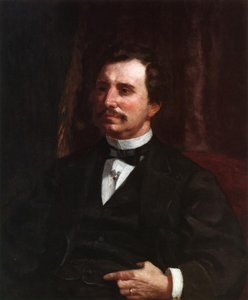


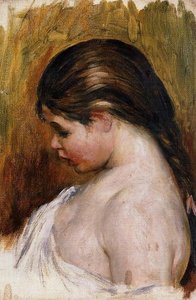


Biografija umetnika
Življenje obarvano s svetlobo: Svet Pierre-Auguste Renoirja
Pierre-Auguste Renoir, rojen leta 1841 v skromnem Limogesu na jugu Francije, je začel svojo pot od mladeniča, ki je barval porcelan, do slavnega mojstra impresionizma. Njegova zgodnja izkušnja selitve z družino v živahno Pariz, kjer so iskali boljšo usodo, je globoko zaznamovala njegovo umetniško občutljivost. Mestu, s svojimi ulicami polnimi življenja in raznolikimi obrazi, je postalo navdih za številna njegova dela. Sprva zaposlen z barvanjem porcelana – praktična potreba zaradi finančnih omejitev – se je mladi Renoir pogosto zatekel v Louvrov muzej, kjer je natančno proučeval mojstre preteklosti in razvijal občudovanje za lepoto, ki je postala vodilni znak njegovega sloga. Ta zgodnja izpostavljenost je v njem prižgala strast, ki je preseganjala puko obrt; bil je poklic, da uje svetlobo in življenje na platno. Kasneje se je vpisal v Charlesove Gleyrejevo delavnico, kjer je navezal prijateljstva za vse življenje z ambicioznimi umetniki Claude Monet, Alfred Sisley in Frédéric Bazille – prelomni trenutek, ki je položil temelj impresionističnemu gibanju.Od realizma do sijajnih vtisov
Renoirjeva umetniška pot je bila fascinantna evolucija, pod vplivom številnih mojstrov. Sprva se je nagibal k realizmu Gustava Courbeta in Édouarda Maneta, občudoval pa je njihovo zavezanost prikazovanju sodobnega življenja s poštenostjo in neposrednostjo. Vendar so ga predvsem očarale svetle palete barv in senzualne oblike Petra Paula Rubensa in Jean-Antoinea Watteaua, ki so v njegovem delu vzbudile globoko cenjenje lepote in nagnjenost k prikazovanju prizorov veselja in počitka. Te zgodnje vplive so se združile, ko je Renoir začel ustvarjati svoj edinstven slog, zaznamovan z živahnimi barvami, razbitimi potezami čopiča in poudarkom na ujetju minljivih učinkov svetlobe. Njegova udeležba na prvem impresionističnemu izstopu leta 1874 je bila prelomni trenutek, čeprav sprva srečana s kritikami tradicionalnih umetnostnih krogov. Ta pogumna poteza je signalizirala zavrnitev akademskih konvencij in sprejetje novega umetniškega videnja – ki je poskušalo ujeti ne le to, kar vidi oko, temveč tudi to, kako se določeno trenutek zazna. Slike kot Ples na Moulin de la Galette (1876) utelešajo ta pristop in potapljajo gledalce v živahno vzdušje pariškega nočnega življenja s posutimi sončnimi žarki in veselimi figurami.Ujetje minljivih trenutkov življenja: Ključna dela in teme
Renoirjev opus je praznik preprostih užitkov v življenju – intimnih srečanj, sončno okopane pokrajine in sijajne lepote človeške oblike. Kosilo na čolnu (1880-81) velja morda za eno njegovih najbolj ikoničnih del, ki prikazuje družabno skupino, ki uživa v sproščenem popoldnevu na Seni. Slikanje je mojstrovina pri zajemanju svetlobe in gibanja, figure so obarvane s toplimi sončnimi žarki, odsevi pa se bleščijo na vodi. Kopel (1885-87) prikazuje Renoirjevo izjemno spretnost v prikazovanju samega človeka, poudarja nežne barve kože in graciozne poze. Njegova dela niso le reprezentacije resničnosti; so prežeta s toplino, intimnostjo in veseljem, ki globoko odzvanjajo pri gledalcih. Ni bil zainteresiran za veličastne zgodovinske pripovedi ali dramatične alegorije; namesto tega se je osredotočil na ujetje lepote, ki je vgrajena v vsakdanje življenje in običajne trenutke povisi v umetnost. Ples v Bougivalu, še eno slavno delo, kaže njegovo sposobnost zajemanja minljivih vtisov in atmosferskih učinkov ter ustvarjanje občutka gibanja in spontanosti.Premik proti obliki in strukturi: Poznejša leta in zapuščina
V 1890-ih je Renoirjev slog doživel pomembno spremembo. Čeprav nikoli ni popolnoma opustil svojih impresionističnih korenin, se je začel premikati proti bolj skulpturalnemu in klasičnemu pristopu, pod vplivom potovanj v Italijo in obnove zanimanja za obliko in strukturo. Ta sprememba je bila delno posledica tudi fizičnih omejitev – artritis mu je postopoma omejeval mobilnost in ga prisiljevala, da prilagodi svojo tehniko. Kljub tem izzivom je Renoir še naprej slikal z neusahljivim posvečenjem in ustvarjal dela, ki so se odlikovala po polnejših figurah in toplejši paleti barv. Njegova kasnejša slika pogosto odraža bolj kontemplativno razpoloženje, vendar ohranja isto osnovno praznovanje lepote, ki je zaznamovalo njegovo zgodnje delo. Poleg umetniških dosežkov se Renoirjeva zapuščina nadaljuje skozi njegovo družino; njegov sin, Jean Renoir, je postal priznan filmski režiser in s tem ohranil ustvarjalnega duha med generacijami. Pierre-Auguste Renoir je umrl leta 1919 in za seboj pustil trajno zbirko del, ki še danes navdihujejo in razveseljujejo občinstvo po vsem svetu. Ostaja ena najbolj priljubljenih osebnosti v zgodovini umetnosti, proslavljena zaradi svoje sposobnosti ujeti veselje življenja in lepoto človeške izkušnje z neprimerljivo občutljivostjo in milino.Trajna vplivnost
- Renoirjev vpliv na prihodnje generacije umetnikov je nesporna. Njegov poudarek na svetlobi, barvi in ujetju minljivih trenutkov je utiral pot številnim sodobnim umetniškim gibanjem.
- Njegovo praznovanje lepote in senzualnosti še danes odzvanja pri občinstvu, zaradi česar so njegova dela univerzalno privlačna.
- Je igral ključno vlogo pri uveljavitvi impresionizma kot pomembne sile v zgodovini umetnosti, izpodbijanju tradicionalnih konvencij in odpiranju novih možnosti za umetniško izražanje.
- Trajna priljubljenost njegovih slik – reprodukcij na neshlačah posterjev, koledarjev in drugih izdelkov – priča o brezčasovnem značaju njegovega dela.

Renoir
1841 - 1919 , Francija
Ključne informacije
- Datum Rojstva: 25. februar 1841
- Datum Smrti: 3. december 1919
- Kraj Rojstva: Limoges, Francija
- Nacionalnost: Francoska
- Polno Ime: Pierre-Auguste Renoir
- Umetniki, Ki So Ga Vplivali:
- Rubens
- Watteau
- Courbet
- Manet
- Umetniki/Stilovi, Ki So Bili Pod Njegovim Vplivom: ['Impresionizem']
- Umetniški Slog: Impresionizem
- Znani Dela:
- Ples v Moulin de la Galette
- Kosilo veslačev
- Po kopeli
- Ples v Bougivalu
Sorodni članki

A Journey Through Time: From the Dark Ages to Contemporary Masterpieces
Embark on a visual journey through art history. Explore the luminous evolution from Impressionism to Post-Impressionism, celebrating the masters of light and form like Monet, Renoir, and Cézanne in this curated cultural retrospective.
Raziščite umetniška dela, razvrščena po temah, slogih in značilnostih.


