


 Preverite v realnem okolju
 Pošlji kot čestitko
 Deli
Deli
 Podrobnosti
 Priročnik

 Prenesi
 Podobni artefakti
 Rentgenski posnetek
 Predvajaj diaporama
 Statistika
Self Portrait
 Oil On Canvas
- WallArt
- Post-Impressionism
 1899
1899- 19th Century
 33.0 x 41.0 cm
A striking post-impressionist self portrait by Raoul Dufy captures a serious man in a red bow tie with vibrant oil textures, offering a unique opportunity to bring this piece of French art history into your collection.
 Preberi več
Raoul Dufy (1877-1953), francoski slikar fauvizma, znan po živahnih barvah in dekorativnem slogu. Uživajte v njegovih prizorih prostega časa, pokrajine in sodobnega življenja! #RaoulDufy #Fauvizem
Giclée tisk / Umetniški tisk
Giclée ali platnati odtis muzejske kakovosti z hitro proizvodnjo in prilagodljivimi možnostmi končne obdelave. ( Naročite ročno slikano reprodukcijo Preklop na digitalno sliko)




P118B €10

P118H €10

P118W €10

P438Z €10

P508JH €12

P508YH €12

P805H €10

P805Z €10

P919BZ €10

P919G €10

P919XJ €10

P959ZH €10

P968JZ €12

W106C €8

W218G €10

W218JH €8

W218Y €10

W307PJ €10

W316G €10

W316PJ €8

W316Y €10

W398PJ €8

W4111J €10

W500HY €15

W500JH €15

W692G €12

W849H €8

W940BG €15

W953PJ €8




Standardna velikost
po meri
CM
INCH
Izberite eno od naših vnaprej določenih velikosti, ki ustrezajo prvotnim proporcijam umetničkega dela.
Loading sizes...

širina
višina
Vnesite širino in višino, ki jih potrebujete za svoj okvir ali steno. Tiskanje se lahko le odreže, vendar ga ni mogoče narediti večjega od slike, zato format z drugačno obliko pomeni izgubo dela slike. Pred tiskanjem vam pošljemo digitalni predogled za potrditev. Slika, prikazana na tej strani, ne prikazuje dejanskega izrezkov — le predogled to omogoča.
Globalna dostava () v 2 tednih namesto standardnih 4/5 tednov. (24 oktober)

Brezplačna ekspresna dostava po vsem svetu

Visokokakovostno laneno platno

Popolno zavarovanje pošiljke

Garancija povračila carine in uvoznih davkov

Garancija popolnega barvnega ujemanja

Politika vračila v 100 dneh (le v primeru okvar)

Garancija 100% povračila denarja

Popust pri večjem naročilu
 Možnost stekla je na voljo le za velikosti pod 110 cm

Self Portrait
Giclée tisk / Umetniški tisk
Velikost reprodukcije
-


Skupna cena
€ 61
A Moment Captured in Time: The Introspection of Raoul Dufy
In the quiet, contemplative moments before his brush became a conduit for the exuberant colors of Fauvism, Raoul Dufy captured a profound sense of self through his Self Portrait. Painted in 1899, this work serves as a poignant window into the artist's early psyche, long before he became the master of light and joyful French landscapes. The portrait presents a man poised in a moment of deep thought, his gaze averted from the viewer as if lost in an internal dialogue or observing something unseen beyond the frame. Clad in a formal suit jacket and a striking red bow tie, the subject possesses a certain gravity, a seriousness that hints at the burgeoning talent and the intense dedication required to navigate the competitive art world of late 19th-century France.
The technique employed in this oil on canvas reflects the rich, tactile traditions of the era. Even in this early stage of his career, one can sense the influence of the Impressionist masters, with a deliberate use of texture to create depth and presence. The way the light catches the fabric of his attire and the subtle shadows contouring his face suggests a mastery of form that would later evolve into his signature decorative style. There is a weight to the colors here—a richness that anchors the subject within the composition, providing a sense of permanence and dignity that makes the piece feel both intimate and monumental.
The Prelude to Vibrancy: Style and Historical Context
To look upon this 1899 masterpiece is to witness the genesis of a legend. At the time of this painting, Dufy was still deeply immersed in the academic foundations of Le Havre and the burgeoning influences of Montmartre. While his later works would dance with the wild, uninhibited hues of Fauvism, this self-portrait retains a more somber, post-impressionist restraint. It is a study in character rather than a celebration of spectacle. The artist uses a palette that, while grounded, prepares the eye for the chromatic revolutions to come, using contrast and tonal shifts to direct the viewer's emotion toward the subject's contemplative state.
For collectors and interior designers, this piece offers a unique opportunity to possess a foundational moment in art history. It provides a sophisticated anchor for a room, offering a sense of intellectual depth and historical weight. Unlike more boisterous works, this portrait invites quiet observation, making it an ideal centerpiece for a study, a library, or a formal sitting area where conversation and reflection are encouraged. The subtle tension between the man's formal attire and his wandering gaze creates a narrative mystery that continues to captivate anyone who lingers before its canvas.
An Invitation to Elegance
Bringing a high-quality reproduction of this Self Portrait into a home or gallery space is more than an act of decoration; it is an act of curation. It allows the timeless elegance of Dufy’s early period to breathe within a modern setting, bridging the gap between the turn of the century and the contemporary era. The painting's ability to evoke emotion—ranging from a sense of nostalgic melancholy to a profound respect for the artist's journey—makes it a versatile and powerful addition to any curated collection.
Whether you are an art enthusiast seeking to connect with the roots of French modernism or a designer looking for a piece that embodies serious, classical beauty, this work stands as a testament to the enduring power of the human spirit captured through paint. It remains a soulful, evocative masterpiece that promises to inspire awe and contemplation for generations to come.
Vprašanja in odgovori
Kateri umetnik in kateri slog stojita za "Self Portrait"?
Za delom "Self Portrait" sta Raoul Dufy in gibanje Post-Impressionism.
Kako močne so barve dela "Self Portrait"?
Barvna zasičenost dela "Self Portrait" znaša Balanced Soft, njegova intenzivnost pa je Balanced.
S kakšnimi aliznami ali alternativnimi imeni je znan/a Raoul Dufy?
Raoul Dufy je znan tudi pod imeni Dufy, Raoul Émile Dufy, Raoul Dufy (Francoski Slikar).


Biografija umetnika
Življenje prežete barve in svetlobe
Raoul Dufy, rojen v pristanišču Le Havre na Normandiji leta 1877, je bil umetnik, katerega ime je postalo sinonim za veselje, živahnost in izrazito francosko *joie de vivre*. Njegova pot se ni začela med paletami in stojali, temveč v praktičnem svetu trgovine – po končanem šolanju pri štirinajstih letih je delal za podjetje, ki uvažalo kavo. Kljub temu pa je bil vlekljaj umetniškega izražanja neustavljiv. Večerni tečaji na École des Beaux-Arts v Le Havru so prižgali strast, ki bi definirala njegovo življenje, in sklenili prijateljstva s kolegi Raimondom Lecourtom in Othonom Frieszom – sopotniki, ki so si delili studio v Montmartru in zavezo raziskovati nove vizualne jezike. Ta zgodnja leta so bila prežeta z vplivom impresionizma, še posebej s svetlimi pokrajinami Clauda Moneta in Camillea Pissarra, kar je postavilo temelje Dufyjeve poznejše mojstrovine svetlobe in barve. Prejel je štipendijo za študij na École Nationale supérieure des Beaux-Arts v Parizu, kjer je izpilil svoje spretnosti in se potopil v umetniško burnost tistega časa.Sprejemanje fauvizma in iskanje lastnega glasu
Na začetku 20. stoletja se je Dufy znajdel v razvijajočem se pokrajini moderne umetnosti. Prvi poskusi so ga popeljali skozi kubizem, a je bilo prav delo Henrija Matissea *Luxe, Calme et Volupté* na Salonu des Indépendants leta 1905 resnično prelomno. Izjemna drznost barve in ekspresivne svobode, ki jo je sprostil Matisse in njegovi kolegi “Fauves” – divje zveri – je globoko odmevala pri Dufyju in ga popeljala k stilu, za katerega so bili značilni drzne barve in osvobojeno črtovje. Vendar se Dufy ni preprosto posnemal; absorbiral je energijo fauvizma in jo destilirala v nekaj edinstvenega. Odmaknil se je od strogih načel gibanja, razvil dekorativnejši in tekočejši pristop. To obdobje ga je videlo eksperimentirati z različnimi mediji – ilustracijo, oblikovanjem tekstila za Paula Poireta, celo keramiko – kar dokazuje izjemno vsestranskost, ki sega onkraj meja tradicionalnega slikarstva. Njegovi dizajni niso bili le uporabna okrasitev; bili so integralni izrazi njegove umetniške vizije, ki so v vsakdanje predmete prinašali barvo in dinamiko.Stenografski slog: Ujeti moderno življenje
Do dvajdesetih let je Dufy popolnoma razcvetel v mojstra tistega, kar je postalo znano kot njegov “stenografski” slog. Ta tehnika je vključevala hitro nanašanje tankih slojev barve na skeletne strukture, ustvarjanje vtisa gibanja in spontanosti. Bila je metoda, ki se je popolnoma prilegla zajemanju energije modernega življenja – jadralskih regat, živahnih mestnih prizorov, elegantnih družabnih srečanj na francoski rivieri. Dufy ni bil zainteresiran za natančne podrobnosti; iskal je način za posredovanje vzdušja, čustev in minljive lepote trenutka. Njegova slikarstva so postala proslavljanja prostega časa, užitkov in živahnega utripa sodobne družbe. Slikal je orkestre, konjske dirke in morske pokrajine z efervescentno kakovostjo, ki je ujela duh dobe jazza. To obdobje ga je videlo tudi prevzemati obsežne naročnike, vključno s monumentalnim *La Fée Electricité* za Exposition Internationale leta 1937 v Parizu – ogromen projekt, ki slavi vpliv elektrike na moderno življenje in je bil izveden z izjemno hitrostjo in domišljijo s pomočjo novega hitro sušečega medija.Zapuščina in trajna privlačnost
Kljub zdravstvenim težavam pozneje v življenju zaradi revmatoidnega artritisa je Dufy vztrajno slikal do svoje smrti leta 1953. Njegovo delo najdemo v prestižnih zbirkah po vsem svetu, vključno z Royal Collection Museumom v Združenem kraljestvu, kar priča o njegovem trajni umetniški pomembnosti. Dufyjev vpliv sega onkraj slikarstva; njegov dizajn še naprej navdihuje tekstil in dekorativno umetnost. Pustil je za sabo impresiven opus – tisoče slik, akvarelov, risb, tiskov in uporabne umetnosti – ki kolektivno predstavljajo proslavljanje življenja, barve in lepote vsakdana. Raoul Dufy ni bil samo slikar; bil je kronist svojega časa, ki je z edinstveno mešanico fauvistične energije, dekorativnega šarma in optimistične vizije zajel duh dobe. Njegova umetnost ostaja globoko relevantna danes in ponuja živahno pobeg in opomin na to, da moramo sprejeti *joie de vivre*, ki je prežela njegovo življenje in delo.Ključne značilnosti Dufyjeve umetnosti
- Živahna barvna paleta: Dufy je bil znan po uporabi svetlih, nasičenih barv, pogosto nanesenih v tankih slojih.
- Dinamična kompozicija: Njegova slikarstva pogosto prikazujejo energične kompozicije, ki posredujejo občutek gibanja in spontanosti.
- Dekorativni slog: Močan dekorativni element je prisoten v njegovem delu, pod vplivom njegovih dizajnov za tekstil in keramiko.
- Proslavljanje modernega življenja: Dufyjeva umetnost pogosto prikazuje prizore prostega časa, družabnih srečanj in užitkov sodobne družbe.
- Stenografska tehnika: Njegov značilni slog je vključeval hitro nanašanje tankih slojev barve na skeletne strukture.

Raoul Dufy
1877 - 1953 , Francija
Ključne informacije
- Datum Rojstva: 3. junij 1877
- Datum Smrti: 23. marec 1953
- Državljanstvo: Francoz
- Kraj Rojstva: Le Havre, Francija
- Polno Ime: Raoul Dufy
- Pomembna Dela:
- The Thoroughbred
- Portrait of Mme. Dufy
- La Fée Electricité
- Umetniki Pod Vplivom: ['Keramika & Tekstil']
- Umetniški Smer: Fovizem
- Vplivi Umetnikov:
- Monet
- Pissarro
- Matisse
Sorodni članki

Beyond the Light: Discovering the Soul and Emotional Depth of Post-Impressionism
Embark on a cultural journey through Post-Impressionism. Discover the profound emotional depth of masters like Van Gogh and Cézanne, exploring how they moved beyond light to capture the very soul of human experience through vibrant color and symbolic form.

Capturing the Soul: The Ethereal Magic and Timeless Technique of Impressionist Portraiture
Discover the ethereal beauty of Impressionist portraiture. Explore how masters like Monet and Renoir captured light and soul through brushwork, and learn how to bring this timeless magic into your home with exquisite, hand-painted oil reproductions from TopImpressionists.com.
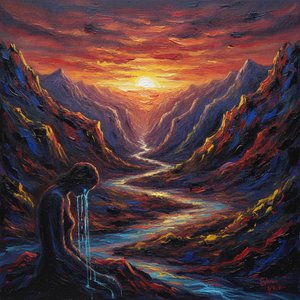
Capturing Emotion: A Journey Through the Soul of Expressionist Landscapes
Explore the profound emotional depth of Expressionist landscapes. Discover how Post-Impressionist masters moved beyond light to capture the soul through vibrant color and form. A curated journey for true art lovers seeking the beauty of expressive mastery.
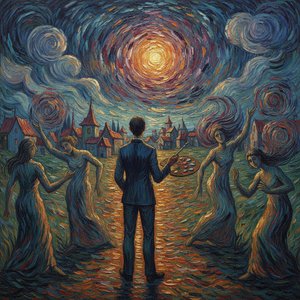
Beyond the Light: Capturing Emotion Through the Expressive Soul of Post-Impressionism
Explore the profound emotional depth of Post-Impressionism. Discover how masters like Van Gogh and Cézanne moved beyond light to capture raw feeling through color and texture. A journey into art history for the true connoisseur.