

 Preverite v realnem okolju
 Pošlji kot čestitko
 Deli
Deli
 Podrobnosti
 Priročnik

 Prenesi
 Podobni artefakti
 Rentgenski posnetek
 Predvajaj diaporama
 Statistika
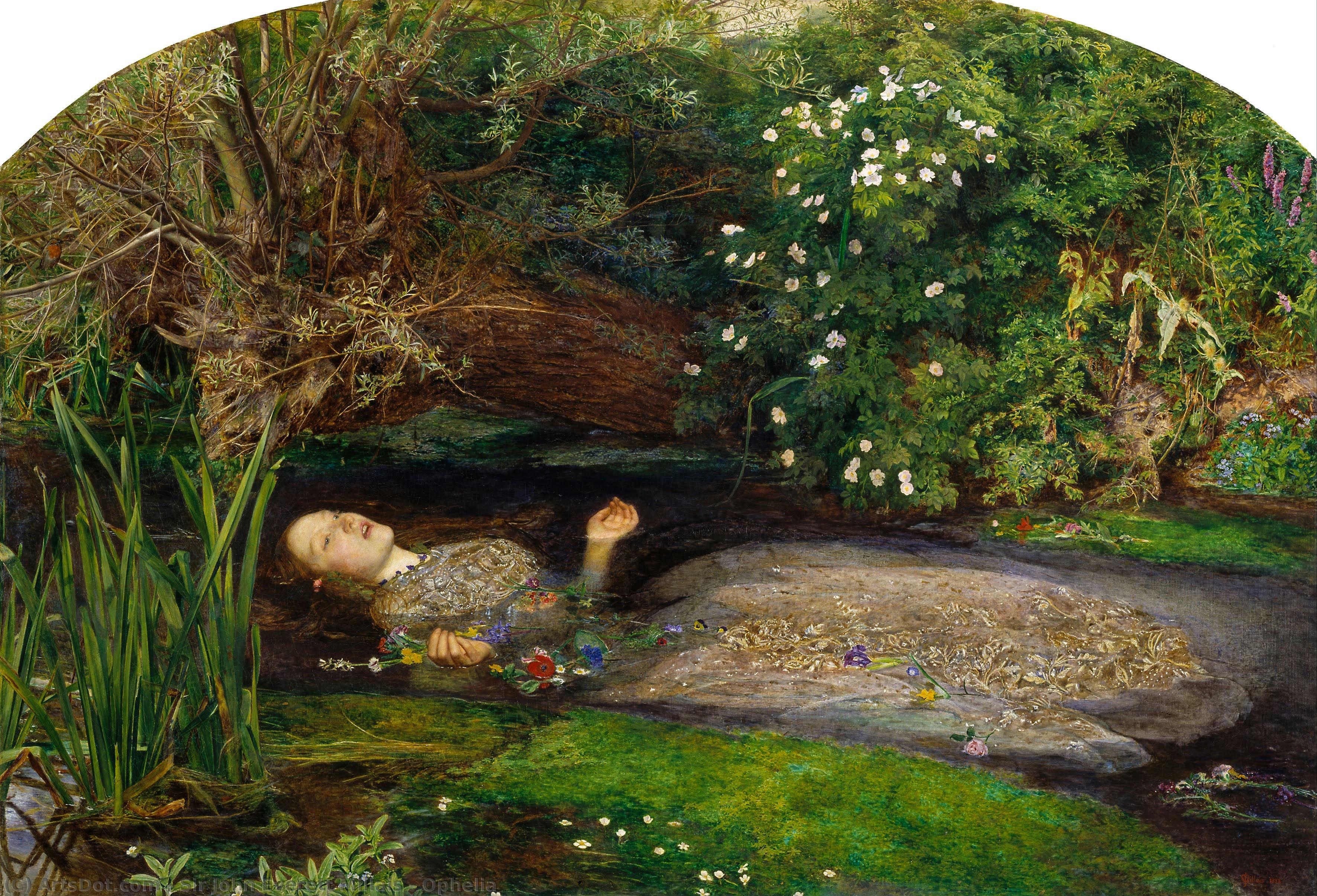
Ophelia
 Oil On Canvas
- WallArt
- Pre-Raphaelite
 1851
1851 11.0 x 76.0 cm
 Tate Britain
Experience Millais’ "Ophelia" – a breathtaking Pre-Raphaelite masterpiece! Explore its serene beauty, intricate detail & symbolic depth. A timeless work of art.
 Preberi več
Odkrijte umetnost Sir Johna Everetta Millaisa (1829-1896), voditelja Pre-Rafaelitov! Realizem, ikonične slike kot Ophelia in Kristus v hiši staršev ter trajni vpliv na viktorijansko slikarstvo.
Giclée tisk / Umetniški tisk
Giclée ali platnati odtis muzejske kakovosti z hitro proizvodnjo in prilagodljivimi možnostmi končne obdelave. ( Naročite ročno slikano reprodukcijo Preklop na digitalno sliko)




P118B €10

P118H €10

P118W €10

P438Z €10

P508JH €12

P508YH €12

P805H €10

P805Z €10

P919BZ €10

P919G €10

P919XJ €10

P959ZH €10

P968JZ €12

W106C €8

W218G €10

W218JH €8

W218Y €10

W307PJ €10

W316G €10

W316PJ €8

W316Y €10

W398PJ €8

W4111J €10

W500HY €15

W500JH €15

W692G €12

W849H €8

W940BG €15

W953PJ €8




Standardna velikost
po meri
CM
INCH
Izberite eno od naših vnaprej določenih velikosti, ki ustrezajo prvotnim proporcijam umetničkega dela.
Loading sizes...

širina
višina
Type the width and the height you need, to fit your frame or your wall. A print can only be cut, never made bigger than the picture, so a size with a different shape loses a part of the image. We send you a digital mockup to approve before we print anything. The picture shown on this page does not show the real cut — only the mockup does.
Globalna dostava () v 2 tednih namesto standardnih 4/5 tednov. (14 oktober)

Brezplačna ekspresna dostava po vsem svetu

Visokokakovostno laneno platno

Popolno zavarovanje pošiljke

Garancija povračila carine in uvoznih davkov

Garancija popolnega barvnega ujemanja

Politika vračila v 100 dneh (le v primeru okvar)

Garancija 100% povračila denarja

Popust pri večjem naročilu
 Možnost stekla je na voljo le za velikosti pod 110 cm

Ophelia
Giclée tisk / Umetniški tisk
Velikost reprodukcije
-


Skupna cena
€ 60
A Frozen Moment of Melancholy: Millais’s “Ophelia”
Sir John Everett Millais's "Ophelia," painted in 1851–52, isn’t merely a depiction of a tragic Shakespearean scene; it’s an immersive experience—a meticulously crafted tableau of sorrow and beauty that continues to captivate viewers over a century and a half later. This iconic Pre-Raphaelite masterpiece transcends its literary source, becoming a profound meditation on loss, innocence, and the poignant surrender to nature's embrace. The painting immediately draws the eye with its luminous palette and astonishing level of detail, inviting the viewer into a world both idyllic and profoundly mournful.
Millais’s genius lies not just in his technical skill—though that is undeniably remarkable—but in his ability to evoke an atmosphere of palpable grief. He achieved this through a radical departure from conventional artistic practices for the time, choosing to paint *en plein air* (outdoors) and working directly from nature. This commitment to realism, coupled with the Pre-Raphaelite Brotherhood’s fascination with medieval and Renaissance art, resulted in a work that feels simultaneously ancient and utterly contemporary. The scene unfolds along the Hogsmill River near Ewell, Surrey, where Millais meticulously recreated the landscape, capturing the dappled sunlight filtering through the foliage and the shimmering reflections on the water's surface.
The Figure of Despair
At the heart of “Ophelia” is her figure—a young woman reclining gracefully in the stream, her expression a mixture of serene acceptance and heartbreaking resignation. Elizabeth Siddall, Millais’s model for Ophelia, endured an extraordinary ordeal to achieve this portrayal. For weeks, she posed submerged in a bathtub filled with cold water, draped in heavy velvet robes to simulate the chill of the river. This dedication to realism extended beyond mere appearance; it was a deliberate attempt to capture the physical sensation of drowning—a testament to Millais’s commitment to portraying the subject matter with unflinching honesty.
The details surrounding Siddall's posing are particularly poignant, revealing the demanding nature of Pre-Raphaelite art production. The discomfort she experienced led to a severe illness, requiring medical attention and ultimately shaping the painting’s atmosphere of vulnerability. Millais’s careful observation of her posture, the delicate drape of her gown, and the subtle expression on her face all contribute to the overwhelming sense of tragedy.
Symbolism Woven into the Scene
“Ophelia” is rich in symbolic detail, each element carefully chosen to deepen the narrative’s emotional resonance. The flowers scattered around her—violets, pansies, poppies, willow branches, and daisies—are not merely decorative; they carry specific meanings rooted in Victorian symbolism. Violets represent faithfulness and modesty, while poppies symbolize death and sleep. The willow branch, a traditional symbol of mourning, drapes over the riverbank, mirroring Ophelia’s descent into sorrow. Even the arrangement of the flowers suggests a deliberate composition—a visual representation of her fragmented thoughts and memories.
The inclusion of a silver casket, partially submerged in the water, further reinforces the theme of loss and remembrance. It is a relic from her past, a symbol of her shattered engagement and the world she has lost. The presence of a small mouse nestled amongst the embroidery on the table adds an unexpected layer of detail—a reminder of mortality and the fragility of life.
A Legacy of Beauty and Sorrow
“Ophelia” remains one of the most celebrated paintings in the Pre-Raphaelite canon, admired for its technical brilliance, emotional depth, and enduring power. It’s a work that invites repeated viewing—each encounter revealing new layers of meaning and nuance. Beyond its artistic merit, “Ophelia” has become an iconic image of female vulnerability and tragic beauty, frequently referenced in literature, film, and popular culture. Its depiction of a young woman surrendering to the embrace of nature continues to resonate with viewers today, serving as a poignant reminder of the ephemeral nature of life and the enduring power of art to capture both its splendor and its sorrow.
Reproductions of “Ophelia” offer an accessible way to experience this masterpiece firsthand. Whether displayed in a grand salon or a cozy study, this evocative image will undoubtedly spark conversation and inspire contemplation for years to come.
Vprašanja in odgovori
Za kakšno velikost se za Living Room priporoča "Ophelia"?
Za Living Room je priporočena velikost tiska za "Ophelia" avtorja John Everett Millais Medium.
Priporočena velikost tiska za "Ophelia" avtorja John Everett Millais je?
Priporočena velikost tiska za "Ophelia" avtorja John Everett Millais je Medium.
Kako se v "Ophelia" združujeta kontrast in harmonija?
Barvna analiza dela "Ophelia" avtorja John Everett Millais beleži Balanced kontrast in Balanced Harmony harmonijo.
Biografija umetnika
Prebujeni genij predrafaelitov: Življenje in umetnost Sir Johna Everetta Millaisa
John Everett Millais, rojen leta 1829 v Southamptonu, je že pri enajstih letih vstopil na Kraljevo akademijo – najmlajši študent, ki ga je ta institucija kdaj sprejela. Ta zgodnji izraz izjemnega talenta je napovedal kariero, ki ne bo le definirala umetniškega gibanja, temveč tudi očarala viktorijansko javnost s svojim osupljivim realizmom in čustveno globino. Že od mladih let je Millais posedoval izjemen dar opazovanja, lastnost, ki bo postala temelj njegovega umetniškega sloga. Ni preprosto slikal to, kar je videl; natančno ga ponovno ustvarjal, vsak črtico napolnil s skoraj fotografsko zvestobo. Ta predanost resnici v reprezentaciji ga je ločila od ostalih in končno vodila k izzivu uveljavljenih konvencij britanske umetnosti. Njegova zgodnja dela so že kazala na njegovo sposobnost ujemanja subtilnih detajlov, ki so nakazovala prihodnji razvoj njegovega edinstvenega sloga.Rojstvo bratovščine in umetniška upornost
Millaisova umetniška pot je doživela ključno prelomnico leta 1848, ko je skupaj z Dante Gabrielom Rossettijem in Williamom Holmanom Huntom ustanovil Bratovščino predrafaelitov. To ni bila le estetska izbira; to je bil nameren upor proti temu, kar so smatrali za umetnost akademije – umetnosti, ki se je preveč oddaljila od naravnega sveta in iskrenosti zgodnjih renesančnih mojstrov, tistih, ki so delovali *pred* Rafaelom. Predrafaeliti so želeli oživiti jasnost, detajle in živahne barvne palete umetnikov kot sta Jan van Eyck in Fra Angelico. Njihov manifest je bil resnica naravi, zavrnitev idealiziranih oblik in sprejemanje motivov iz literature, mitologije in vsakdanjega življenja. Millaisova zgodnja dela, kot je Isabella, so takoj pokazala ta nov pristop – natančno pozornost do detajlov v kombinaciji z narativno intenzivnostjo, ki je očarala in pogosto izzvala občinstvo. Njegovo najbolj kontroverzno delo tega obdobja, Kristus v hiši svojih staršev (1849-50), je Sveto družino prikazal ne kot eterična bitja, temveč kot navadne delavske ljudi, kar je sprožilo ogorčenje kritikov, ki so njegov realizem našli pretresljiv in celo blasfemičen. Ta slika je postala simbol upora proti ustaljenim normam in izraz predrafaelitskega idealizma.Razvijajoči se slogi in viktorijanska občutljivost
Sredina 1850-ih let je zaznamovala obdobje pomembnih sprememb za Millaisa, tako osebno kot umetniško. Njegova poroka z Effie Gray, po razveljavitvi njene poroke s Johnom Ruskinom, je močno vplivala na njegovo delo. Odmaknil se je od intenzivnega detajla in simbolizma zgodnjih predrafaelitskih slik k širšemu, atmosferskemu realizmu. Ta premik ni bil zgolj modna izbira; odražal je naraščajoče zanimanje za sodobno življenje in željo ujeti minljivo lepoto naravnega sveta. Slike kot Jesenski listi ponazaravljajo to novo smer – miren prikaz skupine mladih žensk, ki plavajoče liste na reki, prežet s čustvom melanholije in nostalgije. Uspešno se je uveljavil tudi kot portretist, zajel podobe pomembnih viktorijanskih osebnosti, vključno z Johnom Gladstonem in Benjaminom Disraelijem. V tem obdobju je Millais dosegel široko priljubljenost in finančno varnost, vendar ga je tudi kritiziral nekateri, ki so menili, da je žrtvoval svoje umetniške principe. Njegova sposobnost portretiranja viktorijanske elite pa je pokazala njegovo vsestranskost in prilagodljivost kot slikarja.Zapuščina in trajni vpliv
Kljub tej kritiki ostaja Sir John Everett Millais ena najpomembnejših osebnosti britanske umetnosti 19. stoletja. Njegov vpliv sega daleč onkraj Bratovščine predrafaelitov; pomagal je ponovno opredeliti standarde realizma in narativnega slikarstva, navdihniti generacije umetnikov. Njegove ikonične podobe – Ofelija s svojo čarobno lepoto in simbolično bogato vsebino, Huguenot, ki prikazuje dramatičen trenutek verskega konflikta in prepovedane ljubezni, ter številne druge – še danes burijo občinstvo. Millaisova sposobnost združiti natančno opazovanje s čustveno globino, njegovo mojstrstvo barve in kompozicije ter njegova pripravljenost izzivati umetniške konvencije so utrdile njegov položaj kot pravega inovatorja. Leta 1896 je bil izvoljen za predsednika Kraljeve akademije, kar je dokaz njegovega trajnega zapuščine – žal pa je umrl le nekaj mesecev pozneje. Njegovo delo še danes slavijo v muzejih in zbirki po vsem svetu, kar zagotavlja, da bo lepota in moč njegove umetnosti vztrajala za generacije naprej.Glavna dela & Zbirke
- Kristus v hiši svojih staršev (1849-1850): Tate Britain, London – Kontroverzno mojstrino, ki ponazarja zgodnji predrafaelitski realizem.
- Ofelija (1851-1852): Tate Britain, London – Morda njegovo najbolj znano delo, priznano po svoji čarobni lepoti in simbolični globini.
- Huguenot (1851-1852): Zasebna zbirka – Dramatičen prikaz verskega konflikta in prepovedane ljubezni.
- Mariana (1850-1851): Manchester Art Gallery – Navdihnjeno s Shakespearom in Tennysonem, ki prikazuje Millaisovo spretnost pri ujemanju razpoloženja in atmosfere.
- Jesenski listi (1855-1856): City of Manchester Art Galleries – Miren in evocativen sliko, ki odraža njegov razvijajoči se slog.

John Everett Millais
1829 - 1896 , Slovenija
Ključne informacije
- Datum Rojstva: 8. junij 1829
- Datum Smrti: 13. avgust 1896
- Državljanstvo: Britanski
- Kraj Rojstva: Southampton, Združeno kraljestvo
- Polno Ime: Sir John Everett Millais
- Pomembna Dela:
- Kristus v hiši staršev
- Ophelia
- A Huguenot
- Mariana
- Umetniki/Smeri Pod Vplivom: ['Predrafaelitsko gibanje']
- Umetniški Smer: Predrafaeliti, Realizem
Sorodni članki

The Pre-Raphaelite Brotherhood: Rediscovering Beauty, Romance, and Medieval Magic in Victorian Art
Embark on a journey through the Pre-Raphaelite Brotherhood. Discover the romantic symbolism, medieval magic, and radical beauty of Rossetti and Burne-Jones in this expert exploration of Victorian art history.
Raziščite umetniška dela, razvrščena po temah, slogih in značilnostih.


