

 Predogled v realnem okolju
 Pošlji
 Deli
Deli
 Podrobnosti o delu
 Priročnik

 Prenesi sliko
 Podobni izdelki
 Rentgenski posnetek
 Predvajaj diaporama
 Q&A
Q&A Statistika
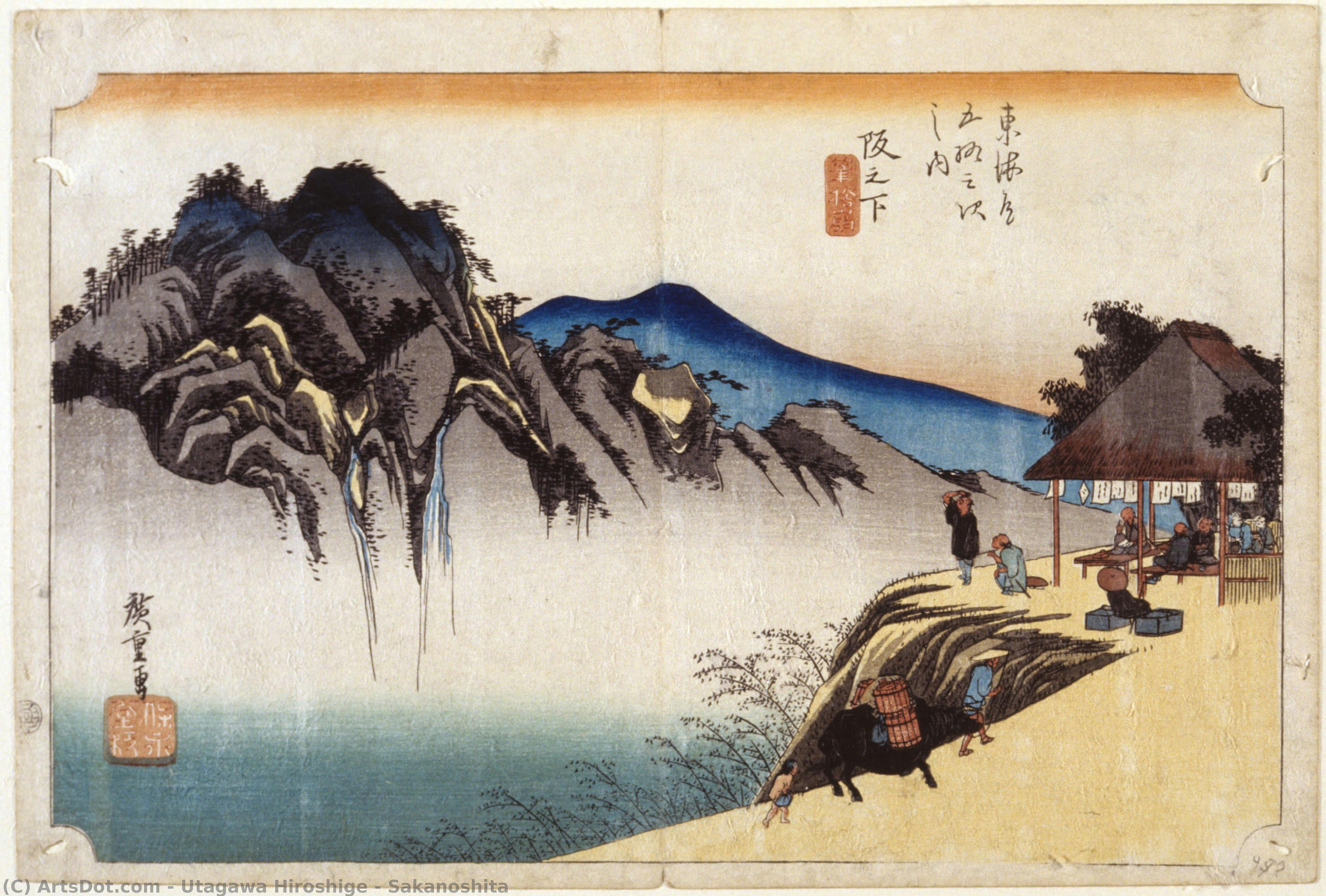
Sakanoshita


Experience Hiroshige's 'Sakanoshita': A stunning ukiyo-e print capturing the rugged beauty of the Tōkaidō road & Fudesute Mountain. Explore Edo Japan's poetic landscapes!
 Preberi več
Spoznajte Utagawa Hiroshigeja (1797–1858), zadnjega velikega mojstra ukiyo-e iz Japona. Odkrijte ikonografske pejzaže, kot so »53 postaj Tōkaidō«, njegov poetični slog in globovpliv na impresionizem ter Van Gogha.
Giclée tisk / Umetniški tisk
Giclée ali platnati odtis muzejske kakovosti z hitro proizvodnjo in prilagodljivimi možnostmi končne obdelave. ( Kupite ročno slikano delo Preklop na digitalno sliko)




P118B €10

P118H €10

P118W €10

P438Z €10

P508JH €12

P508YH €12

P805H €10

P805Z €10

P919BZ €10

P919G €10

P919XJ €10

P959ZH €10

P968JZ €12

W106C €8

W218G €10

W218JH €8

W218Y €10

W307PJ €10

W316G €10

W316PJ €8

W316Y €10

W398PJ €8

W4111J €10

W500HY €15

W500JH €15

W692G €12

W849H €8

W940BG €15

W953PJ €8




Standardna velikost
po meri
CM
INCH
Izberite eno od naših vnaprej določenih velikosti, ki ustrezajo prvotnim proporcijam umetničkega dela.
Loading sizes...

širina
višina
Vnesite širino in višino, ki jih potrebujete za svoj okvir ali steno. Tiskanje se lahko le odreže, vendar ga ni mogoče narediti večjega od slike, zato format z drugačno obliko pomeni izgubo dela slike. Pred tiskanjem vam pošljemo digitalni predogled za potrditev. Slika, prikazana na tej strani, ne prikazuje dejanskega izrezka — le predogled to omogoča.
Globalna dostava () v 2 tednih namesto standardnih 4/5 tednov. (30 oktober)

Brezplačna ekspresna dostava po vsem svetu

Visokokakovostno laneno platno

Popolno zavarovanje pošiljke

Garancija povračila carine in uvoznih davkov

Garancija popolnega barvnega ujemanja

100-dnevna politika vračil (le v primeru okvar)

Garancija 100% povračila denarja

Popust pri večjem naročilu
 Možnost stekla je na voljo le za velikosti pod 110 cm

Sakanoshita
Giclée tisk / Umetniški tisk
Velikost reprodukcije
-


Skupna cena
€ 61
A Poetic Glimpse of Edo Japan: Exploring Utagawa Hiroshige's "Sakanoshita"
Utagawa Hiroshige’s “Sakanoshita,” part of his renowned series The Fifty-three Stations of the Tōkaidō, offers more than just a scenic view; it provides a window into the heart of Edo period Japan. This evocative woodblock print captures a moment in time along one of the nation's most vital trade routes, transforming a practical thoroughfare into a landscape imbued with profound beauty and subtle narrative. The scene unfolds near Sakanoshita, a particularly challenging stretch of the Tōkaidō road known for its steep inclines and rugged terrain – a reality reflected in Hiroshige’s masterful depiction.
The Journey and the Landscape: Context and Technique
Completed during the Edo period (1603-1868), a time of relative peace and prosperity under the Tokugawa shogunate, “Sakanoshita” reflects a burgeoning interest in travel and landscape art. The Tōkaidō itself was more than just a road; it was a lifeline connecting Edo, the political heart of Japan, with Kyoto, its former imperial capital. Hiroshige’s series documented this journey, not merely as a geographical record but as an exploration of the emotional and aesthetic experiences encountered along the way. The print exemplifies ukiyo-e, meaning "pictures of the floating world," a genre that celebrated everyday life, landscapes, and popular culture. Hiroshige's approach within this tradition was particularly poetic, moving beyond simple representation to capture atmosphere and feeling. His technique involved meticulous carving on woodblocks by skilled artisans, followed by multiple layers of color printing—a process demanding precision and artistry. The subtle gradations of blue and green, achieved through the skillful application of bokashi (color gradation), create a sense of depth and distance that draws the viewer into the scene.
Symbolism in Stone and Shadow: A Narrative Unfolds
Beyond its visual appeal, “Sakanoshita” is rich with symbolic meaning. The towering presence of Fudesute-yama, or "Brush-Discarding Mountain," dominates the composition. Legend has it that a frustrated painter, unable to capture the mountain's beauty, threw his brush away in despair – a poignant reminder of the limitations of human artistry and the overwhelming power of nature. The travelers depicted on the winding path represent the constant flow of life along the Tōkaidō—merchants, pilgrims, government officials—all engaged in their own journeys. Their small size relative to the landscape emphasizes humanity’s place within a vast and timeless world. Even the dog accompanying one of the figures adds a touch of domesticity and companionship amidst the ruggedness of the terrain. The overall impression is not merely of a scenic view but of a microcosm of Edo period society, interwoven with the grandeur of the natural world.
An Enduring Legacy: Emotion and Influence
Hiroshige’s “Sakanoshita” resonates deeply because it transcends mere representation; it evokes a feeling—a sense of quiet contemplation, perhaps tinged with melancholy. The atmospheric perspective, the subtle color palette, and the carefully composed arrangement of elements all contribute to an emotional richness that continues to captivate viewers today. The print’s influence extended far beyond Japan, profoundly impacting Western artists like Vincent van Gogh and Claude Monet, who were captivated by its innovative compositions and poetic sensibility. It stands as a testament to Hiroshige's genius—a master of capturing the fleeting beauty of the natural world and transforming it into an enduring work of art.
Vprašanja in odgovori
Ali so barve dela "Sakanoshita" avtorja Utagawa Hiroshige nasičene ali utemeljene?
Zasičenost barvne palete dela "Sakanoshita" je Subtle Color.
Katera barva prevladuje v kompoziciji dela "Sakanoshita" avtorja Utagawa Hiroshige?
Prevladujoča barva dela "Sakanoshita" avtorja Utagawa Hiroshige je Putty (#e6ddc9).
Kje lahko kupim ročno slikano reprodukcijo dela "Sakanoshita" avtorja Utagawa Hiroshige?
Ročno slikano reprodukcijo dela "Sakanoshita" avtorja Utagawa Hiroshige lahko naročite neposredno na njegovi strani Ročno slikana reprodukcija: ročno slikana oljna reprodukcija na lnenem platnu, izdelano po naročilu.
Biografija umetnika
Poetična vizija japonskega Eda: Življenje in umetnost Utagawa Hiroshigija
Utagawa Hiroshige, rojen kot Andō Tokutarō leta 1797 v živahnem mestu Edo (današnji Tokyo), predstavlja ključno osebnost v svetu ukiyo-e, ali »slik floating world« ali »ulovljenih trenutkov«. Čeprav je bil globoko zakoreninjen v tradicijah japonskega lesoreza, je Hiroshige presegel zgolj kopiranje in svojim pejzažem podelil poetično občutljivost, ki je močno odmevala tako v Japonskem kot kasneje v celotnem zapadnem umetniškem svetu. Njegovo življenje se je odvijalo v obdobju relativnega miru in blaginje pod šogunatom Tokugawa, vendar tudi v času naraščajočih družbenih sprememb in končne westernizacije – sil, ki so sčasoma prispele k upadu ukiyo-e, hkrati pa so okrepile Hiroshigijevo trajno dediščino. Prvotno namenjen bolj konvencionalni poti v samurajski družini – njegov oče je služil kot požarni uradnik – ga je umetniška nagnjenost vodila v učeništvo pri Utagawa Toyohiriju, mojstru Utagawa šole. To je predstavljalo ključno prelomnico, ki ga je odvrnila od priljubljenih prikazov kurtizan in igralcev, ki so bili v okusu mnogih umetnikov ukiyo-e, usmerila pa v fokus na pejzaž, žanr, ki ga bo dokončno na novo opredelil.Od žanrovskih scen do vzburjajočih pejzažev
Hiroshavino zgodnje delo je sledilo konvencijam njegove šole in vključevalo portrete ter prizore iz vsakdanjega življenja. Vendar pa je ravno njegovo objemanje pejzaža, da se je zares izkazal. Pod vplivom predhodnih mojstrov, kot je bil Hokusai – čija serija Trideset šest pogledov na Fuji je že očarala občinstvo – je Hiroshige razvil edinstven slog, ki ga odlikuje atmosferska perspektiva, subtilna paleta barv in globoka občutljivost za spreminjajoče se življenja. Ni le prikazoval krajev; priklical je njihove razpoloženje in zajemal bistvo določenega trenutka v času. Serija Pedeset tri postaje Tōkaidō (1833–1834), morda njegovo najslavnejše dosežek, utira ta pristop. To monumentalno delo je dokumentiralo pot po cesti Tōkaidō, glavni poti, ki povezuje Edo z Kyotom, ne kot preprost potopis, temveč kot serijo vzburjajočih vignet – nenaden dež v Shonoju, oddaljen pogled na Fuji iz Kanaye, živahno gibanje v Odawari. Vsak tisk je prežet z občutkom prehodnosti in tihe lepote, ki gledalca vabi, da bi pot alongside potnikov doživljal s svojo čustvenostjo. Maestralno je uporabljal tehniko bokashi, ki vključuje več tiskov za ustvarjanje subtilnih stopenj barv, s čimer je svojim kompozicijam dodal globino in vzdušje.Mojster atmosfere in tehnike
Hiroshigijeva tehnična izobrazba je bila tako izstopajoča kot njegova umetniška vizija. Zanimala ga ni bilo le natančno predstavljanje; iskal je način, kako zajeti čutje kraja. Njegova uporaba barv, čeprav pogosto zmerna v primerjavah z nekaterimi sodobniki, je bila ključna pri doseganju tega učinka. Pogosto je uporabljal več blokov za eno barvo, kar mu je omogočalo ustvarjanje niancnih odseskov in atmosferskih učinkov, ki so bili neverjetno težko ponovljivi. Nežne modre prelivnosti v njegovih prikazih yağ ali megle, tople barve jesenskega listja – to niso bili naključni elementi; bili so skrbno premišljeni deli, zasnovani za priklic specifičnih čustev in občutkov. Poleg bokashi je bil Hiroshige sposoben uporabljati tudi prazno prostor – ma – koncept, ki je osrednji za japonsko estetiko, kar delom tiska omogoča, da "diha", in povečuje splošni občutek miru. Njegova serija Sto znamenitih pogledov na Edo (1856–1858) je še naprej prikazala njegovo mojstvo in ponudila intimen vpogled v življenje in pejzaže njegove ljubljene mestne.Trajna dediščina: Japonizem in beyond
Čeprav se je tradicija ukiyo-e po Hiroshigijem smrti leta 1858 začela zmanjševati – upad, ki ga je pospešila Meijijska obnova in kasnejši dotok zahodne kulture – je njegov vpliv na svet umetnosti ostal neverjetno trajen. V končini 19. stoletja so japonski tisk prišli v Evropo in sprožili fenomen, znan kot Japonizem. Umetniki, kot so Édouard Manet, Claude Monet in Edgar Degas, so bili očarvani z drznimi kompozicijami, plošnimi perspektivami in nekonvencionalnimi barvnimi shemami ukiyo-e, te elemente pa so vključili v lastna dela. Vincent van Gogh je bil še posebej navdušen nad Hiroshigijevimi tiskami; izdelal je kopije več njih, vključno z "Višnjim parkom v Kameidu", s čimer je pokazal globoko občudovanje za uporabo barv in kompozicijo tega japonskega mojstra. Hiroshigijev vpliv se je razširil izven slikarstva; videti ga je lahko v arhitekturi, oblikovanju in celo v literaturi. Danes se Utagawa Hiroshige spominja ne le kot briljantnega umetnika, temveč tudi kot kultnega ambasadorja, ki je pomagal premostiti vrzel med Vzhodom in Zapisom ter pustil neizbrisno sled v zgodovini umetnosti. Njegovi spokojni pejzaži še vedno navdihujejo čuden občutek in razmišljanje, ki nas opominjajo na lepoto in prehodnost naravnega sveta.Pomembna dela
- Pedeset tri postaje Tōkaidō: Hiroshigijeva najslavnejša serija, ki prikazuje pot po glavni cesti med Edo in Kyoto.
- Sto znamenitih pogledov na Edo: Čarobna predstavitev življenja in pejzažev v njegovem ljubljeni mestu.
- Vpliv na serijo Japonaiserie Vincenta van Gogha: Vključno z delom "Cvetočoče višnje drevo po Hiroshigiju", ki dokazuje globoko občudovanje Van Gogha do tega japonskega mojstra.

Utagawa Hiroshige
1797 - 1858 , Japonija
Hitri podatki
- Artistic Movement Or Style: Ukiyo-e
- Artists Or Movements Influenced By This Artist:
- Manet
- Monet
- Van Gogh
- Impressionizem
- Artists Who Influenced This Artist: ['Hokusai']
- Date Of Birth: 1797
- Date Of Death: 1858
- Full Name: Utagawa Hiroshige
- Nationality: Japonski
- Notable Artworks:
- Pedezides Tokaido
- Sto slavnih pogledov na Edo
- Place Of Birth: Tokyo, Japonska
Sorodni članki

Floating Worlds: The Timeless Elegance and Cultural Magic of Ukiyo-e Art
Embark on a cultural journey through the enchanting world of Ukiyo-e. Discover the history, masters like Hokusai, and the vibrant Edo period aesthetics that continue to inspire art lovers worldwide with their timeless beauty and intricate woodblock craftsmanship.
Raziščite umetniška dela, razvrščena po temah, slogih in značilnostih.


