

 Predogled v realnem okolju
 Pošlji
 Deli
Deli
 Podrobnosti o delu
 Priročnik

 Prenesi sliko
 Podobni izdelki
 Rentgenski posnetek
 Predvajaj diaporama
 Vprašanja in odgovori
 Statistika
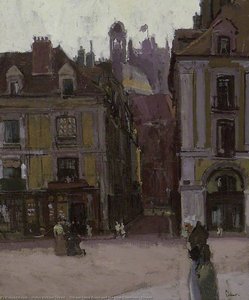
The Bar Parlour

- 104.0 x 158.0 cm


Explore 'The Bar Parlour' by Walter Richard Sickert – an evocative Impressionist painting capturing London nightlife and featuring three figures in a dimly lit bar setting.
 Preberi več
Walter Richard Sickert (1860-1942), vpliven britanski slikar, znan po realističnih prizorih londonskega življenja, predvsem iz music hallov in notranjosti. Pomemben predstavnik zgodnjega avantgardnega gibanja.
Giclée tisk / Umetniški tisk
Giclée ali platnati odtis muzejske kakovosti z hitro proizvodnjo in prilagodljivimi možnostmi končne obdelave. ( Kupite ročno slikano delo Preklop na digitalno sliko)




P118B €10

P118H €10

P118W €10

P438Z €10

P508JH €12

P508YH €12

P805H €10

P805Z €10

P919BZ €10

P919G €10

P919XJ €10

P959ZH €10

P968JZ €12

W106C €8

W218G €10

W218JH €8

W218Y €10

W307PJ €10

W316G €10

W316PJ €8

W316Y €10

W398PJ €8

W4111J €10

W500HY €15

W500JH €15

W692G €12

W849H €8

W940BG €15

W953PJ €8




Standardna velikost
po meri
CM
INCH
Izberite eno od naših vnaprej določenih velikosti, ki ustrezajo prvotnim proporcijam umetničkega dela.
Loading sizes...

širina
višina
Vnesite širino in višino, ki jih potrebujete za svoj okvir ali steno. Tiskanje se lahko le odreže, vendar ga ni mogoče narediti večjega od slike, zato format z drugačno obliko pomeni izgubo dela slike. Pred tiskanjem vam pošljemo digitalni predogled za potrditev. Slika, prikazana na tej strani, ne prikazuje dejanskega izrezka — le predogled to omogoča.
Globalna dostava () v 2 tednih namesto standardnih 4/5 tednov. (5 november)

Brezplačna ekspresna dostava po vsem svetu

Visokokakovostno laneno platno

Popolno zavarovanje pošiljke

Garancija povračila carine in uvoznih davkov

Garancija popolnega barvnega ujemanja

100-dnevna politika vračil (le v primeru okvar)

Garancija 100% povračila denarja

Popust pri večjem naročilu
 Možnost stekla je na voljo le za velikosti pod 110 cm

The Bar Parlour
Giclée tisk / Umetniški tisk
Velikost reprodukcije
-


Skupna cena
€ 63
A Glimpse into London's Twilight: The Soul of Sickert's Bar Parlour
In the quiet, amber-hued corners of early twentieth-century London, Walter Richard Sickert found his most profound muses. The Bar Parlorp, painted in 1922, serves as a masterful window into a world that exists in the soft periphery of the bustling metropolis. This evocative piece captures a fleeting moment of repose within a dimly lit establishment, where the boundaries between public life and private intimacy begin to blur. Through his distinctive lens, Sickert does not merely document a scene; he invites the viewer to sit at the table, to feel the weight of the afternoon shadows, and to become a silent participant in this intimate tableau of everyday existence.
The composition is anchored by three figures who inhabit the space with a natural, unforced grace. Two women are seated at a table, their presence suggesting a shared confidence or perhaps a momentary respite from the world outside, while a man leans against the counter behind them, his posture embodying the weary yet watchful character of the urban dweller. There is a profound sense of theatricality in this arrangement—a nod to Sickert’s own early ambitions on the London stage. Every element, from the scattered bottles on the counter to the humble loaf of bread resting on the table, contributes to a narrative of domesticity found within the public sphere, creating a scene that feels both deeply personal and universally recognizable.
The Mastery of Impressionistic Light and Texture
Technically, The Bar Parlour is a triumph of late Impressionist sensibility. Sickert eschews the sharp, clinical lines of realism in favor of loose, expressive brushstrokes that prioritize atmosphere over anatomical precision. This technique allows the light to perform its own magic; rather than being a harsh, direct force, the illumination is soft and diffused, as if filtering through a haze of tobacco smoke and dust motes. The color palette is a sophisticated study in earth tones—deep ochres, warm umbers, and muted shadows—which coalesce to create an inviting, nostalgic warmth that wraps around the viewer like a heavy velvet curtain.
For the discerning collector or interior designer, this painting offers more than mere decoration; it provides a focal point of profound emotional depth. The texture of the paint itself adds a tactile dimension to the work, suggesting the weathered surfaces of the bar and the soft fabrics of the figures' attire. When rendered as a high-quality reproduction, the interplay of light and shadow retains its ability to transform a room, lending an air of sophisticated melancholy and timeless elegance to any curated space. It is a piece that does not demand attention through loudness, but rather commands it through a quiet, irresistible magnetism.
A Legacy of Shadows and Human Connection
To understand the emotional resonance of this work, one must consider Sickert’s unique position as an artist caught between German heritage and British urbanity. His fascination with the "marginalized" and the "unseen" is palpable here. There is no grand historical drama unfolding in The Bar Parlour; instead, the drama lies in the subtle psychological tension between the characters and the heavy, comforting stillness of their environment. It is a celebration of the mundane, elevated to the level of high art through sheer observational genius.
Owning or displaying a reproduction of this masterpiece allows one to bring a piece of London's historical soul into the modern home. It serves as a reminder of the beauty found in the quiet intervals of life—the moments of stillness amidst the chaos of progress. For those seeking to infuse their interiors with a sense of history, warmth, and intellectual depth, Sickert’s vision offers an unparalleled source of inspiration, bridging the gap between the fleeting present and the enduring past.
Vprašanja in odgovori
Ali je pravno dovoljeno reproducirati delo "The Bar Parlour" avtorja Walter Richard Sickert, ki se nahaja v muzeju Fitzwilliam College?
Delo "The Bar Parlour" avtorja Walter Richard Sickert, ki se nahaja v muzeju Fitzwilliam College, je v javni domeni (v javni domeni – avtorska pravica je zastarela). Ta status določa, ali je dovoljeno izdelovati reprodukcije slike.
Kaj prikazuje "The Bar Parlour" avtorja Walter Richard Sickert in kakšno vzdušje ustvarja?
"The Bar Parlour" avtorja Walter Richard Sickert prikazuje london life, bar parlour scene, interior painting, early 20th century, figure composition, earth tones palette, domestic setting v Elegant vzdušju. Motiv in atmosfera skupaj opisujeta delo.
Ali je delo "The Bar Parlour" avtorja Walter Richard Sickert v javni lastini?
Status avtorskih pravic za "The Bar Parlour" avtorja Walter Richard Sickert: del je v javni domeni – avtorska pravica je zastarela. To določa, ali se lahko reprodukcije slike izdelujejo prosto.
Sorodna umetniška dela




Biografija umetnika
Življenje v senci in luči
Walter Richard Sickert, rojen leta 1860 v Münchnu, je bil figura, ki je bila nenehno ujeta med svetove – Nemec po rodu, Britanec po posvojitvi in umetnik, ki je večno nihal med uveljavljenimi tradicijami slikarstva in nastajajočimi tokovi modernizma. Njegovo zgodnje življenje je bilo zaznamovano s premiki; družina se je leta 1868 preselila v Anglijo, spodbujena političnimi spremembami v Evropi, kar mu je vsadilo občutek razseljenosti, ki je morda spodbudilo njegovo celoživotno fascinacijo z tujci in marginaliziranimi osebnostmi. Čeprav je izviral iz rodu umetnikov – njegov oče Oswald Sickert je bil danski slikar – je mladi Walter sprva gojil ambicije za oder, kratek čas stopal na deske kot igralec ob priznanem Siru Henryju Irvingu. Ta zgodnja izpostavljenost performansu, umetnosti iluzije in karakterja bi globoko oblikovala njegovo umetniško vizijo, vsadila njegovim slikam teatralnost in psihološko globino, ki ga je ločila od sodobnikov. Vendar pa se je privlačnost vizualnega izražanja izkazala za močnejšo, kar ga je leta 1881 pripeljalo do vpisa na Slade School in kasneje postal predan učenec Jamesa Abbotta McNeilla Whistlerja. To mentorstvo je bilo pomembno, vsadilo mu je preference tonalnih študij, naslikanih *alla prima*, neposredno iz narave, ter prefinjeno estetsko občutljivost, ki bi podprla njegovo zgodnje delo. Vpliv Whistlerja ni bil zgolj tehničen; spodbudil je spoštovanje do umetniške neodvisnosti in pripravljenosti izzivati konvencionalne norme.Londonova temna stran in privlačnost modernega življenja
Sickertova umetniška kompas se je hitro obrnila k živahnim, pogosto ostri realijam londonskega življenja. Očaral ga je ambient mestnih dvoran – prostorov, ki so prekipevali z energijo, spektaklom in raznolikimi družbenimi sloji. Njegove slike iz tega obdobja, kot je Katie Lawrence at Gatti's, so opazne po neomajnem upodabljanju teh okolij in njihovih prebivalcev. To niso bili zgolj prikazi; to so bila raziskovanja modernega mestnega obstoja, ki so ujela minljive trenutke in surova čustva, doživeta v teh stenah. Iščal je slikanje življenja kot ga živi, ne pa idealizirano, kar je bilo radikalno odstopanje od viktorijanskih umetniških konvencij. Ta zaveza realizmu je sprožila kontroverze. Kritiki so njegove motive označili za “grde” in “vulgarne”, izzvali občutljivost, ki je dajala prednost idealiziranim predstavam. Sickertova pripravljenost upodabljati navadne ljudi, zlasti ženske igralke, z iskrenostjo in brez romantiziranja, je bilo provokativno dejanje, ki je napovedovalo premik k socialnemu realizmu v umetnosti 20. stoletja. Njegovo preživljanje časa v Dieppu, Francija, od leta 1894 naprej se je izkazalo za ključno, ponudilo nove perspektive na svetlobo, barvo in kompozicijo, medtem ko so njegovi kasnejši obiski Benetk dodatno oplemenitili njegov pristop k upodabljanju notranjih prostorov in kompleksnih ureditev figur. Ni samo beležil tisto, kar je videl; interpretiral ga je skozi izrazito osebni objektiv, vsakodnevnim prizorom vcepil občutek skrivnosti in psihološke napetosti.Katalizator sprememb: Camden Town Group in dalje
Ob začetku 20. stoletja je postal Sickert osrednja figura v nastajajočem britanskem avantgardnem gibanju. Leta 1888 se je pridružil New English Art Clubu, s čimer se je uskladil z umetniki, ki so sprejeli francoske impresionistične principe. Pozneje je odigral ključno vlogo pri ustanovitvi Camden Town Groupa leta 1911 – kolektiva umetnikov, posvečenega upodabljanju modernih življenj z neomajno iskrenostjo in stilnimi inovacijami. Sickertov vpliv na to skupino je bil globok, spodbudil jih je, da se odmaknejo od tradicionalnih akademskih omejitev in raziščejo nove oblike izražanja. Zagovarjal je neromantično vizijo mestnega pokrajine, osredotočil se na vsakodnevne prizore in navadne ljudi. Njegove slike v tem obdobju so pogosto predstavljale nemirno tematiko, kot je njegova serija Camden Town Murder, ki odraža naraščajočo fascinacijo s kriminalom in psihološko napetostjo. Ta pripravljenost soočiti se s težkimi temami je utrdila njegov ugled provokativnega in izzivalnega umetnika. Ni ga zanimalo samo upodabljati površine stvari; želel je prodreti v temnejše prostore človeške psihe, raziskovati teme odtujenosti, anksioznosti in moralne dvoumnosti.Zapuščina in preostale skrivnosti
Zapuščina Waltera Richarda Sickerta sega daleč onkraj njegove plodovite produkcije. Bil je katalizator sprememb v britanskem slikarstvu, utiral pot naslednjim generacijam umetnikov, da so sprejele modernizem in raziskale nove smeri izražanja. Njegov vpliv je mogoče videti v delih številnih slikarjev, ki so sledili, zlasti tistih, povezanih z London Groupom in drugimi avantgardnimi gibanji. Sickertova pionirska duha, njegova zaveza realizmu in pripravljenost izzivati družbene norme še danes odmevata pri umetnikih. Medtem ko so kontroverze okoli njegovega življenja – vključno s spekulacijami o njegovi morebitni vpletenosti v umore Jacka Razparača – dodale plasti intrig njegove zgodbe, ne zmanjšajo njegovih umetniških dosežkov. Te teorije, čeprav jih znanstveniki večinoma zavračajo, govorijo o nemirni kakovosti njegovega dela in njegovi obsedenosti s temami nasilja in mestnega propada. Njegove slike ostajajo močni dokazi o spreminjajočem se svetu, ki ponujajo vpogled v življenja in izkušnje tistih, ki jih tradicionalna umetniška zgodovina pogosto zanemarja. Bil je umetnik, ki si upal pogledati onkraj površine, soočiti se z neprijetnimi resnicami modernega življenja in jih ujeti na platno z neomajno iskrenostjo.Ključni podatki in vplivi
- Rojen: 31. maj 1860, München, Bavarska
- Umrl: 22. januar 1942, Bathampton, Anglija
- Ključni vplivi: James Abbott McNeill Whistler, Edgar Degas
- Povezane skupine: New English Art Club, Camden Town Group

Walter Richard Sickert
1860 - 1942 , Nemčija
Hitri podatki
- Datum Rojstva: 31. maj 1860
- Datum Smrti: 22. januar 1942
- Državljanstvo: Britanski
- Kraj Rojstva: Munich, Nemčija
- Polno Ime: Walter Richard Sickert
- Pomembna Dela:
- Katie Lawrence at Gatti's
- Sinn Féiners
- L'Hotel Royal, Dieppe
- Umetniki Pod Vplivom: ['Camden Town Group']
- Umetniški Smer: Post-Impresionizem
- Vplivi Umetnikov:
- Whistler
- Degas
Sorodni članki

Walter Sickert: A Shadowy Realism & the Modern British Canvas
Explore the life & work of Walter Sickert, a pivotal British painter bridging Impressionism to Modernism. Discover his evocative scenes of London life, controversial legacy, and lasting influence on 20th-century art.

Impressionism's Masterpieces: 10 Paintings That Defined a Movement | TopImpressionists
Journey through Impressionism's heart with 10 iconic paintings by Monet, Renoir & Degas. Explore light, color & the stories behind these masterpieces. Find museum-quality art reproductions and elevate your home decor on TopImpressionists.com.

Richard Hayley Lever: A Study in British Impressionism & Coastal Light
Explore the captivating world of Richard Hayley Lever (1876-1958), a master of Impressionism renowned for his vibrant coastal scenes. Discover his life, style & legacy with TopImpressionists.

Onkraj Svetlobe in Barve: Impresionizem proti Postimpresionizmu za Izbirčnega Zbiratelja
Odkrijte subtilne razlike med impresionizmom in postimpresionizmom z TopImpressionists.com. Strokovni vodič za izbirčne zbiralce, reprodukcije vrhunskih del in investicijski potencial umetnin.

25 Mojstrovin Narodne Galerije London: Umetnost za Dom & Navdih
Odkrijte 25 ikoničnih mojstrovin Narodne galerije London! Preberite zgodbe Van Gogha, Moneta in Rembrandta. Reprodukcije slik za vaš dom – navdih & umetnost na TopImpressionists.com.