

 Predogled v realnem okolju
 Pošlji
 Deli
Deli
 Podrobnosti o delu
 Priročnik

 Prenesi sliko
 Podobni izdelki
 Rentgenski posnetek
 Predvajaj diaporama
 Vprašanja in odgovori
 Statistika
School Boy

- 56.0 x 48.0 cm


A tranquil portrait of a young boy in contemplative repose by Harlem Renaissance master William H. Johnson captures a soulful moment of stillness that invites you to bring this piece of American history into your home.
 Preberi več
William H. Johnson (1901-1970) je bil vpliven ameriški slikar obdobja Harlemske renesanse, znan po ekspresivnih portretih in prikazu življenja Afroameričanov v stilu ljudske umetnosti. Raziščite njegova močna dela modernizma!
Umetniška dela, prikazana na tej strani, so zaščitena z avtorskimi pravicami, kar pomeni, da po zakonu ne moremo ustvarjati ali prodajati identičnih reprodukcij. Ta zaščita se izvaja v skladu z mednarodnimi sporazumi, kot so Bernska konvencija in po nacionalnih zakonih, vključno s tistimi, ki jih določa Zakon o avtorskih pravicah ZDA – naslov 17.
Ta način v celoti upošteva zakonodajo o avtorskih pravicah, saj ne vključuje kopiranja ali podvajanja zaščitenga umetniškega dela. Namesto tega gre za kreativno preinterpretacijo – novo sliko, ki je navdihnjen rezultat originala, vendar ni z njim identična.
Giclée tisk / Umetniški tisk
Giclée ali platnati odtis muzejske kakovosti z hitro proizvodnjo in prilagodljivimi možnostmi končne obdelave. ( Kupite ročno slikano delo Preklop na digitalno sliko)




P118B €10

P118H €10

P118W €10

P438Z €10

P508JH €12

P508YH €12

P805H €10

P805Z €10

P919BZ €10

P919G €10

P919XJ €10

P959ZH €10

P968JZ €12

W106C €8

W218G €10

W218JH €8

W218Y €10

W307PJ €10

W316G €10

W316PJ €8

W316Y €10

W398PJ €8

W4111J €10

W500HY €15

W500JH €15

W692G €12

W849H €8

W940BG €15

W953PJ €8




Standardna velikost
po meri
CM
INCH
Izberite eno od naših vnaprej določenih velikosti, ki ustrezajo prvotnim proporcijam umetničkega dela.
Loading sizes...

širina
višina
Vnesite širino in višino, ki jih potrebujete za svoj okvir ali steno. Tiskanje se lahko le odreže, vendar ga ni mogoče narediti večjega od slike, zato format z drugačno obliko pomeni izgubo dela slike. Pred tiskanjem vam pošljemo digitalni predogled za potrditev. Slika, prikazana na tej strani, ne prikazuje dejanskega izrezka — le predogled to omogoča.
Globalna dostava () v 2 tednih namesto standardnih 4/5 tednov. (6 november)

Brezplačna ekspresna dostava po vsem svetu

Visokokakovostno laneno platno

Popolno zavarovanje pošiljke

Garancija povračila carine in uvoznih davkov

Garancija popolnega barvnega ujemanja

100-dnevna politika vračil (le v primeru okvar)

Garancija 100% povračila denarja

Popust pri večjem naročilu
 Možnost stekla je na voljo le za velikosti pod 110 cm

School Boy
Giclée tisk / Umetniški tisk
Velikost reprodukcije
-


Skupna cena
€ 62
A Moment of Quietude: The Soulful Presence of School Boy
In the quiet corners of mid-century American portraiture, few works capture the tender vulnerability of childhood as poignantly as William H. Johnson’s School Boy. Painted in 1945, this intimate masterpiece invites the viewer into a private sanctuary of rest and reflection. The subject, a young boy seated with a composed yet contemplative posture, rests upon a chair characterized by its striking red frame and vibrant yellow cushion. This deliberate use of color does more than merely decorate the scene; it provides a rhythmic pulse to the composition, contrasting the warmth of the furniture against the soft, perhaps even weary, presence of the child. Clad in what appears to as pajamas, the boy exists in that liminal space between the structured demands of the school day and the restorative embrace of home, offering a glimpse into a moment of profound stillness.
Johnson’s technique in this piece serves as a bridge between the raw honesty of folk art and the sophisticated structural elements of modernism. The artist employs a meticulous attention to detail that breathes life into the boy's facial expression and body language. His hands, placed firmly and symmetrically in his lap, anchor the composition, suggesting a sense of groundedness and internal calm. Through deliberate brushwork, Johnson captures the texture of fabric and the weight of the child's limbs, creating a tactile reality that pulls the observer into the room. The painting does not merely depict a person; it captures an atmosphere—a heavy, beautiful tranquility that resonates with anyone who has ever sought solace in the quietude of a long afternoon.
The Legacy of a Visionary: Context and Emotional Resonance
To understand the depth of School Boy, one must look toward the profound cultural landscape from which William H. Johnson emerged. As a pivotal figure of the Harlem Renaissance, Johnson’s work was deeply informed by his roots in South Carolina and his connection to the spiritual and oral traditions of African American life. While this specific painting leans into a more intimate, portrait-driven style, it carries the unmistakable DNA of his larger mission: to find the extraordinary within the ordinary. The painting serves as a testament to the resilience and dignity of the human spirit, finding monumental importance in the simple act of a child sitting in repose.
For the discerning collector or interior designer, this reproduction offers more than just a visual centerpiece; it provides an emotional anchor for a room. The piece possesses a unique ability to harmonize with diverse decor styles, from contemporary minimalist settings to classic, traditional interiors, due to its balanced palette and emotive power. It acts as a window into a period of American history marked by both struggle and profound artistic rebirth. Bringing School Boy into a living space invites a sense of introspection and peace, making it an ideal selection for those looking to curate an environment that celebrates heritage, quiet strength, and the timeless beauty of the human narrative.
Vprašanja in odgovori
Kakšna je medsebojna skladnost barv v delu "School Boy"?
Barve v delu "School Boy" avtorja William H. Johnson odražajo Unified Palette harmonijo. Harmonija opisuje odnos barv med seboj.
Kakšen čustveni ton spremlja slog Harlem Renaissance pri delu "School Boy"?
Reflective čustvo dela "School Boy" spremlja njegov Harlem Renaissance slog.
Pri katerih dimenzijah se priporoča tiskanje dela "School Boy"?
Priporočena velikost tiska za "School Boy" avtorja William H. Johnson je Small.


Biografija umetnika
Življenje in umetniški začetek Williama H. Johnsona
William Henry Johnson (1901–1970) je pomemben kamenček v zgodovini ameriške umetnosti, še posebej pa v barvitem prostoru Harlemske renesanse. Rojstna vas Florence, Južna Karolina, je bila prizorišče njegovega umetniškega potovanja, ki se je začelo v kompleksnem okolju Jim Crow Amerike. To je oblikovalo njegov pogled na svet in globoko vplivalo na njegovo edinstveno vizualno govorico – mešanico modernistične abstrakcije in globoko ukorenjenih ljudskih tradicij, ki še danes odmeva. Johnsonova zgodnja leta so vzgojila močno povezanost z afroameriško kulturo in duhovnostjo. Absorbiral je vplive gospel glasbe, pripovedi, ki so se prenašale iz generacije v generacijo, ter ikonografijo religije Yoruba, elementi, ki so postali integralni del njegovega umetniškega procesa. To ozemljitev v ustnem izročilu je pretvoril v platna, polna simbolične podobe – duhov, živali in geometrijskih vzorcev –, ki so sporočale zgodbe o boju, vztrajnosti in duhovnem preseganju. Njegov umetniški razvoj se je odvijal na več celinah, od Evrope do Mehike, kjer je izpilil svoje spretnosti z eksperimentiranjem različnih medijev, vključno z oljnimi barvami, akvareli in kolažem. Sprejel je tehnike, kot je impasto – nanašanje debelih slojev pigmenta –, da bi svojim slikam vdihnil otipljivo teksturo in čustveno intenzivnost. Ta pristop je odražal ekspresiven zanos karakterističen za ekspresionizem, vendar je Johnson ohranil edinstveno estetiko, zasidrano v njegovi osebni dediščini.Razvoj umetniškega sloga in vplivi
Johnsonovo umetniško potovanje ni bilo linearno; bil je nenehno iskalec, ki se je odzival na različne kulturne tokove in umetniške gibanja. Po študiju pri Charlesu Hawthorneu v Provincetownu, Massachusettsu, se je preselil v Evropo, kjer ga je navdihnila dela evropskih modernističnih slikarjev, kot so Picasso in Matisse. Vendar pa se Johnson ni nikoli popolnoma podredil evropskim stilom. Namesto tega je te vplive integriral v svoj lasten edinstven jezik, ki je odražal njegovo afriško-ameriško identiteto in izkušnje. Medtem ko je živel v Parizu, se je Johnson začel zanimati za afriško umetnost in kulturo. To ga je vodilo do odkrivanja religije Yoruba in njenih bogatih simbolnih tradicij. Vključitev teh elementov v njegovo delo je bila radikalna odstopanje od prevladajočih umetniških norm tistega časa, ki so pogosto marginalizirale ali stereotipizirale afriško kulturo. Njegova pot ga je popeljala tudi v Mehiko, kjer se je navdušil mehiškimi muralisti, kot sta Diego Rivera in José Clemente Orozco. Ti umetniki so ustvarjali monumentalna dela, ki so odražala družbene in politične probleme njihovega časa. Johnson je bil navdihnjen z njihovim angažiranim pristopom k umetnosti in se je začel osredotočati na portretiranje življenja afroameriške skupnosti.Ključna dela in simbolizem
Johnsonovo delo obsega osupljivo raznolikost tem – portreti, ki ujemajo dostojanstvo in odpornost afroameriških posameznikov, pokrajine, ki prikazujejo lepoto ruralne Južne Karoline, in fantastične vizije, ki raziskujejo teme mitologije in duhovnosti. Med pomembnejša dela spadajo “The Black Christ” (1938), monumentalno platno, prežeto s simboliko Yoruba, ki močno sporoča vero in sočutje; "The Great Spirit" (1964), ki uteleša Johnsonovo raziskovanje šamanskih podob in duhovne poti; in “Black Boy” (1937), ganljiva upodobitev mladostne nedolžnosti, soočene z nasprotno usodo. V njegovih portretih je opazna uporaba močnih barv in preprostih oblik, ki poudarijo edinstvene značilnosti posameznika. Johnson se ni osredotočil na idealizacijo svojih modelov; namesto tega je prikazal njihovo resničnost z vso njeno kompleksnostjo in lepoto. Njegove pokrajine so prežete s čustvenim nabojem, ki odraža njegovo globoko povezanost z južnoameriško naravo. Simbolizem v Johnsonovem delu je bogat in večplastnat. Uporablja živali, duhove in geometrijske vzorce za sporočanje zgodb o boju, upanju in duhovnem preseganju. Njegova dela so pogosto prežeta s skritimi pomeni, ki zahtevajo od gledalca aktivno interpretacijo in razumevanje.Dediščina in pomembnost v zgodovini umetnosti
Poleg svojih umetniških dosežkov je William H. Johnson zapustil dediščino kot izobraženec in mentor, ki je spodbujal talente mlajših umetnikov, ki so sprejeli podobne stilistične raziskave. Njegov vpliv je viden pri naslednjih generacijah afroameriških slikarjev, ki so se trudili artikulirati izkušnje identitete in kulturne dediščine z inovativno vizualno govorico. Danes so Johnsonove slike shranjene v prestižnih muzejih po vsem svetu – vključno s Smithsonian American Art Museumom in Hampton University Museumom –, kar je dokaz o njihovem trajanju umetniške vrednosti in zgodovinskega pomena kot simbolov zaveze Harlemske renesanse k portretiranju črnskega življenja z iskrenostjo in dostojanstvom. Njegovo delo še danes navdihuje in izziva gledalce, da razmislijo o vprašanjih rase, identitete in duhovnosti. William H. Johnson je bil resnično glas upornosti in vizije.- Umetnostno gibanje ali stil: Harlem Renaissance; Ekspresionizem
- Umetniki ali gibanja, ki so jih vplivala ta umetnik: Ekspresionizem
- Umetniki, ki so vplivali na tega umetnika: John Wollaston
- Datum rojstva: 1901
- Polno ime: William Henry Johnson
- Državljanstvo: Ameriško
- Pomembna dela: “Sir William Johnson Presenting Medals…”, “William Johnson Fox”
- Kraj rojstva: Florence, Združene države Amerike

William H. Johnson
1901 - 1970 , Združene države Amerike
Hitri podatki
- Datum Rojstva: 1901
- Državljanstvo: Ameriški
- Kraj Rojstva: Florence, ZDA
- Polno Ime: William Henry Johnson
- Pomembna Dela:
- The Black Christ
- The Great Spirit
- Umetniki Vplivani: ['Ekspresionizem']
- Umetniški Smer: Harlem Renaissance; Ekspresionizem
- Vplivi Umetnikov: ['John Wollaston']
Sorodni članki

Mark Rothko: 25 Mojstrovin Barvne Globine za Vaš Dom | TopImpressionists
Odkrijte 25 mojstrovin Marka Rothka – ikonične slike ekspresionizma, polne barv in emocij. Preberite zgodbe za vsako umetnino in obogatite svoj dom z reprodukcijami vrhunske kakovosti na TopImpressionists.com.
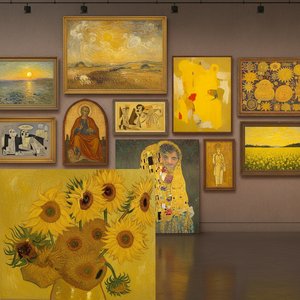
Golden Hues: 10 Masterpieces Dominated by Chrome Yellow | TopImpressionists
Immerse yourself in golden light! Explore 10 famous paintings dominated by 'Chrome Yellow', from Van Gogh’s Sunflowers to Monet's Haystacks. Discover the stories behind these iconic Impressionist & Post-Impressionist masterpieces and find museum-quality art reproductions at TopImpressionists.com.

Crimson Threads of Narrative: Exploring Symbolism & Representation in Artworks Featuring the Red Dress
Explore the rich symbolism of the red dress in art history! From ancient power displays to iconic portraits like Cézanne’s 'Madame Cezanne', discover the cultural and artistic significance behind this captivating color. Expert analysis & insights.

The Golden Hue: Exploring Symbolism & Emotion in Yellow Art
Explore the rich symbolism & emotional power of yellow in art history! From Van Gogh to Kandinsky, discover how artists used this vibrant hue. Expert analysis & high-quality reproductions at TopImpressionists.
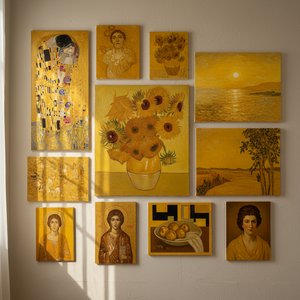
Golden Hues: Top 10 Paintings Dominated by Yellow Ochre |
Explore 10 iconic paintings bathed in golden yellow ochre! From Van Gogh's sunflowers to Monet’s haystacks, discover the stories behind these masterpieces. Find museum-quality art reproductions & elevate your home decor on .