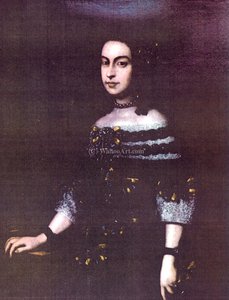
Pier Francesco Cittadini: A Bolognese Master of Baroque Still Life
Pier Francesco Cittadini (1616 – 1681) stands as a prominent figure within the Italian Baroque artistic landscape, primarily recognized for his exquisite depictions of still lifes and portraits that embody the era’s fascination with meticulous observation and opulent ornamentation. Born in Milan, Cittadini's formative years were spent honing his craft under the tutelage of Daniele Crespi, establishing a foundational connection to Milanese artistic traditions before relocating to Bologna at a young age – a pivotal decision that cemented his association with Guido Reni and profoundly shaped his stylistic trajectory.
- Early Influences: Cittadini’s initial training with Crespi instilled in him an appreciation for realism and detail, mirroring the prevailing aesthetic sensibilities of the time. However, it was his immersion into Reni's workshop that truly ignited his artistic vision, particularly evident in monumental canvases like “The Stoning of Saint Stephen” and “The Flagellation,” executed in 1641 – works imbued with Reni’s characteristic solemn grandeur and masterful use of chiaroscuro.
- Roman Engagement: Recognizing the dynamism of Rome's artistic milieu, Cittadini embarked on a transformative journey to the Eternal City around 1645. This encounter with fellow artists—including French and Flemish masters—exposed him to innovative techniques and broadened his artistic horizons. The resulting paintings, such as “Lot and His Daughters” and “Hagar and the Angel,” demonstrate a burgeoning stylistic independence characterized by vibrant color palettes and dynamic compositions.
- Technique & Style: Cittadini’s distinctive style is defined by an unwavering commitment to naturalism—a hallmark of Baroque art—combined with a masterful command of perspective and textural detail. He skillfully rendered surfaces with remarkable accuracy, capturing the subtle nuances of light and shadow to create immersive scenes that convey both visual splendor and psychological depth.
- Notable Commissions & Patronage: Cittadini’s artistic reputation garnered considerable acclaim in Bologna, securing him prestigious commissions from influential patrons—most notably Louis XIV—who recognized his talent for producing captivating landscapes and portraits. Among his enduring achievements is the monumental cycle of frescoes adorning the Ducal Palace of Sassuolo, a testament to his ability to elevate decorative art into an expressive form of artistic endeavor.
Major Works
Cittadini’s oeuvre comprises numerous paintings that exemplify the Baroque aesthetic's preoccupation with dramatic narratives and idealized beauty. His celebrated “Portrait of Lucrezia Barberini” exemplifies the meticulous attention to detail and regal elegance characteristic of his portraits, showcasing a masterful understanding of anatomy and drapery. Equally impressive is “Ulysses Foiling Circe,” a monumental canvas that captures the mythological drama of Homer’s epic poem with breathtaking visual impact—a testament to Cittadini's ability to translate literary themes into compelling artistic representations.
- “Portrait of Lucrezia Barberini” – Oil on Canvas
- “Ulysses Foiling Circe” – Oil on Canvas
- “Child Musicians” – Oil on Canvas
Legacy & Historical Significance
Pier Francesco Cittadini’s contribution to Baroque art extends beyond his individual masterpieces; he represents a crucial link between Milanese and Roman artistic traditions. His unwavering dedication to naturalism—coupled with his innovative use of color and composition—established him as one of the foremost painters of his era, securing his place within the canon of Italian Renaissance Art.
Further Research Resources:- AskART: Pier Francesco Cittadini
- Wikipedia: Pier Francesco Cittadini
For more information about Cittadini’s life and work, consult scholarly publications and museum catalogs.
Vprašanja in odgovori
V katerih umetnostnih smernih je delal/a Pier Francesco Cittadini?
Umetnostne smernice, v katerih je delal Pier Francesco Cittadini, si lahko ogledate na strani Vsi umetnostni slogi umetnika, ki dela dela razvrščena po umetnostnim smernicam.
V katerem mestu in državi se je rodil/a Pier Francesco Cittadini?
Pier Francesco Cittadini se je rodil/a v Milan v državi Italy.
Ali lahko raziskujem dela umetnika Pier Francesco Cittadini glede na barvni spekter?
Delo umetnika Pier Francesco Cittadini lahko raziskujete po barvah na njegovi strani Spektralni indeks.
V katerem zgodovinskem obdobju je delal/a Pier Francesco Cittadini?
Pier Francesco Cittadini je delal v obdobju Early Modern. To obdobje umetnikovo dejavnost umešča v zgodovinski okvir.
Kje so dela umetnika Pier Francesco Cittadini razvrščena po barvni paleti?
Za iskanje del umetnika Pier Francesco Cittadini v določeni paleti barv uporabite stran Po barvnih paletah umetnika.
Katere barve je Pier Francesco Cittadini najpogosteje uporabljal/a?
Uporabo barv v delih umetnika Pier Francesco Cittadini, navedenih na ta spletna stran, lahko raziskujete na njegovi strani Genom palete.
Ali obstaja pregled vseh motivov, ki jih je Pier Francesco Cittadini naslikal?
Delo umetnika Pier Francesco Cittadini lahko raziskujete po temah na njegovi strani Atlas motivov.
Ali lahko dela umetnika Pier Francesco Cittadini pregledam po tehniki?
Stran Vse tehnike razvršča dela umetnika Pier Francesco Cittadini po tehniki.