

Prikazano: · Sa okvirom:
 Pregledaj u prostoru

 Pošalji
 Podeli
 Detalji o delu
 Informativni list za štampu


 Preuzmi
 Slični predmeti
 Rendgenski snimak
 Automatska prezentacija
 Pitanja i odgovori

 Statistika
The Elements (Albert Džozef Mur, 1866)


Platna i umetničke štampane kopije od дин5257 za 24 x 41 cm
Ručno slikana uljana reprodukcija od дин28966
- Besplatna međunarodna dostava za 3 do 4 nedelje
- Rok isporuke za štampane postere u tubi je od 3 do 4 nedelje
- Povraćaj novca u roku od 100 dana
- Ocena 4.9/5 na osnovu 241 recenzija kupaca na ArtShopReviews.com
дин 8153
Giclee štampa / Umetnički otisak
Giclée štampa ili print na platnu muzejskog kvaliteta uz brzu izradu i raznovrsne opcije završne obrade. ( Impresionističko ulje na platnu Kupite digitalnu kopiju
)
Tehnika i materijal
 Pročitajte više
Naša ekonomična štampa: ista slika štampana na poliesterskom platnu od 260 g/m² umesto na pamučnom, isporučena u uroljenom obliku u tubi običnom poštom za 3 do 4 nedelje. Isključivo u uroljenom obliku (bez ramova i okvira) i bez hitne proizvodnje, za dimenzije gde je najmanje jedna strana 80 cm ili manje. Oko 30% jeftinije od štampanja na pamučnom platnu.
Nije dostupno za ovu veličinu: najmanje jedna strana mora iznositi 80 cm ili manje.
Samo u uroljanom obliku: da biste odabrali ovaj print, izaberite platno u uroljanom obliku u tubi.
Dostupno za dimenzije gde su obe strane 110 cm ili manje. Za veće dimenzije štampa se na mat platnu od pamuka.
Mat archival canvas nije dostupan za ovu veličinu: obe strane moraju imati 110 cm ili manje. Vaš print je umesto toga izrađen na mat pamučnom platnu.
Opcija sa staklom dostupna je samo za dimenzije manje od 110 cm
Veličina
·Izaberite jednu od naših unapred definisanih veličina koje odgovaraju originalnim proporcijama umetničkog dela.
Učitavanje dimenzija...

širina
visina
Unesite željenu širinu i visinu kako bi se štampa uklopila u vaš ram ili zid. Štampu je moguće samo iseći, ali nikada povećati iznad dimenzija originalne slike, stoga format sa drugačijim proporcijama uzrokuje gubitak dela slike. Pre početka štampe, poslaćemo vam digitalni prikaz radi potvrde. Slika prikazana na ovoj stranici ne predstavlja stvarni isrez — to pokazuje samo digitalni prikaz.
Standardne dimenzije
po meri
CM
INČI
Završetak
·
Beli rub дин1

zamrljene ivice дин1

Prošireno дин1

P118B дин10

P118H дин10

P118W дин10

P438Z дин10

P508JH дин12

P508YH дин12

P805H дин10

P805Z дин10

P919BZ дин10

P919G дин10

P919XJ дин10

P959ZH дин10

P968JZ дин12

W106C дин8

W218G дин10

W218JH дин8

W218Y дин10

W307PJ дин10

W316G дин10

W316PJ дин8

W316Y дин10

W398PJ дин8

W4111J дин10

W500HY дин15

W500JH дин15

W692G дин12

W849H дин8

W940BG дин15

W953PJ дин8
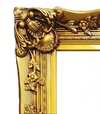
H24-GOLD дин30
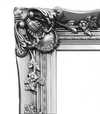
H24-SILVER дин30
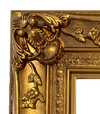
H36-GOLD дин70
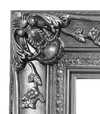
H36-SILVER дин70
Isporućuje se u zaštitnoj tubi, spremno za ugradnju u vaš ram.
Dodatne usluge
opcionoŠta dodatne opcije uključuju?
Dostava širom sveta () za 2 nedelje umesto uobičajenih 4/5 nedelja. (27 децембар)
Hitra proizvodnja i ekspresna kurirska dostava nisu dostupne za štampu na ekonomskom poliesterskom platnu, koja se šalje običnom poštom.
Zaštitni lak
Kratki opis natpisa
Detalji gravirane bronze ploče
Ova elegantna pločica sadrži ime umetnika i naslov dela, sitno gravirano za vanvremenski izgled.
Izrađena je od bronze sa rafinisanim, elegantnim završetkom. Tekst je precizno laserski ugraviran za oštar i trajan rezultat. Dimenzija 9x2 cm, pločica je kompaktna, ali lako čitljiva. Izrađena je da bude izdržljiva i otporna na ogrebotine, pružajući profesionalan izgled muzejskog kvaliteta. Montaža je jednostavna zahvaljujući priloženoj samolepljivoj podlozi.
Detalji prozirne akrilne pločice
Plaketa sadrži osnovne ugravane detalje kao što su ime umetnika, naslov dela, datum nastanka, vrsta medija – poput ulja na platnu ili akvarela – kratak opis dela i QR kod koji vodi do kompletnih informacija o umetničkom delu.
Izrađena je od prozirnog akrila, pružajući rafiniran i moderan izgled. Tekst je graviran UV metodom u crnoj boji kako bi se osiguran snažan vizuelni kontrast. Dimenzijama od 10x15 cm, omogućava optimalnu čitljivost. Dolazi sa dva metalna kroka za sigurno montiranje na zid. Plaketa je otporna na vremenske uslove, što je čini pogodnom za različita okruženja, i sadrži interaktivne funkcije koje se nesmetano aktiviraju skeniranjem pametnim telefonom.
Detalji crne akrilne pločice
Ova elegantna pločica sadrži ugravrane informacije kao što su ime umetnika, naslov dela, datum nastanka, vrsta korišćenog materijala (poput ulja na platnu ili akvarela), kratak opis dela i QR kod za brz pristup dodatnim informacijama.
Sama pločica je izrađena od rafiniranog crnog akrila vrhunskog kvaliteta. Tekst je laserski graviran u beloj boji radi visokog kontrasta i čitljivosti. Dimenzije su 10x15 cm, što omogućava lako čitanje. Dolazi sa dve metalne kuke za profesionalno montiranje. Dizajn je elegantan i pristaje svakom stilu enterijera. Takođe je otporna na vremenske uslove i izdržljiva, uz ugrađenu digitalnu integraciju za kompatibilnost sa mobilnim uređajima.
Opcija sa staklom dostupna je samo za dimenzije manje od 110 cm
 Opcija sa staklom dostupna je samo za dimenzije manje od 110 cm
- Besplatna međunarodna dostava za 3 do 4 nedelje
- Visokokvalitetno laneno platno
- Potpuno osiguranje transporta
- Garancija povraćaja carine i uvoznih dažbina
- Garancija vernosti boja
- Povraćaj novca u roku od 100 dana
- Garancija povrata 100% novca
- Popust na više proizvoda


The Elements: Albert Džozef Mur i trenutak Aestheticism pokreta
Four figures in flowing robes gather around a smoking cauldron in this serene, neo-classical scene rendered in rich earthy tones.
Albert Džozef Mur: biografija
Istražite eterične slike Alberta Džozefa Mura (1841–1893), vodećeg umetnika estetskog pokreta. Poznat po sanjivim ženskim figurama, neoklasičnim draperijama i cvetnim motivima. Otkrijte njegovu umetnost i nasleđe!
O umetničkom delu
The Elements by Albert Joseph Moore
In this 1866 work, The Elements by Albert Joseph Moore unfolds as a quiet, ritualistic gathering. Four figures sit in a balanced square around a central cauldron, their presence steady and calm. Wisps of smoke rise from the vessel, drifting into a background that feels like aged, textured plaster. The scene carries a sense of mystery, as if we are witnessing a private moment of alchemy or ancient ceremony. The figures are draped in flowing robes, their graceful poses suggesting a deep, contemplative stillness.
Albert Joseph Moore, born in York, United Kingdom, on September 4, 1841, brings a distinct sense of harmony to this composition. The figures appear almost flat against their backdrop, emphasizing a decorative quality that prioritizes pattern and form. Earthy tones of ochre, beige, and terracotta dominate the space, while small accents of blue and gold catch the eye. This palette creates a muted, serene atmosphere that wraps around the central subject.
The lighting remains soft and diffused, casting no harsh shadows across the scene. Instead, a gentle glow illuminates the smooth skin of the figures and the curvilinear lines of their drapery. There is a profound sense of unity in the way the characters are arranged, creating a world that feels both structured and organic. This work reflects the artist's ability to capture a sense of tranquil, symbolic existence through carefully rendered forms.
Composition and Visual Elements
Four figures sit in a steady square formation, encircling a central cauldron that anchors the entire scene. This arrangement creates a sense of profound balance and symmetry, drawing the eye inward toward the heart of the gathering. The figures are draped in flowing robes that ripple with soft, curvilinear lines, their graceful poses lending a sense of quietude to the ritual. Each face remains serene and contemplative, lost in a moment of stillness as wisps of smoke rise from the vessel below. The background offers a textured surface, reminiscent of aged plaster, which keeps the focus firmly on the figures and their harmonious arrangement.
The color palette breathes with warmth, dominated by earthy tones of ochre, beige, and terracotta. These grounded hues provide a stable foundation for the more luminous accents of blue and gold that dance across the composition. These touches of color add a layer of richness to the muted landscape, catching the light amidst the soft, diffused glow that permeates the space. The shallow perspective keeps the figures close to the surface, emphasizing the decorative quality of the scene and the rhythmic interplay of their forms.
Style and Artistic Technique
The canvas breathes with the precision of an academic style, where every stroke of oil paint works to honor classical themes and intricate decorative patterns. There is a profound sense of order in the way the forms are rendered, as if the artist sought to capture a moment of eternal stillness. The drapery flows around the figures with a careful, deliberate touch, tracing the contours of the body through layers of pigment that suggest both weight and lightness. It is a scene where the physical world meets a stylized, rhythmic grace.
Softness governs the visual language here. Lines do not cut sharply through the space; instead, they curve and wander in a gentle, flowing motion. These curvilinear shapes dominate the composition, mirroring the organic rhythms of the human form and the swirling wisps of smoke rising from the central cauldron. The edges of the figures and the textures of the background blend with a quiet harmony, avoiding any jarring angles that might disrupt the serenity of the arrangement. The surface itself carries a tactile quality, reminiscent of aged plaster, which grounds the ethereal subject matter in a sense of antiquity.
Related Works by the Artist
The artist's hand moves through various themes, often returning to the grace of the human form. In 1863, the canvas captures the weight of Elijah's Sacrifice, a work that carries the influence of Ford Madox Brown and Edward Armitage. This piece emerges from a period where the artist begins to find a specific, neo-classical voice. Nearby in time, the year 1865 brings us to The Marble Seat, a work that begins a long series of purely decorative compositions. These early explorations set the stage for a career defined by a search for harmony in pose and color.
As the years pass, the imagery shifts and matures. Around 1866, the notes of A Musician drift through the studio, capturing a different kind of rhythm. The artist continues to refine this aesthetic, moving toward the more elaborate and painstaking compositions of later years. By 1883, the vision settles into the forms seen in Kingcups, where the focus remains on the delicate balance of the figure and the surrounding space. Each work reflects a persistent devotion to the Hellenic spirit and the subtle textures of drapery.
Pitanja i odgovori
Da li je ova reprodukcija dela The Elements ručno oslikana ili odštampana?
Štampa: The Elements je reprodukovan kao giclée print na pamučnom platnu ili na Epson arhivskom papiru za platno.
Koju veličinu treba da odaberem za The Elements?
Dimenzije se kreću od 24.3 x 41.1 cm (дин5257) do 143.8 x 243.2 cm (дин36797); tabela na ovoj stranici navodi glavne korake i njihove cene.
Koliko se dugo čeka na isporuku?
Štampa u tubi stiže besplatno običnom poštom za 3 do 4 nedelje; štampa na platnu ili u ramu stiže za 4 do 5 nedelja. Kurirska dostava dostupna je samo uz plaćenu opciju brze dostave (Express Delivery) koja se nudi na ovoj stranici. Proizvod možete vratiti u roku od 100 dana uz pun povraćaj novca, bez ikakvih uslova.
Koji je medij koristio/la Albert Džozef Mur za delo The Elements?
Oil On Canvas
Brze činjenice i kviz o umetnosti
O Albert Džozef Mur

Albert Džozef Mur
1841 - 1893, Уједињено Краљевство
O Albert Džozef Mur: život, dela i biografija
Kratke činjenice o umetniku Albert Džozef Mur
- Artistic Movement Or Style: Estetski pokret
- Artists Who Influenced This Artist:
- Raskin
- Ford Madoks Braun
- Edvard Armitež
- Date Of Birth: 4. septembar 1841.
- Date Of Death: 25. septembar 1893.
- Full Name: Albert Džozef Mur
- Nationality: Britanac
- Notable Artworks:
- Mermerno sedište
- Elijaheva žrtva
- Ljubav godišja doba
- Place Of Birth: Jork, Ujedinjeno Kraljevstvo

Albert Džozef Mur
The Elements
() ·
Sa okvirom: ·
Ukupno