


 Pregledaj u prostoru
 Podeli
 Podeli
 Detalji
 Vodič
Vodič

 Preuzmi sliku
 Slični predmeti
 Rendgenski snimak
 Automatska prezentacija
 Statistika
A Forest Pool
 Barbizon School
 27.0 x 37.0 cm
 National Trust
Discover 'A Forest Pool' by algernon cecil newton – a serene oil painting reminiscent of Barbizon/Impressionism. Explore its balanced composition, textured brushstrokes & evocative landscape.
Algernon Cecil Newton (1880-1968) was a British landscape artist celebrated as the 'Canaletto of the canals'. Known for his evocative paintings of London scenes, industrial landscapes & quiet beauty in everyday life. RA, Tate collection.
 Pročitaj više
Umetničko delo prikazano na ovoj stranici zaštićeno je autorskim pravima, što znači da zakonski nismo u mogućnosti da kreiramo niti prodajemo identičnu reprodukciju. Ova zaštita se sprovodi u skladu sa međunarodnim sporazumima kao što su Bernska konvencija i nacionalnim zakonima, uključujući i one koji su definisani u Američki zakon o autorskom pravu – Naslov 17.
Kao poštovana i legalna alternativa, nudimo prilagođene, ručno oslikane umetničke radove inspirisane originalom. Naši stručni i profesionalni umetnici pažljivo proučavaju stil, ambijent i umetničku suštinu originala kako bi kreirali novo, unikatno delo koje budi istu emociju – ostajući pritom potpuno autentično stvaranje.
Ovaj metod je u potpunosti usklađen sa regulativama o autorskim pravima jer ne podrazumeva kopiranje ili dupliranje zaštićenih umetničkih dela. Umesto toga, reč je o kreativnoj reinterpretaciji – novom slikarskom delu koje je inspirisano originalom, ali nije identično njemu.
Ručno rađena uljana reprodukcija
Ručno oslikano uljanim bojama na platnu u dimenzijama i okviru po vašem izboru, izrađeno po porudžbini od strane naših umetnika. ( Pređi na prodaju štampanih primeraka Pređi na prodaju digitalnih slika)




































Standardne dimenzije
po meri
CM
INCH
Izaberite jednu od naših unapred definisanih veličina koje odgovaraju originalnim proporcijama umetničkog dela.
Loading sizes...

širina
visina
Unesite širinu i visinu koja vam je potrebna, kako bi se uklopili u vaš ram ili zid. Pošto je ovo ručno oslikano delo, umetnik može naslikati malo više prostora oko slike ili malo skratiti ivice za dimenzije drugačijeg oblika — izbor je na vama. Pre početka rada, poslaćemo vam digitalni prikaz radi potvrde. Slika prikazana na ovoj stranici ne predstavlja konačan rezultat — samo digitalni prikaz pokazuje stvarnu sliku.
Primeri mogućih izmena: Zamena lica fotografijom kupca; Dodavanje ljubimca (npr. zamena mačke psom); Uključivanje skrivene poruke u pozadini; Promena pejzaža ili elemenata pozadine.
Nakon narudžbine, tim TopImpressionists.com će klijentu putem e-pošte poslati uputstva i dostaviti prikaz predloženog rešenja
Nakon narudžbine, tim TopImpressionists.com će klijentu putem e-pošte poslati uputstva i dostaviti prikaz predloženog rešenja
Svetska isporuka () za 3/4 nedelje umesto uobičajenih 5 nedelja. (20 октобар). Bez kompromisa po pitanju kvaliteta.

Besplatna ekspresna dostava širom sveta

Visokokvalitetno laneno platno

Sveobuhvatno osiguranje transporta

Garancija povraćaja carine i uvoznih dažbina

Garancija vernosti boja i autentičnosti pri reprodukciji

Politika povraćaja u roku od 100 dana (samo u slučaju nedostataka)

Garancija povrata 100% novca

Popust pri većoj količini
 Opcija sa staklom dostupna je samo za dimenzije manje od 110 cm

A Forest Pool
Tehnika izrade reprodukcije
Veličina reprodukcije
-


Ukupna cena
дин 27508
Srodna umetnička dela


Biografija umetnika
The Canaletto of the Canals: The Soulful Landscapes of Algernon Cecil Newton
Algernon Cecil Newton (1880-1968) occupies a singular, luminous space in the pantheon of British landscape painting. Often whispered about in art circles as “The Canaletto of the Canals,” Newton possessed a rare, almost clairvoyant ability to find profound grace within the industrial and urban arteries of England. Where others saw only the grit of soot-stained brickwork or the murky depths of stagnant waterways, Newton perceived a quiet, rhythmic beauty. His work does not merely document a scene; it captures a mood, distilling the essence of London’s canals and industrial peripheries into compositions that breathe with a contemplative, almost spiritual serenity.
The roots of his meticulous approach to light and texture were deeply embedded in his very lineage. Born in Hampstead, Newton was the descendant of Henry Newton, one of the legendary founders of Winsor & Newton. This connection to the very materials of the painter’s craft instilled in him a lifelong reverence for the nuances of pigment and the delicate interplay of atmosphere. His early education at Clare College, Cambridge, placed him at the heart of a burgeoning intellectual and artistic movement, where he studied alongside figures such as Roger Fry and Vanessa Bell. These encounters with the pioneers of modernism provided him with a sophisticated understanding of form, even as his own heart remained tethered to a more evocative, tonal realism.
A Journey Through Light and Shadow
Newton’s artistic trajectory was profoundly shaped by the turbulence of the early 20th century. His service during the First World War, initially as a Sub-Lieutenant in the Royal Naval Volunteer Reserve and later with the Army, brought him face-to-face with the harsh realities of conflict. The physical toll of the war, which saw him invalided out in 1916 due to pneumonia, led him toward a period of profound introspection and healing. It was during this convalescence that he found sanctuary in the artistic colony of Lamorna, Cornwall. Surrounded by luminaries like William Nicholson and George Dyer, Newton embraced the practice of plein air painting, a method that would become central to his ability to capture the fleeting qualities of light.
In the rugged landscapes of Cornwall, his technique began to evolve into something truly distinctive. Moving away from rigid representation, he adopted a more fluid, impressionistic brushstroke, utilizing a muted palette that prioritized the atmospheric weight of the air itself. This period was crucial in developing his ability to render the "character" of a place—the way mist clings to a riverbank or how the twilight softens the hard edges of a dockside warehouse. His work became less about the literal depiction of objects and more about the emotional resonance of the environment.
Legacy and Artistic Significance
As his career matured, Newton turned his gaze back toward the urban landscapes that would become his most enduring legacy. He mastered the art of finding the poetic within the mundane, transforming the industrial canals of London into stages for light and shadow. His paintings serve as a bridge between the traditional landscape traditions of the 19th century and a more modern, psychological approach to subject matter. Through his eyes, the industrial world was not something to be shunned, but a landscape worthy of the same reverence once reserved for rolling hills and classical ruins.
The significance of Newton’s contribution to British art is cemented by his recognition by the Royal Academy and the inclusion of his works in the prestigious Tate collection. His ability to evoke nostalgia and peace through a mastery of tone ensures that his paintings remain timeless. To view a Newton landscape is to enter a world of quietude, where the bustle of the modern age fades into a soft, painterly dream, leaving the viewer alone with the gentle pulse of the water and the enduring beauty of the English landscape.

Algernon Cecil Newton
1880 - 1968
Brzi pregled
- Artistic Movement Or Style: Tonal realism
- Artists Who Influenced This Artist:
- Roger Fry
- Vanessa Bell
- Full Name: Algernon Cecil Newton
- Nationality: British
- Notable Artworks:
- A Forest Pool
- Evening by the Lake
- West Wycombe Park
- Dawn
- Place Of Birth: Hampstead, England
- Date Of Birth: 1880
- Date Of Death: 1968
Srodni članci

Beyond the Light: Capturing Raw Emotion and Subjective Vision in Post-Impressionist Landscapes
Explore the profound emotional depth of Post-Impressionist landscapes. Discover how masters like Van Gogh moved beyond light to capture raw human feeling through vibrant color and expressive texture in this expert art history retrospective.

The Beauty of Impermanence: Capturing Decay through Impressionist Eyes
Explore the profound beauty of impermanence through Impressionist and Post-Impressionist eyes. Discover how masters like Monet and Van Gogh captured fleeting light and the poetic essence of nature's transitions in our deep dive into art history and emotional landscapes.

The Barbizon School: The Soulful Origins of Impressionism's Natural Light and Atmospheric Mastery
Discover the profound influence of the Barbizon School on Impressionism. Explore how these masters captured natural light and atmospheric beauty through plein air painting, paving the way for Monet and Renoir. A journey into the soulful origins of landscape art history.
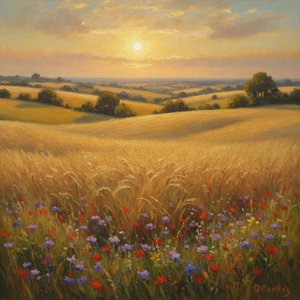
Golden Fields & Sun-Drenched Meadows: Capturing the Soul of Impressionist Landscapes
Immerse yourself in the luminous world of Impressionist landscapes. Discover how masters like Monet and Gauguin captured ephemeral light through plein air painting, and learn to bring the soul of sun-drenched meadows into your home with exquisite, hand-painted oil reproductions.

Capturing the Soul: The Most Emotionally Moving Impressionist and Post-Impressionist Masterpieces
Discover the profound emotional depth of Impressionist and Post-Impressionist masterpieces. Explore how legends like Monet, Van Gogh, and Gauguin captured light and soul through evocative landscapes and vibrant brushwork for a timeless connection to art history.