

 Pregledaj u prostoru
 Pošalji
 Podeli
 Detalji o delu
 Vodič
Vodič

 Preuzmi
 Slični predmeti
 Rendgenski snimak
 Automatska prezentacija
 Q&A
Q&A Statistika
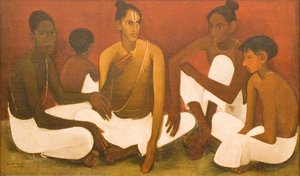
Ancient Story Teller

- 72.0 x 89.0 cm


Discover 'Ancient Story Teller' by Amrita Sher-Gil – a captivating 1940 oil painting depicting rural Indian life, storytelling, and cultural traditions. Explore its rich details & artistic legacy.
 Pročitaj više
Otkrijte Amritu Šer-Gil (1913–1941), pionirku mađarsko-indijske umetnosti koja je spojila istočne i zapadne stilove. Istražite njene upečatljive portrete i nasleđe kao ikone moderne indijske umetnosti.
Giclee štampa / Umetnički otisak
Giclée štampa ili print na platnu muzejskog kvaliteta uz brzu izradu i raznovrsne opcije završne obrade. ( Kupite ručno oslikano delo Pređi na digitalnu sliku)




P118B дин10

P118H дин10

P118W дин10

P438Z дин10

P508JH дин12

P508YH дин12

P805H дин10

P805Z дин10

P919BZ дин10

P919G дин10

P919XJ дин10

P959ZH дин10

P968JZ дин12

W106C дин8

W218G дин10

W218JH дин8

W218Y дин10

W307PJ дин10

W316G дин10

W316PJ дин8

W316Y дин10

W398PJ дин8

W4111J дин10

W500HY дин15

W500JH дин15

W692G дин12

W849H дин8

W940BG дин15

W953PJ дин8




Standardne dimenzije
po meri
CM
INCH
Izaberite jednu od naših unapred definisanih veličina koje odgovaraju originalnim proporcijama umetničkog dela.
Loading sizes...

širina
visina
Unesite željenu širinu i visinu kako bi se štampa uklopila u vaš ram ili zid. Štampu je moguće samo iseći, ali nikada povećati iznad dimenzija originalne slike, stoga format sa drugačijim proporcijama uzrokuje gubitak dela slike. Pre početka štampe, poslaćemo vam digitalni prikaz radi potvrde. Slika prikazana na ovoj stranici ne predstavlja stvarni isrez — to pokazuje samo digitalni prikaz.
Dostava širom sveta () za 2 nedelje umesto uobičajenih 4/5 nedelja. (1 новембар)

Besplatna ekspresna dostava širom sveta

Visokokvalitetno laneno platno

Potpuno osiguranje transporta

Garancija povraćaja carine i uvoznih dažbina

Garancija vernosti boja

Politika povraćaja u roku od 100 dana (samo u slučaju nedostataka)

Garancija povrata 100% novca

Popust na više proizvoda
 Opcija sa staklom dostupna je samo za dimenzije manje od 110 cm

Ancient Story Teller
Giclee štampa / Umetnički otisak
Dimenzije reprodukcije
-


Ukupna cena
дин 7188
A Window into Rural India: Amrita Sher-Gil’s “Ancient Story Teller”
Amrita Sher-Gil's "Ancient Story Teller," painted in 1940, isn’t merely a depiction of a village scene; it’s a poignant meditation on tradition, community, and the quiet dignity of everyday life. This oil painting on canvas offers a rare glimpse into the heart of rural India during a pivotal moment in its artistic awakening, blending influences from both traditional Pahari miniature art and the burgeoning modernism she encountered in Europe. The artwork immediately draws the viewer in with its earthy palette – ochres, browns, and reds dominate, punctuated by the stark white of a substantial building that anchors the composition and provides a sense of timelessness. The blurred lines and simplified forms, characteristic of Sher-Gil’s style, create an atmosphere of tranquility, inviting us to linger within this intimate tableau.
A Composition Steeped in Narrative
The scene unfolds around a central figure – an elderly man seated amongst a group of women. He is the storyteller, his presence radiating wisdom and experience as he captivates his audience with tales passed down through generations. The arrangement isn’t formal; it feels utterly natural, capturing the spontaneous flow of conversation and shared moments within a close-knit community. A young cow, nosing amongst them, adds an element of playful innocence to the scene. The placement of the figures against the backdrop of the large white building subtly suggests hierarchy – the storyteller as the focal point, the women as his attentive listeners, while the structure itself represents stability and perhaps even a connection to ancestral roots. The artist masterfully uses perspective, creating a shallow depth that focuses our attention on the immediate interaction between the individuals.
Technique and Artistic Influences
Sher-Gil’s technique is both meticulous and expressive. She employed layering oil paints to build up texture and create a sense of volume, particularly evident in the folds of the women's clothing and the weathered surfaces of the building. The brushwork is loose yet deliberate, conveying movement and emotion without resorting to overly detailed rendering. The influence of European modernism – specifically Cubism and early Renaissance portraiture – is subtly woven into her style. The flattened forms, simplified shapes, and emphasis on capturing a single moment in time are hallmarks of these movements. However, Sher-Gil never loses sight of her Indian roots; she skillfully integrates traditional miniature painting techniques—particularly the use of color and composition—into her modern approach.
Symbolism and Emotional Resonance
"Ancient Story Teller" is rich in symbolic meaning. The storyteller himself represents the enduring power of oral tradition, a vital link to the past and a cornerstone of Indian culture. The women, engaged in their daily tasks, embody resilience, community spirit, and perhaps even a quiet defiance against societal constraints. The white building could be interpreted as a symbol of purity or simply the established order of the village. More profoundly, the painting speaks to the universal human need for connection, storytelling, and shared experience – themes that transcend cultural boundaries. Sher-Gil’s ability to capture such profound emotions with such understated elegance is what makes this work so enduringly captivating.
A Legacy of Vision
Painted just a few years before her untimely death at the age of 27, “Ancient Story Teller” stands as a testament to Amrita Sher-Gil’s remarkable talent and vision. Her work challenged conventional notions of Indian art and paved the way for future generations of artists. Today, this painting continues to resonate with viewers, offering a poignant reminder of the beauty and complexity of rural India and the enduring power of human connection. Reproductions of this artwork offer a chance to bring this evocative scene into any space, inviting contemplation and sparking conversations about culture, tradition, and the stories that shape our lives.
Pitanja i odgovori
U kojoj godini je nastalo delo „Ancient Story Teller”, autor Amrita Šer-Gil?
„Ancient Story Teller“ potiče iz 1940. Ovaj datum smešta delo u okviru karijere umetnika Amrita Šer-Gil i same ere.
Ko je autor dela "Ancient Story Teller" i u kom umetničkom pravcu?
Delo "Ancient Story Teller" delo je Amrita Šer-Gil u stilu Cubism. Umetnik i pravac definišu tradiciju ovog dela.
Za šta se preporučuje reprodukcija dela „Ancient Story Teller”, autor Amrita Šer-Gil?
Preporučena upotreba printa dela "Ancient Story Teller" je Mood.




Biografija umetnika
Život koji je premostio svetove: Priča o Amriti Šer-Gil
Amrita Šer-Gil, ime koje je postalo sinonim za rađanje moderne indijske umetnosti, bila je umetnica čija je kratka, ali blistava karijera ostavila neizbrisiv trag u kulturnom pejzažeu. Rođena u Budimpešti 1913. godine u fascinantno raznolikom porodičnom okruženju – kao ćerka Umrao Singa Šer-Gil Madžitije, sikh aristokrate i učenjaka, i Marie Antoinette Gottesmann, mađarske jevrejske operne pevačice – njena su sudbina bila ispisana kroz upečatljive kontraste. Ovo jedinstveno nasleđe u nju je utisnulo senzibilitet koji će duboko oblikovati njenu umetničku viziju, omogućavajući joj da se sa izuzetnom dubinom kreće kroz složenosti identiteta i pripadanja. Od rane mladosti, Amrita je pokazivala rano talenat za slikarstvo, primajući formalne lekcije već sa osam godina. Detinjstvo u Budimpešti izložilo ju je bogatoj tapiseriji evropske umetnosti i kulture, dok su leta provedena u Indiji pokrenula rastuću fascinaciju njenim živopisnim tradicijama i društvenim realnostima. Vodstvo njenog ujaka, Ervina Baktaja, indologa, bilo je presudno; on je prepoznao njen potencijal i pružio joj kritične povratne informacije, postavljajući čvrste temelje za njen umetnički razvoj.Od pariskih studija do indijske duše
Amritina formalna obuka odvela ju je u Pariz 1929. godine, gde se upisala na Académie de la l'Grande Chaumière pod mentorstvom Pierre Vaillenta i Luciena Simona, a kasnije pohađala i École des Beaux-Arts. Uronjena u boemsku atmosferu grada, upijala je uticaje evropskog modernizma, posebno dela Pola Sezana i Pola Ggena. Međutim, duboka promena dogodila se njenim povratkom u Indiju 1934. godine. To nije bilo samo geografsko preseljenje; to je bio umetnički povratak kući. Inspirisana veličanstvenom moćnošću mogulskih slika, delikatnim lirizmom Pahari minijatura i drevnim freskama Ajante, Amrita je počela da istražuje indijske teme sa novonadvenim žarom. Težila je tome da uhvati suštinu svakodnevnog života – tiho dostojanstvo ruralnih zajednica, intimne trenutke deljene među ženama i sirovu lepotu indijskog pejzaža. Ovo je označilo prekretnicu u njenom umetničkom putovanju, jer se svesno udaljavala od čisto zapadnih stilova i upustila u potragu za stvaranjem jedinstvenog indijskog vizuelnog jezika.Prepoznatljiv stil: Boja, forma i psihološka dubina
Stil Amrite Šer-lič je trenutno prepoznatljiv po hrabrom korišćenju boja, pojednostavljenim oblicima i ekspresivnim figurama. Posedovala je izvanrednu sposobnost da prenese psihološku dubinu u svojim portretima, beležeći ne samo fizičku sličnost svojih subjekata, već i njihove unutrašnje živote, njihove nade i borbe. Njena dela karakteriše osećaj tihe intenzivnosti, melankolična lepota koja rezonuje sa posmatračima čak i danas. Radovi poput „Mladih devojaka“ (1932), koji je stekao međunarodno priznanje – osvajanjem zlatne medalje i izborom za pridruženu članicu Grand Salon u Parizu – demonstriraju njeno majstorstvo u kompoziciji i boji. „Autoportret (7)“ i „San“ dalje prikazuju njenu evoluirajuću umetničku viziju, otkrivajući spremnost na eksperimentisanje sa formom i istraživanje tema identiteta i senzualnosti. Ona nije samo prikazivala ono što je videla; ona je svoja dela prožela emocijom, stvarajući radove koji su istovremeno vizuelno zadivljujući i duboko dirljivi.Nasleđe i trajni uticaj
Tragično kratak život Amrite Šer-Gil – umrla je 1941. godine u 28. godini – ne umanjuje ogroman uticaj koji je imala na indijsku umetnost. Ona se s pravom smatra pionirkom moderne indijske slike, povezujući zapadne umetničke tehnike sa autohtonim tradicijama i otvarajući put budućim generacijama umetnika. Njen rad je suptilno kritikovao društavne nejednakosti i istraživao teme identiteta, roda i klase u kolonijalnoj Indiji, čineći je umetnicom ispred svog vremena. Danas su njene slike među najvrednijim delima indijskih žena slikarki, što je svedočanstvo njihove istorijske važnosti i umetničke vrednosti. Pored svoje tehničke veštine, nasleđe Amrite Šer-Gil leži u njenoj sposobnosti da uhvati dušu Indije – njenu lepotu, njenu složenost i njen neprolazni duh. Njene lične prepiske, koje otkrivaju složene odnose, uključujući i veze istog pola, nude dodatni uvid u život i perspektivu umetnice, dodajući još jedan sloj razumevanju ove izuzetan žene i njene umetnosti. Ona ostaje ikona, simbol umetničke inovacije i kulturne fuzije, čiji rad nastavlja da inspiriše i očarava publiku širom sveta.Značajna dela
- Mladi devojke (1932): Ključno rano delo koje joj je donelo međunarodno priznanje.
- Autoportret (7): Demonstrira njen evoluirajući stil i istraživanje identiteta.
- San (1933):
Potresni akt koji odražava njenu jedinstvenu umetničku viziju. - Seoska scena (1936-37): Uhvaćena suština ruralnog indijskog života sa izuzetnom senzibilitetnošću.
- Tri žene (193ema): Moćan prikaz ženskog prijateljstva i otpornosti.

Amrita Šer-Gil
1913 - 1941 , Slovačka
Osnovne informacije
- Artistic Movement Or Style: Moderna indijska umetnost, Avangarda
- Artists Or Movements Influenced By This Artist: Moderni indijski umetnici
- Artists Who Influenced This Artist:
- Pol Sezan
- Pol Gogen
- Date Of Birth: 30. januar 1913.
- Date Of Death: 5. decembar 1941.
- Full Name: Amrita Šer-Gil
- Nationality: Mađarsko-indijska
- Notable Artworks:
- Mlade devojke
- Autoportret (7)
- Spavanje
- Place Of Birth: Budimpešta, Slovačka
Povezani članci

The Soul of Impressionism: Why Oil on Canvas Captures Eternal Light and Timeless Emotion
Discover the enchanting alchemy of Impressionism. Explore how the mastery of oil on canvas, through glazing and impasto, captures eternal light and emotion. Perfect for lovers of Monet and Van Gogh seeking the profound depth of hand-painted fine art.