


 Pregledaj u prostoru
 Podeli
 Podeli
 Detalji
 Vodič
Vodič

 Preuzmi sliku
 Slični predmeti
 Rendgenski snimak
 Automatska prezentacija
 Statistika
The Lighthouse at Collioure


André Derain's 'The Lighthouse at Collioure' (1905) – A vibrant Fauvist masterpiece showcasing bold colors and dynamic composition. Own a piece of art history!
 Pročitaj više
Андре Дераин (1880-1954): Кључни оснивач Фовизма, познат по смелим бојама и експресивном стилу. Истражите његова икона слике Лондона и еволуцију ка класицизму.
Ručno rađena uljana reprodukcija
Ručno oslikano uljanim bojama na platnu u dimenzijama i okviru po vašem izboru, izrađeno po porudžbini od strane naših umetnika. ( Pređi na prodaju štampanih primeraka Pređi na prodaju digitalnih slika)




P118B дин10

P118H дин10

P118W дин10

P438Z дин10

P508JH дин12

P508YH дин12

P805H дин10

P805Z дин10

P919BZ дин10

P919G дин10

P919XJ дин10

P959ZH дин10

P968JZ дин12

W106C дин8

W218G дин10

W218JH дин8

W218Y дин10

W307PJ дин10

W316G дин10

W316PJ дин8

W316Y дин10

W398PJ дин8

W4111J дин10

W500HY дин15

W500JH дин15

W692G дин12

W849H дин8

W940BG дин15

W953PJ дин8




Standardne dimenzije
po meri
CM
INCH
Izaberite jednu od naših unapred definisanih veličina koje odgovaraju originalnim proporcijama umetničkog dela.
Loading sizes...

širina
visina
Unesite širinu i visinu koja vam je potrebna, kako bi se uklopili u vaš ram ili zid. Pošto je ovo ručno oslikano delo, umetnik može naslikati malo više prostora oko slike ili malo skratiti ivice za dimenzije drugačijeg oblika — izbor je na vama. Pre početka rada, poslaćemo vam digitalni prikaz radi potvrde. Slika prikazana na ovoj stranici ne predstavlja konačan rezultat — samo digitalni prikaz pokazuje stvarnu sliku.
Primeri mogućih izmena: Zamena lica fotografijom kupca; Dodavanje ljubimca (npr. zamena mačke psom); Uključivanje skrivene poruke u pozadini; Promena pejzaža ili elemenata pozadine.
Nakon narudžbine, tim TopImpressionists.com će klijentu putem e-pošte poslati uputstva i dostaviti prikaz predloženog rešenja
Nakon narudžbine, tim TopImpressionists.com će klijentu putem e-pošte poslati uputstva i dostaviti prikaz predloženog rešenja
Svetska isporuka () za 3/4 nedelje umesto uobičajenih 5 nedelja. (22 октобар). Bez kompromisa po pitanju kvaliteta.

Besplatna ekspresna dostava širom sveta

Visokokvalitetno laneno platno

Sveobuhvatno osiguranje transporta

Garancija povraćaja carine i uvoznih dažbina

Garancija vernosti boja i autentičnosti pri reprodukciji

Politika povraćaja u roku od 100 dana (samo u slučaju nedostataka)

Garancija povrata 100% novca

Popust pri većoj količini
 Opcija sa staklom dostupna je samo za dimenzije manje od 110 cm

The Lighthouse at Collioure
Tehnika izrade reprodukcije
Veličina reprodukcije
-


Ukupna cena
дин 27572
The Lighthouse at Collioure: A Fauvist Symphony of Light and Emotion
André Derain’s “The Lighthouse at Collioure,” painted in 1905, isn't merely a depiction of a coastal scene; it’s an immersive experience—a vibrant explosion of color and movement that encapsulates the heart of the Fauvist movement. Housed within the Musée d’art Moderne de la Ville de Paris, this oil on canvas transports the viewer to the picturesque harbor village of Collioure in southern France, capturing not just a landscape but also a fleeting moment of intense feeling. The painting immediately assaults the senses with its audacious palette: searing yellows and oranges dominate the sky and buildings, juxtaposed against deep ultramarine blues and greens of the sea and surrounding vegetation. This deliberate departure from naturalistic color was a defining characteristic of Fauvism – a rebellion against academic tradition where color served not to represent reality but to express emotion directly.
Derain’s technique is equally striking. He employs loose, expressive brushstrokes, applying paint with a visible and energetic hand. The forms are simplified and flattened, prioritizing the impact of color and light over meticulous detail. Notice how he uses broken color—small dabs of contrasting hues layered upon each other—to create shimmering effects on the water and to suggest the play of sunlight. This technique, combined with his use of bold outlines, contributes to a sense of dynamism and immediacy, as if the scene is constantly shifting and evolving before our eyes. The lighthouse itself, rendered in stark white against the vibrant backdrop, acts as a focal point, drawing the viewer’s gaze into the heart of the composition.
A Window into Fauvism's Soul
To understand “The Lighthouse at Collioure,” it’s crucial to grasp the context of its creation. The late 1890s and early 1900s witnessed a profound shift in artistic sensibilities, fueled by advancements in color theory and a growing dissatisfaction with the constraints of academic art. Derain, along with Henri Matisse, spearheaded the Fauvist movement – a short-lived but hugely influential period characterized by its unrestrained use of color, often divorced from naturalistic representation. The term “Fauves” (wild beasts) was initially applied derisively by critic Louis Vauxcelles, reflecting the critics’ perception of the artists' work as chaotic and primitive. However, the Fauves embraced this label, recognizing it as a badge of rebellion against established artistic norms.
The painting reflects the Fauvist fascination with light and atmosphere. Derain wasn’t simply recording what he saw; he was attempting to capture the *feeling* of being present in that particular moment – the warmth of the sun, the freshness of the sea air, the vibrant energy of the harbor. The inclusion of multiple smaller lighthouses scattered throughout the scene adds a layer of complexity and reinforces this sense of movement and visual richness. The composition itself is deliberately unbalanced, creating a dynamic tension that mirrors the emotional intensity of the subject matter.
Symbolism and Emotional Resonance
Beyond its purely aesthetic qualities, “The Lighthouse at Collioure” carries significant symbolic weight. The lighthouse, a traditional symbol of guidance and safety, can be interpreted as representing hope and stability amidst the chaos of life. Its stark white form stands in contrast to the swirling colors of the surrounding landscape, suggesting a desire for clarity and direction. The harbor itself, with its bustling activity and diverse elements – boats, buildings, people – embodies the complexities and contradictions of human experience. The painting’s overall mood is one of joyful exuberance tempered by a subtle undercurrent of melancholy—a recognition that even in moments of beauty and vibrancy, there exists an underlying sense of transience.
The choice of Collioure as the setting for this pivotal work is also noteworthy. The village, with its distinctive architecture and stunning coastal scenery, provided Derain with a perfect canvas for his artistic experiments. It was a place where he could freely explore color and form without the constraints of traditional expectations. “The Lighthouse at Collioure” remains a powerful testament to Derain’s genius—a vibrant celebration of light, color, and emotion that continues to captivate viewers over a century later.
Pitanja i odgovori
U kojoj fazi karijere Андре Деран pripada delo "The Lighthouse at Collioure", s obzirom na njegov datum nastanka?
"The Lighthouse at Collioure", nastalo 1905. godine, pripada Fauvism Period u karijeri umetnika Андре Деран.
Da li je „The Lighthouse at Collioure”, Андре Деран među traženim delima Fauvism pokreta?
„The Lighthouse at Collioure”, Андре Деран je klasifikovan kao Recognized i pripada pokretu Fauvism.
Da li je dostupno preuzimanje za "The Lighthouse at Collioure"?
Preuzimanje je dostupno za "The Lighthouse at Collioure": stranica Preuzimanje ovog umetničkog dela nudi preuzimanje digitalne slike visoke rezolucije.
Srodna umetnička dela


Biografija umetnika
Rani Život i Klica Fauvizma
Andre Deren, rođen 1880. godine u šarmantnom selu Šatu blizu Pariza, prvobitno nije bio predodređen za život posvećen boji i platnu. Suprotno nekim pripovestima koje sugerišu nagli umetnički preporod kroz susrete sa slikarima poput Vlaminka ili Matisa, Deren je započeo svoj umetnički put samostalno oko 1895. godine. Ovi rani eksperimenti su često sprovodeni zajedno sa ocem Žakomenom i njegovim sinovima tokom izleta u prirodu – formativno iskustvo koje je usađivalo duboku zahvalnost za prirodni svet. Kratko je studirao inženjerstvo na Akademiji Kamilo 1898. godine, gde je sudbonosno naišao na Henrija Matisa, pokrećući ključno umetničko partnerstvo. Dalje studije pod Eugenom Karijerom usavršile su njegove temeljne veštine, ali je vojni rok od 1901. do 1904. godine privremeno prekinuo njegovu rastuću karijeru. Po povratku, ubeđen nepokolebljivim verovanjem Matisa, Deren odlučno napušta inženjering i potpuno se posvećuje slikarstvu, nastavljajući svoje obrazovanje na Akademiji Žulijan. Ova posvećenost je obeležila prelomni trenutak, postavljajući ga na put ka tome da postane centralna figura u jednom od najrevolucionarnijih pokreta moderne umetnosti.Eksplozivno Rođenje Boje: Fauvizam
Leto 1905. godine se pokazalo kao eksplozivan trenutak za Derena i Matisa, dok su sarađivali u suncem okupiranom obalinskom selu Koljur. Ovaj period je rodio dela poput “Planine kod Koljura”, karakterizovana radikalnim odstupanjem od reprezentativne boje. Pejzaži nisu bili samo prikazi mesta; bili su izrazi osećanja, renderovani intenzivno živim, nenaturalističkim nijansama. Kada je njihov rad izložen na Salonu d’Automn iste godine, izazvao je ogorčenje i zaprepašćenje. Kritičar Luj Voksels ih je poznato nazvao “Les Fauves” – divlje zveri – ime prvobitno namenjeno uvredljivo, ali na kraju prihvaćeno od strane samih umetnika. Derenov doprinos ovom pokretu nije bio samo stilski; posedovao je jedinstvenu sposobnost da prevede emocionalni intenzitet u čistu boju. Godine 1906., Ambroaz Volar ga je naručio da naslika London, što je rezultiralo serijom zadivljujućih platna koja prikazuju Temzu i Londonski toranj. Ovo nisu bili konvencionalni gradski pejzaži; bile su hrabre interpretacije, koje su uhvatale energiju i atmosferu Londona kroz nekonvencionalan objektiv – svedočenje Derenovog inovativnog viđenja. Inspirisan umetnicima poput Van Goga i Sezana, pomerio je granice boje i forme, postavljajući temelje za buduće generacije ekspresionističkih slikara.Iza Fauvizma: Promenljiva Estetika
Početni žar Fauvizma nije definisao čitav Derenov umetnički tok. Oko 1907. godine, njegov stil je započeo značajnu evoluciju, udaljavajući se od nekontrolisanog hromatskog razigranosti ka smirenijim tonovima i povećanom naglasku na formi. Ovaj period, često nazivan njegova “gotička” faza (1911-1914), odražavao je rastući interes za strukturu i kompoziciju. Uronio se u proučavanje starih majstora, inkorporirajući elemente kubizma istovremeno tražeći inspiraciju u klasičnim oblicima. Ovo nije bilo odbacivanje njegovog ranijeg rada, već proširenje njegovog umetničkog rečnika. Derenova svestranost se protezala i izvan slikarstva; 1919. godine dizajnirao je balet “La Boutique Fantasque” za Sergeja Djagiljeva Balets Rusa, demonstrirajući njegovu sposobnost za pozorišni dizajn i dalje pokazujući njegove raznolike talente. Ključna dela iz ove ere, kao što su "Harlekin i Pierrot" i monumentalni mural "Povratak Odiseja", primer su ove stilističke promene – pomera se ka kontrolisanijem i intelektualno rigoroznijem pristupu stvaranju umetnosti.Nasleđe i Komplikacije
Andre Derenovovo mesto u istoriji umetnosti je obezbeđeno kao osnivač Fauvizma, pokreta koji je nepovratno promenio tok moderne slikarstva. Njegova jedinstvena vizija Londona, uhvaćena na njegovim živopisnim platnima, ponudila je svež pogled na ikonični grad. Nakon Prvog svetskog rata, ponovo je stekao priznanje za svoj doprinos oživljavanju klasicizma, demonstrirajući svoju prilagodljivost i trajni umetnički značaj. Međutim, Derenov život kasnije obeležila kontroverza. Tokom Drugog svetskog rata, njegovo prisustvo u Nemačkoj izazvalo je kritike, što je dovelo do izopštavanja od strane nekih bivših pristalica nakon rata. Uprkos ovoj senci, njegov uticaj na sledeće generacije umetnika ostaje neporeciv. Umro je 1954. godine, ostavljajući za sobom opus dela koji nastavlja da očarava i inspiriše. *Njegovo nasleđe nije samo jedno od hrabrih boja i ekspresivnih poteza kistom, već i umetnika koji se neprestano izazivao, istraživao nove puteve izražavanja i ostavio neizbrisiv trag na pejzažu moderne umetnosti.* On stoji kao svedočenje moći umetničke inovacije i složenosti inherentne u navigaciji kroz brzo promenljivom svetu. Derenovo putovanje nas podseća da prava umetnost ne leži u pridržavanju jedinstvenog stila, već u neumornom traganju za kreativnom istinom.
Андре Деран
1880 - 1954 , Француска
Brzi pregled
- Artistic Movement Or Style: Фаувизам, Кубизам
- Artists Or Movements Influenced By This Artist:
- Матис
- Кубизам
- Artists Who Influenced This Artist:
- Ван Гог
- Сезан
- Date Of Birth: 10. јун 1880.
- Date Of Death: 8. септембар 1954.
- Full Name: Андре Деран
- Nationality: Француски
- Notable Artworks:
- Планине у Колијуру
- Харлекин и Пјеро
- Чаша чаја
- Лондонске слике
- Place Of Birth: Шату, Француска
Srodni članci

André Derain: Fauvism's Bold Visionary & the Evolution of Modern Color
Explore the revolutionary art of André Derain, co-founder of Fauvism. Discover his bold use of color, evolution from radical expressionism to classicism, and lasting influence on modern art history. Learn more at TopImpressionists.

The Gilded Age Reimagined: Exploring the Aesthetic Principles & Enduring Legacy of Art Deco
Explore the captivating world of Art Deco! Discover its origins, defining features, cultural impact & enduring legacy. Expert insights for collectors and design enthusiasts. Shop handmade reproductions at TopImpressionists.
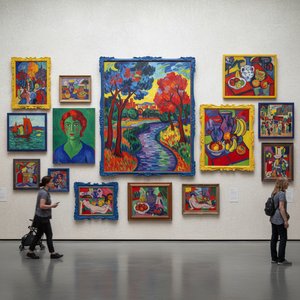
Fovizam: 10 Remek Dela Koje Su Definisali Ovaj Revolucionarni Pokret
Otkrijte 10 remek dela fovizma – umetnosti boja i emocija! Istražite radove Matisa, Deraina i Vlamincka. Naučite o ekspresionizmu i modernoj umetnosti. Pronađite inspiraciju za svoj enterijer na TopImpressionists.com!

Impressionism's Masterpieces: 10 Paintings That Defined a Movement | TopImpressionists
Journey through Impressionism's heart with 10 iconic paintings by Monet, Renoir & Degas. Explore light, color & the stories behind these masterpieces. Find museum-quality art reproductions and elevate your home decor on TopImpressionists.com.

Fauvism's Boldest Visions: 10 Masterpieces That Revolutionized Modern Art | TopImpressionists
Explore 10 Fauvist masterpieces by Matisse, Derain & Vlaminck that ignited Modern Art! Discover bold colors, expressionist landscapes & the history of this revolutionary movement. Find museum-quality prints at TopImpressionists.com.
Istražite umetnička dela organizovana prema temama, stilovima i karakteristikama.

