

Shown: · With its frame:
 Pregledaj u prostoru
 Pošalji
 Podeli
 Detalji o delu
 Vodič
Vodič

 Preuzmi
 Slični predmeti
 Rendgenski snimak
 Automatska prezentacija
 Q&A
Q&A Statistika
Confidences Painted by hand in oil, brushstroke by brushstroke
дин 27850
Ručno rađena uljana reprodukcija
Ručno oslikano uljanim bojama na platnu u dimenzijama i okviru po vašem izboru, izrađeno po porudžbini od strane naših umetnika. ( Pređi na štampu Pređi na digitalnu sliku)
Size
·Standardne dimenzije
po meri
CM
INCH
Izaberite jednu od naših unapred definisanih veličina koje odgovaraju originalnim proporcijama umetničkog dela.
Loading sizes...

širina
visina
Unesite potrebnu širinu i visinu kako bi se slika uklopila u vaš ram ili zid. Pošto je ovo ručno oslikano delo, umetnik može za dimenzije drugačijeg oblika naslikati malo više prostora oko slike ili malo skratiti ivice — izbor je na vama. Pre početka rada, poslaćemo vam digitalni prikaz radi potvrde. Slika prikazana na ovoj stranici ne predstavlja konačan rezultat — samo digitalni prikaz pokazuje stvarnu sliku.
 Pročitajte više
Finish
·
White дин1

Blurside дин1

Extended дин1

P118B дин10

P118H дин10

P118W дин10

P438Z дин10

P508JH дин12

P508YH дин12

P805H дин10

P805Z дин10

P919BZ дин10

P919G дин10

P919XJ дин10

P959ZH дин10

P968JZ дин12

W106C дин8

W218G дин10

W218JH дин8

W218Y дин10

W307PJ дин10

W316G дин10

W316PJ дин8

W316Y дин10

W398PJ дин8

W4111J дин10

W500HY дин15

W500JH дин15

W692G дин12

W849H дин8

W940BG дин15

W953PJ дин8

H24-GOLD дин30

H24-SILVER дин30

H36-GOLD дин45

H36-SILVER дин45
Shipped in a protective tube, ready for your own framer.
Above 105 cm the frame is shipped as a kit for a professional framer — read the details.
Extras
optionalWhat do the extras include?
Examples of what can be changed: Replace face with customer photo; Add pet (e.g., replace cat with dog); Include hidden message in background; Change background landscape or elements.
After order, TopImpressionists.com team will email client for instructions and provide a mockup preview
After order, TopImpressionists.com team will email client for instructions and provide a mockup preview
Svetska isporuka () za 3/4 nedelje umesto uobičajenih 5 nedelja. (29 октобар). Bez kompromisa po pitanju kvaliteta.
Zaštitni lak
Kratki opis natpisa
Detalji gravirane bronze ploče
This elegant plaque features the artist's name and the title of the artwork, finely engraved for a timeless presentation.
It is made from bronze with a refined, elegant finish. The text is precisely laser-engraved for a sharp and permanent result. Measuring 9x2 cm, the plaque is compact yet easy to read. It's built to be durable and scratch-resistant, offering a professional, museum-quality look. Mounting is simple thanks to the included adhesive backing.
Detalji prozirne akrilne pločice
The plaque includes essential engraved details such as the artist's name, the title of the artwork, the date it was created, the type of media used-like oil on canvas or watercolor-a brief description of the piece, and a QR code that links to the complete artwork information.
It is crafted from clear acrylic, offering a sleek, modern appearance. The text is UV-engraved in black to ensure strong visual contrast. With a size of 10x15 cm, it ensures optimal readability. It comes equipped with two metal hooks for secure wall mounting. The plaque is designed to be weather-resistant, making it suitable for various environments, and it includes interactive features that work seamlessly with smartphone scanning.
Detalji crne akrilne pločice
This elegant plaque includes engraved information such as the artist's name, the title of the artwork, the date it was created, the type of media used (like oil on canvas or watercolor), a short description of the artwork, and a QR code for quick access to more information.
The plaque itself is made from refined black acrylic with a premium finish. The text is laser-engraved in white for high contrast and readability. Its size is 10x15 cm, designed to be easy to read. It comes with two metal hooks for professional mounting. The design is sleek and fits any interior style. It is also weather-resistant and durable, with built-in digital integration for mobile compatibility.
Opcija sa staklom dostupna je samo za dimenzije manje od 110 cm
 Opcija sa staklom dostupna je samo za dimenzije manje od 110 cm
- Besplatna ekspresna dostava širom sveta
- Visokokvalitetno laneno platno
- Potpuno osiguranje transporta
- Garancija povraćaja carine i uvoznih dažbina
- Garancija vernosti boja
- Politika povraćaja u roku od 100 dana (samo u slučaju nedostataka)
- Garancija povrata 100% novca
- Popust na više proizvoda


Biografija umetnika
Explore the evocative paintings of Armando Spadini (1883-1925), an Italian Symbolist painter known for Roman cityscapes & portraits. Discover his unique style at Wikimedia Commons.
About the painting
Quick facts and art quiz
About Armando Spadini

Armando Spadini
1883 - 1925, Italy
Biografija umetnika
The Luminous Vision of Armando Spadini
Armando Spadini emerged from the vibrant artistic milieu of Florence at the turn of the century, a young man deeply attuned to both tradition and innovation. Born in July 1883, he descended from a craftsman's lineage—his father a skilled artisan and his mother a seamstress—shaping an early life amidst practical realities that would later inform his artistic sensibilities. His formative years were spent studying at Santa Croce, absorbing the aesthetic principles of Florentine Neoclassicism before enrolling in the prestigious Free School of Nude at the Academy of Fine Arts. It was within these hallowed halls that he forged enduring connections with pivotal figures such as Ardengo Soffici and Adolfo De Carolis, mentors and peers who would help shape his burgeoning artistic trajectory.
This encounter proved transformative, propelling him into the orbit of Leonardo, the Symbolist magazine that championed avant-garde experimentation and fostered a dialogue between established masters and emerging voices. Spadini’s participation in the 59th Esposizione Annuale Della Società Delle Belle Arti Di Firenze in 1906 marked his debut on the Florentine art scene—a moment of considerable significance as he presented works that signaled a nascent inclination toward Impressionistic techniques, mirroring the stylistic trends gaining momentum across Europe. He swiftly established himself within a cohort of artists who sought to redefine expression, embracing the challenge posed by the Symbolist movement while simultaneously grounding his vision in the rich heritage of Italian painting history.
A Journey Through Light and Intimacy
In 1910, Spadini moved to Rome, a transition that would solidify his commitment to exploring new creative horizons. The city's atmosphere—characterized by intellectual ferment and a palpable yearning for aesthetic renewal—provided fertile ground for his endeavors. His move was not merely geographical but deeply personal; he traveled with his wife, Pasqualina Cervone, whom he had met at the school of Giovanni Fattori. Pasqualina was more than a companion; she was a talented pupil herself and became Spadini's most enduring muse, appearing frequently in works that captured the quiet, tender moments of domestic life.
Spadini’s painting style is often described as being driven by instinct rather than rigid academic will. He possessed a unique ability to assimilate the joy of color, drawing inspiration from the transparent clarity of the Venetians and the luminous qualities of the French Impressionists. His work avoids the tormenting, heavy research found in many of his contemporaries, opting instead for an open, laughing, and summarizing approach. This "solar luminosity" became a hallmark of his oeuvre, allowing him to translate the familiar aspects of domestic intimacy into compositions that feel both abundant and light-filled.
Legacy of the Scuola Romana
As a representative of the so-called Scuola Romana, Spadini occupied a vital space in the transition between the 19th and 20th centuries. His talent was recognized early through prestigious accolades, such as winning the competition for the Pensionato artistico nazionale in 1909. Throughout his career, he maintained a profound connection to family intimacy, often imbuing his portraits and landscapes with a sense of warmth and "happy temperament" that resonated with viewers.
Though his life was tragically short, ending in Rome in 1925, the impact of his vision remains palpable. His contributions can be summarized through several key artistic pillars:
- Mastery of Light: A signature use of solar luminosity and transparent color that bridged the gap between Italian tradition and modern Impressionism.
- Emotional Depth: An ability to capture the "lyrical embrace" of familiar people and places, turning domestic scenes into profound emotional experiences.
- Stylistic Synthesis: The seamless blending of Symbolist themes with a spontaneous, instinctive brushwork that felt ahead of its time.
Today, Spadini is remembered not just as a painter of landscapes and portraits, but as an artist who captured the very essence of light and life, leaving behind a legacy of beauty that continues to illuminate the history of Italian modernism.
Quick facts about Armando Spadini
- Full Name: Armando Spadini
- Nationality: Italian
- Date Of Birth: 1883
- Date Of Death: 1925
- Place Of Birth: Florence, Italy
- Notable Artworks:
- Woman
- In the park of Villa Borghese
- Portrait of the Artist's Wife
- Artistic Movement Or Style: Impressionism
- Artists Who Influenced This Artist: ['Giovanni Fattori']
- Artists Or Movements Influenced By This Artist: ['Impressionists']

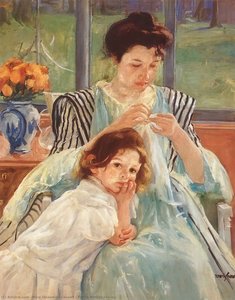


Confidences
·