

 Pregledaj u prostoru
 Podeli
 Podeli
 Detalji
 Vodič
Vodič

 Preuzmi sliku
 Slični predmeti
 Rendgenski snimak
 Automatska prezentacija
 Statistika
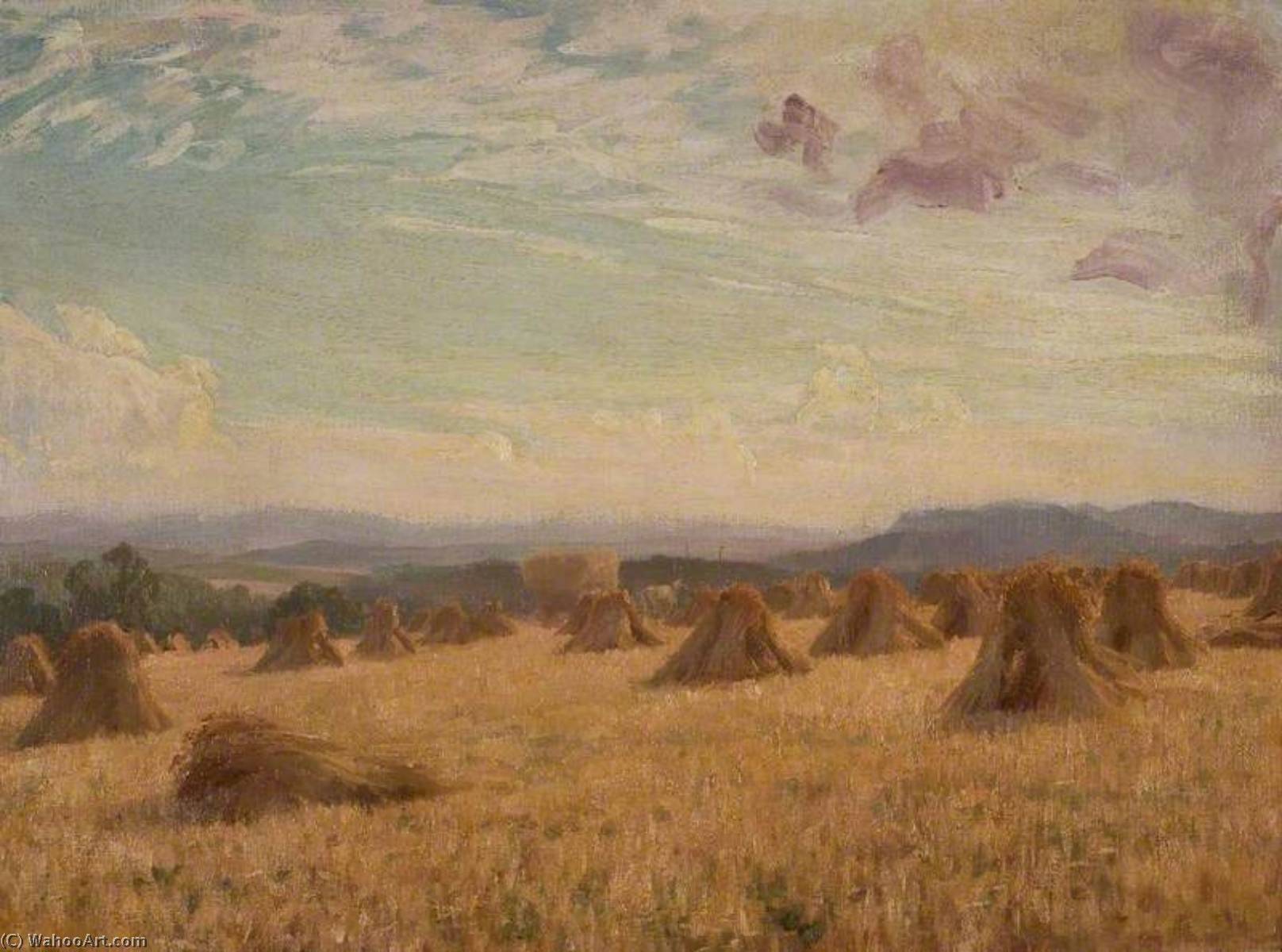
Harvesting Towards Morehampton
 1910
1910 38.0 x 52.0 cm
 Pročitaj više
Discover the evocative landscapes & portraits of British artist Brian Hatton (1887-1916). Explore his early works, local scenes & significant exhibition at Hereford Museum.
Kupite digitalnu sliku visoke rezolucije i poboljšanog kvaliteta, koja je znatno superiornija od onoga što vidite u online prikazu.
Svaka datoteka je pedantno pripremljena od strane naših stručnjaka koristeći napredne alate i profesionalnu ručnu retušu. Osiguravamo da svaka slika ima izuzetnu oštrinu, preciznu reprodukciju boja i fine detalje.
Konačna datoteka se dostavlja putem e-pošte u roku od 72 sata, optimizovana za neposrednu upotrebu u profesionalnim, izdavačkim i štamparskim okruženjima. To je isti kvalitet kojem veruju vrhunski studiji dizajna, izdavači i galerije.
Digitalna slika
Preuzmite datoteku visoke rezolucije za ličnu upotrebu, štampanje i kreativne projekte. ( Pređi na prodaju štampanih primeraka Naručite ručno oslikano reprodukciju)
Uključeno uz svaku porudžbinu digitalne slike
Ekspertska digitalna isporuka, zagarantovana
Kada odaberete TopImpressionists.com, ne dobijate samo sliku – vi primate profesionalno unapređeno digitalno umetničko delo, izrađeno sa najvećom preciznošću i uz garanciju zadovoljstva. Evo svega što automatski dolazi uz vašu porudžbinu:

Brza dostava putem e-pošte
Vaša digitalna slika visoke rezolucije biće vam poslata putem e-pošte u roku od 72 sata od poručivanja – spremna za trenutnu upotrebu.

Digitalna datoteka unapređena veštačkom inteligencijom
Vaše umetničko delo je profesionalno optimizovano primenom naprednih AI alata i ručne obrade, čime se osiguravaju maksimalni detalji, oštrina i preciznost boja.

Besplatna doživotna ponovna isporuka
Slučajno ste obrisali ili izgubili svoju datoteku? Ne brinite – poslaćemo vam je ponovo u bilo kom trenutku, potpuno besplatno.

Bez troškova uvoza – zauvek
Uživajte u svojim umetničkim delima trenutno, bez carine, akciza ili troškova dostave – digitalni download je uvek bez poreza.

Garancija preciznosti boja
Uz pomoć profesionalnih alata i upravljanja bojama, osiguravamo da vaša digitalna slika što vernije odražava originalne boje.

Garancija zadovoljstva u roku od 100 dana
Ako niste zadovoljni svojom digitalnom slikom, izvršićemo reviziju ili ćemo vam vratiti 100% novca u roku od 100 dana – bez ikakvih pitanja.

100% garancija povrata novca
Niste zadovoljni? Dobijte puni povraćaj novca u roku od 100 dana od prijema digitalne datoteke – bez suvišnih pitanja.

Popusti na velike porudžbine
Kupite 3 slike, uštedite 10% - Kupite 5 slika, uštedite 15% - Kupite 10+ slika, uštedite 20%. Odlično za kreativne projekte, galerije i agencije.
The painting Harvesting Towards Morehampton by Brian Hatton is a beautiful representation of rural life in the early 20th century. Created in 1910, this oil on canvas piece measures 38 x 52 cm and is currently housed at the Hereford Museum and Art Gallery in the United Kingdom.
The Hereford Museum and Art Gallery is a must-visit destination for art lovers, with a collection of artworks that includes pieces by Brian Hatton and other notable artists. For more information on the museum and its collection, visit the TopImpressionists.com page on the museum.
Composition and Style
The painting depicts a serene landscape with a field of wheat as the main subject. The sky above is cloudy, adding to the overall atmosphere of the scene. Several stacks of hay are scattered throughout the field, with some closer to the foreground and others further away. Trees can be seen in the distance, adding depth to the composition. The use of warm colors and soft brushstrokes creates a sense of tranquility, inviting the viewer to step into the peaceful world of the painting. Key elements of the painting include the use of light and shadow, which adds volume and texture to the scene. The artist's attention to detail is also evident in the way the wheat stalks are depicted, with each one carefully rendered to create a sense of movement and energy.Artist and Inspiration
Brian Hatton was a British artist known for his landscapes and rural scenes. His work is characterized by a sense of calmness and serenity, which is evident in Harvesting Towards Morehampton. The painting is reminiscent of other works by artists such as Winslow Homer, who was known for his American Realist paintings.- For more information on Brian Hatton and his work, visit the Alfred East Art Gallery page on TopImpressionists.com.
- To see more paintings by Brian Hatton, visit the Brian Hatton page on TopImpressionists.com.
The Hereford Museum and Art Gallery is a must-visit destination for art lovers, with a collection of artworks that includes pieces by Brian Hatton and other notable artists. For more information on the museum and its collection, visit the TopImpressionists.com page on the museum.
Pitanja i odgovori
Kako se opisuje paleta dela „Harvesting Towards Morehampton”, Brian Hatton?
„Harvesting Towards Morehampton”, Brian Hatton koristi Earthy paletu boja. Ova paleta sažima opšti koloristički karakter dela.
Da li se prikaz „Harvesting Towards Morehampton”, Brian Hatton može slobodno reprodukovati?
Status autorskih prava za „Harvesting Towards Morehampton”, Brian Hatton: delo je u javnom vlasništvu – autorska prava su istekla. Ovo određuje da li se reprodukcije slike mogu slobodno izrađivati.
Kako se kontrast i harmonija spajaju u delu "Harvesting Towards Morehampton"?
Koloristička kompozicija dela „Harvesting Towards Morehampton”, Brian Hatton spaja Serene kontrast sa Unified Palette harmonijom.
Biografija umetnika
A Lost Voice of the English Countryside
The story of Brian Hatton is one of remarkable, if tragically curtailed, artistic promise. Born in 1887 amidst the idyllic landscapes of Broomy Hill, Herefordshire, Hatton emerged as a significant figure in British landscape painting during the formative years of the twentieth century. His life and work were inextricably linked to the rural traditions of his homeland, yet his vision was shaped by much broader horizons. Though his career was cut short by his untimely death in action during the First World War at just twenty-eight years old, he left behind a profoundly moving body of work that offers a poignant glimpse into a disappearing world—a testament to the power of capturing beauty amidst impending change.
Hatton’s artistic journey began with an early fascination for drawing and sketching, nurtured by a supportive family who recognized his burgeoning talent. As he matured, his sensibilities were profoundly shaped by exposure to influential European movements. Through visits to Paris, he encountered the transformative techniques of Impressionism and Neo-Romanticism, absorbing the methods of masters such as Monet and Sisley. These encounters encouraged him to prioritize the capture of fleeting moments of light and atmosphere, a hallmark of his distinctive approach that would define his later mastery.
Technique, Light, and the Human Element
In his execution, Hatton skillfully blended meticulous observation with a rich, imaginative spirit. His canvases were not merely topographical records of the Worcestershire countryside; they were emotive explorations of texture and mood. He possessed a unique ability to render the physical world—the rugged textures of hedgerows, the weathered stone of walls, and the sprawling fields of Morehampton Manor—with such precision that the viewer can almost feel the dampness of the earth or the warmth of the sun. His style often utilized bold brushstrokes and a vivid yet balanced palette to create depth and visual tension.
Beyond the purely pastoral, Hatton’s oeuvre is notable for its deep humanist element. He frequently infused his landscapes with figures engaged in the quiet dignity of everyday life. Whether through figure studies or more narrative scenes like “Saddling Up,” he portrayed a profound connection between humanity and the land. His portraits and figure paintings, such as the serene “Reclining Nude” (1912), demonstrate a sensitive touch regarding gesture and expression, revealing a psychological depth that complemented his technical accuracy.
Legacy and Historical Significance
The trajectory of Hatton’s career was marked by significant milestones, most notably his exhibition at the Hereford Museum in 1913. This showcase served as a pivotal moment, garnering recognition for his ability to synthesize local identity with modern artistic sensibilities. His work, ranging from the Post-Impressionist echoes in “The Falcon” (1909) to the evocative autumn tones of “The Wye, Belmont Woods,” showcases an artist constantly evolving and pushing the boundaries of British landscape tradition.
Today, Brian Hatton is remembered as a "lost voice" of the early twentieth century. His death in 1916 represents more than just the loss of a single talented individual; it symbolizes the silencing of a promising artistic movement that might have bridged the gap between traditional ruralism and modernism. His surviving works remain vital pieces of British art history, preserved in collections such as the Hereford Museum and Art Gallery, serving as enduring echoes of a landscape and a way of life that were forever altered by the dawn of the modern age.

Brian Hatton
1887 - 1916
Osnovne informacije
- Full Name: Brian Hatton
- Nationality: British
- Date Of Birth: 1887
- Date Of Death: 1916
- Place Of Birth: Herefordshire, England
- Notable Artworks:
- Reclining Nude
- Harvesting Towards Morehampton
- Saddling Up
- Artistic Movement Or Style: Early 20th Century Landscape Painting