
 Pregledaj u prostoru
 Pošalji
 Podeli
 Detalji o delu
 Vodič
Vodič

 Preuzmi
 Slični predmeti
 Rendgenski snimak
 Automatska prezentacija
 Pitanja i odgovori
 Statistika
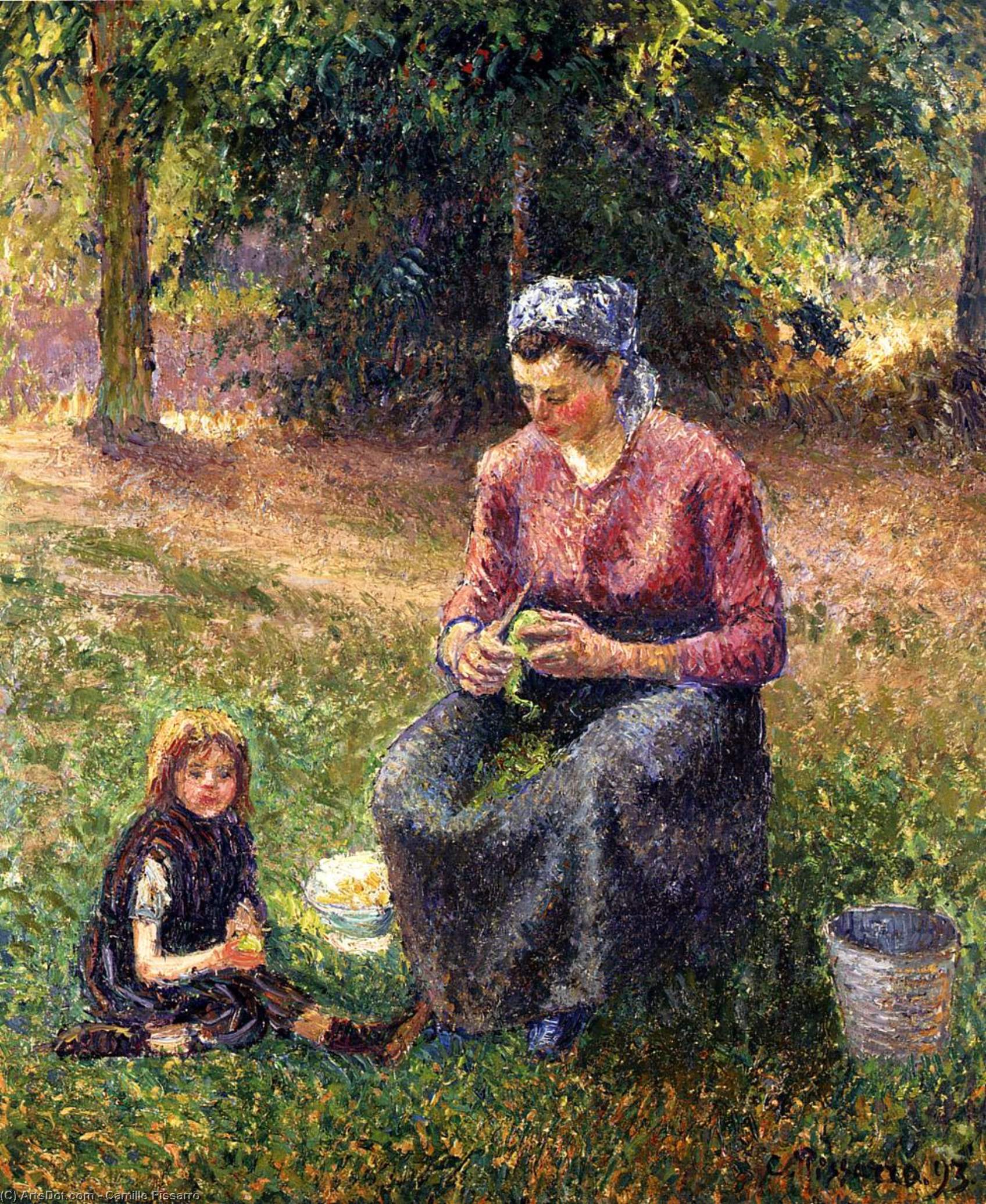
Седнала жена и деца

- 65.0 x 53.0 cm


Уживајте у мирној животи код природе у овом дивном портрету Камилла Писара од импресионистичког стила из 1893. године! Позната је и по својој локација у музеју Орсеј у Парису.
 Pročitaj više
Kamij Pisaro, ključna figura impresionizma i neoimpresionizma! Otkrijte njegove pejzaže i scene svakodnevnog života koji su uticali na Van Goga, Sezana i mnoge druge. Pionir *plein air* slikarstva!
Giclee štampa / Umetnički otisak
Giclée štampa ili print na platnu muzejskog kvaliteta uz brzu izradu i raznovrsne opcije završne obrade. ( Kupite ručno oslikano delo Pređi na digitalnu sliku)




P118B дин10

P118H дин10

P118W дин10

P438Z дин10

P508JH дин12

P508YH дин12

P805H дин10

P805Z дин10

P919BZ дин10

P919G дин10

P919XJ дин10

P959ZH дин10

P968JZ дин12

W106C дин8

W218G дин10

W218JH дин8

W218Y дин10

W307PJ дин10

W316G дин10

W316PJ дин8

W316Y дин10

W398PJ дин8

W4111J дин10

W500HY дин15

W500JH дин15

W692G дин12

W849H дин8

W940BG дин15

W953PJ дин8




Standardne dimenzije
po meri
CM
INCH
Izaberite jednu od naših unapred definisanih veličina koje odgovaraju originalnim proporcijama umetničkog dela.
Loading sizes...

širina
visina
Unesite željenu širinu i visinu kako bi se štampa uklopila u vaš ram ili zid. Štampu je moguće samo iseći, ali nikada povećati iznad dimenzija originalne slike, stoga format sa drugačijim proporcijama uzrokuje gubitak dela slike. Pre početka štampe, poslaćemo vam digitalni prikaz radi potvrde. Slika prikazana na ovoj stranici ne predstavlja stvarni isrez — to pokazuje samo digitalni prikaz.
Dostava širom sveta () za 2 nedelje umesto uobičajenih 4/5 nedelja. (4 новембар)

Besplatna ekspresna dostava širom sveta

Visokokvalitetno laneno platno

Potpuno osiguranje transporta

Garancija povraćaja carine i uvoznih dažbina

Garancija vernosti boja

Politika povraćaja u roku od 100 dana (samo u slučaju nedostataka)

Garancija povrata 100% novca

Popust na više proizvoda
 Opcija sa staklom dostupna je samo za dimenzije manje od 110 cm

Седнала жена и деца
Giclee štampa / Umetnički otisak
Dimenzije reprodukcije
-


Ukupna cena
дин 7334
Peasant Woman and Child, Eragny – A Moment Frozen in Impressionist Light
Camille Pissarro’s “Peasant Woman and Child,” painted in 1893, stands as a quintessential embodiment of Impressionism—a movement that sought to capture the fleeting beauty of everyday life rather than striving for photographic realism. Located prominently within the Musée des Beaux-Arts André Malraux in Le Havre, France, this serene landscape portrait invites contemplation on themes of domestic tranquility and the enduring connection between humanity and nature.
Composition and Technique: Embracing Atmospheric Impression
The painting’s simplicity is deceptive; Pissarro meticulously crafted a scene brimming with subtle nuances. Dominating the canvas is a woman seated on the grass, her gaze directed towards the child nestled beside her. The figures are positioned against a backdrop of lush greenery—a vibrant meadow punctuated by scattered trees—creating a harmonious blend of color and texture. Pissarro’s technique exemplifies Impressionist principles: loose brushstrokes layered upon one another to convey light and shadow with remarkable accuracy. He eschewed blending colors entirely, allowing them to mingle optically on the canvas surface, resulting in an ethereal luminescence that captures the essence of a summer afternoon.
Historical Context: The Rise of Rural Impressionism
Painted during Pissarro’s prolific period exploring rural landscapes—particularly around Eragny, France—the artwork reflects the broader artistic preoccupation with depicting scenes from ordinary life. Following the groundbreaking innovations of Monet and Renoir, Impressionists like Pissarro sought to move beyond academic conventions, prioritizing subjective experience over objective representation. The painting speaks to a pivotal moment in art history: the deliberate rejection of traditional methods in favor of capturing the immediacy of sensory perception.
Symbolism: Quiet Strength and Maternal Connection
Beyond its visual beauty, “Peasant Woman and Child” carries symbolic weight. The woman’s posture exudes calm confidence—a quiet dignity that speaks to her role as caregiver and protector. Her knitting needles symbolize diligence and creativity, while the bowl in her hand represents nourishment and sustenance. Most powerfully, however, is the depiction of the mother-child bond: a timeless motif representing love, vulnerability, and the continuity of life itself. The child’s innocent gaze embodies hope and innocence—a poignant reminder of the beauty found in simple human connections.
Emotional Impact: A Balm for the Soul
"Peasant Woman and Child," Eragny transcends mere visual observation; it evokes a profound emotional response. Its soft palette, diffused light, and harmonious composition instill a sense of peace and serenity—a welcome respite from the complexities of modern life. The painting’s enduring appeal lies in its ability to capture a moment of genuine human connection against the backdrop of a breathtaking natural setting. It serves as an exquisite testament to Pissarro's mastery of Impressionist technique and his profound understanding of the human spirit.
Pitanja i odgovori
Koliko je godina imao/la Kamij Pisaro kada je kreirao/la "Седнала жена и деца" 1893. godine?
Kamij Pisaro je imao/la 63 godina kada je kreirao/la "Седнала жена и деца" u 1893. Godina je izračunata na osnovu godine rođenja umetnika, 1830.
Da li je Kamij Pisaro, autor dela "Седнала жена и деца", poznat/a i pod drugim imenima?
Kamij Pisaro je poznat/a i pod imenom Žak Abram Kamij Pisar, Jakob Abraham Kamij Pisar.
Postoje li dela slična delu "Седнала жена и деца"?
Umetnicka dela slična delu „Седнала жена и деца”, autor Kamij Pisaro prikupljena su na stranici Slična dela ovog umetničkog dela.
Srodna umetnička dela


Biografija umetnika
Život Uokvirio Oko: Svet Kamila Pisaroa
Kamila Pisara, čije se ime nerazdvojno veže za rođenje i evoluciju impresionizma, bio je umetnik čiji je život odražavao promenljive pejzaže koje je tako posvećeno zabeležio na platnu. Rođen Jakov Abraham Kamil Pisar 10. jula 1830. godine na ostrvu Sveta Toma – tada deo Danskog zapadnog carstva, a danas američkih devičanskih otoka – njegovo poreklo bilo je tako raznoliko i živo kao scene koje su kasnije definisale njegovu umetničku viziju. Njegov otac, portugalski jevrejski trgovac sa francuskim državljanstvom, a majka iz porodice francuskih Jevreja na ostrvu, u njemu su utkali jedinstven kulturni identitet. Ovo odrastanje, pomalo neobično zbog porodičnih komplikacija, podstaklo je rano osećanje za svet oko njega, kvalitet koji će postati kamen temeljac njegove umetničke prakse. Njegova inicijalna formalna obuka u Akademiji Savari blizu Pariza pružila mu je osnovu tradicionalnih tehnika, ali je njegov povratak na Sveta Toma i naknadni rad kao poslovođa teretnog broda zaista zapalio njegovu strast za posmatranjem. Brizg luka, živahni lokalni život i sirova lepota karipskog peјzaža postale su njegove prve teme, oblikujući oko koje je bilo izuzetno osetljivo na nijanse svakodnevnog postojanja.Od Realizma do Revolucije: Umetnički Razvoj
Umetničko putovanje Pisara bilo je jedno od stalne eksploracije i rafiniranja. Nakon perioda rada kao pomoćnik danskog slikara Antona Melbija u Parizu, on se uranio u dela majstora poput Gista Kurbea, Žan-Baprist-Kamila Korota i Onorea Dombije – umetnika koji su zastupali realizam i socijalni komentar. Prvo je tražio prihvatanje unutar uspostavljenog umetničkog sveta, izlagajući se na Salonu u Parizu, ali je ubrzo otkrio da ga ograničavaju ta ista pravila. Ključni trenutak nastao je njegovim prihvatom slikanja na otvorenom – radeći direktno iz prirode – prakse koju je ohrabrio Korot i koja će postati središnja u impresionizmu. Ova promena nije bila samo tehnička; ona je predstavljala filozofsku promenu, želju da se uhvate prolazni efekti svetlosti i atmosfere, samu suštinu scene, a ne njena precizna reprezentacija. Počeo je da eksperimentiše sa slobodnijim potezima kista i življom paletom boja, odmaknuvši se od akademskih konvencija ka izrazitijem stilu. Njegovi raniji pejzaži, iako još uvek zasnovani na realizmu, nagoveštavali su put revolucije kojim je trebalo da krene. Ovaj period je obeležavao njegovu borbu da pronađe svoj glas usred buran umetnički ferment Pariza, grada koji se ubrzano transformisao i pružao beskrajan izvor inspiracije.Otački Lik Impresionizma
Kamil Pisar nije bio samo *jedan* impresionista; on je verovatno najstabilnija i ujedinavajuća sila pokreta. Jedinstveno, izlagao je svoja dela na svih osam pariških impresionističkih izložbi između 1874. i 1886. godine, delujući kao stabilizujuće prisustvo unutar grupe koja se često odlikovala unutrašnjim neslaganjima i individualnim ambicijama. On nije bio samo prisutan – aktivno je ohrabrivao svoje kolege umetnike, pružajući podršku, smernice i neophodno međusobno poverenje. Zahvaljujući tome zaradio je naklonjeno nadimak „umetnički otac“. Njegova posvećenost umetničkoj slobodi i inovacijama bila je neumorna, čak i u svetlu kritičkog odbijanja i javne ravnodušnosti. Vario je moć kolektivnog delovanja i zastupao ideju da umetnici izlažu nezavisno od restriktivnih pravila Salona. Osim sopstvenog rada, uticaj Pisara protezao se na mlađu generaciju umetnika, uključujući Pola Sezana, Vinsenta van Goga i Pola Gauguina, kojima je pružio mentorstvo i duboko ih je inspirisao. Pružio im je ne samo tehničke savete, već i filozofski okvir za njihove umetničke istraživanja. Njegova spremnost na eksperimentisanje dovela ga je nakratko u neoimpresionizam, pod uticajem pointilističkih tehnika Žorža Seurata i Pola Signaka, pre nego što se konačno vratio ličnom stilu koji je spajao njegove ranije uticaje sa novim otkrićima.Pejzaži života: Tematike i nasleđe
Umetnički izraz Pisara bio je neverovatno raznolik, a ipak dosledno fokusiran na svet oko njega. Proslavljen je zbog svojih prikaza kako ruralnih tako i urbanih pejzaža, često prikazujući scene svakodnevnog života – seljaci koji rade u poljima, žive ulice Pariza, mirne seoske trgove. Njegove slike nisu bile samo pitoreskne vizure; bili su socijalni komentari, odraz njegove duboke empatije prema radničkoj klasi i njegovog posvećenja prikazivanju njihovih života sa dostojanstvom i poštovanjem.- Pejzaži: Poznat po hvatanju lepote kako sela tako i gradskog života.
- Scene pariškog života: Žive prikazi brzo promenljivog metropola.
- Život seljaka: Odražava njegovu socijalnu svest i empatiju prema radničkoj klasi.

Kamij Pisaro
1830 - 1903 , Francuska
Osnovne informacije
- Datum Rođenja: 10. jul 1830.
- Datum Smrti: 13. novembar 1903.
- Istaknuta Dela:
- Prizori sela
- Pariske ulice
- Život seljaka
- Mesto Rođenja: Šarlot Amalija, Sveti Toma
- Na Njih Je Uticao:
- Pol Sezan
- Vinsent van Gog
- Pol Gaugen
- Nacionalnost: Dansko-francuska
- Puno Ime: Kamij Pisar
- Umetnički Pokret: Impresionizam, Neoimpresionizam
- Uticali Na Njega:
- Gustav Korbе
- Žan-Bapist Kamil Korо
- Onore Dаumје
Povezani članci

Paul Cézanne: 25 Remek-dela Revolucionarnog Umjetnika | TopImpressionists
Istražite 25 remek-dela Paula Cézanna, revolucionarnog slikara impresionizma i postimpresionizma. Otkrijte priče iza ikoničnih pejzaža, portreta i mrtve prirode. Kupite luksuzne reprodukcije slika na TopImpressionists.com!

Evocations of Place: A Historical Journey Through Landscape Art
Explore the rich history of landscape art with TopImpressionists. Discover renowned artists, movements like Impressionism & Romanticism, and expert guidance for collecting timeless pieces. Find your perfect serene escape today!

Camille Pissarro: Pioneer of Impressionism & Father of Modern Art – A Legacy Explored
Explore the life & art of Camille Pissarro, a pivotal figure in Impressionism and Post-Impressionism. Discover his techniques, influences, and lasting legacy on modern painting. Learn more at TopImpressionists.

Cultivating Visions: A Historical Journey Through Rural Landscapes in Art
Explore the rich history of rural landscape painting with TopImpressionists. Discover Impressionist masterpieces, key artists & movements. Find your perfect serene artwork and bring nature's beauty home.

25 Remek-dela Džona Konstebla: Lepota Engleske na Platnu | TopImpressionists
Uronite u svet Džona Konstebla! Otkrijte 25 remek-dela engleskog pejzaža, romantizma i seoske idile. Kupite reprodukcije slika vrhunskog kvaliteta za dekoraciju enterijera na TopImpressionists.com.
Istražite umetnička dela organizovana prema temama, stilovima i karakteristikama.


