


 Pregledaj u prostoru
 Podeli
 Podeli
 Detalji
 Vodič
Vodič

 Preuzmi sliku
 Slični predmeti
 Rendgenski snimak
 Automatska prezentacija
 Statistika
not identified

Experience the dramatic intensity of Caravaggio's still life masterpiece, featuring a colossal pumpkin and scattered apples in a rich Baroque style – perfect for art lovers to discover or own.
 Pročitaj više
Karavagio (1571-1610), barokni majstor realizma i tenebrizma! Otkrijte dramatične religijske scene, intenzan kljaroskuro i revolucionarni stil koji je inspirisao Rubensa i Rembrandta.
Giclee štampa / Umetnički otisak
Giclée štampa ili print na platnu muzejskog kvaliteta uz brzu izradu i raznovrsne opcije završne obrade. ( Naručite ručno oslikano reprodukciju Pređi na prodaju digitalnih slika)




P118B дин10

P118H дин10

P118W дин10

P438Z дин10

P508JH дин12

P508YH дин12

P805H дин10

P805Z дин10

P919BZ дин10

P919G дин10

P919XJ дин10

P959ZH дин10

P968JZ дин12

W106C дин8

W218G дин10

W218JH дин8

W218Y дин10

W307PJ дин10

W316G дин10

W316PJ дин8

W316Y дин10

W398PJ дин8

W4111J дин10

W500HY дин15

W500JH дин15

W692G дин12

W849H дин8

W940BG дин15

W953PJ дин8




Standardne dimenzije
po meri
CM
INCH
Izaberite jednu od naših unapred definisanih veličina koje odgovaraju originalnim proporcijama umetničkog dela.
Loading sizes...

širina
visina
Unesite širinu i visinu koja vam je potrebna, kako bi se uklopili u vaš ram ili na vaš zid. Štampa se može samo iseći, nikada ne može biti veća od originalne slike, stoga format sa drugačijim proporcijama gubi deo slike. Poslaćemo vam digitalni prikaz radi potvrde pre nego što započnemo štampu. Slika prikazana na ovoj stranici ne pokazuje stvarni rez — to pokazuje samo digitalni prikaz.
Dostava širom sveta () za 2 nedelje umesto uobičajenih 4/5 nedelja. (24 октобар)

Besplatna ekspresna dostava širom sveta

Visokokvalitetno laneno platno

Sveobuhvatno osiguranje transporta

Garancija povraćaja carine i uvoznih dažbina

Garancija vernosti boja i autentičnosti pri reprodukciji

Politika povraćaja u roku od 100 dana (samo u slučaju nedostataka)

Garancija povrata 100% novca

Popust pri većoj količini
 Opcija sa staklom dostupna je samo za dimenzije manje od 110 cm

not identified
Giclee štampa / Umetnički otisak
Veličina reprodukcije
-


Ukupna cena
дин 7127
A Study in Abundance: A Caravaggio Still Life
This captivating still life, attributed to the masterful hand of Michelangelo Merisi da Caravaggio, presents a scene brimming with both earthly bounty and profound emotional resonance. The composition immediately draws the eye to a monumental pumpkin – a dominant presence that speaks volumes about the harvest’s richness and the transient nature of beauty. Scattered around this central figure are a carefully arranged collection of apples, their crimson skins offering a vibrant counterpoint to the earthy tones of the vegetables and fruit. A solitary human form, subtly placed on the right side of the canvas, introduces an element of narrative, perhaps suggesting contemplation or interaction with this opulent display.
- Subject Matter: The painting’s subject is a classic still life – a meticulously rendered collection of fruits and vegetables. However, Caravaggio elevates this genre through his dramatic use of light and shadow, transforming the mundane into something deeply evocative.
- Style & Technique: This work exemplifies Caravaggio's signature *tenebrism*, a technique characterized by stark contrasts between intensely dark areas and dramatically illuminated subjects. The strong directional light not only reveals the textures and forms of the objects but also serves to heighten their emotional impact, creating a sense of theatrical drama. The artist’s brushwork is loose and expressive, contributing to the painting's raw energy and immediacy.
Historical Context & Caravaggio’s Innovation
Created during the tumultuous period of the Baroque era (roughly 1600-1750), this still life reflects a shift in artistic sensibilities away from the idealized forms of the Renaissance towards a more realistic and emotionally charged approach. Caravaggio, working primarily in Rome, was a revolutionary figure who challenged the established conventions of his time. He rejected the polished surfaces and classical allegories favored by many of his contemporaries, instead choosing to depict everyday subjects – often religious scenes – with unflinching honesty and a deep understanding of human psychology. His use of ordinary people as models, rather than idealized figures, further contributed to this revolutionary spirit.
Born in Milan in 1571, Caravaggio’s early life was marked by tragedy—the deaths of his father and grandfather from the plague. This experience profoundly shaped his artistic vision, fueling a preoccupation with themes of mortality, suffering, and redemption. His time in Rome, though initially challenging, provided him with the freedom to develop his unique style, which would ultimately influence generations of artists.
Symbolism & Emotional Impact
- The Pumpkin: The oversized pumpkin is often interpreted as a symbol of abundance, fertility, and even mortality – a reminder of the cyclical nature of life and death.
- Apples: Apples frequently represent temptation, knowledge, or beauty in Western art. Their placement strategically draws attention to specific areas of the composition.
- The Human Figure: The presence of the human figure adds an element of mystery and invites the viewer to contemplate their role within this scene. It could be interpreted as a representation of humanity’s relationship with nature, or perhaps a meditation on faith and doubt.
Ultimately, this Caravaggio still life transcends its simple subject matter to become a powerful exploration of light, shadow, emotion, and the human condition. Its dramatic intensity and masterful technique continue to captivate viewers centuries later, making it a timeless masterpiece worthy of admiration and preservation.
Pitanja i odgovori
Preporučena veličina štampe za delo "not identified" je?
Za „not identified”, Каравађо preporučuje se reprodukcija u veličini Large. Veličina se može prilagoditi uz zadržavanje proporcija.
Kolika je zasićenost i intenzitet koji prikazuje „not identified”, Каравађо?
Boje dela „not identified”, Каравађо pokazuju Muted zasićenost uz Monochromatic intenzitet.
Šta objašnjava status autorskih prava za „not identified”, Каравађо?
Status autorskih prava za delo "not identified" - u javnom vlasništvu – autorska prava su istekla - proizilazi iz smrti umetnika 1610.
Biografija umetnika
Michelangelo Merisi da Caravaggio: Život Izkovan u Senci i Svetlu
Michelangelo Merisi da Caravaggio, čije ime je sinonim za dramatičnu intenzivnost barokne slike, rođen je 1571. godine u Milanu, u periodu prožetom umetničkim procvetavanjem i društvenim prevratima. Njegov rani život bio je obeležen gubitkom; kuga je pustošila njegov rodni grad, odnoseći živote njegovog oca i dede kada je imao samo šest godina. Odrastajući u relativnoj siromaštvu, mladi Michelangelo stekao je osetljivost na ljudsko stradanje i otpornost – teme koje će kasnije dominirati njegovim platnima. Počeo je svoj umetnički trening u Milanu pod Simoneom Peterzanom, bivšim učenikom Titijana, usvajajući osnove renesansne tehnike, ali već nagoveštavajući pobunjenički duh koji će ubrzo slomiti konvencionalne norme. Ovaj staž pružio je čvrst temelj, međutim, upravo u Rimu, po dolasku oko 1592. godine, Caravaggio je zaista pronašao svoj glas, iako ne bez početnih borbi i poteškoća. Grad, živa metropola umetničkog patrozinata i verske pobožnosti, pokazao se istovremeno privlačnim i nemilosrdnim prema ambicioznom mladom slikar.Revolucionisanje Vizije: Tehnika i Stil
Caravaggiov dolazak u Rim najavio je seizmički pomak u italijanskoj umetnosti. On je odbacio preovlađujući maniristički stil – karakterizovan veštačkom elegancijom i izduženim oblicima – u korist nekompromisnog realizma koji je šokirao i očarao publiku. Njegova najvažnija inovacija bila je njegova majstorska upotreba kijaroskura, dramatičnog kontrasta između svetla i tame, koju je podigao na nov nivo izrazite moći. Ova tehnika, često nazvana tenebrizmom, nije bila samo estetski izbor; bila je sredstvo za pojačavanje emocionalnog uticaja, privlačeći gledaoca u srce scene i nadajući figuri opipljivu prisutnost. On je izbegavao idealizovane prikaze, već je populirao svoja dela običnim ljudima – često crpljenim sa ulica Rima – kao modele za verske figure. Ovaj radikalni pristup izazvao je tradicionalna shvatanja lepote i svetosti, čineći sakralno relatable i duboko humano. Njegove kompozicije su bile često stroge i direktne, fokusirajući se na ključne trenutke intenzivne drame, bilo da je reč o brutalnom realizmu "Uzimanju Hrista" ili mirnoj kontemplaciji u "Svetom Franje od Asiza u Ekstaziji".Ključna Dela i Trajni Uticaj
Tokom svoje relativno kratke karijere, Caravaggio je stvorio opus koji nastavlja da rezonuje sa publikom i danas. Rane slike kao što je "Proročica" (1594) demonstriraju njegovu rastuću sposobnost hvatanja realističkih detalja i psihološke nijanse. "Večera u Emausu" (1601-1602), smeštena u Nacionalnoj galeriji u Londonu, oličava njegovu majstorsku kontrolu kijaroscura i sposobnost da prenese duboku emocionalnu dubinu unutar biblijskog narativa. "David sa glavom Golijata" (oko 1610) je posebno zastrašujuća, često interpretirana kao portret samog sebe koji odražava Caravaggiovo sopstveno poremećeno stanje uma. Njegov uticaj se protezao daleko izvan Italije, inspirisajući generaciju umetnika poznatih kao Caravaggisti, ili "seni", koji su usvojili njegov stil širom Evrope. Poznati sledbenici uključivali su Petra Paula Rubensa, Jusepa de Ribera i Gerrita van Honthorsta, svaki od kojih je prilagođavao Caravaggiove tehnike svojim jedinstvenim umetničkim vizijama.Burni Život i Trajna Ostavština
Caravaggiov život bio je dramatičan i buran kao i njegova umetnost. Volatilni temperament i sklonost tučnjavama doveli su ga u česte probleme sa zakonom, što je kulminiralo optužbom za ubistvo 1606. godine koja ga je naterala da pobegne iz Rima. Proveo je sledeće četiri godine lutajući kroz Napulj, Maltu i Siciliju, nastavljajući da slika dok je očajnički tražio oproštaj od pape. Uprkos njegovim naporima, ostao je izvan zakona, progonjen svojom prošlošću i mučen ličnim sukobima. Umro je u Porto Ercoleu, Italiji, 1610. godine pod misterioznim okolnostima – uzrok njegove smrti ostaje predmet rasprava, sa teorijama koje variraju od groznice do trovanja. Iako je njegov život bio prekratak, Caravaggiova umetnička zaostavština opstaje kao svedočanstvo njegove revolucionarne vizije i neokolevajuće posvećenosti realizmu. On je izazvao konvencije svog vremena, otvarajući put modernijem pristupu slikanju i ostavljajući neizbrisiv trag na tokove zapadne umetnosti. Njegovo delo nastavlja da inspiriše divljenje i podstiče kontemplaciju, podsećajući nas na moć umetnosti da osvetli najmračnije kutke ljudskog iskustva.
Каравађо
1571 - 1610 , Италија
Brzi pregled
- Datum Rođenja: 29. septembar 1571.
- Datum Smrti: 18. jul 1610.
- Mesto Rođenja: Milan, Španija
- Na Njih Je Uticao:
- Rubens
- Ribera
- Karavagisti
- Nacionalnost: Italijan
- Puno Ime: Mihailo Merisi da Karavađo
- Umetnički Pokret: Barok, Tenibrizam
- Uticali Na Njega:
- Titian
- Leonardo da Vinci
- Mihailo Anđelo
- Značajna Dela:
- Proročica
- Veče u Emausu
- David i Golijat
- Sveti Franjo u ekstazi
Srodni članci
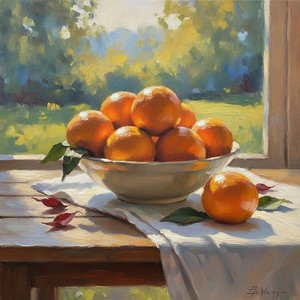
Sun-Drenched Citrus: The Vibrant Beauty of Oranges in Impressionist Masterpieces
Embark on a sensory journey through Impressionist masterpieces. Discover how Renoir and Cézanne captured the vibrant light and luscious textures of sun-drenched oranges in exquisite still life paintings designed to inspire and transform your home.

Drama and Light: Discover the Captivating Grandeur of Baroque Art
Immerse yourself in the dramatic splendor of Baroque art. Explore the profound impact of light, shadow, and the Counter-Reformation through an expert historical lens, celebrating the masters who defined an era of unparalleled grandeur and emotional intensity.
Istražite umetnička dela organizovana prema temama, stilovima i karakteristikama.


