

 Pregledaj u prostoru
 Pošalji
 Podeli
 Detalji o delu
 Vodič
Vodič

 Preuzmi
 Slični predmeti
 Rendgenski snimak
 Automatska prezentacija
 Pitanja i odgovori
 Statistika
The Woods near Spandau

- 73.0 x 102.0 cm


Explore 'The Woods near Spandau' by Carl Blechen (1834). A haunting Romantic landscape featuring atmospheric depth & a solitary figure. Oil on canvas, capturing twilight’s beauty. #art #landscape #Blechen
 Pročitaj više
Karl Blehen (1798-1840) bio je nemački slikar romantičar poznat po upečatljivim pejzažima i pionirskim prikazima rane industrializacije. Istražite njegove italijanske skice i trajni uticaj.
Giclee štampa / Umetnički otisak
Giclée štampa ili print na platnu muzejskog kvaliteta uz brzu izradu i raznovrsne opcije završne obrade. ( Kupite ručno oslikano delo Pređi na digitalnu sliku)




P118B дин10

P118H дин10

P118W дин10

P438Z дин10

P508JH дин12

P508YH дин12

P805H дин10

P805Z дин10

P919BZ дин10

P919G дин10

P919XJ дин10

P959ZH дин10

P968JZ дин12

W106C дин8

W218G дин10

W218JH дин8

W218Y дин10

W307PJ дин10

W316G дин10

W316PJ дин8

W316Y дин10

W398PJ дин8

W4111J дин10

W500HY дин15

W500JH дин15

W692G дин12

W849H дин8

W940BG дин15

W953PJ дин8




Standardne dimenzije
po meri
CM
INCH
Izaberite jednu od naših unapred definisanih veličina koje odgovaraju originalnim proporcijama umetničkog dela.
Loading sizes...

širina
visina
Unesite željenu širinu i visinu kako bi se štampa uklopila u vaš ram ili zid. Štampu je moguće samo iseći, ali nikada povećati iznad dimenzija originalne slike, stoga format sa drugačijim proporcijama uzrokuje gubitak dela slike. Pre početka štampe, poslaćemo vam digitalni prikaz radi potvrde. Slika prikazana na ovoj stranici ne predstavlja stvarni isrez — to pokazuje samo digitalni prikaz.
Dostava širom sveta () za 2 nedelje umesto uobičajenih 4/5 nedelja. (3 новембар)

Besplatna ekspresna dostava širom sveta

Visokokvalitetno laneno platno

Potpuno osiguranje transporta

Garancija povraćaja carine i uvoznih dažbina

Garancija vernosti boja

Politika povraćaja u roku od 100 dana (samo u slučaju nedostataka)

Garancija povrata 100% novca

Popust na više proizvoda
 Opcija sa staklom dostupna je samo za dimenzije manje od 110 cm

The Woods near Spandau
Giclee štampa / Umetnički otisak
Dimenzije reprodukcije
-


Ukupna cena
дин 7334
A Twilight Reverie in the German Woods
In the quiet transition between day and night, Carl Blechen’s 1834 masterpiece, The Woods near Spandau, captures a moment of profound atmospheric stillness. This evocative landscape does not merely depict a forest; it invites the viewer into a sensory experience where the boundaries between reality and dream begin to blur. As the sun retreats, leaving behind a lingering glow upon a distant architectural silhouette—perhaps the Spandau Cathedral—the painting establishes a sense of deep, contemplative solitude. The composition is masterfully orchestrated, utilizing the converging lines of ancient, towering trees to create a natural corridor that draws the eye through the shadows and toward a soft, luminous focal point in the distance.
The emotional resonance of the work lies in its ability to evoke both mystery and peace. A solitary figure wanders along a darkened, muddy path, serving as a poignant symbol of the human journey through the vast, often overwhelming complexities of nature. This presence of a lone traveler heightens the Romantic theme of introspection, suggesting a soul in communion with the wilder, more shadowed aspects of the world. For the collector or designer, this piece offers a sophisticated emotional anchor, bringing a sense of quiet drama and historical depth to any curated space.
Mastery of Light and Romantic Technique
Blechen was a pioneer of the Romantic movement, known for eschewing the overly idealized vistas of his predecessors in favor of a more visceral, atmospheric realism. In The Woods near Spandau, his technique is nothing short of transformative. He employs a palette dominated by the earthy, muted tones of the woodland—deep browns, mossy greens, and charcoal greys—yet he breaks this somberness with strategic strokes of cerulean and pale gold. These highlights, caught in the canopy or reflecting off distant structures, create a rhythmic interplay of light and shadow that breathes life into the canvas.
The texture of the painting is palpable, achieved through loose, confident brushstrokes that suggest the ruggedness of tree bark and the delicate, shimmering movement of leaves caught in a twilight breeze. This tactile quality is essential to the artwork's impact; it moves beyond mere representation to create an immersive environment. The use of atmospheric perspective—where distant elements appear softer and more ethereal—adds a layer of profound depth, making the forest feel as though it extends infinitely into the mist. Such technical brilliance ensures that a high-quality reproduction remains a captivating centerpiece, preserving the subtle nuances of Blechen’s legendary hand.
A Timeless Addition to the Modern Interior
Beyond its historical significance, The Woods near Spandau possesses an enduring aesthetic versatility that appeals to the contemporary eye. Its dark, moody tonality makes it an exquisite choice for interior designers looking to create a "moody" or "dark academia" aesthetic, providing a sophisticated contrast against lighter wall tones or complementing rich, velvet textures in a study or library. The painting’s ability to command attention through subtle movement rather than loud color allows it to integrate seamlessly into luxurious, understated environments.
Owning a reproduction of this caliber is an opportunity to possess a fragment of German Romanticism. It serves as a window into a period when artists first began to grapple with the changing landscape of a modernizing world, finding beauty in the interplay between the natural and the man-made. Whether placed in a grand salon or a quiet reading nook, this artwork continues to inspire awe, offering a perennial sanctuary of light and shadow for those who appreciate the profound beauty of the natural world.
Pitanja i odgovori
Koji umetnički pravac pripada delu "The Woods near Spandau"?
Umetnički pravac koji se povezuje sa delom „The Woods near Spandau”, autor Карл Блехен je Romanticism. Ova klasifikacija smešta rad među srodne umetnike i umetnička dela.
U kojoj godini i u okviru kog umetničkog pravca je nastalo delo "The Woods near Spandau"?
Delo "The Woods near Spandau" nastalo je 1834. godine u okviru Romanticism pravca. Datum i umetnički pravac čine temelj ovog dela u istoriji umetnosti.
Kolika je luminansa dela „The Woods near Spandau”, autor Карл Блехен?
„The Woods near Spandau”, autor Карл Блехен ima luminancu od Dark. Luminanca opisuje koliko se čini da boje reflektuju svetlosti.
Biografija umetnika
Pionir Romantične Industrializacije: Život i Umjetnost Karla Blehena
Karl Eduard Ferdinand Blehen, rođen u Kotbusu, Njemačka, 1798. godine, zauzima jedinstvenu i često zanemarenu poziciju unutar tradicije pejzažnog slikarstva. Njegov život bio je obilježen umjetničkom briljantnošću i ličnim nemirima, dualitet koji je duboko uticao na njegovu sugestivnu i inovativnu djela. Prvobitno osuđen na pragmatičnu karijeru u bankarstvu zbog finansijskih poteškoća porodice, Blehenova urođena umjetnička sklonost na kraju je prevladala. Upisao je studije na Berlinskoj akademiji umjetnosti 1822. godine, započevši put koji će ga učiniti jednim od prvih umjetnika koji su se suočili sa estetskim izazovima – i mogućnostima – koje je predstavljala rana industrializacija.
Blehenove rane godine bile su prožete romantičarskim idealima koji su preplavili Evropu. Međutim, za razliku od mnogih svojih savremenika koji su se fokusirali isključivo na idealizovanu ljepotu prirode ili istorijsku veličinu, Blehenov pogled bio je usmjeren ka svijetu u promjeni. Ključno putovanje u Italiju 1828-1829. godine pokazalo se transformativnim. Uronjen u svjetlost i atmosferu italijanske ruralne sredine, usavršio je svoje vještine skiciranja na otvorenom, hvatajući prolazne trenutke i dramatične efekte sa izuzetnom osjetljivošću. Te skice nisu bile samo pripremne studije; bile su prožete živahnom energijom koja će karakterizirati njegov zreli stil. Vratio se u Berlin ne samo kao tehnički vješt slikar, već kao umjetnik sa posebnom vizijom – vizijom koja je težila da pomiri uzvišenu ljepotu prirode sa nadolazećom stvarnošću modernosti.
Navigacija Tradicije i Transformacije
Blehenov umjetnički opus karakteriše uvjerljiva tenzija između romantičarske osjetljivosti i nascentnog realizma. Nije izbjegavao prikazivanje rastućih industrijskih pejzaža, ali ih nije ni kritički proslavljao. Djela poput Bau der Teufelsbrücke (Izgradnja Đavoljeg mosta), slikana između 1830. i 1832. godine, ilustruju ovaj pristup. Slika ne slavi inženjerski podvig; umjesto toga, predstavlja scenu napornog rada na dramatičnoj pozadini, nagoveštavajući ljudske ambicije i potencijal za narušavanje prirodnog poretka. Ova spremnost da se suoči sa složenošću svog vremena izdvaja ga od mnogih njegovih savremenika.
Njegovi pejzaži su često prožete melankoličnom atmosferom, što odražava ne samo promjenjivo fizičko okruženje, već i njegove sopstvene unutrašnje borbe. Waldweg bei Spandau (Šumski put kod Spandaa), na primjer, evocira osjećaj usamljenosti i introspekcije, istovremeno pokazujući Blehenovu majstoriju svjetlosti i sjene. Vješto je koristio atmosfersku perspektivu kako bi stvorio dubinu i raspoloženje, uvlačeći gledaoca u scenu i pozivajući na kontemplaciju. Nije samo bilježio ono što je vidio; prenosio je emocionalni odgovor na to.
Genije Umučen i Trajno Nasleđe
Uprkos svojim umjetničkim dostignućima, Blehenov život je tragično skraćen mentalnom bolešću. Postavljen za profesora slikarstva pejzaža na Berlinskoj akademiji 1831. godine – svjedočanstvo njegove rastuće reputacije – njegovo stanje je počelo da se rapidno pogoršava nakon 1835. godine. Primoran na bolovanje i eventualnu hospitalizaciju, nastavio je stvarati umjetnost čak i usred patnje, proizvodeći potresne crteže koji nude uvid u njegov unutrašnji svijet.
Iako je njegova karijera bila relativno kratka, uticaj Karla Blehena na sledeće generacije umetnika je neosporan. Njegovi pionirski prikazi industrijskih pejzaža otvorili su put kasnijim realistima i impresionistima koji su težili da uhvate promjenjivo lice modernog života. Pokazao je da je moguće pronaći ljepotu – i značenje – čak i usred transformacije, lekcija koja i danas inspiriše umjetnike. Njegovo djelo ostaje moćan podsetnik na složen odnos između čoveka, prirode i napretka.
Ključna Dela & Kolekcije
- Im Berliner Tiergarten (Berlinski zoološki vrt), 1825: Rani primjer njegove sposobnosti da uhvati atmosferske efekte i svakodnevne scene sa romantičarskom osjetljivošću.
- Waldweg bei Spandau (Šumski put kod Spandaa): Zastrašujući pejzaž koji ilustruje njegovu majstoriju svjetlosti, sjene i raspoloženja.
- Bau der Teufelsbrücke (Izgradnja Đavoljeg mosta), 1830–32: Inovativan prikaz rane industrializacije, pokazujući ljudske ambicije i njen uticaj na prirodni svijet.
Danas se Blehenova dela mogu pronaći u istaknutim muzejskim kolekcijama širom sveta, uključujući Kunsthalle Bielefeld u Njemačkoj, Fitzwilliam Museum u Kembridžu i Nacionalnu galeriju u Londonu. Ove institucije čuvaju njegovo nasleđe za buduće generacije, osiguravajući da njegova inovativna vizija nastavi da inspiriše i izaziva gledaoce.

Карл Блехен
1798 - 1840 , Немачка
Osnovne informacije
- Artistic Movement Or Style: Romantizam
- Artists Who Influenced This Artist:
- Caspar David Friedrich
- Johann Christian Dahl
- Date Of Birth: 29. jul 1798.
- Date Of Death: 23. jul 1840.
- Full Name: Carl Eduard Ferdinand Blechen
- Nationality: Nemac
- Notable Artworks (List Of Titles):
- Im Berliner Tiergarten
- Waldweg bei Spandau
- Bau der Teufelsbrücke
- Place Of Birth (City And Country): Kotbus, Nemačka
Povezani članci
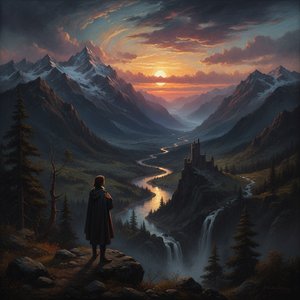
Capturing the Soul: The Emotional Majesty and Sublime Power of Romantic Landscape Painting
Explore the profound emotional depth of Romantic landscape painting. Discover how masters like Turner and Friedrich captured the sublime power of nature through intuition and imagination in this expert art history retrospective.

Capturing the Soul: The Emotional Magic and Sublime Grandeur of Romantic Landscape Painting
Explore the profound emotional depth of Romantic landscape painting. Discover how masters like Friedrich and Turner captured the sublime through light, shadow, and nature's power in this expert art history retrospective for discerning collectors.