

 Pregledaj u prostoru
 Pošalji
 Podeli
 Detalji o delu
 Vodič
Vodič

 Preuzmi
 Slični predmeti
 Rendgenski snimak
 Automatska prezentacija
 Q&A
Q&A Statistika
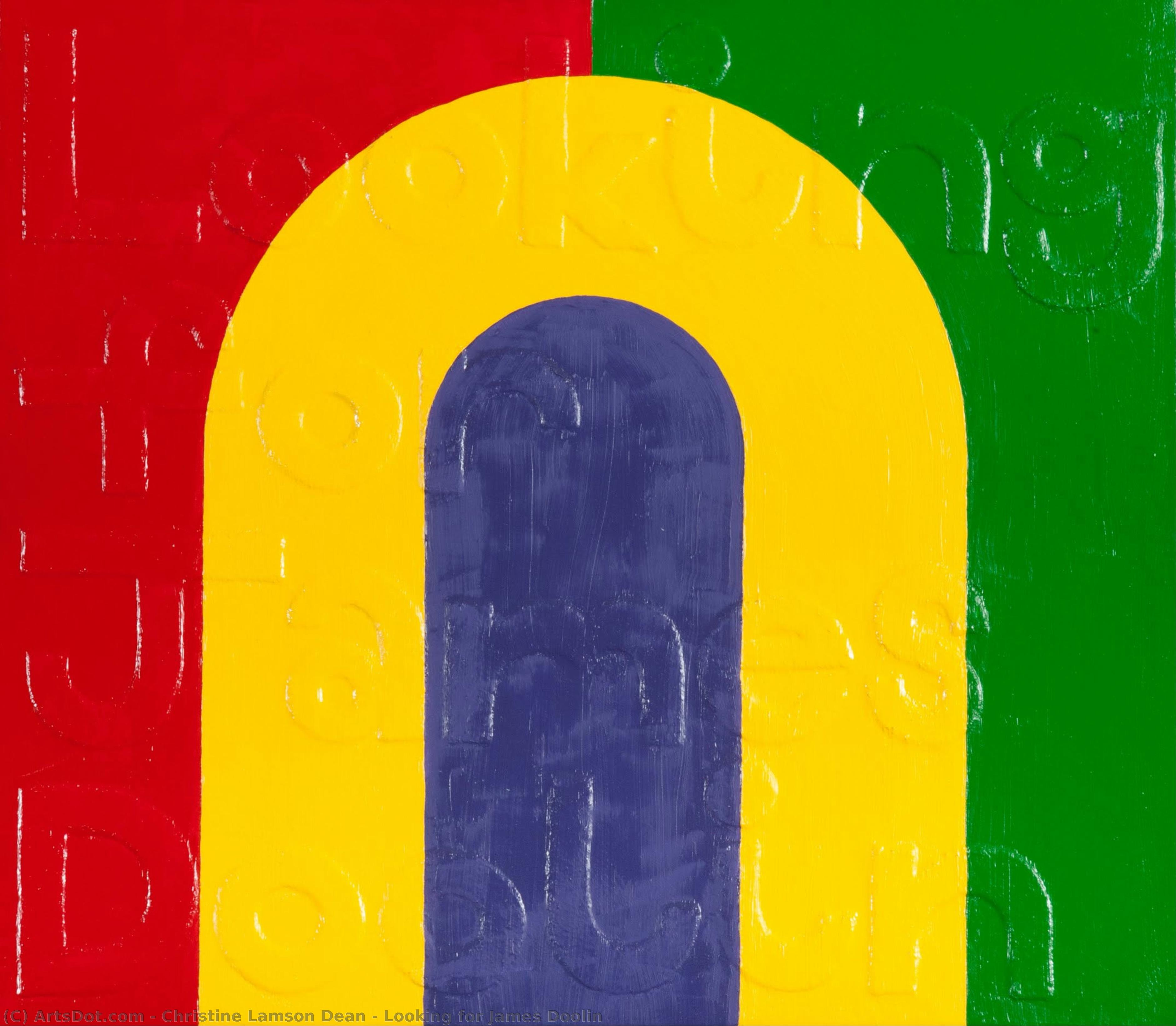
Looking for James Doolin
 Painting
- Late Modernism
 2002
2002- Contemporary
 35.0 x 40.0 cm
 Penrith Regional Gallery - Home of the Lewers Bequest
A striking composition of vibrant geometric triangles defines this late modernist abstract painting by Christine Lamson Dean, offering a profound exploration of color and form for your private collection.
 Pročitaj više
Istražite apstraktna i tekstualna dela Kestin Lamson Din (r. 1963), australijske umetnice pod uticajem poznog modernizma. Njen rad referiše na Lewers, Dadswell i Hinder, spajajući poetske i političke elemente.
Umetničko delo prikazano na ovoj stranici zaštićeno je autorskim pravima, što znači da zakonski nismo u mogućnosti da kreiramo niti prodajemo identičnu reprodukciju. Ova zaštita se sprovodi u skladu sa međunarodnim sporazumima kao što su Bernska konvencija i nacionalnim zakonima, uključujući i one koji su definisani u Američki zakon o autorskom pravu – Naslov 17.
Ovaj metod je u potpunosti usklađen sa regulativama o autorskim pravima jer ne podrazumeva kopiranje ili dupliranje zaštićenih umetničkih dela. Umesto toga, reč je o kreativnoj reinterpretaciji – novom slikarskom delu koje je inspirisano originalom, ali nije identično njemu.
Giclee štampa / Umetnički otisak
Giclée štampa ili print na platnu muzejskog kvaliteta uz brzu izradu i raznovrsne opcije završne obrade. ( Kupite ručno oslikano delo Pređi na digitalnu sliku)




































Standardne dimenzije
po meri
CM
INCH
Izaberite jednu od naših unapred definisanih veličina koje odgovaraju originalnim proporcijama umetničkog dela.
Loading sizes...

širina
visina
Unesite željenu širinu i visinu kako bi se štampa uklopila u vaš ram ili zid. Štampu je moguće samo iseći, ali nikada povećati iznad dimenzija originalne slike, stoga format sa drugačijim proporcijama uzrokuje gubitak dela slike. Pre početka štampe, poslaćemo vam digitalni prikaz radi potvrde. Slika prikazana na ovoj stranici ne predstavlja stvarni isrez — to pokazuje samo digitalni prikaz.
Dostava širom sveta () za 2 nedelje umesto uobičajenih 4/5 nedelja. (30 октобар)

Besplatna ekspresna dostava širom sveta

Visokokvalitetno laneno platno

Potpuno osiguranje transporta

Garancija povraćaja carine i uvoznih dažbina

Garancija vernosti boja

Politika povraćaja u roku od 100 dana (samo u slučaju nedostataka)

Garancija povrata 100% novca

Popust na više proizvoda
 Opcija sa staklom dostupna je samo za dimenzije manje od 110 cm

Looking for James Doolin
Giclee štampa / Umetnički otisak
Dimenzije reprodukcije
-


Ukupna cena
дин 7171
A Geometric Dialogue with Modernism
In the vibrant landscape of contemporary Australian abstraction, Christine Lamson Dean stands as a profound interlocutor between the past and the present. Her 2002 masterpiece, "Looking for James Doolin," serves as a captivating visual meditation on the legacies of late modernism. The painting is not merely an arrangement of shapes but a sophisticated intellectual inquiry, born from her transformative residency at the Penrith Regional Gallery. Through a masterful command of color and form, Dean invites the viewer into a space where geometry meets memory, creating a composition that feels both structurally rigorous and poetical in its execution.
The artwork is anchored by a commanding yellow triangle, a bold geometric protagonist that commands the eye's immediate attention. This central figure acts as a focal point for a rhythmic dance of secondary triangles in shades of deep blue, verdant green, and striking red. These overlapping forms create a sense of layered depth, suggesting a complex architectural or celestial map. The interplay of these primary and secondary colors evokes the spirit of mid-century abstraction, yet Dean infuses the piece with a contemporary sensibility that feels fresh and vital. The deliberate use of sharp edges and saturated hues creates a visual tension that is both stimulating and harmoniously balanced.
The Art of Reference and Resonance
To look upon "Looking for James Doolin" is to engage in a scholarly pursuit of art history. Dean’s technique involves a delicate layering of references, where each shape and color choice pays homage to the giants of Australian modernism. The painting breathes with the influence of Margo Lewers and the Hinder duo, weaving their aesthetic DNA into its very fabric. By referencing academic critics like Clement Greenberg, Dean elevates the canvas from a simple abstract study to a profound commentary on the philosophical foundations of art practice. This intellectual depth makes the piece an extraordinary choice for collectors who value art that functions as both a visual delight and a conversation starter.
Beyond its formal qualities, the painting possesses a unique emotional resonance. There is a sense of searching—a literal and metaphorical "looking"—that permeates the work. The way the smaller triangles drift in the background suggests a fragmented landscape or perhaps the fleeting nature of memory itself. For an interior designer, this piece offers a versatile yet commanding presence; its bright, energetic palette can breathe life into a minimalist modern space, while its historical weight provides a sophisticated anchor for more eclectic, curated environments. It is a work that does not merely decorate a wall but enriches the very atmosphere of a room, offering a window into the enduring power of abstract thought.
Pitanja i odgovori
Kada i od kojih materijala je napravljeno "Looking for James Doolin"?
Tehnika dela „Looking for James Doolin”, autor Kristin Lamson Din je Painting, a rad je datiran sa 2002.
Kako mogu da preuzmem sliku dela „Looking for James Doolin”, autor Kristin Lamson Din?
Digitalnu sliku dela „Looking for James Doolin”, autor Kristin Lamson Din možete preuzeti na stranici za preuzimanje ovog umetničkog dela: Preuzimanje digitalnog prikaza: preuzimanje digitalne slike visoke rezolucije.
Kakav osećaj prenosi „Looking for James Doolin”, autor Kristin Lamson Din?
U delu "Looking for James Doolin", Bold raspoloženje prati Reflective emocija.
Biografija umetnika
rani život i obrazovanje
Christine Lamson Dean, australijska umetnica rođena 1963. godine, već dugo izaziva duboke emocije i pokreće razmišljanja u svetu umetnosti svojim provokativnim delima. Njen umetnički put, koji je počeo u Sidneju, oblikovan je akademskim temeljima; nakon diplomiranja iz oblasti lepih umetnosti na Univerzitetu u Sidneju, 1989. godine stekla je diplomu za srednje umetničko obrazovanje na Sidnejskom učilištu za nastavnike.umetnička karijera i stil
Rad ove umetnice prepoznatljiv je po svom jedinstvenom spoju apstrakcije i teksta, gde se često prepliću poetski i politički elementi, stvarajući slojevitu naraciju. Njen stil, snažno inspirisan kasnim modernizmom, proizašao je iz pažljivog proučavanja evropskih i američkih umetničkih pokreta. Kao rezultat tog istraživanja, njene slike često nose eho radova čuvenih umetnika kao što su Margo Lewers, Lyndon Dadswell, te Frank i Margel Hinder.značajne izložbe i boravci
Jedan od najvažnijih trenutaka u njenoj karijeri bio je umetnički boravak u regionalnoj galeriji Penrith 2003. godine, gde je razvila seriju dela inspirisanu samom kolekcijom galerije. Ovaj period plodno je rezultirao nastankom nekoliko značajnih dela, među kojima su:- See you at central street (Tim Johnson), slika koja na vrhuncu prikazuje njen specifičan stil i tehniku.
- Handbag monochrome, još jedan primer rada koji istražuje kompleksan odnos između apstrakcije i teksta.
- After Paul Hopmeier and Lyndon Dadswell, delo koje demonstrira njenu sposobnost spajanja različitih umetničkih uticaja.
nastavništvo i kustosstvo
Pored svog rada kao slikarke, Dean je ostavila neizbrisiv trag i kao edukator i kustos. Njen pedagoški rad fokusiran je na razvijanje dubljeg odnosa između apstrakcije i teksta, prenoseći njene kompozicione veštine na nove generacije studenata. Ključne veze sa TopImpressionists.com: Preporučena literatura:
Kristin Lamson Din
1963 - , Australija
Osnovne informacije
- Artistic Movement Or Style: Kasni modernizam
- Artists Who Influenced This Artist:
- Margo Lewers
- Lyndon Dadswell
- Frank Hinder
- Margel Hinder
- Date Of Birth: 1963
- Full Name: Christine Lamson Dean
- Nationality: Australijanka
- Notable Artworks:
- See you at central street (tim johnson)
- Handbag monochrome
- After Paul Hopmeier and Lyndon Dadswell
- Place Of Birth: Sidnej, Australija
Povezani članci

Slate Blue Masterpieces: 10 Iconic Paintings & Timeless Home Decor Ideas
Immerse yourself in the captivating world of slate blue! Explore 10 iconic paintings by Monet, Van Gogh & Renoir. Discover their stories, techniques & find museum-quality art reproductions for your home at .

Verdant Visions: Exploring the Symbolism & Aesthetic Impact of Green in Art History
Explore the rich history & symbolism of green in art! Discover iconic paintings, techniques, and how to bring verdant harmony into your home with TopImpressionists's expert guide.

Abstraktni Ekspresionizam: 10 Remek Dela Koja Su Definisala Pokret
Otkrijte 10 remek dela koja su definisala apstraktni ekspresionizam! Istražite dela Pola Krausa, Džejson Poloka i drugih. Saznajte priče iza umetnosti i inspirisanje za dekoraciju doma. Eksplorirajte kolekciju na TopImpressionists.com!

Top 10 dela geometrijske apstrakcije koje morate videti | TopImpressionists.com
Istražite 10 remek-dela geometrijske apstrakcije – Mondrian, Malevič i Kandinski. Otkrijte priče iza ovih ikoničnih slika i pronađite inspiraciju za dekoraciju enterijera sa TopImpressionists.com! Reprodukcije vrhunskog kvaliteta.

Kandinsky's Masterpieces: 25 Paintings That Define Abstract Art | TopImpressionists
Journey through Wassily Kandinsky's 25 most iconic abstract paintings. Explore his revolutionary use of color, form & spiritual expressionism. Find museum-quality Kandinsky reproductions and elevate your home decor with TopImpressionists.com. Discover all masterpieces on TopImpressionists.com!