


 Pregledaj u prostoru
 Podeli
 Podeli
 Detalji
 Vodič
Vodič

 Preuzmi sliku
 Slični predmeti
 Rendgenski snimak
 Automatska prezentacija
 Statistika
Nepean River


Discover 'Nepean River' by Desiderius Orban (1945). An evocative impressionistic landscape painting of rural Australia. Explore thick impasto & atmospheric perspective in this unique artwork.
Desiderius Orban (1884-1986) was a Hungarian painter who brought Cubism, Expressionism & Fauvism to Hungary before flourishing in Australia. Influenced by Matisse & Van Gogh, he impacted generations as an artist and teacher.
 Pročitaj više
Umetničko delo prikazano na ovoj stranici zaštićeno je autorskim pravima, što znači da zakonski nismo u mogućnosti da kreiramo niti prodajemo identičnu reprodukciju. Ova zaštita se sprovodi u skladu sa međunarodnim sporazumima kao što su Bernska konvencija i nacionalnim zakonima, uključujući i one koji su definisani u Američki zakon o autorskom pravu – Naslov 17.
Kao poštovana i legalna alternativa, nudimo prilagođene, ručno oslikane umetničke radove inspirisane originalom. Naši stručni i profesionalni umetnici pažljivo proučavaju stil, ambijent i umetničku suštinu originala kako bi kreirali novo, unikatno delo koje budi istu emociju – ostajući pritom potpuno autentično stvaranje.
Ovaj metod je u potpunosti usklađen sa regulativama o autorskim pravima jer ne podrazumeva kopiranje ili dupliranje zaštićenih umetničkih dela. Umesto toga, reč je o kreativnoj reinterpretaciji – novom slikarskom delu koje je inspirisano originalom, ali nije identično njemu.
Ručno rađena uljana reprodukcija
Ručno oslikano uljanim bojama na platnu u dimenzijama i okviru po vašem izboru, izrađeno po porudžbini od strane naših umetnika. ( Pređi na prodaju štampanih primeraka Pređi na prodaju digitalnih slika)




































Standardne dimenzije
po meri
CM
INCH
Izaberite jednu od naših unapred definisanih veličina koje odgovaraju originalnim proporcijama umetničkog dela.
Loading sizes...

širina
visina
Unesite širinu i visinu koja vam je potrebna, kako bi se uklopili u vaš ram ili zid. Pošto je ovo ručno oslikano delo, umetnik može naslikati malo više prostora oko slike ili malo skratiti ivice za dimenzije drugačijeg oblika — izbor je na vama. Pre početka rada, poslaćemo vam digitalni prikaz radi potvrde. Slika prikazana na ovoj stranici ne predstavlja konačan rezultat — samo digitalni prikaz pokazuje stvarnu sliku.
Primeri mogućih izmena: Zamena lica fotografijom kupca; Dodavanje ljubimca (npr. zamena mačke psom); Uključivanje skrivene poruke u pozadini; Promena pejzaža ili elemenata pozadine.
Nakon narudžbine, tim TopImpressionists.com će klijentu putem e-pošte poslati uputstva i dostaviti prikaz predloženog rešenja
Nakon narudžbine, tim TopImpressionists.com će klijentu putem e-pošte poslati uputstva i dostaviti prikaz predloženog rešenja
Svetska isporuka () za 3/4 nedelje umesto uobičajenih 5 nedelja. (25 октобар). Bez kompromisa po pitanju kvaliteta.

Besplatna ekspresna dostava širom sveta

Visokokvalitetno laneno platno

Sveobuhvatno osiguranje transporta

Garancija povraćaja carine i uvoznih dažbina

Garancija vernosti boja i autentičnosti pri reprodukciji

Politika povraćaja u roku od 100 dana (samo u slučaju nedostataka)

Garancija povrata 100% novca

Popust pri većoj količini
 Opcija sa staklom dostupna je samo za dimenzije manje od 110 cm

Nepean River
Tehnika izrade reprodukcije
Veličina reprodukcije
-


Ukupna cena
дин 27735
Srodna umetnička dela


Biografija umetnika
The Visionary Journey of Desiderius Orban
The story of Desiderius Orban is one of profound movement, both geographical and stylistic, tracing a path from the heart of Central Europe to the vibrant landscapes of Australia. Born in 1884 in Győr, Hungary, as Orbán Dezső, his early years were steeped in the rich academic traditions of Budapest. Under the tutelage of János Pentelei Molnár, Orban developed a foundational mastery of form that would later serve as the bedrock for his radical experiments with modernism. His artistic soul, however, was restless, yearning for the avant-garde currents flowing through the great art capitals of Europe.
It was in Paris that Orban truly found his creative voice. Immersed in the electric atmosphere of the early 20th century, he encountered the transformative power of Fauvism and Expressionism. The bold, emotive brushwork of Vincent van Gogh, the structural integrity of Paul Cézanne, and the vibrant, liberated color palettes of Henri Matisse became his guiding lights. This period of intense exposure allowed him to absorb the revolutionary aesthetics that were dismantling classical traditions, preparing him to become a vital conduit for modernism in his homeland.
The Architect of Hungarian Modernism
Upon returning to Hungary, Orban became a central figure in a movement that would forever alter the nation's cultural landscape. Alongside luminaries such as Károly Kernstok, Béla Czóbel, and Róbert Berény, he joined the group known as The Eight (or the "Neos"). This collective of young, daring artists sought to break away from provincialism and introduce the cutting-edge techniques of Western Europe—specifically Cubism and Fauvism—to the Hungarian public. Orban’s role in this group was pivotal; his work acted as a bridge between the established academic style and the fractured, energetic geometries of the new age.
The 1911 exhibition of The Eight remains a landmark moment in art history, showcasing a radical departure from tradition that challenged the sensibilities of the era. Through his paintings, Orban explored the interplay of light, color, and structure, often utilizing a more fragmented approach to composition that echoed the influence of Pablo Picasso and Georges Braque. His ability to synthesize these complex European influences into a unique, personal language solidified his reputation as a pioneer of the Hungarian avant-garde.
Resilience and Legacy in a New World
The shadows of political upheaval eventually forced Orban onto a new, unexpected trajectory. As the rise of Nazism and Fascism threatened the very fabric of European culture, Orban fled Budapest in 1939, seeking refuge in Sydney, Australia. This transition marked a significant chapter in his life; adopting the name Desiderius, he began anew in a land far removed from the cafes of Paris and the studios of Budapest. Despite the displacement, his artistic spirit remained undiminished. During World War II, he demonstrated remarkable resilience by enlisting in the Australian army, later dedicating himself to the cultivation of art within his new home.
Orban’s later years were defined by a profound commitment to education and the continued evolution of his craft. He established his own art school, passing on his deep knowledge of modern techniques to a new generation of Australian artists, including notable figures like Harold Thornton and John Olsen. His contributions were celebrated through prestigious accolades, such as the Blake Prize for Religious Art in 1967 and 1971, and his recognition by the Art Gallery of New South Wales. Today, Orban is remembered not merely as a refugee of war, but as a global citizen of art whose legacy spans continents and continues to inspire through its enduring mastery of color and form.

Desiderius Orban
1884 - 1986 , Hungary
Brzi pregled
- Artistic Movement Or Style: Cubism, Expressionism, Fauvism
- Artists Or Movements Influenced By This Artist:
- Harold Thornton
- John Olsen
- James Clifford
- Artists Who Influenced This Artist:
- Henri Matisse
- Vincent van Gogh
- Paul Cézanne
- Date Of Birth: 1884
- Date Of Death: 1986
- Full Name: Desiderius Orban
- Nationality: Hungarian
- Place Of Birth: Győr, Hungary
Srodni članci
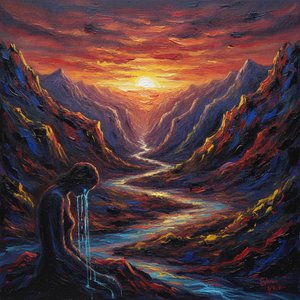
Capturing Emotion: A Journey Through the Soul of Expressionist Landscapes
Explore the profound emotional depth of Expressionist landscapes. Discover how Post-Impressionist masters moved beyond light to capture the soul through vibrant color and form. A curated journey for true art lovers seeking the beauty of expressive mastery.

The Soul of Impressionism: Why Oil on Canvas Captures Eternal Light and Timeless Emotion
Discover the enchanting alchemy of Impressionism. Explore how the mastery of oil on canvas, through glazing and impasto, captures eternal light and emotion. Perfect for lovers of Monet and Van Gogh seeking the profound depth of hand-painted fine art.